REVIEW · KIWENGWA
Zanzibar: Spice Farm & Stone Town Tour with Lunch
Book on GetYourGuide →Operated by TripTrek · Bookable on GetYourGuide
Spices hit you before you even enter. This Zanzibar tour blends a Spice Farm tasting walk with a guided Stone Town street tour and lunch in one full day.
I especially like two things. First, you get hands-on with the island’s scents and flavors, from turmeric and cardamom to cinnamon, black pepper, cloves, and nutmeg. Second, the timing is built around walking—about two hours at the farm and about two hours in Stone Town—so you’re not stuck watching from a bus window.
One thing to plan for: lunch can be more simple than you might expect, and pickup logistics can be a little chaotic if your hotel is hard to match with the pickup zone.
In This Review
- Key things I’d circle on your map
- Spice Farm to Stone Town: a smart way to spend 7 hours
- How the pickup and van ride affects your day
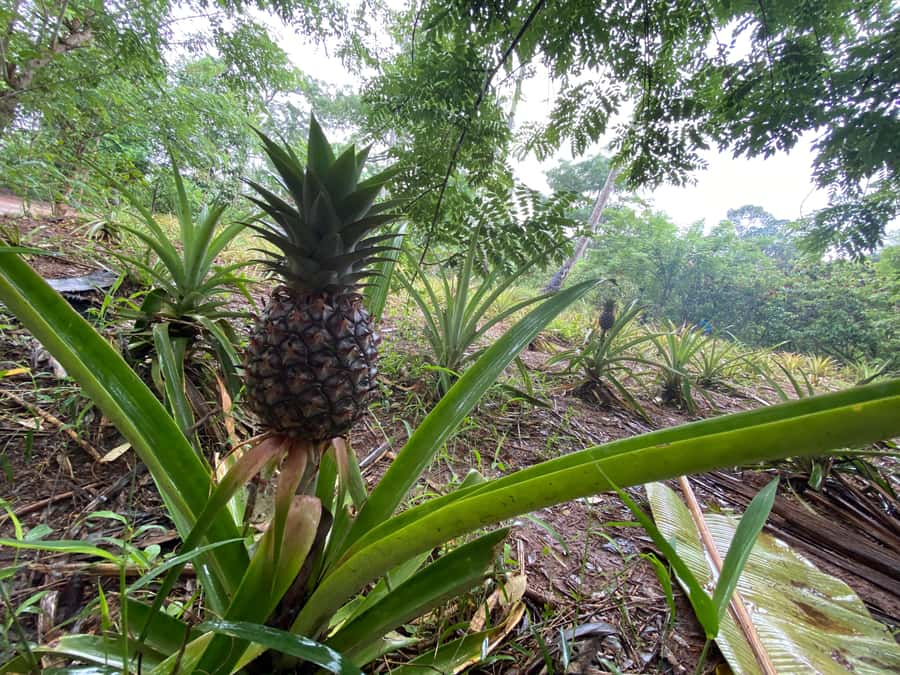
- Entering a Zanzibar spice farm: taste and smell, not just photos
- The “shopping” part is optional, but it’s built in
- Lunch at the spice plantation: great flavor, simple setup
- Stone Town walking tour: Arab architecture + busy markets
- When your guide matters: names like Samir, Salum, and Izaac
- Staying safe and avoiding pressure in markets
- Price and value: what $50 buys for a 7-hour day
- Who this tour suits best (and who should think twice)
- Should you book this Zanzibar Spice Farm & Stone Town tour?
- FAQ
- How long is the Zanzibar Spice Farm & Stone Town tour?
- Where are the pickup and drop-off locations?
- Is hotel pickup and drop-off included?
- Is lunch included?
- What spices will I experience at the spice farm?
- Is the slave market ticket included?
- What’s included in the price besides lunch?
- What language is the tour guide?
- Are alcohol or drugs allowed on the tour?
Key things I’d circle on your map
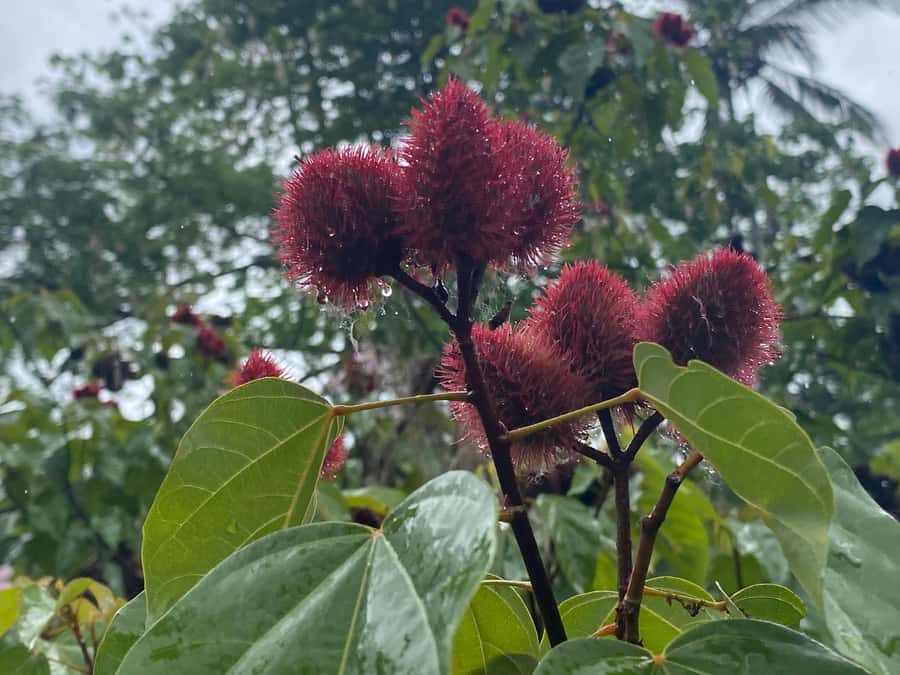
- Tasting-focused spice farm walk with time to smell and sample multiple spice varieties and tropical fruits
- Two distinct guided experiences: around 2 hours in the farm and around 2 hours walking Stone Town
- Darajani Market time with a look at fish, and also the surrounding food and spice stalls
- Stone Town walking routes through old streets with Arab design details and major landmarks
- A guide who keeps things organized and can help you handle sales pressure around markets
- Lunch included on the spice plantation, but served in a basic local style
Spice Farm to Stone Town: a smart way to spend 7 hours
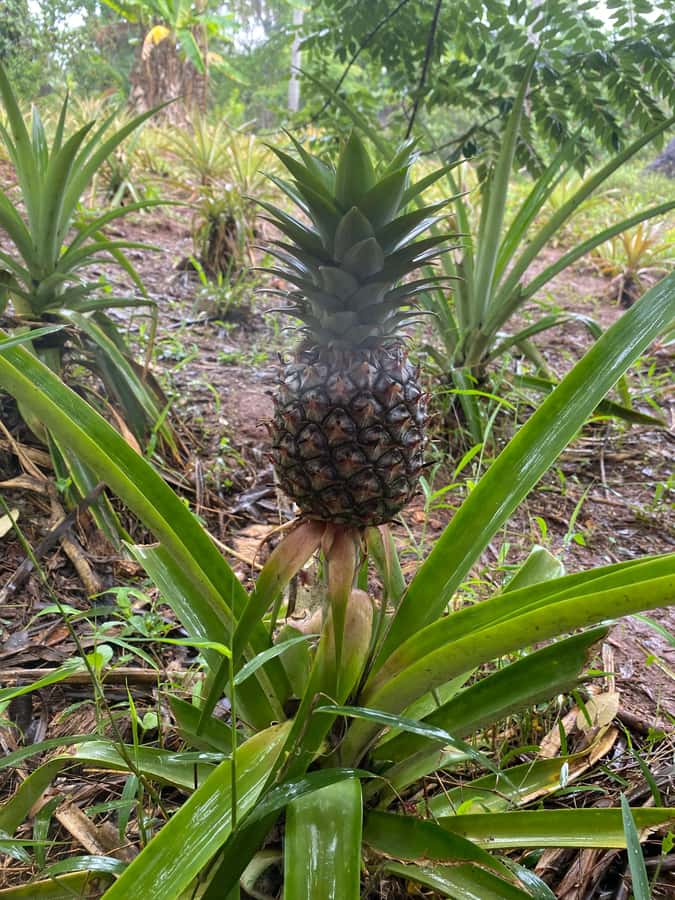
This is a classic “Spice Island” pairing: you start with the garden-and-spice side of Zanzibar, then shift to the human story side in Stone Town. You’ll come away knowing what cloves and cinnamon actually taste like when you’re standing by the plants, not just reading about them.
I like that the day has clear anchors. You’re not guessing what comes next: farm walk, lunch, short travel transfer, then a guided Stone Town walk with market time and key stops.
How the pickup and van ride affects your day
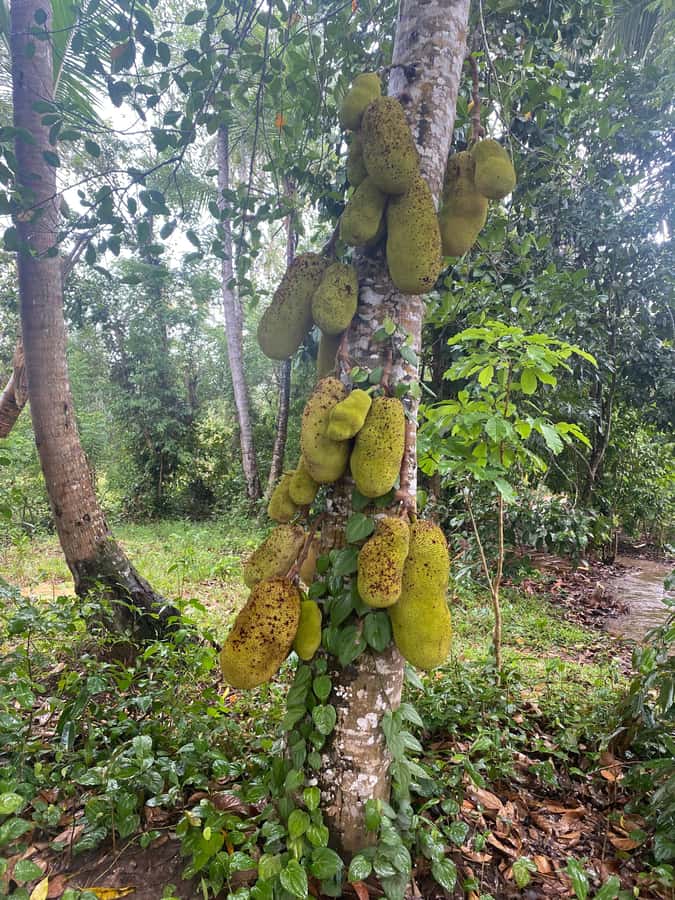
The day runs about 7 hours total, and it includes hotel pickup and drop-off. You’ll be picked up from one of eight areas: Pwani Mchangani, Matemwe, Kizimkazi Mtendeni, Paje, Uroa, Kiwengwa, Nungwi, and Kendwa.
Most of the “waiting” feeling happens because Zanzibar driving time can stretch. The plan uses a van transfer of about 75 minutes, then a shorter 15-minute move before Stone Town. If your hotel is on the edge of the pickup zone, you’ll want to double-check the exact meeting point so you don’t lose time.
Entering a Zanzibar spice farm: taste and smell, not just photos
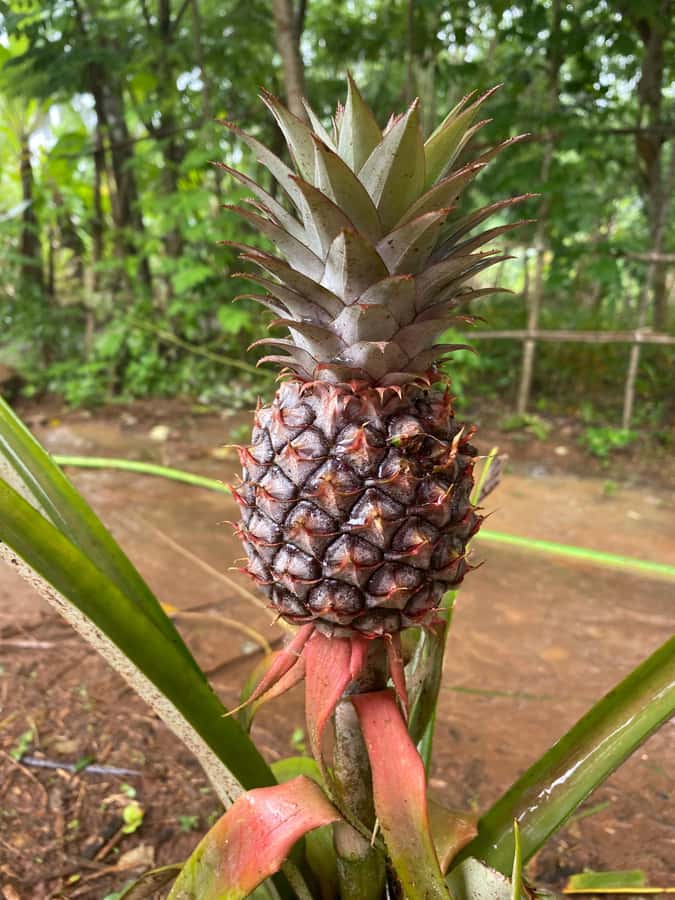
At the private spice farm, you’ll get a guided experience that mixes walking, shopping time, and tasting. Expect about 2 hours of time on the property, with lots of attention to tropical plants and spice trees.
This is where the tour earns its name. You’re guided through scents and uses you’ll actually remember later, including turmeric, cardamom, cinnamon, black pepper, cloves, and nutmeg. The farm experience is also described as having a rainforest feel, with tropical plants and trees rather than a dry, staged garden.
What I’d tell you to do: take your time at each station. Smell first, then taste. If you rush, the best part—the difference between similar spices—starts to blur.
The “shopping” part is optional, but it’s built in
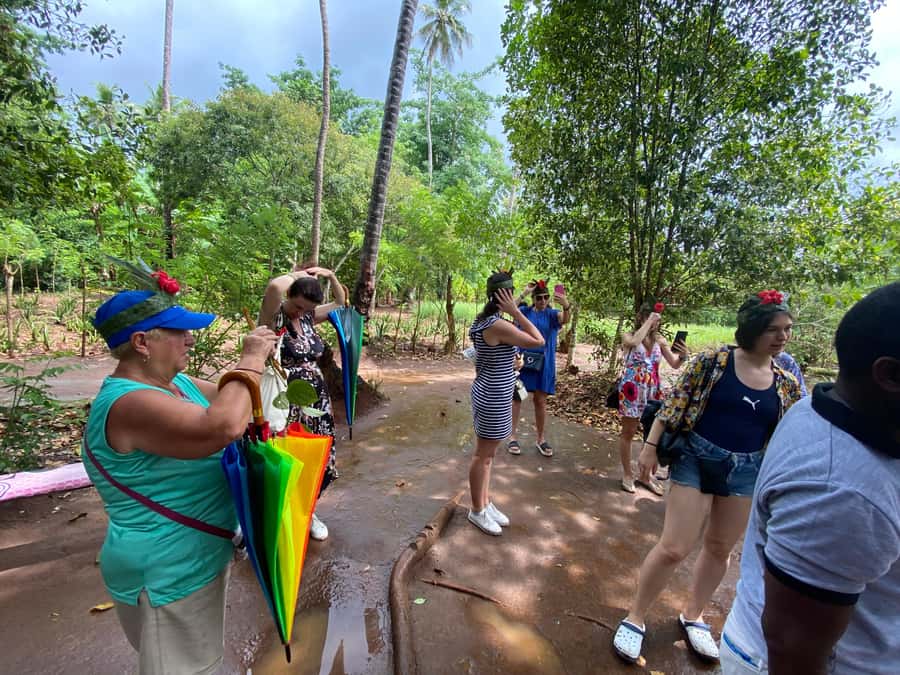
The farm includes time for shopping. That’s useful if you want to take home spice blends, dried fruits, or small gifts without wandering around later hunting for them.
The flip side is price expectations. I’d plan to compare and bargain, especially if you feel a vendor is quoting high prices fast. One common practical tip: set a spending limit before you arrive. It helps you stay calm when a shop suddenly tries to push urgency.
Lunch at the spice plantation: great flavor, simple setup
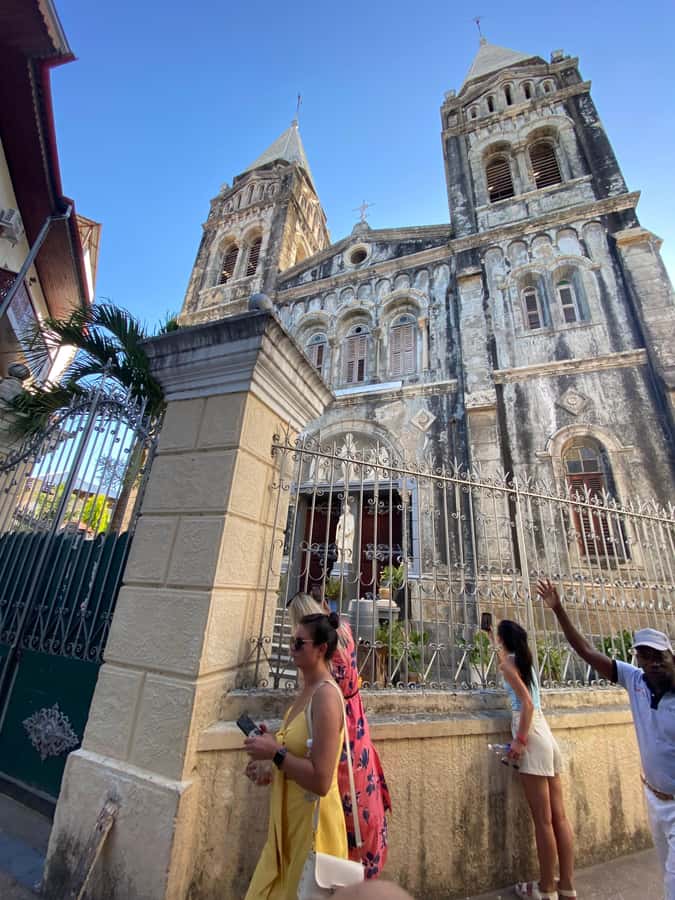
Lunch is included, and it’s part of the farm experience rather than a separate restaurant stop. The meal is described as traditional and tasty, but the setup can be basic.
In one case, lunch was served in a more primitive/simple style, even eaten on the floor. If you prefer chairs and table service, keep that in mind and don’t assume a polished dining room.
A practical way to handle it: wear something comfortable, and if you’re sensitive about cleanliness, bring a small hand-wipe pack. That way you can focus on the food instead of worrying about the logistics.
Stone Town walking tour: Arab architecture + busy markets
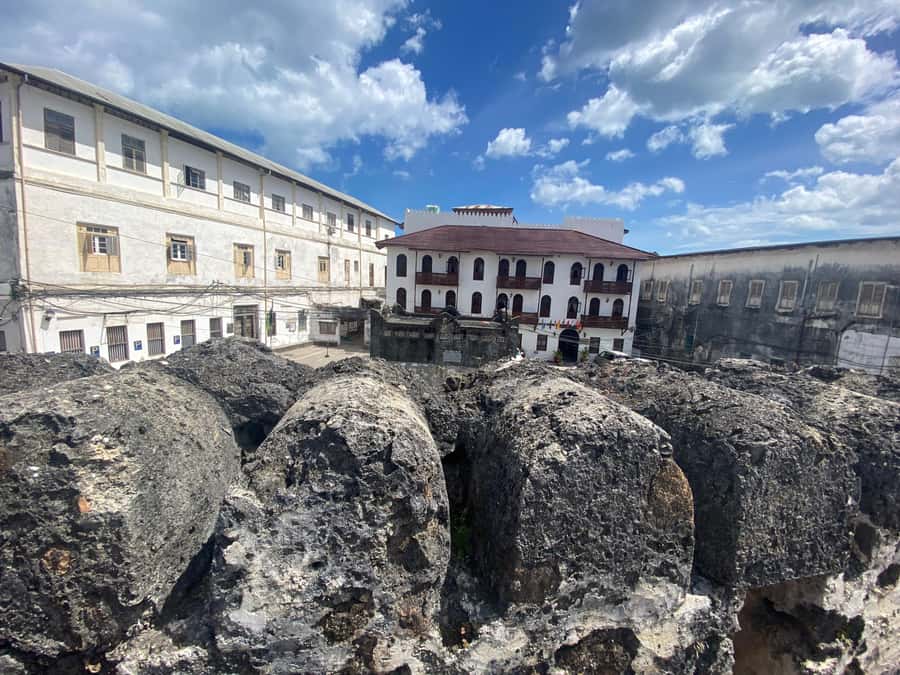
After the farm, you’ll head into Stone Town for about 2 hours of guided walking. This is the part that connects the island’s spice trade to the city’s layers of influence.
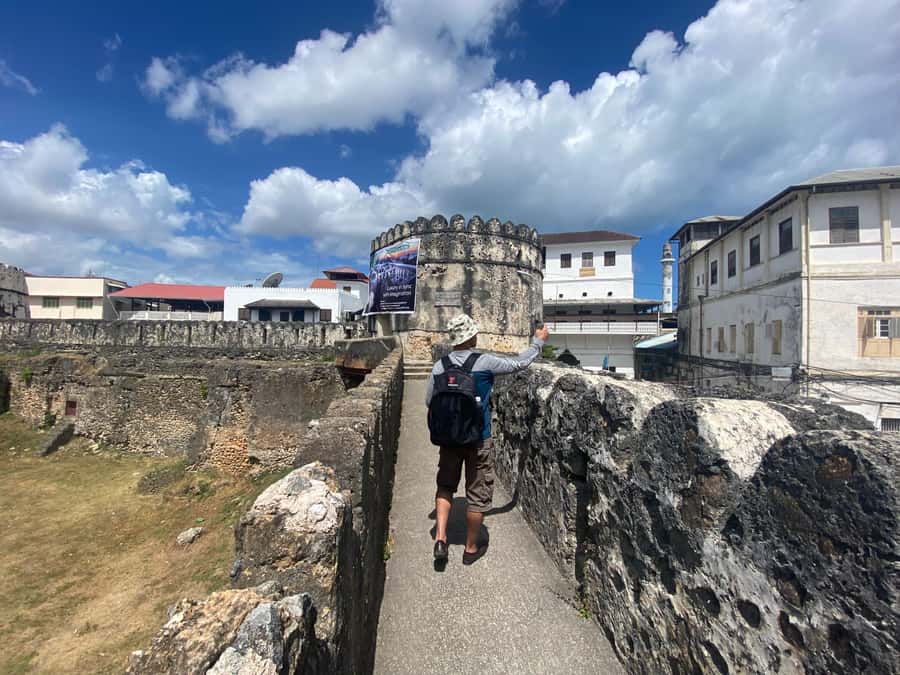
Expect old streets with Arab design details, plus market time around central areas. The tour includes stops connected to major daily life in Stone Town, including:
- Darajani fish market and nearby market activity
- A look at old fort grounds
- Time to see the slave market area (ticket may be an add-on)
- An opportunity to see the Freddie Mercury House
The best way to experience Stone Town is to walk with your eyes open for patterns. Doorways, carvings, and street layouts reflect the city’s mix of influences. If you rush through pictures, you’ll miss the little design tells that make Stone Town feel different from other coastal cities.
When your guide matters: names like Samir, Salum, and Izaac
A big part of whether Stone Town feels overwhelming comes down to the guide. In the way this tour is described, guides are active, upbeat, and willing to keep you moving while explaining what you’re seeing.
Some guides named in the experience include Samir and also Salum and Izaac. One account highlights that Samir brought humor and shared clear context while walking through Stone Town sites and markets, and another notes a strong guide experience generally.
I’d take that as your cue: don’t wander ahead. Stay with the group so you hear the explanations, and so the market environment doesn’t turn into random stall hopping.
Staying safe and avoiding pressure in markets
Stone Town markets can attract pushy sales tactics. The tour’s format—with a guide leading you through key areas—helps keep things orderly.
There’s also an example of a guide stepping in during a tense moment involving a sales pressure or scam attempt near the spice market area. You’ll still want your own common sense: hold your belongings close, don’t let strangers pull you away from your group, and keep payments and decisions calm.
If you want souvenirs, decide what you want before you enter the busiest stalls. Then ask for a price, compare, and bargain. The market is part of the experience, but you control how much of your day becomes shopping.
Price and value: what $50 buys for a 7-hour day
At $50 per person for a roughly 7-hour outing, the value comes from the combination. You’re paying for three main things rolled together:
- Transport via van between the island regions and Stone Town
- Guided time in both the spice farm area and Stone Town
- Spice farm entrance fees and lunch
That’s why the price feels reasonable compared with doing the farm and Stone Town separately on your own. You’re not just buying admission; you’re buying interpretation and timing.
What’s not included matters too. Tips are not included, and the slave market ticket may require an add-on depending on which option you choose. So if you care about that specific stop, confirm the ticket situation ahead of time.
Who this tour suits best (and who should think twice)
This fits best if you want a day that’s active but not chaotic: you like walking, you want a guided explanation, and you’re curious about how spices connect to Zanzibar’s culture. You’ll also enjoy it if you like markets but want a plan rather than wandering alone.
Think twice if you:
- hate basic meal setups (lunch may be simple, possibly even on the floor)
- want a very relaxed day with minimal walking
- dislike any shopping stops, even if they’re optional in practice
Should you book this Zanzibar Spice Farm & Stone Town tour?
Yes—if you want the most practical Zanzibar combo for one day: spice tasting + Stone Town landmarks + market time + lunch with a guide.
Before you book, do two quick checks:
- Confirm your hotel is clearly within the pickup range (matching can be tricky in crowded areas).
- Set expectations for lunch and souvenirs: the meal can be simple, and the market pricing may be negotiable.
If that sounds like your style, this is a strong way to experience why Zanzibar is called the Spice Island—then connect it to the city streets where trade, culture, and architecture still show up every day.
FAQ
How long is the Zanzibar Spice Farm & Stone Town tour?
The total duration is about 7 hours.
Where are the pickup and drop-off locations?
Pickup and drop-off are offered in multiple areas, including Pwani Mchangani, Matemwe, Kizimkazi Mtendeni, Paje, Uroa, Kiwengwa, Nungwi, and Kendwa.
Is hotel pickup and drop-off included?
Yes. Hotel pickup and drop-off are included.
Is lunch included?
Yes. Lunch is included with the spice farm part of the tour.
What spices will I experience at the spice farm?
You’ll taste and smell spices grown on Zanzibar such as turmeric, cardamom, cinnamon, black pepper, cloves, and nutmeg.
Is the slave market ticket included?
The slave market ticket is not included, unless you select an add-on option.
What’s included in the price besides lunch?
You also get a guide, spice farm entrance fees, and transportation as part of the tour.
What language is the tour guide?
The tour guide is listed as English.
Are alcohol or drugs allowed on the tour?
No. Alcohol and drugs are not allowed.