REVIEW · CHIANG MAI
Authentic Thai Cooking Class and Farm Visit in Chiang Mai
Book on Viator →Operated by Oh-Hoo · Bookable on Viator
Few things beat learning Thai food at the source. This half-day outing in Chiang Mai pairs a market ingredient hunt with an organic farm visit, then sends you to cook and eat in an open-air setup.
I like the small-group feel (cap of 12), because you actually get hands-on coaching while you cook. I also love that you’re not just copying recipes: you pick ingredients first, then learn what each herb, vegetable, and spice is doing in the dish. One thing to consider is the day can run a bit past the 5-hour estimate, so don’t book super-tight plans after.
In This Review
- Quick hits
- Entering the Chiang Mai rhythm: market, farm, kitchen
- Price and value: what $48.06 actually buys you
- Meeting point and transfers: keep your plans flexible
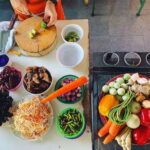
- Shopping the local market: learn what to buy and why
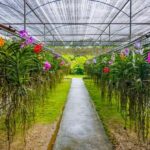
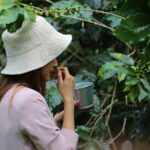
- Organic farm visit: herbs that actually taste like something
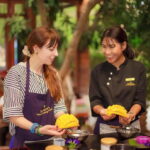
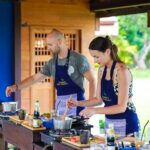
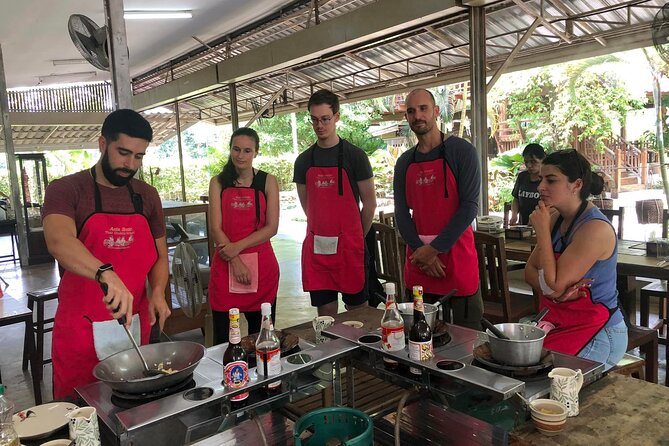
- The open-air cooking class: pick 6 dishes and go hands-on
- Your dish choices
- What to expect while cooking
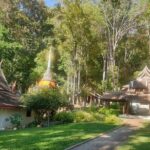
- Lunch in a bamboo hut: eat what you built
- Who should book this cooking class (and who might not)
- Should you book? My straight answer
- FAQ
- How long does the Chiang Mai cooking class last?
- Is pickup included from central Chiang Mai?
- Can I choose which dishes I cook?
- How big is the group?
- Does the tour depend on weather?
- What’s the cancellation policy?
Quick hits
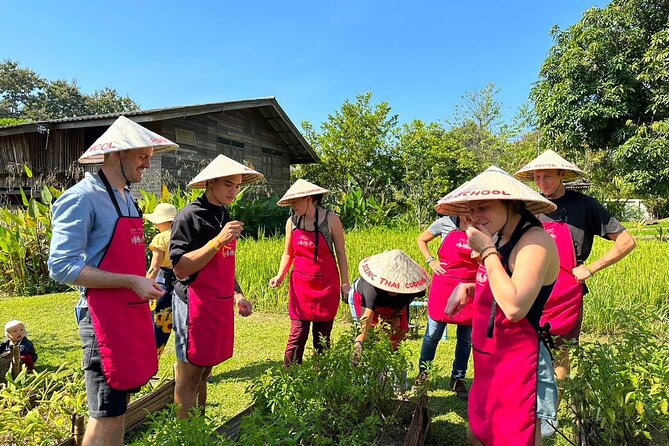
- Market shopping first so you recognize ingredients before you cook with them
- Organic farm time to see (and pick up) fresh herbs and produce
- Pick 6 dishes from a long menu, with sticky rice taught step-by-step
- Open-air kitchen + bamboo-hut meal style so lunch feels part of the experience
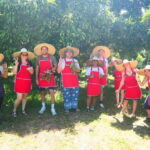
- Small group up to 12 for more personal attention from the chef
Entering the Chiang Mai rhythm: market, farm, kitchen
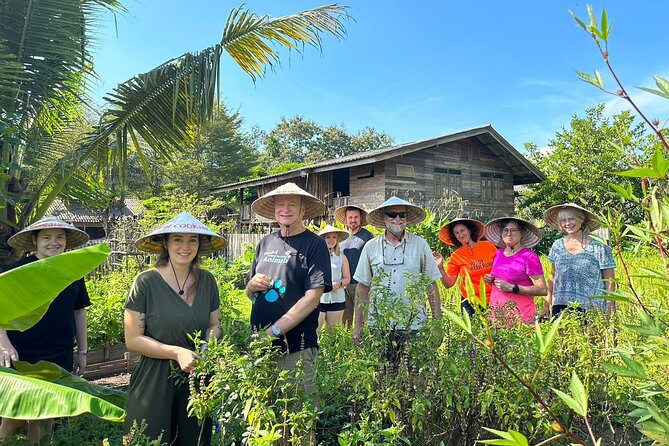
This is the kind of half-day that makes Thai cooking click fast. You start with a market run to understand what locals buy and how ingredients get put together. Then you head to an organic farm, where the food stops feeling abstract and starts looking like something you can name, smell, and use.
The kitchen portion is where the experience gets real. You cook in an open-air kitchen and eat afterward in a locally styled bamboo hut. It’s not just a class with a plated lunch. It’s more like: learn the ingredients, see where they come from, then make dishes that match what you found.
If you enjoy food travel where your hands get dirty (in a flour-and-chili kind of way), you’ll like the pacing.
You can also read our reviews of more tours and experiences in Chiang Mai.
Price and value: what $48.06 actually buys you
At $48.06 per person for about 5 hours, you’re paying for more than instruction. You’re getting guided market shopping, an organic farm tour, transfers, an included welcome snack/fruit, and a meal that you help make. You also get a recipe book, which matters if you want to cook at home without relying on memory.
This isn’t the cheapest food activity in Chiang Mai, but it’s strong value because it packages three steps of the process: ingredients, production, and cooking. And because the group size is capped at 12, the class doesn’t feel like you’re lost in a crowd.
Meeting point and transfers: keep your plans flexible
You meet at Tha Phae Gate (Tha Phae Road). The tour offers pickup from hotels within 3 km of Chiang Mai downtown, and transfers are included from central Chiang Mai. The activity ends back at the meeting point.
One practical tip: you’ll want to confirm your exact pickup time when you receive the message in your app. Even with a set start point, pickup windows can be how these tours keep things running smoothly.
Also, plan your afternoon with a little breathing room. Several people reported the outing runs longer than what’s shown, so don’t schedule a dinner reservation that depends on arriving at the exact minute.
Shopping the local market: learn what to buy and why
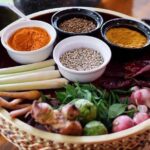
The market stop is more than shopping for your own meal. It’s a quick lesson in Thai cooking logic: herbs and vegetables aren’t decorations, and spices aren’t just heat. They’re flavor systems.
Here’s what you should look for during the ingredient selection:
- Aromatics you’ll use in curry pastes and stir-fries
- Vegetables that hold up (or wilt) depending on cooking time
- Ingredients for salads and soups that taste balanced instead of salty-only
This is where a good guide earns their keep. In past groups, chefs like Chef Nune have been praised for making the process easy and fun, and that shows in how confidently you’ll shop because you understand what each item is for.
If you’re unsure what you’re buying, that’s normal. This part is built to help you get your bearings fast before the stove time starts.
Organic farm visit: herbs that actually taste like something
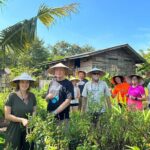
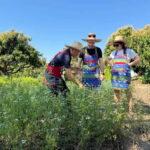
Next comes the organic farm tour. The big win here is seeing the source of flavors before you cook them. Reviews also mention a farm option that includes a drive of about 45 minutes in an A/C minivan, so you get a real change of scenery, not just a quick stop.
On the farm, you can expect to spend time around fresh herbs and produce. It’s the kind of place that makes you pay attention to smell and texture: leaves look different in real life, and you start to understand why Thai food uses herbs in such a hands-on way.
This stop is also a nice mental reset. People described the farm as peaceful, and honestly, that matters when you’re about to cook 5–6 dishes. You want energy for chopping, tasting, and learning.


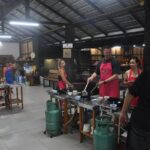
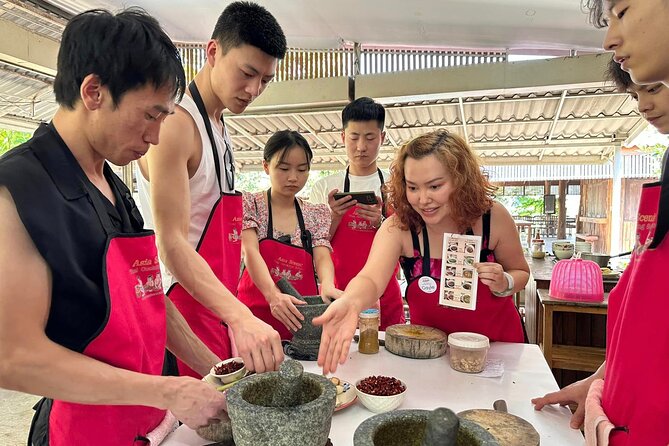
The open-air cooking class: pick 6 dishes and go hands-on
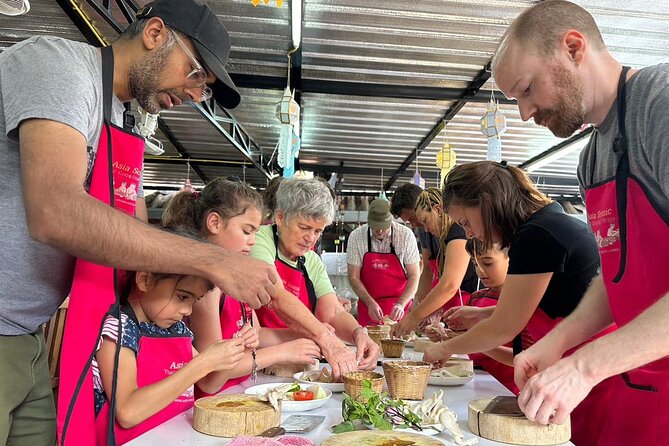
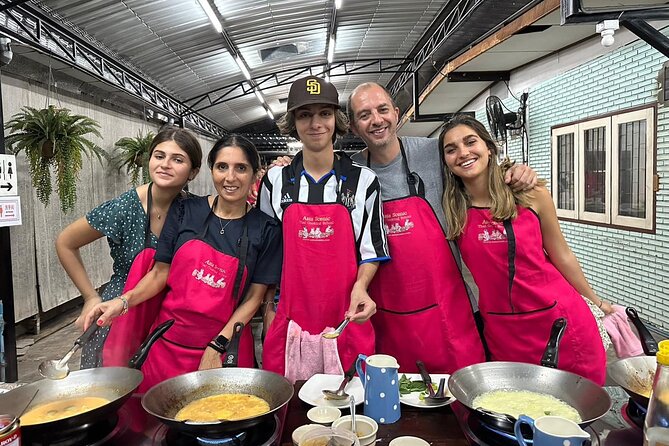
After the market and farm, you cook in an open-air kitchen. You’ll also learn how to make sticky rice, step-by-step. Then you cook up to 6 dishes from the list below (you choose which ones).
Your dish choices
Stir-Fried: Pad Thai, Pad See Uw, Hot Basil Stir Fried, Cashewnut With Chicken
Soup: Coconut Milk Soup, Tom Yum, Tom Sab
Curry Paste: Red, Green, Massaman, Panang, Khaw Soi
Curry: Red Curry, Green Curry, Massaman Curry, Panang Curry, Khaw Soi
Dessert: Deep Fried Banana, Banana in Coconut Milk, Sticky Rice With Mango
Salad: Spicy Chicken Salad, Papaya Salad, Glass noodle Salad
If you want a starter-friendly strategy, choose a mix:
- One stir-fry (fast flavor payoff)
- One curry paste or curry (learning the base flavors)
- One soup or salad (balance and freshness)
- One dessert if you want the full Thai meal arc
What to expect while cooking
You’ll follow the instructor’s flow for chopping, seasoning, and cooking. The class format gives you enough structure to succeed even if you’re a beginner. People highlighted that zero-cooking-skill doesn’t stop you here, because you’re guided through the process.
In several classes, chefs like Tommy and instructors like Olive were singled out for energy and humor. That matters because Thai cooking can feel intimidating if the teacher just talks at you. Here, the vibe is built around helping you do it yourself.
And yes, you’ll taste as you go. That’s the fastest way to learn why a dish works.
Lunch in a bamboo hut: eat what you built
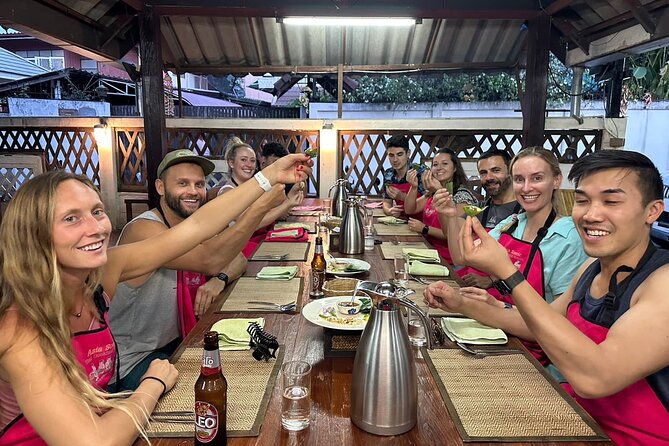
Once your dishes are done, you eat your meal afterward in a locally styled bamboo hut. This is one of those details that makes the food feel like a complete experience instead of a quick demo.
Also, plan your appetite. One common tip was to not eat beforehand, because you’ll want room for the lunch you helped make. You’ll get a welcome snack or fruit too, but it won’t replace a real meal.
If you’re the type who likes to understand flavor, you’ll probably notice something right away: homemade Thai food tastes brighter when you know which ingredient you added and why. That’s the difference between watching someone cook and cooking it yourself.
Who should book this cooking class (and who might not)
This is a great match if you:
- Want a first Thai cooking class in Chiang Mai that covers more than one dish
- Like practical learning: market → farm → kitchen
- Prefer smaller groups (max 12) so you can ask questions
- Travel solo and want a friendly group setting (people reported feeling comfortable as a solo traveler)
It might be less ideal if you:
- Have a super tight schedule right after your class (some groups run longer than expected)
- Don’t like market time or farm time and only want the cooking (this tour is built around the full flow)
- Are sensitive to weather changes, since the experience requires good weather
Should you book? My straight answer
Book it if you want Thai cooking you can actually repeat. The market ingredient hunt plus the organic farm stop make the cooking feel grounded, and the class structure (choose 6 dishes, cook in an open-air kitchen, eat in a bamboo hut) gives you a full half-day experience for a reasonable $48.06.
Skip it only if you’re looking for a purely indoor cooking workshop and you can’t risk a slightly longer-than-expected schedule. Otherwise, this is a solid, hands-on way to learn Thai flavors in Chiang Mai without it turning into a rushed checklist.
FAQ
How long does the Chiang Mai cooking class last?
The experience runs for about 5 hours.
Is pickup included from central Chiang Mai?
Yes. Pickup is offered from hotels within 3 km of Chiang Mai downtown, and transfers are included. The activity ends back at the meeting point.
Can I choose which dishes I cook?
Yes. You can choose 6 dishes from the listed options, including stir-fries, soups, curries/curry pastes, salads, and desserts.
How big is the group?
The group is limited to a maximum of 12 travelers.
Does the tour depend on weather?
Yes. The experience requires good weather. If it’s canceled due to poor weather, you’ll be offered a different date or a full refund.
What’s the cancellation policy?
You can cancel for a full refund up to 24 hours in advance. If you cancel less than 24 hours before the start time, the amount paid is not refunded.