Learning Thai cooking starts with one small decision.
At The Rice Barn Thai Cooking Farm Chiangmai, you’re not just watching from the sidelines—you’re cooking at your own station while a chef guides you through classic flavors and the ingredients behind them. The course is built around fresh, time-sensitive cooking, which explains why Thai food can taste so different from one place to another.
Two things I really like: first, the class is hands-on for each person, so you actually make dishes instead of collecting tips on how to make dishes. Second, you get a short market stop that helps you connect ingredients to flavor, not just memorize recipes.
One consideration: you’ll want to plan for an active, full 6-hour session out of your normal routine, and alcohol isn’t included (you can buy it at the school, if you want).
In This Review
- Key Highlights You Should Care About
- How the Rice Barn Cooking Class Really Works (And Why It Matters)
- The Flow of Your Day: Pickup to Market to the Kitchen
- Picking the Right Menu: Five Options, Different Outcomes
- Market Walk: Spot Ingredients Like a Thai Cook
- Hands-On Cooking Stations: No Experience Required, Real Practice Included
- What You’ll Cook: Classic Thai Dishes, Built Around Technique
- Coffee, Food, and Materials: What Is Included (and What Isn’t)
- Value Check: Is $29.35 a Good Deal?
- Group Size and the Pace You Can Expect
- Practical Tips Before You Go (So You Enjoy Every Part)
- Who This Cooking Class Is Best For
- Should You Book The Rice Barn Thai Cooking Farm?
- FAQ
- How long is the cooking course?
- Is pickup offered from hotels in Chiang Mai?
- What’s included in the price?
- Is alcohol included?
- Do I need cooking experience?
- Is there a limit to group size?
- What tickets do I receive?
- Where does the tour start and end?
- What is the cancellation policy?
Key Highlights You Should Care About
- Market stop first, so ingredients make sense before the cooking starts
- Hands-on station for each person, no experience needed
- Choose from five different menus, so the day feels varied
- Chef-led instruction with a fun, engaging teaching style
- Pickup and drop-off available, which lowers the friction in Chiang Mai
How the Rice Barn Cooking Class Really Works (And Why It Matters)
This is the kind of Thai cooking class that feels practical, not performative. The big idea is simple: Thai food tastes like Thai food because of ingredient freshness and timing, not because everyone uses the same list of spices forever. If you learn what to look for and when to add things, you can recreate the taste at home.
You’ll start with guidance that connects flavor to shopping. Then you’ll move back to the kitchen area and cook from there, step by step. The class is designed so you’re not relying on luck or imitation—you’ll be working through techniques with help nearby.
And the pacing is built for results. The sessions run about 6 hours, which is long enough to do real cooking, not just a quick tasting. At the end, you should feel more confident taking on Thai dishes in your own kitchen, even if you’ve never cooked Thai before.
You can also read our reviews of more tours and experiences in Chiang Mai.
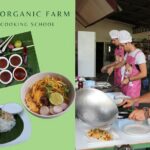
The Flow of Your Day: Pickup to Market to the Kitchen
Most people in Chiang Mai want a class that doesn’t feel like a logistics puzzle. Here, air-conditioned vehicle pickup is offered, and the activity ends back at the meeting point. That means you’re not stuck figuring out transport after a hands-on experience that leaves you hungry and smelling like garlic.
Once you’re settled, your teacher takes you through the market and back to the comfort of the kitchen. The point of the market isn’t to speed-run photos—it’s to show you the ingredient choices that affect flavor. You also get an introduction to essential Thai cooking ingredients, which is especially helpful if your pantry at home doesn’t match what Thai recipes assume.
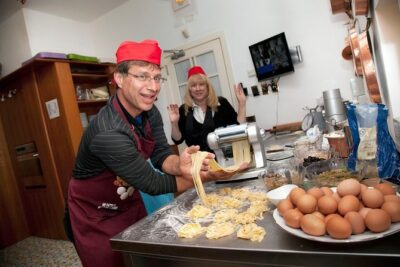
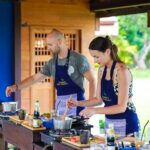
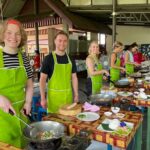
Then comes the part that people usually come for: you’ll cook. The course is completely hands-on, and each person works at their own cooking station. That layout matters. When you’re standing next to your own wok and mise en place, you learn faster because you’re actively testing what the chef is explaining.
Picking the Right Menu: Five Options, Different Outcomes
A lot of Thai classes feel the same because the dishes repeat. Here, you can choose from five different and varied menus, which helps you match the class to what you actually want to eat.
If you’re a beginner, it’s easier to stay engaged when you’re excited about the dishes on the list. If you’re more confident, the menus give you variety so you’re learning multiple techniques rather than repeating one style of cooking all day.
This also changes how you think about Thai food. Instead of seeing it as a single cuisine, you start to notice how Thai cooking shifts based on ingredients, textures, and heat control. That’s the real takeaway you can use when you cook later.
Market Walk: Spot Ingredients Like a Thai Cook
The market stop is short, but it’s the learning engine of the class. Your teacher walks you through ingredients and explains why Thai dishes taste the way they do. You’re not just hearing about herbs and sauces—you’re learning how these ingredients function together.
One practical benefit: you get a clearer sense of what to buy. Thai cooking often depends on items that are easy to overlook if you only shop by recipe names. Seeing them in context helps you understand substitutions later, too—at least enough to know what matters most.
Also, this part sets your expectations for the kitchen. When you’ve handled ingredients and heard what makes them fresh, cooking doesn’t feel like following instructions in a cookbook. It feels like making decisions that affect the final flavor.
Hands-On Cooking Stations: No Experience Required, Real Practice Included
This class is set up so you don’t have to be a cook to participate. You command your own cooking station, which is a big deal for learning. It means you can repeat what you’re doing, ask questions in the moment, and adjust as the chef corrects technique.
I like this model because it avoids the common problem in cooking classes: you watch while someone else cooks. Here, you’re cooking. That’s why the experience feels educational and entertaining, not just instructional.
One review highlighted that each class is taught by two chefs and that the instructors use humor to keep things light. Expect the session to feel upbeat and interactive, not stiff. That tone helps when you’re learning unfamiliar flavors and timing.

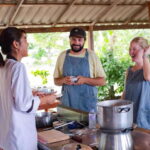

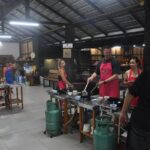
What You’ll Cook: Classic Thai Dishes, Built Around Technique
Your kitchen lesson focuses on classic Thai cuisine, not random “Thai-inspired” dishes. The aim is to show you traditional-style cooking and the choices behind it—particularly freshness and timing.
The courses can be substantial. One recent experience described cooking 5 courses of meals, which tells me the format is meant to deliver a full Thai food experience, not just a couple of small samples. You can expect multiple dishes made during the course, with ingredients provided and materials included.
Even if you don’t remember every step perfectly, you’ll remember the technique anchors:
- how you build flavor in the pan,
- when to balance sweet, sour, salty, and spicy,
- and how ingredient freshness affects aroma and taste.
That’s the kind of learning that travels home with you.
Coffee, Food, and Materials: What Is Included (and What Isn’t)
Included in the experience are coffee and/or tea, food and materials, and an air-conditioned vehicle. That set of inclusions matters because it reduces the add-on costs that can creep into half-day experiences.
What’s not included is alcoholic beverages. The good news is you can buy alcohol at the cooking school if you want it. If you’d rather keep costs down, you can stick with the coffee/tea included and still get a full meal out of the class.
Also, one simple tip from experience: bring some Thai baht in cash for small extra things. Even when an activity is priced upfront, schools sometimes sell add-ons or drinks during the experience.
Value Check: Is $29.35 a Good Deal?
At $29.35 per person for a roughly 6-hour Thai cooking class with market time, hands-on stations, and instructors guiding you through multiple dishes, the value is strong.
Here’s why: you’re paying for several things at once—
- teacher-led market learning,
- ingredient access and kitchen setup,
- real cooking practice (not observation),
- and transport by air-conditioned vehicle with pickup/drop-off.
Food and materials are included, so you’re not stuck paying extra once you arrive hungry. For a Chiang Mai activity, the price also fits well if you’re trying to balance cultural experiences with practical ones.
One note: if you plan to buy alcohol or extra items, your total cost will rise. But that’s optional. The core meal and instruction are already in the price.
Group Size and the Pace You Can Expect
The group is capped at a maximum of 20 travelers. That’s a sweet spot for learning. It’s large enough to create energy, but small enough that chefs can still check in without rushing everyone.
The hands-on station format also helps. With each person working at their own setup, you’re not waiting in a long line for a turn. You’ll keep moving, and you’ll stay involved as you cook dish after dish.
Practical Tips Before You Go (So You Enjoy Every Part)
A class like this goes smoother when you’re prepared for an active morning or evening. I’d treat it like a meal-and-learning event, not a quick tour stop.
- Wear comfortable clothes you don’t mind getting splashes on.
- Bring cash in baht for small extra purchases, just in case.
- If you’re sensitive to spice, say something early so the chef can guide you on how to adjust heat.
If you’re traveling solo or with friends, this setup tends to work well because everyone is busy cooking. You get conversation, but you’re not stuck waiting around for your dish to be done.
Who This Cooking Class Is Best For
This experience fits a lot of travel styles, especially if you want something tangible.
You’ll probably love it if:
- you like hands-on learning,
- you want a real Thai meal you can repeat later,
- you enjoy market experiences that teach you what to buy,
- you’re traveling with friends or family and want shared activities.
It’s also a great choice if you’re nervous about cooking. The course is structured for beginners, and the instructor support helps you move from uncertainty to confidence.
Should You Book The Rice Barn Thai Cooking Farm?
If your goal in Chiang Mai is to take home more than photos—something you can actually use—this is an easy yes. The hands-on cooking station setup, the market ingredient context, and the full 6-hour schedule create a day that feels worth the time. At $29.35, the value is hard to ignore, especially with food and materials included.
The only reason I’d hesitate is if you’d rather do a passive sightseeing day or you strongly prefer not to cook at all. But if you’re open to getting your hands involved, you’ll leave with knowledge, confidence, and a meal you helped make.
FAQ
How long is the cooking course?
The experience runs about 6 hours.
Is pickup offered from hotels in Chiang Mai?
Pickup is offered, and the activity includes air-conditioned vehicle transport.
What’s included in the price?
Included are coffee and/or tea, food and materials, and air-conditioned vehicle transport.
Is alcohol included?
No. Alcoholic beverages are not included, though you can buy them at the cooking school.
Do I need cooking experience?
No. The course is designed so you can learn without prior cooking experience.
Is there a limit to group size?
Yes. The maximum group size is 20 travelers.
What tickets do I receive?
You receive a mobile ticket.
Where does the tour start and end?
It starts at The Rice Barn Thai Cooking Farm Chiangmai, 3 100 Tambon San Phi Suea, อ.เมือง Chang Wat Chiang Mai 50300, Thailand, and ends back at the meeting point.
What is the cancellation policy?
Free cancellation is available up to 24 hours in advance for a full refund. If you cancel less than 24 hours before the start time, the amount paid is not refunded.