REVIEW · CHIANG MAI
Baan Farm Thai Cooking School Chiangmai
Book on Viator →Operated by Baan Farm Thai Cooking School · Bookable on Viator
The best Thai cooking lessons start with shopping. At Baan Farm Thai Cooking School in Chiang Mai, I love how Kru Ploy turns ingredient knowledge into real cooking skills—so you learn what to look for before you ever touch the stove. It’s not a lecture tour; the ingredient lesson feeds directly into what you cook next.
One of my favorite parts is the rhythm of the day: pickup in the Old City area, a quick market stop, then a drive out to the farm where you grab fresh ingredients from their garden. After that, you cook a full set of dishes—because you choose 1 item from each menu category, for 5 dishes per person.
The main thing to keep in mind is timing and weather. This is about 4 hours, and the experience requires good weather—so if it’s not working outside, the plan can change and you might be offered a different date.
In This Review
- Key highlights you should know before you go
- Meet Kru Ploy: Why this class feels practical, not performative
- Old City pickup and the local market stop for real ingredient context
- Choosing 5 dishes: the menu system that keeps you in control
- The farm garden ingredient pickup: fresh, calm, and surprisingly motivating
- Inside the cooking stage: what you’re actually learning
- What you eat: brunch, lunch, dinner, and the value of eating what you make
- Transportation and timing: how the day usually runs
- Price and logistics: is $30.98 per person actually a good deal?
- Who should book Baan Farm Thai Cooking School (and who should reconsider)
- Final verdict: should you book this Chiang Mai cooking class?
- FAQ
- FAQ
- How long is the cooking course?
- Is hotel pickup offered, and where does it start?
- How many dishes do I cook during the class?
- Does the menu include vegan options?
- Is the market visit included?
- Are meals and drinks included in the price?
- Are alcoholic drinks included?
Key highlights you should know before you go
- Kru Ploy teaches hands-on, including how to check if ingredients are fresh before cooking
- Market stop with tastings (fruit and snacks), plus time to shop for flavors you like
- Garden-to-kitchen ingredients once you reach the farm
- Choose your own 5-dish menu, with vegan options available
- Pickup offered and capped at 20 travelers for a more personal feel
Meet Kru Ploy: Why this class feels practical, not performative
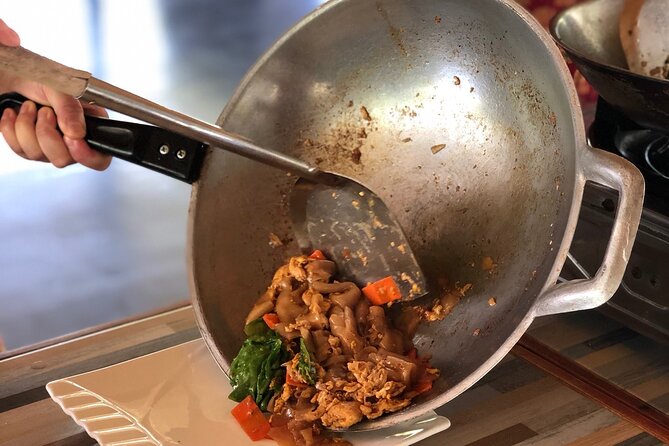
Baan Farm Thai Cooking School is built around one idea: if you understand Thai ingredients, the dishes come together faster. The course starts with an ingredient-focused segment, and Kru Ploy (the owner and teacher) runs it with a very direct, teach-you-while-you-do energy. You’re not just watching someone else cook; you’re learning how to pick, prep, and handle key components.
One of the most useful parts is learning how to tell if ingredients are fresh. That might sound basic, but in Thai cooking it matters—herbs, vegetables, and aromatics change the whole flavor profile. I like that the lesson is grounded in what you can actually use in the kitchen, right away.
The class is also designed to reduce guesswork. You’ll learn how ingredients are prepared in the school kitchen, then you apply that knowledge during the cooking portion. That structure is one reason the results feel consistent, even if you’re not an experienced home cook.
You can also read our reviews of more tours and experiences in Chiang Mai.
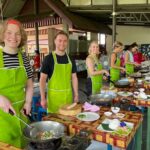
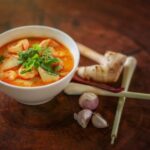
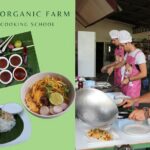
Old City pickup and the local market stop for real ingredient context
If you’re staying in Chiang Mai’s Old City, you’ll appreciate the simplicity of the pickup. The start point is in the Old City area, and pickup is offered, so you’re not stuck figuring out farm transportation on your own.
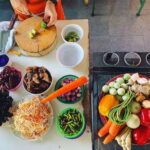
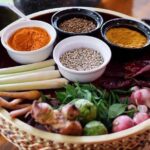
Then comes the market stop, usually a little after pickup—about 30 minutes—where the goal is to give you ingredient context. You’ll see and learn about items you might not recognize at first, especially Thai herbs and Asian vegetables. This is where the class becomes more than a cooking workshop. It helps you understand what ingredients do in the dish, not just how to assemble them.
You’ll also taste along the way. Expect fruit and snacks at the market, plus a welcome drink and snacks as part of the experience. The tastings matter because they train your palate before you start cooking, so you have a clearer sense of sweetness, acidity, and freshness when you’re later adjusting flavors in your own dishes.
A practical bonus: if there’s something you really liked in the market (including curries you might want to take home), you’ll have the chance to buy it during the stop. That makes the day feel more connected to real daily Thai food shopping.
Choosing 5 dishes: the menu system that keeps you in control
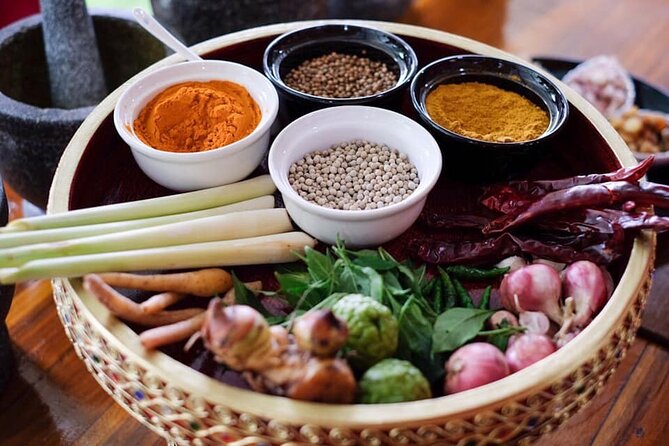
This is one of the standout parts. You choose dishes from a menu where you pick 1 dish from each category, resulting in 5 dishes per person. So instead of committing to a fixed list you might not care about, you steer the day toward what you want to eat and learn.
That choice is also what makes the class good value. You’re not paying for a generic experience—you’re paying for a full cooking workload that ends with multiple dishes you picked. Even better, vegan options are available, so you can still build a menu that matches how you want to eat.
In practical terms, the menu system also helps the kitchen flow. With a set total of five dishes, the staff can plan ingredient prep and guide you through the steps without chaos. You still get choice, but the experience stays organized.
The farm garden ingredient pickup: fresh, calm, and surprisingly motivating
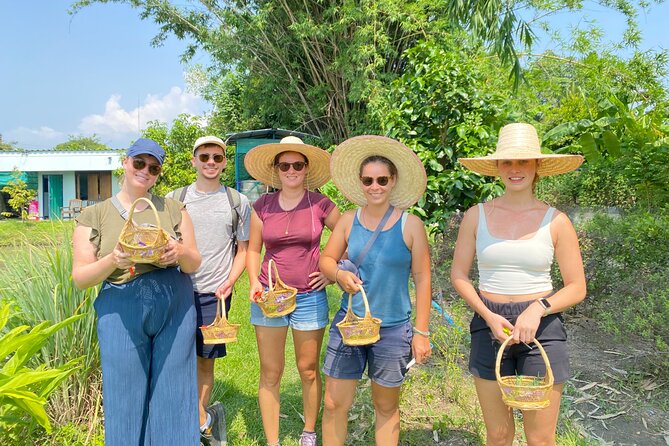
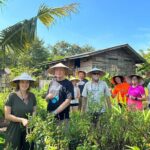
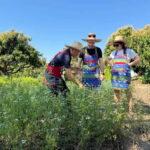
After the market, you’ll head to the cooking school and pick up ingredients from their garden. This is one of those moments that makes the whole experience feel grounded. You’re not just being told what’s fresh—you’re seeing where ingredients come from.
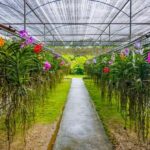
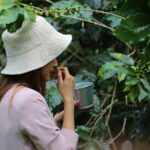
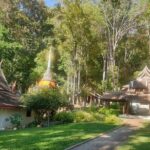
The farm setting also adds a nice change of pace from the city. People often want cooking classes in Chiang Mai, but many are purely kitchen-based. Here, the garden step brings a more peaceful, outdoorsy feeling into the day, and it helps you understand ingredient freshness in a sensory way—smell, color, and texture.
The group size is capped at 20 travelers, which helps keep things moving. You’re less likely to get lost in a crowd, and you can get attention if you need help with chopping, seasoning, or adjusting consistency.
Inside the cooking stage: what you’re actually learning
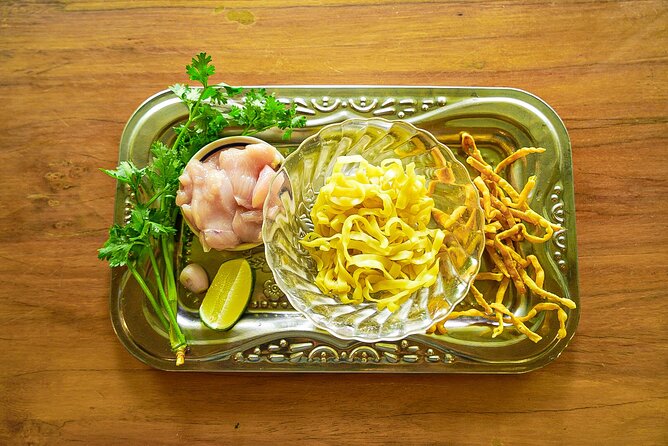
The cooking portion is where the class earns its keep. The first part of the course focuses on ingredients and prep, so by the time you start cooking, you’re not starting from zero. You’ll learn methods that connect to the dishes you selected.
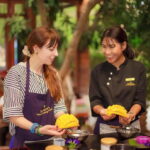
A hands-on kitchen usually means you’ll be doing real tasks: chopping herbs, prepping vegetables, managing sauces, and putting together flavor combinations. The teaching style is very direct—Kru Ploy and staff guide you through what to do and why, especially around ingredient freshness and proper prep.
This matters for anyone who’s ever taken a cooking class and left with a recipe but not a clear sense of technique. Here, the ingredient lesson supports the cooking lesson, so you’re more likely to recreate the dishes later without needing to guess.
Also, this class is structured enough that it works even if you’ve cooked Thai food only occasionally. You’ll still have support, but you won’t be stuck waiting for someone else to do everything.

What you eat: brunch, lunch, dinner, and the value of eating what you make
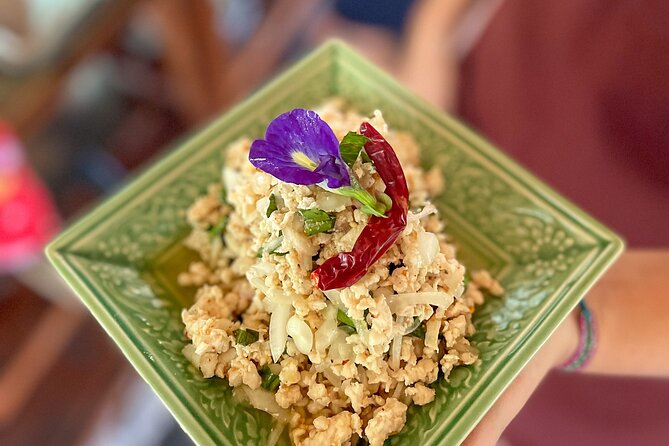
You’ll eat during the experience, and the course includes the cooking for those meals. The inclusions list mentions brunch and lunch for morning sessions, and dinner for afternoon sessions. In other words: you’re not just learning, you’re also eating a full meal set as part of the class.
Coffee and/or tea are included too, along with bottled water. That’s helpful when you’re going from market tastings to active cooking—hydration and a warm drink make the whole day feel less rushed.
The menu choice also makes the meal more satisfying. If you selected dishes you genuinely want to eat, you’re more likely to enjoy the whole outcome, even if some dishes use ingredients you’re less familiar with.
One more nice detail from the experience vibe: some people end up taking dishes home. The takeaway aspect shows up in how the class ends, so if you choose options you want for later, you may have a chance to bring some food with you. Just plan to ask the staff at the end of your session what’s possible with leftovers and takeaway.
Transportation and timing: how the day usually runs
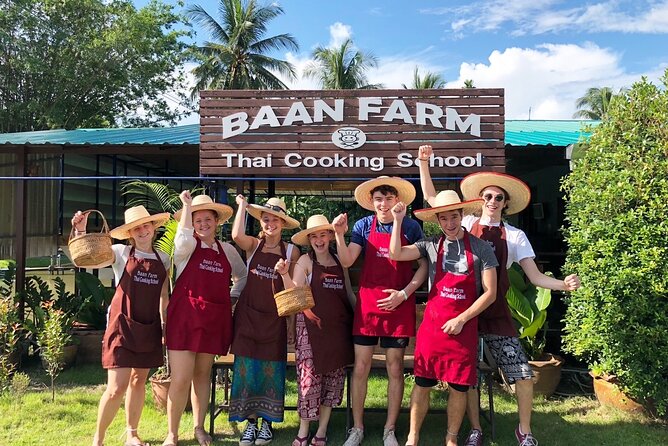
This tour is listed at about 4 hours. That’s a sweet spot. It’s long enough to cover market context plus a meaningful cooking session, but short enough that you can still enjoy the rest of your Chiang Mai day.
Pickup is part of the plan, and it’s especially convenient if you’re in or near the Old City. One practical advantage of the shorter duration: you don’t have to surrender your whole day to a cooking class.
There’s also a weather factor. The experience requires good weather, which matters because you’ll be going to the market and then into a garden/farm setting. If weather looks iffy, I’d treat the class like something that might shift, rather than assuming everything will be outdoors nonstop.
Price and logistics: is $30.98 per person actually a good deal?
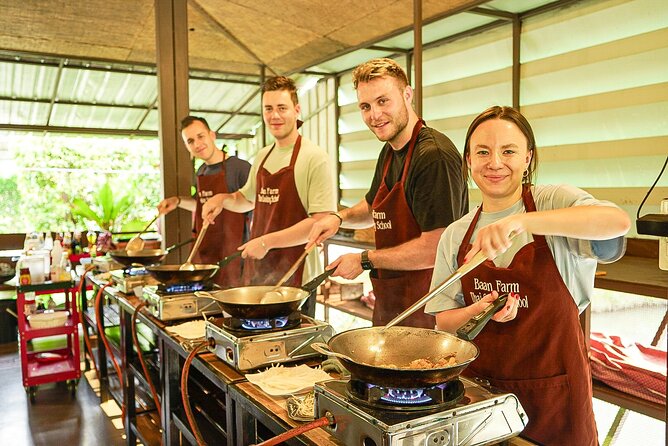
At $30.98 per person, this class is priced like a solid bargain compared to many cooking experiences that only cover one or two dishes. Here, the structure supports value in three ways.
First, you cook five dishes total per person (based on choosing one from each category). That’s a lot of kitchen time and output for the price. Second, the day includes multiple components—market tastings, coffee/tea, and meal cooking—so you’re not paying extra just to eat what you make. Third, pickup is offered, which reduces the cost and effort of getting to the farm area.
The small catch is that this is a half-day format. If you’re the kind of traveler who wants a slow, deep, all-day immersion, you might wish it lasted longer. But if you want a fun, structured Thai cooking experience with clear results in a manageable time window, the price-to-output ratio is strong.
Who should book Baan Farm Thai Cooking School (and who should reconsider)
I think this class works best for a few types of travelers.
- Food-curious travelers who want to learn why Thai ingredients taste the way they do, not just how to cook one dish.
- Beginners who like step-by-step guidance and need technique support, especially with ingredient prep.
- Vegans or flex vegetarians who want Thai cooking but need a menu that can fit a vegan approach.
If you’re already an advanced Thai cook who wants very deep, specialized technique sessions, you might find five-dish structure feels more standard than highly technical. But even then, the market + ingredient freshness training is useful, and the ingredient shopping context helps you understand what to buy when you return home.
Also, if you’re traveling at a time when rain is likely, keep your expectations realistic. Good weather is required, and the plan may adjust if conditions aren’t right.
Final verdict: should you book this Chiang Mai cooking class?
I’d book Baan Farm Thai Cooking School if you want a fun, organized cooking day with a real ingredient lesson plus a market stop that gives context. The biggest wins for me are the hands-on teaching by Kru Ploy, the chance to choose five dishes, and the smooth flow from Old City pickup to market to garden ingredients.
If you want to take home more than just photos—if you want to understand how to judge freshness and build flavor—this is the kind of class that actually helps after the trip. For the price, you’re getting a lot of food, a lot of instruction, and a day that feels genuinely Thai, from market stalls to farm garden harvest.
FAQ
FAQ
How long is the cooking course?
The duration is listed as approximately 4 hours.
Is hotel pickup offered, and where does it start?
Pickup is offered, and the start point is in the Old City area of Chiang Mai.
How many dishes do I cook during the class?
You choose 1 dish from each category on the menu, which adds up to 5 dishes per person.
Does the menu include vegan options?
Yes, vegan options are available.
Is the market visit included?
Yes. The plan includes a stop at a local market where you’ll learn about ingredients and do tastings.
Are meals and drinks included in the price?
Yes. The experience includes coffee and/or tea, snacks, and meal cooking (the inclusions mention brunch/lunch for morning classes and dinner for afternoon classes), plus bottled water.
Are alcoholic drinks included?
No. Alcoholic beverages are not included.