REVIEW · CHIANG MAI
Half-Day Thai Cooking Class at Organic Farm in Chiang Mai
Book on Viator →Operated by Smile Organic Farm Cooking School · Bookable on Viator
A half-day Thai cooking class in the countryside can feel like a day-long win. This one pairs an organic farm visit with real hands-on cooking from scratch, plus round-trip hotel transfers so you do not waste energy on logistics. The best part is choosing your own menu for multiple dishes, guided by instructors like Lilli, Luna, Love, K, Cici, and Natalie. The main thing to watch: you will likely eat a lot, so come with a light appetite.
What I like most is the structure: you start with a quick market visit, then learn the ingredients in the organic garden, and then you cook in five core categories. You also get control over the outcome, since you can decide if your dishes are spicy or mild and choose vegan or vegetarian versions. The only drawback I’d flag is that the half-day timing can feel full, so plan your evening with breathing room.
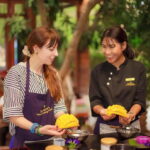
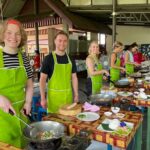
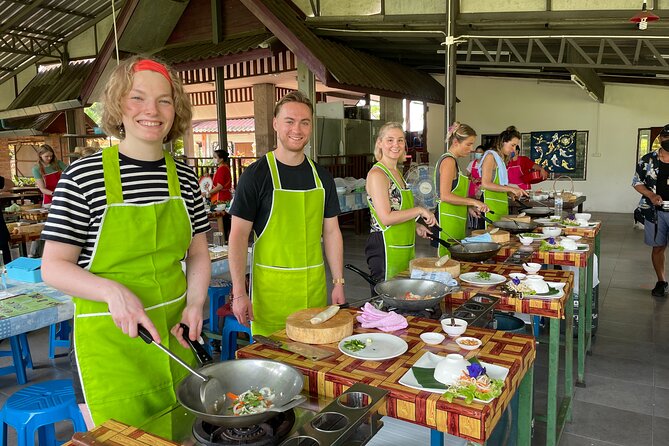
With a maximum group size of 12, the class stays manageable and the pacing usually works well. You are not just watching; you are doing the chopping, grinding, and stirring. If you hate heavy meals, you will want to pace yourself during the communal tasting.
In This Review
- Key things that make this class special
- Why the organic-farm setting changes your Thai cooking
- Hotel pickup and the quick market stop for Thai ingredients
- Smile Organic Farm Cooking School: garden time and how the kitchen works
- Cooking curry paste and beyond: five dish categories that teach you technique
- Curry paste: where flavor starts
- Curry: turning paste into a complete dish
- Stir-fry: fast cooking, big payoff
- Soup: fresh flavor without the heaviness
- Spring rolls: the crunch factor
- Vegan or vegetarian menus and choosing spicy or mild
- The tasting meal: communal, organized, and very filling
- How the instructors shape the experience (and why energy matters)
- Price value: what $29.35 buys you in Chiang Mai terms
- Who should book this class, and who might skip it
- Should you book the Thai cooking class at Smile Organic Farm?
- FAQ
- How long is the Thai cooking class at Smile Organic Farm in Chiang Mai?
- Does the experience include hotel pickup and drop-off?
- Is there a mobile ticket for this activity?
- Can I make the dishes vegan or vegetarian?
- Can I choose how spicy my food is?
- Are there age rules for children?
- What is the cancellation policy?
Key things that make this class special
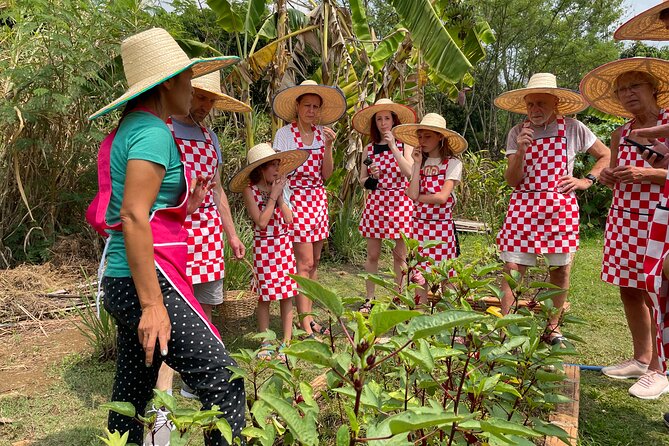
- Organic farm learning, not just cooking: you tour the herb and vegetable areas before you start cooking.
- You pick the menu for each category: curry paste, curry, stir-fry, soup, and spring rolls let you shape your meal.
- Real technique practice: chopping, grinding, and stir-frying are part of the process, not a token demo.
- Spice control: you can make dishes mild or spicy based on your comfort level.
- Vegan or vegetarian-friendly: every menu option can be adjusted to fit plant-based preferences.
- Small group setup (up to 12): the format helps keep instructions clear and cooking stations organized.
Why the organic-farm setting changes your Thai cooking
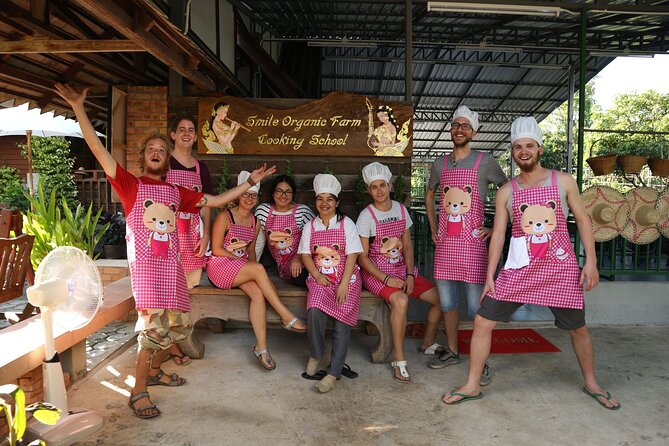
Thai cooking classes are common in Chiang Mai. What makes this one feel different is the order of operations: you see where key ingredients come from, then you cook them while it is still fresh in your brain.
The experience is built around Smile Organic Farm Cooking School, so it’s not just an attached kitchen. You get a garden walkthrough that’s meant to connect herbs and vegetables to flavor, which helps when you later try to recreate dishes at home. And because you are cooking multiple categories, you get a sense of how Thai cuisine builds flavor in layers, not just one dish at a time.
You can also read our reviews of more tours and experiences in Chiang Mai.
Hotel pickup and the quick market stop for Thai ingredients
You start with pickup from your hotel or accommodation in Chiang Mai city. The transfers are round-trip, which matters more than it sounds, because Chiang Mai traffic and timing can turn a “half-day” plan into a stress test.
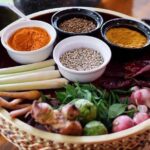
Before heading to the farm, you make a brief stop at a local market. This is where the class sets you up for success: you see the herbs, vegetables, and spice components that you will later recognize in your cooking station. If you are the type who likes to know what you are buying and why, this market moment is genuinely useful, not filler.
One consideration: a couple of participants have questioned whether the market stop is necessary. If you already know Thai markets well or you want maximum farm time, just know the schedule includes this market segment before you arrive at the cooking school.
Smile Organic Farm Cooking School: garden time and how the kitchen works
When you arrive at the cooking school, the team explains the menu plan for the class. Then you choose what you will cook in each category, which is a smart way to keep the experience feeling personal instead of one-size-fits-all.
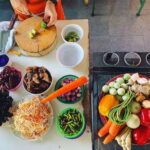
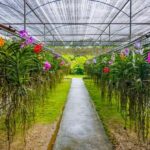
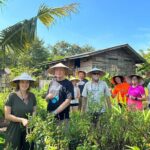
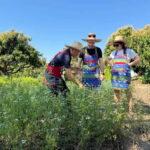
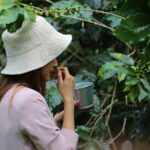
Next comes the garden learning. This is where you get the chance to spot Thai herbs and vegetables growing in an organic setting, then connect them to what you will taste and cook. People also highlight that the whole setup is organized, including outdoor or open-air cooking spaces and stations that make it easier to follow along even with a group.
Because the group max is 12, you’re less likely to feel lost. In practice, most classes like this can get chaotic with bigger groups, but this one is designed to keep the instructions and workflow tight. That’s a big deal when you’re doing tasks like grinding spices or working through a multi-step curry paste.
Cooking curry paste and beyond: five dish categories that teach you technique
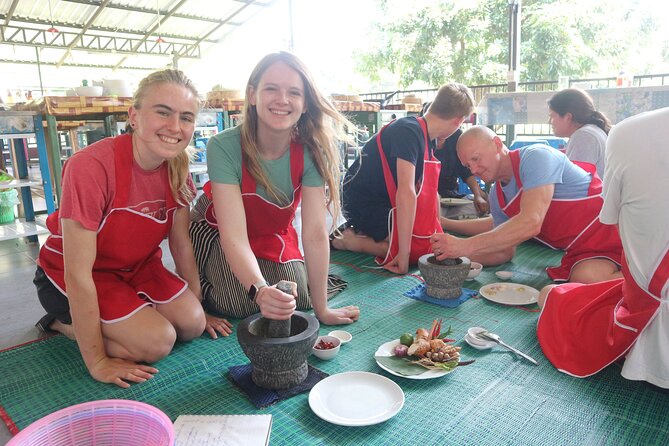
This is the heart of the class. You learn basic Thai cooking across five categories:
- Curry Paste
- Curry
- Stir-fried dish (typically listed as Stir-Fried)
- Soup
- Spring Roll
What I like about this structure is that it trains your palate and your hands. Curry paste is not just a sauce step; it’s the flavor foundation. Once you understand how paste becomes curry, it’s easier to see why Thai cooking tastes the way it does.
Curry paste: where flavor starts
Curry paste is often the part that feels intimidating in Thai food. Here, you get guided practice, including tasks like grinding and combining ingredients. You’ll also learn how curry paste links to the next step, so it stops feeling like a mysterious shortcut.
This category is also where you feel the payoff fastest. Once your curry paste smells right and looks right, you’re more confident for the curry stage.


Curry: turning paste into a complete dish
After curry paste, you move into cooking curry itself. This stage helps you understand how simmering and balance create the final flavor. You’ll be cooking in your chosen menu format, and you can typically steer the spice level, since the class allows mild or spicy versions.
Stir-fry: fast cooking, big payoff
Stir-fry teaches you timing and heat control. It’s usually the category people enjoy because it’s hands-on and moves quickly. You get to experience how Thai flavors work even when you’re not simmering for a long time.
Soup: fresh flavor without the heaviness
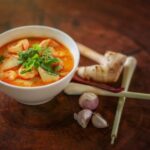
The soup segment gives contrast to curry-heavy flavors. Soup can feel lighter, but it still uses Thai aromatic ingredients in a way that makes the meal feel cohesive.
One small note: some participants have wished for dessert instead of soup within the half-day flow. If you love finishing a meal with something sweet, just know the menu is built around those five cooking categories and the final tasting set.
Spring rolls: the crunch factor
Spring rolls round out the class with a different skill set. You’re working with the texture side of Thai cooking, not just sauce and aroma. It’s also a crowd-pleaser, which helps the whole experience land well.
Vegan or vegetarian menus and choosing spicy or mild
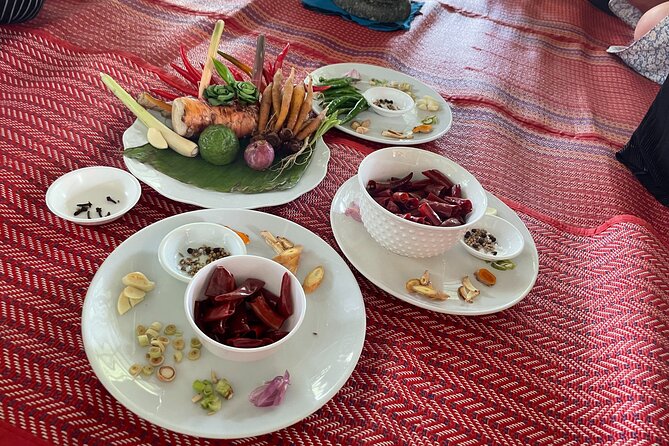
One of the most practical perks here is that every menu can be made vegetarian or vegan. That means you do not have to compromise on the learning experience, which is important if you’re plant-based or cooking with friends who are.
Just as useful is the ability to choose spice level. Thai dishes can range from mild comfort food to genuinely hot. Being able to make your own dish mild or spicy helps you enjoy the food instead of spending the meal adjusting for heat.
In a class like this, spice control also impacts texture and balance. If you make it milder, you still learn the technique. You just shift the intensity so you can focus on flavors and cooking steps.
The tasting meal: communal, organized, and very filling
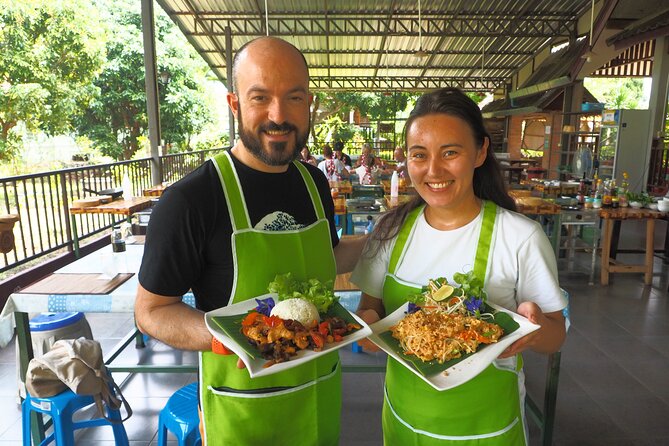
After you cook, you eat what you make in a relaxing shared setting. People consistently call out that the cooking setups are fast and efficient and that instructions are clear, which matters because you’re juggling multiple dishes and steps.
The big “heads up” is that you will likely leave very full. Several participants point out that the class puts out a ton of food for the time, and one piece of advice repeats: do not start with an overly aggressive hunger plan. You’ll want to taste everything, but you also want to save room for later courses.
This is where the class pacing shows its value. It’s designed so you cook, then eat, then keep moving without losing the thread. And because you pick your menu, your meal feels more like your choices than a set lunch.
Some farm days include small extras that add charm. One example from a participant includes feeding a tortoise and noticing farm animals like French bulldogs. That kind of bonus can make the day feel more like a farm visit than a classroom.
How the instructors shape the experience (and why energy matters)
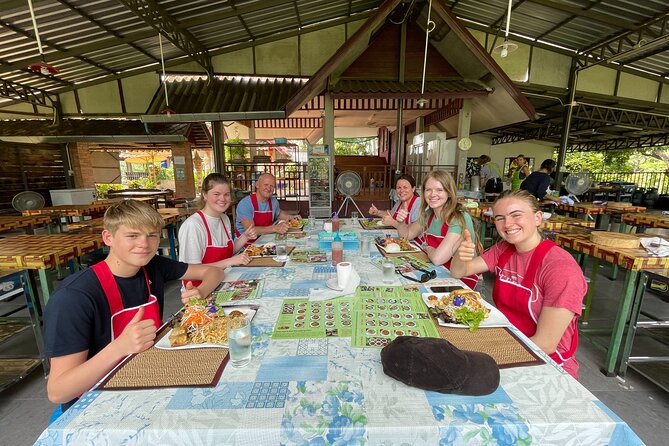
Cooking classes can swing from calm to chaotic fast. Here, the instructors’ style seems to be a core part of the success.
Participants highlight guides such as Lilli and Luna for energy and pacing, Love and K for teaching clearly and keeping things fun, and Cici and Natalie for smooth instruction and good group management. This matters because Thai cooking often requires multiple steps that build on each other. When a chef keeps the rhythm clear, you actually learn rather than just “survive the chopping.”
You also benefit from the way stations are handled. People describe fast, efficient prep and clear directions, plus the feeling that everyone gets hands-on time even in a group setting. With up to 12 travelers, that balance is easier to maintain.
Price value: what $29.35 buys you in Chiang Mai terms
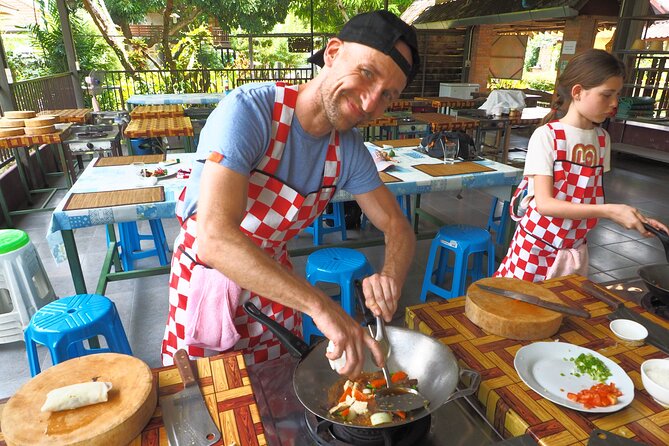
At $29.35 per person, the price is striking because you’re not paying just for a meal. You’re paying for:
- Round-trip transfers within Chiang Mai city
- A market stop
- An organic farm learning segment
- A hands-on class with five cooking categories
- Vegan/vegetarian flexibility and spice customization
- A full communal meal based on what you cook
Also, the time commitment is listed as about 6 hours, which is longer than some “half-day” labels feel. Still, when you compare it to paying separately for transfers, a guided farm visit, and a cooking class meal, it often works out as good value.
The real question is whether you want to cook. If you only want to eat, there are cheaper ways to do that in Chiang Mai. If you want skills you can repeat later, the value makes more sense.
Who should book this class, and who might skip it
This is a great fit for foodies who like learning by doing. It’s also excellent for couples, families, and groups because the activity is structured and everyone gets something to cook.
It’s especially good if you want a break from temples and sightseeing-heavy days. The farm and garden piece gives you a different side of Chiang Mai: countryside and food production, not just restaurants.
If you are traveling with kids, there’s a clear structure. Children 0–3 are free of charge. Children above 9 can have their own cooking stations as participants. For ages 4–8, you’ll have the child price listed for visitors.
If you hate eating large portions, I’d still say go, but adjust your expectations. Bring water, eat slowly, and do not treat it like a “snack class.”
Should you book the Thai cooking class at Smile Organic Farm?
Book it if you want a hands-on Thai meal experience with real ingredient context. The organic farm setting, the market start, and the five cooking categories make this more than a cooking demo. I’d also book it if you care about plant-based options and want the freedom to set your spice level.
Skip it if you want a short, light activity with minimal food. The class can feel full on the clock and very filling on the plate. If that’s not your style, you might prefer a smaller tasting-focused food tour or a shorter cooking session elsewhere.
FAQ
How long is the Thai cooking class at Smile Organic Farm in Chiang Mai?
The duration is listed as about 6 hours.
Does the experience include hotel pickup and drop-off?
Yes. Pickup from your hotel or accommodation is offered, and round-trip transfers are included.
Is there a mobile ticket for this activity?
Yes. A mobile ticket is included.
Can I make the dishes vegan or vegetarian?
Yes. The class states that every menu can be cooked as vegetarian or vegan.
Can I choose how spicy my food is?
Yes. You can decide to make your food spicy or mild.
Are there age rules for children?
Children 0–3 are free of charge. Children above 9 can cook at their own stations as participants. Children between 4–8 years old have a child price listed for visitors.
What is the cancellation policy?
Free cancellation is available up to 24 hours in advance for a full refund. Changes made less than 24 hours before the start time are not accepted.