REVIEW · CHIANG MAI
Chiang Mai: HALF-DAY COOKING COURSE at a Thai Cooking Farm
Book on GetYourGuide →Operated by THE RICE BARN THAI COOKING FARM CHIANGMAI · Bookable on GetYourGuide
A Thai cooking class works best when you’re not just watching. This half-day course pairs a market walk with hands-on cooking stations at The Rice Barn Thai Cooking Farm. You’ll go from Thai ingredients to finished dishes fast, with English-speaking instructors who keep things fun and practical.
What I like most is the market-to-kitchen flow: you see what you’re using before you start cooking, and the teachers explain how Thai flavor is built. I also like the setup that puts you at your own station, so you’re actively cooking instead of waiting your turn. The main thing to consider is that you’ll eat a lot—these classes are filling by design, so come hungry.
In This Review
- Key highlights (quick read)
- The market stop: where Thai flavor starts
- The Rice Barn kitchen: truly hands-on, not watch-and-hope
- What you’ll cook: classic Thai favorites with real wok skills
- How the class builds confidence for cooking at home
- Transportation and timing: fitting 6 hours in Chiang Mai
- Price and value: what $28 gets you in real cooking time
- Who this cooking class is best for
- Small notes to make your experience smoother
- Should you book this Chiang Mai Thai cooking class?
- FAQ
- How long is the cooking course in Chiang Mai?
- How much does the Chiang Mai cooking course cost?
- Does the tour include pickup from my hotel?
- Is the class hands-on or mostly watching?
- What languages are offered for the instructor?
- What dishes might I cook during the class?
- What’s included in the price?
Key highlights (quick read)
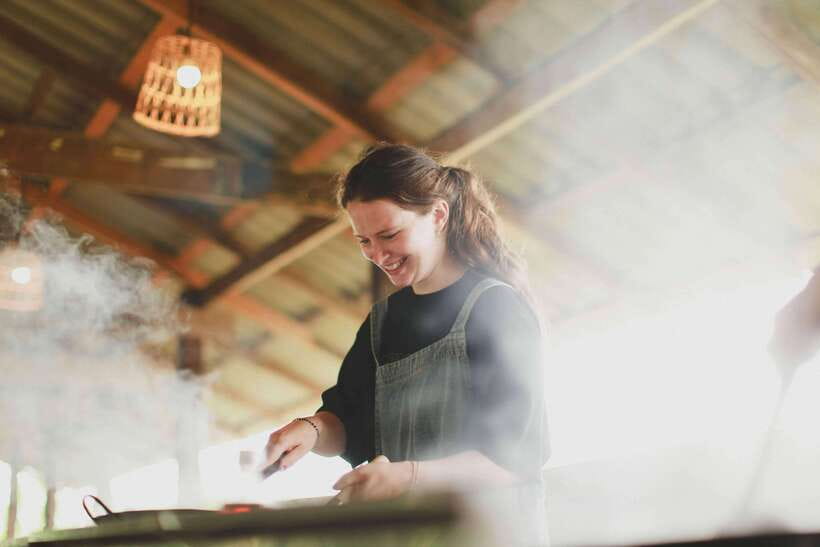
- Hotel pickup plus air-conditioned transport makes the day easy to fit into Chiang Mai
- Market stop with ingredient lessons so you understand what goes into Thai staples
- Your own stainless-steel work station keeps the class truly hands-on
- Classic dishes you actually cook like tom yum kung and pad thai
- English instruction with teachers known for clear, funny coaching
- Color recipe e-book to help you repeat the dishes back home
The market stop: where Thai flavor starts
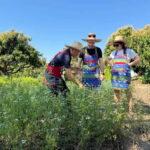
The morning or evening schedule begins with a trip to a local market, guided by your instructor (often chefs named Oily, Timi/Timmy, or Katie in participant accounts). This is where the class earns its keep: you’re not learning recipes as abstract steps. You’re learning ingredients in the real environment where Thai cooks source them.
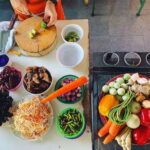
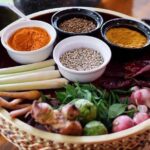
You’ll get a guided look at common Thai building blocks—things like herbs, spices, and sauces—before you head to the farm kitchen. Some classes also include extra “how it’s made” moments, such as seeing coconut milk preparation and learning about Thai fruit and produce along the way. Even if you’re not a “market person,” this part helps you later, because you’ll recognize what your dish is supposed to taste like.
One practical tip: if you’re even slightly picky about spice level, keep it on your radar early. The ingredient lessons make it easier to understand where heat comes from, so it’s simpler to adjust when you’re cooking.
You can also read our reviews of more tours and experiences in Chiang Mai.
The Rice Barn kitchen: truly hands-on, not watch-and-hope
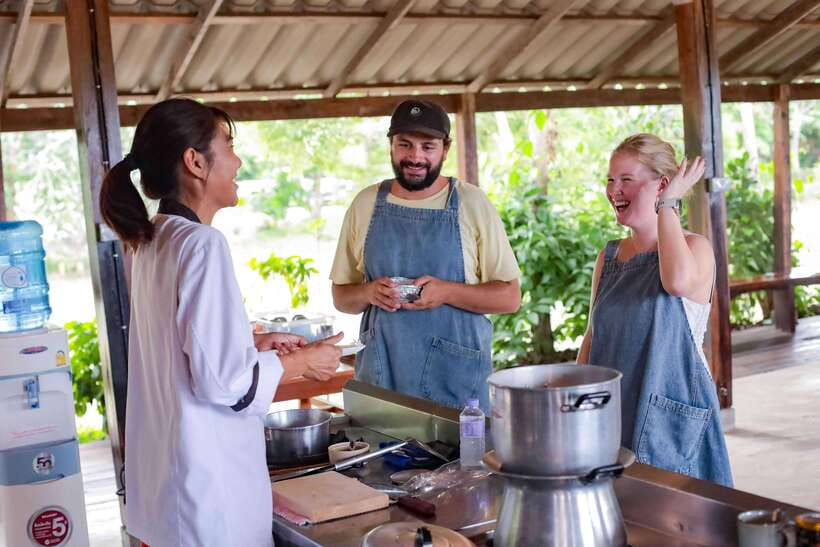
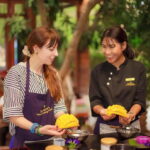
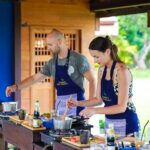
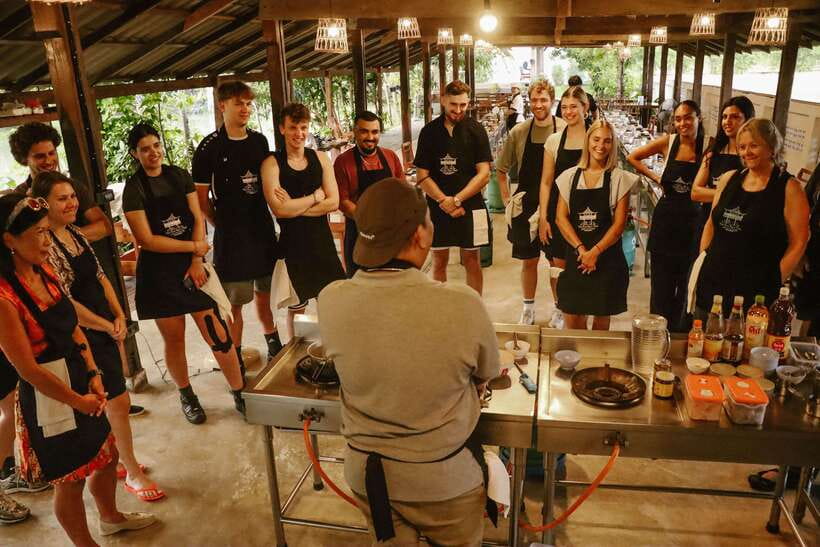
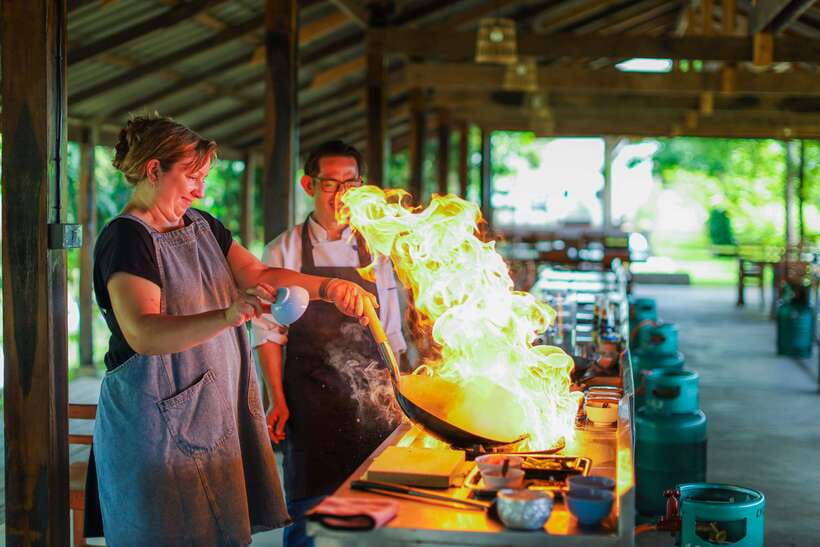
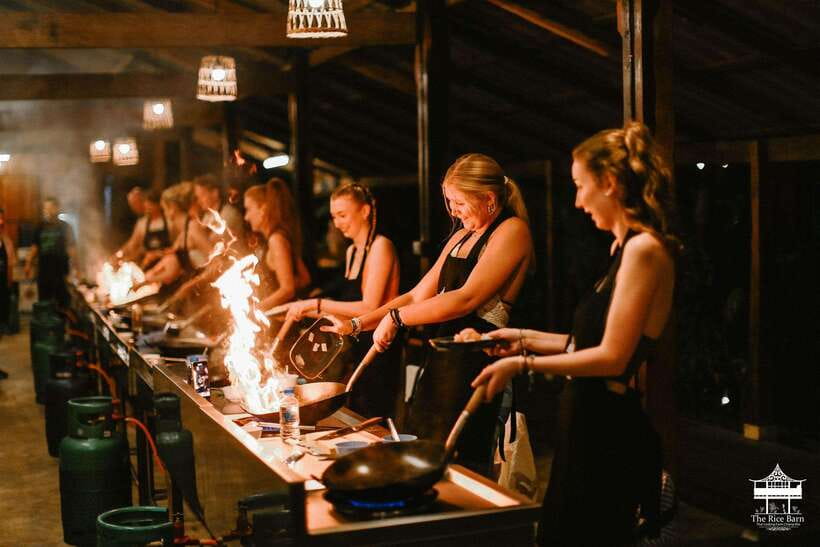
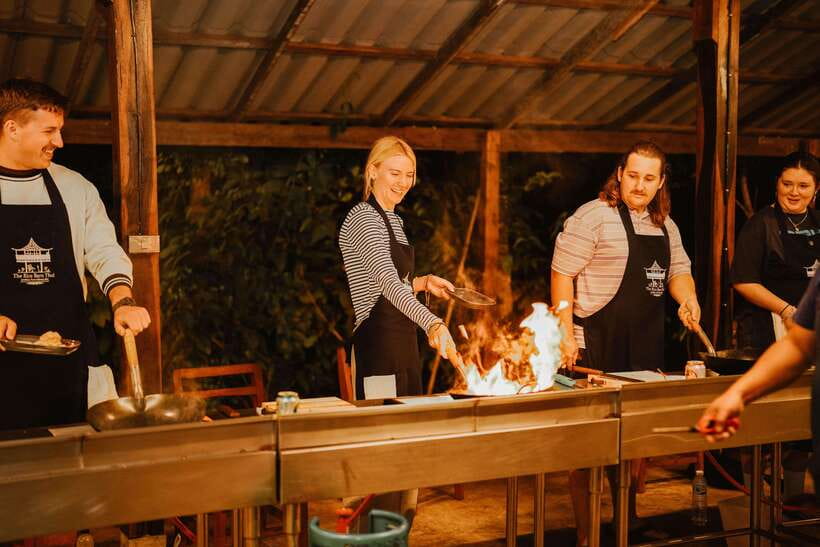
Back at THE RICE BARN THAI COOKING FARM, the cooking area is organized around multiple individual stations. The point is simple: you cook your own food while instructors demonstrate, then you take over at your own setup.
Participant notes consistently mention how clean and orderly the workspace is, and that instructions are clear enough for first-timers. Many classes run with English-speaking teachers who explain both what to do and why it works—so you’re not just copying steps. This matters because Thai cooking is about balance: sour, salty, sweet, and heat. When you understand the logic, you can recreate the dish later instead of treating it like a one-off performance.
A small but meaningful detail: because you’re cooking at your station, the class pace feels active. You don’t burn time staring at someone else’s wok. If you want a cooking class that actually changes your skills, this format is the right kind of busy.
What you’ll cook: classic Thai favorites with real wok skills
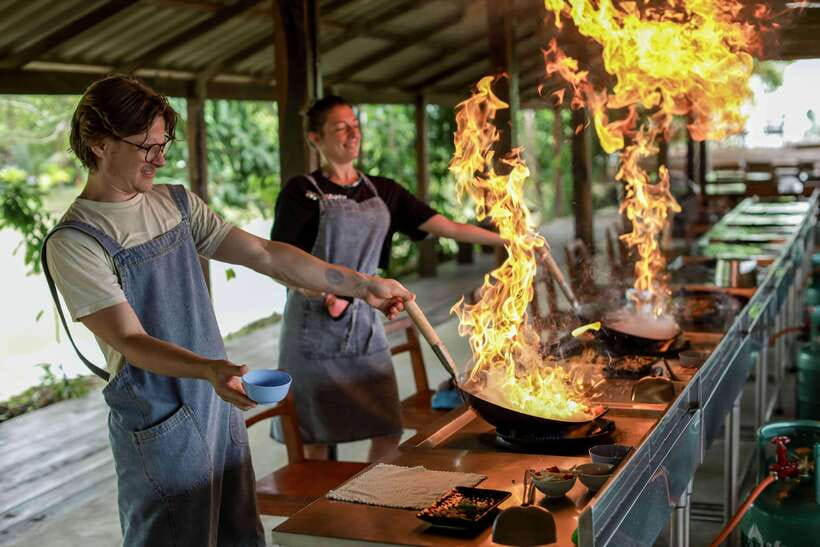
The menu can vary by session, but the most commonly cooked dishes shown in the course accounts include Thai crowd-pleasers and comforting mains. Expect a mix of soup, stir-fry, noodles, and curry options, plus sticky rice for dessert or pairing.
Here are dishes that come up again and again:
- Tom yum kung (Thai sour-spicy shrimp soup): This is often the “wow” dish because it teaches how Thai sour and aroma work together.
- Pad thai: You’ll learn the noodle handling and the sauce balance that makes it taste like the street-food version without chaos.
- Green curry or panang (depending on your choice/session): Curry cooking teaches the rhythm of curry paste, coconut milk, and simmering until it tastes rounded.
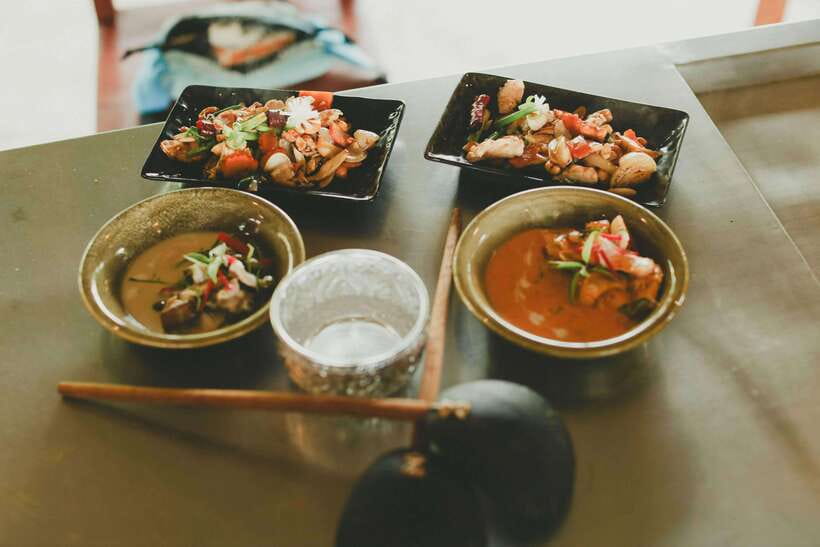
- Cashew stir-fried chicken: A good stir-fry for learning timing and how to keep nuts and chicken from going dull.
- Mango sticky rice and sticky rice: The class usually pairs dessert sweetness with the right sticky texture.
Some participants mention standout moments like flambéing a chicken cashew dish. That kind of interactive moment is fun, but the bigger value is that it signals when instructors want you to understand technique, not just assemble ingredients.
Also, the amount of food is part of the deal. More than one participant emphasized they finished the meal very full. If you don’t want to feel stuffed, plan your day with a lighter schedule before or after.
How the class builds confidence for cooking at home
Thai cooking can look intimidating until someone teaches you the method. This class leans into confidence-building by combining three things: ingredient context (market), demonstration (teacher shows the steps), and execution (you cook at your station).
That combination shows up in participant notes about instructors being attentive and supportive. Teachers like Gobby/Gobbi and Katie are repeatedly credited for humor, clarity, and staying on top of each station so beginners don’t feel lost. You’re also given a color recipe e-book, which helps you translate what you learned into repeatable home cooking.
The most useful takeaway here isn’t memorizing a list of ingredients. It’s understanding how Thai flavors are constructed:
- soups need fresh aromatics and the right sour-salty balance
- noodles need the sauce mixed with the right timing
- curries need simmer control so the coconut milk tastes smooth, not flat
- stir-fries need quick heat and timing so textures stay crisp
If you’ve ever tried Thai food at home and felt it tasted “almost right,” this style of teaching targets the gap.
Transportation and timing: fitting 6 hours in Chiang Mai
This course runs about 6 hours total and includes round-trip transportation by air-conditioned vehicle. Pickup is from your hotel in Chiang Mai, handled by the local partner. That matters in Chiang Mai because traffic can mess up the best-laid plans. Here, your schedule is kept simple: you get collected, you go to the market and farm, you cook and eat, and you return.
In practice, the flow is:
1) pickup → 2) market ingredient lesson → 3) farm kitchen class and cooking → 4) meal you made → 5) drop-off
Even though it’s a half-day, you’re not doing a token lesson. The “multiple dishes” format means you’re cooking more than one thing, so you leave with variety and, frankly, leftovers are sometimes hard to avoid depending on how much you eat.


Price and value: what $28 gets you in real cooking time
At around $28 per person for a 6-hour experience, the value comes down to how much hands-on cooking you get. This isn’t a short demo. You’re paying for:
- the ingredients and materials used in the dishes
- air-conditioned round-trip transportation
- the market stop portion
- a color recipe e-book
- and instructors who help you execute dishes at your station
In other words, you’re not just buying recipes. You’re buying ingredient guidance, technique coaching, and a finished meal that’s all part of the instruction.
If you normally shop for Thai ingredients without knowing what matters, this lesson can save time and reduce waste. The market part helps you focus your shopping back home on items that truly affect flavor.
Who this cooking class is best for
This course fits a few kinds of travelers especially well:
- First-time Thai food cooks who want a clear starting point and strong instruction at the station
- Foodies who care about ingredients and want a market-to-cooking link
- Couples and friends who like shared activities and then get to eat together
- Solo travelers who want structure and social energy without being forced into constant performance
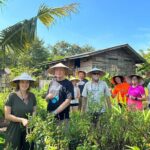
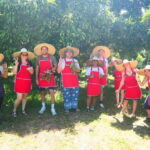
One participant noted a class group of around 8 people, with lots of workspace available. That setup likely keeps things from feeling chaotic, which is a big deal when you’re learning.
If you prefer quiet, hands-off experiences, this may feel lively. But if you want to learn by doing—and you like a teacher who mixes food teaching with humor—this style matches the vibe.
Small notes to make your experience smoother
A few practical pointers based on what participants emphasized:
- Don’t eat a heavy meal right before class. Several people suggested it, because the portion size is generous.
- If you have dietary needs, mention them when you book or communicate with the organizer. At least one participant specifically noted the instructor being attentive to gluten-free needs.
- If you’re into photos, you might have an added option. Some participants mentioned a photographer and the chance to buy professional photos from the session (with consent).
Should you book this Chiang Mai Thai cooking class?
I’d book it if your goal is learning Thai cooking you can repeat—not just eating a good meal. The biggest reasons are the hands-on station setup, the market ingredient lesson, and the fact you cook multiple classic dishes in one session.
Pass if you want a lighter, low-energy activity or if you hate being in a structured class environment. Also, if you’re sensitive to eating a lot, plan your day around the feast this course creates.
If you’re deciding between “another tour” and something skill-based, this is the kind of half-day in Chiang Mai that gives you more than photos. It gives you methods, ingredient awareness, and dishes you’ll recognize the moment you taste them.
FAQ
How long is the cooking course in Chiang Mai?
The course duration is 6 hours, with starting times that depend on availability.
How much does the Chiang Mai cooking course cost?
The price is $28 per person.
Does the tour include pickup from my hotel?
Yes. You’re picked up by the local partner at your hotel in Chiang Mai, and round-trip transportation is included.
Is the class hands-on or mostly watching?
It’s completely hands-on. Each person cooks at their own cooking station.
What languages are offered for the instructor?
The instructor speaks English.
What dishes might I cook during the class?
The course includes multiple classic Thai dishes such as tom yum kung, pad thai, green curry or panang, cashew stir-fried chicken, and sticky rice / mango sticky rice, depending on the session.
What’s included in the price?
Included are the materials and all ingredients for cooking, round trip air-conditioned transportation, coffee and/or tea, and a color recipe e-book.