REVIEW · SIHANOUKVILLE
Full day Tour, Countryside, Pepper farm & Kep, crab market…
Book on Viator →Operated by Peppercorn private tour (Kampot & Kep) · Bookable on Viator
A day in Cambodia’s countryside can be surprisingly organized. This full-day circuit around Kampot and Kep strings together salt making, cave temple views, a pepper farm with tastings, and an easy end-of-day mix of crabs and sea air. I love how the route feels like a real day out, not a checklist of rushed stops.
Two things I really like: the visit to Phnom Chhngok Cave Temple (yes, it’s a climb, but the payoff is the views and the temple inside), and the pepper plantation segment where you get guided production info plus tasting time. That pepper stop turns a generic farm visit into something you can actually use later when you buy.
One consideration: the schedule is busy, and you’ll want moderate physical fitness for the cave steps. If you’re sensitive to heat or prefer minimal walking, this may feel like a lot packed into one day.
In This Review
- Key highlights at a glance
- A full-day Kampot to Kep countryside route that packs a lot
- Stop 1: Kampot salt fields and the simple science of evaporation
- Stop 2: Phnom Chhngok Cave Temple with its 203 steps and Shiva brick temple
- Stop 3: Brateak Krola Lake and the dam built through Khmer Rouge forced labor
- Stop 4: Kampot pepper plantation tour, tastings, and real product shopping time
- Stop 5: Kep crab market for seafood or lunch, then a beach reset
- Guide-led pacing: why this tour feels friendly (and not chaotic)
- What the included items really mean for your day
- Who should book this Kampot & Kep countryside tour
- Should you book it?
- FAQ
- How long is the tour?
- What does the tour cost?
- Where does the tour start and end?
- Is pickup available?
- What’s included in the price?
- Do I need to pay for food at the end?
- How physically demanding is the cave temple?
- How big is the group?
- Is cancellation free?
Key highlights at a glance
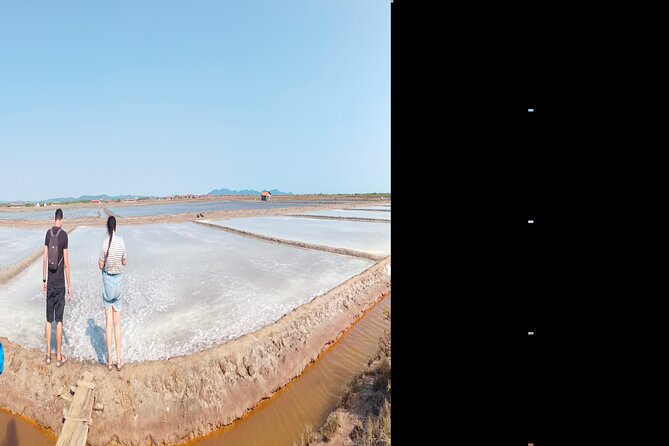
- Salt fields demo showing how Kampot’s salt is made by evaporation from pumped ocean water
- Phnom Chhngok Cave Temple with a climb up to the entrance and a Shiva brick temple in the main chamber
- Brateak Krola Lake outside town, tied to the Khmer Rouge-era forced labor dam story
- Pepper plantation tour and tasting with the chance to buy real pepper products
- Kep crab market + beach time so your day ends with food and water, not just sightseeing
A full-day Kampot to Kep countryside route that packs a lot
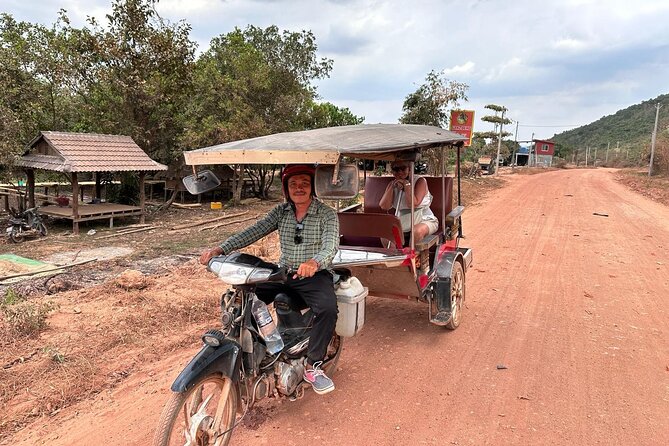
This is a 7 to 8 hour guided day that runs as a loop: it starts at Epic Arts Café in Kampot and ends back there. You’re looking at a small group size (maximum 12), which makes it easier to ask questions and keep the pace moving without the “everyone sprinting ahead” feeling.
The pickup is offered from a limited zone: they can pick you up around 3 km from Epic Arts Café (the opposite side of it, if you’re using the café as your landmark). If you’re farther out, you’ll likely need to meet at the start point.
A big part of the value is what’s already included. You get entrance fees at the stops, fresh coconut, a bottle of water, and a guide throughout. You’ll still need to budget for any extra food or seafood you choose at the crab market, since the day includes the visit time rather than guaranteeing a full sit-down lunch.
You can also read our reviews of more tours and experiences in Sihanoukville.
Stop 1: Kampot salt fields and the simple science of evaporation
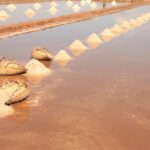
The salt fields visit is short, about 15 minutes of driving time to get there and then a quick stop (entrance included). Even with the limited time, you’ll get the core idea: ocean water is pumped into shallow pans and left to evaporate, leaving salt behind.
What I like about this stop is that it’s not just “look at salt.” It’s the practical process—water moves in, the sun and time do the rest, and you can see how the landscape becomes part of production. It’s also a good early-day activity because it’s usually more straightforward than temples (less climbing, fewer stairs, more open views).
The drawback is the time. You won’t get a long, hands-on experience, so if you’re a salt-nerd who wants deep technical details, this is more of a clear overview than a full class. Still, for most people, it’s an easy start that sets context for why Kampot is known for more than pepper.
Stop 2: Phnom Chhngok Cave Temple with its 203 steps and Shiva brick temple
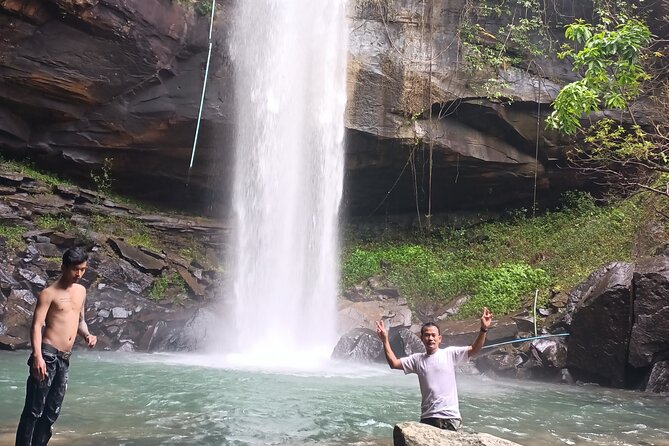
This is the star stop for many people, and for good reason. Phnom Chhngok is a cave temple area with 203 steps to the entrance, and the route is designed so you can see the views as you climb.
You’ll have about 40 minutes on site, with time to take in the viewpoint and then the main cave space. Inside the main chamber is a brick temple connected to the Funan-era, and it’s dedicated to Shiva. That’s a very specific detail that helps the visit feel more grounded than a vague “pretty cave” stop.
Practical tip: wear shoes you’re comfortable walking in, especially if the steps feel damp or slick. Bring a light layer if you get sweaty easily, then plan to sweat a bit anyway. The climb is manageable for most people with moderate fitness, but it’s still real steps, not a flat stroll.
Cultural note to keep in mind: cave interiors can feel cooler, echo-y, and darker. Give yourself a few minutes to adjust your eyes before you try to read details. Let your guide point out the features so you don’t miss what makes the temple historically meaningful.
Stop 3: Brateak Krola Lake and the dam built through Khmer Rouge forced labor
Next comes Brateak Krola Lake, an artificial lake outside town with an impressive size and a dirt road looping around it. The on-site time is about 15 minutes, so you’re not meant to treat it like a long hike. You’ll get the big-picture view and the story behind it, then move on.
Here’s the thing: the lake is tied to a dam construction done with slave labor during the Khmer Rouge. That history matters. You should treat this stop as reflective, not just scenic.
What I value about including this place is that it balances the day. You get temples and agriculture, but you also get at least one reminder that Cambodia’s past shaped what you see on the ground. In a single-day tour, it helps you understand why certain sites feel engineered or “too big for the landscape”—because they were made for survival, control, or infrastructure during a brutal period.
Because the visit is short, the responsibility is on the guide to explain clearly and keep it respectful. If you’re the type who likes to ask questions, this is a good stop to do it.
Stop 4: Kampot pepper plantation tour, tastings, and real product shopping time
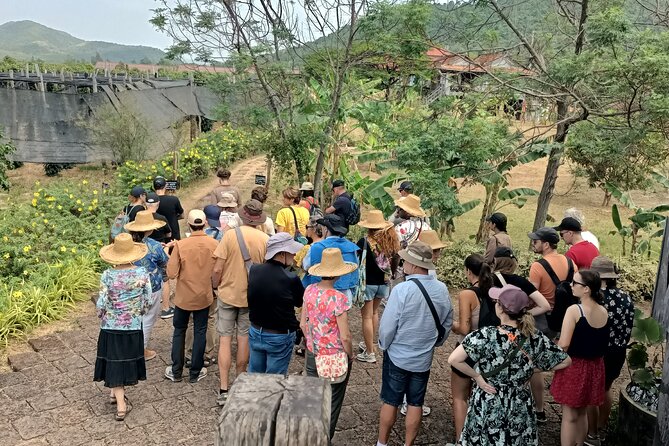
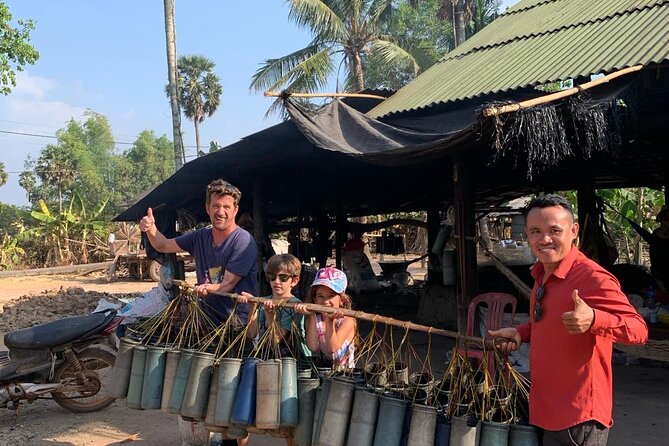
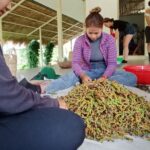
Then you shift from history to something you can taste. The pepper plantation stop runs about 2 hours, which is just enough time to learn the process and still enjoy the setting.
The tour includes a guided visit through the plantation, plus tasting pepper produced onsite. You’ll also hear how the production works, not just that pepper grows here. And yes, there’s a shopping angle: you can buy real pepper products if you want, but the tasting portion makes sure you’re deciding based on flavor instead of hype.
This is one of those stops that can go either way on tours. Some places rush you through and then send you straight to a shop. Here, the tasting and time on the plantation make the shopping optional and informed.
What to bring: small cash for purchases if you plan to buy. Also, keep expectations realistic—pepper tasting is typically guided and brief, not a whole multi-course food tour. But it’s enough to help you figure out whether you like Kampot pepper and what form you want to bring home.

Stop 5: Kep crab market for seafood or lunch, then a beach reset
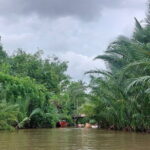
The final part of the day is Kep Crab Market, with about 1.5 hours total. This is your food-and-relax window. You can test seafood or go for lunch, then you’ll also have time to swim or relax on the beach before heading back.
Because meals are not listed as included beyond water and a coconut, you’ll want to decide on the fly. If you don’t want a big seafood bill, you can keep it simple—snacks, a small plate, or just choose one main thing. If you do want crabs, this is the time to treat it like your reward for walking and learning all day.
The beach time matters more than you might think. It helps you shake off cave-step fatigue and gives your brain a breather. Even if you don’t swim, sitting near the water for a bit makes the day feel complete.
Guide-led pacing: why this tour feels friendly (and not chaotic)
A lot of full-day tours feel like a conveyor belt. This one is built to move, but it still leaves space for explanations and questions—especially because the group is kept small (up to 12).
In particular, the guide Phalla comes up again and again for being helpful, funny in a natural way, and genuinely informative. What I like about that style is simple: he doesn’t just recite facts. He helps you connect what you’re seeing—salt pans, temple stonework, pepper production, crab market culture—into a single story of how the region lives.
Pickup runs from Epic Arts Café area, and you’re back there at the end. That makes logistics easy, and it also reduces the “where do I meet people later?” stress.
One more value note: this tour offers group discounts and uses a mobile ticket, which can make planning smoother. On a $24 day, those details add up because you’re spending the money on experiences rather than chasing admin headaches.
What the included items really mean for your day
Let’s translate the inclusions into real-world comfort.
- Entrance fees are included, so you don’t have to stop and pay at each site.
- Fresh coconut and bottled water give you a basic hydration and snack buffer—useful after the cave climb.
- Guide tour means you’re not wandering around each place guessing what you’re looking at.
The part you should remember is what’s not included: your seafood or lunch choice at the crab market likely isn’t covered. Plan to spend a bit extra there if you want more than a light bite.
Who should book this Kampot & Kep countryside tour
I think this tour is a great fit if you want a full taste of the area in one day: salt production, a major cave temple, a pepper farm with tastings, and Kep coastal time.
It’s also a good option if you’re traveling solo. The small group layout helps you feel included rather than lost, and the guide is the connector. You’ll also get the benefit of having a driver for the countryside roads, so you can focus on the sights.
You should reconsider if:
- the idea of 203 steps sounds like too much for your legs
- you prefer fewer stops and longer stays at each place
- you’re expecting a long, deep specialist-style history lesson at every site (this day is broad and efficient by design)
Should you book it?
If you want an efficient, countryside-heavy day that ends with crabs and beach time, this is a strong choice. For $24, the value comes from how many different kinds of experiences you get—agriculture (pepper), industry (salt), spirituality (Phnom Chhngok), and a coastal payoff (Kep crab market).
Book it if you’re okay with a packed schedule and you can handle moderate walking. Skip it if stairs or heat are a hard no.
FAQ
How long is the tour?
It runs about 7 to 8 hours total, including travel time between stops.
What does the tour cost?
The price is $24.00 per person.
Where does the tour start and end?
It starts at Epic Arts Café in Kampot and ends back at the same meeting point.
Is pickup available?
Pickup is available only around 3 km from the meeting point area (opposite Epic Arts Café). If you’re farther away, you’ll need to meet at Epic Arts Café.
What’s included in the price?
You get entrance fees, a guide tour, fresh coconut, bottled water, and pickup (within the stated area).
Do I need to pay for food at the end?
The stop includes time at Kep Crab Market for tasting seafood or having lunch, but food cost is not listed as included, so plan to pay for what you order.
How physically demanding is the cave temple?
The Phnom Chhngok cave temple has 203 steps to the entrance, and the tour calls for a moderate physical fitness level.
How big is the group?
The tour has a maximum size of 12 travelers.
Is cancellation free?
Yes, you can cancel up to 24 hours in advance for a full refund.