REVIEW · SIHANOUKVILLE
Kampot Classic Tour & Kayaking at the Green Cathedral with lunch
Book on Viator →Operated by Visit Kampot/Kep with Micki · Bookable on Viator
Salt flats and caves in one day—yes, please. What makes this Kampot Classic Tour work is the steady mix of real countryside stops and active moments, from a 200-step Hindu cave temple to river kayaking, all paced for a small group. I also like that it’s guided in a way that explains what you’re seeing, not just where to stand for photos.
My favorite part is how hands-on the day feels. You get organic pepper tastings at a plantation (with guided walking and time to explore), then you relax at Brotek Krola—Secret Lake—surrounded by greenery and quiet views.
One thing to consider: the cave portion includes caving and the bat cave, but wet-season cave limits can affect what you’re allowed to enter. It’s also a long 9 to 10 hour day, so come ready for stairs, sun, and a full schedule.
In This Review
- Key Highlights I’d Book For
- Where the Day Starts: Pickup, Pace, and How Long It Really Takes
- Morning Salt Fields in Kampot: What You Learn and What You’ll Do
- Phnom Chhngok Cave Temple: The 200-Step Stair and Bat Cave Rules
- Secret Lake (Broteak Krola) at Khmer Rouge-Era Reservoir Scale
- Organic Pepper Plantation: Tasting, Walking, and Coffee Time
- Lunch at Bopha Prey Kampot: Setting Up the Kayak Portion
- Kayaking the Green Cathedral: Narrow River Time, Swimming, and Sunset
- Price and Logistics: Is $46 Good Value Here?
- Who This Kampot Classic Tour Is Best For
- Should You Book This Tour?
- FAQ
- What time does the Kampot Classic Tour & Kayaking start?
- How long is the tour?
- Is pickup included, or do I need to meet at a specific place?
- What’s included in the $46 price?
- Is the bat cave always part of the cave visit?
- How many people are in the group?
Key Highlights I’d Book For
- Small group cap (max 8 travelers) keeps the kayaking and cave stops from feeling chaotic
- Pickup offered makes it easy to start from Sihanoukville without planning your own route
- Salt fields morning with a driver-guide explanation, plus time to walk through the salt area
- Phnom Chhngok cave temple includes a 200-step concrete stair and a 7th-century Hindu temple
- Secret Lake (Broteak Krola) gives you history context tied to the Khmer Rouge era, plus peaceful scenery
- Green Cathedral kayaking after lunch on narrow river sections, with time to swim and watch the sunset
Where the Day Starts: Pickup, Pace, and How Long It Really Takes
This is a full-day countryside run that clocks in at about 9 to 10 hours, with a 9:00 am start. In practice, that means you get one big push of countryside in the morning, then the best payoff in the afternoon: kayaking, swimming time, and sunset views.
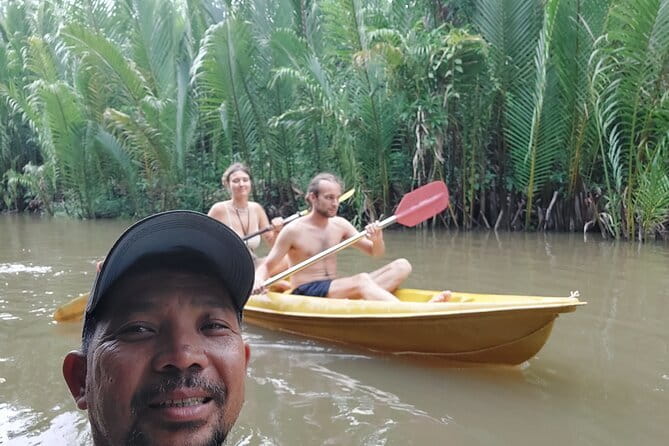
I like tours like this with a max of 8 travelers. Less crowding means more attention at the cave entrance, less waiting around for the kayak group, and a calmer rhythm overall. It also feels more like a day you’re managing together rather than a conveyor belt.
The schedule is built around short stops and then a longer, more active block at the end. That’s good value for your time, especially if you’re staying in Sihanoukville and don’t want to waste a half day figuring out transport on your own.
You can also read our reviews of more tours and experiences in Sihanoukville.
Morning Salt Fields in Kampot: What You Learn and What You’ll Do
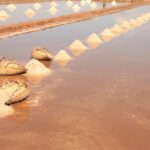
Your day opens with the salt fields area in Kampot, described as the biggest salt fields in the region. This isn’t just a roadside viewpoint. Your driver (also acting as your guide) shares clear information about how sea salt production works, then you walk through and get up close to the salt pans area.
I like this kind of start because it sets the theme for the day: Kampot isn’t only about rivers and countryside views. It’s also about how local livelihoods are tied to land and water. Even if you don’t speak Khmer, you can still connect the dots because the explanation is guided and then you’re allowed to move around.
The main consideration is comfort. Salt fields can mean heat and glare. Wear sun protection and sturdy shoes you don’t mind getting dusty, because you’re walking on uneven ground that’s meant for work, not for visitors.
Phnom Chhngok Cave Temple: The 200-Step Stair and Bat Cave Rules
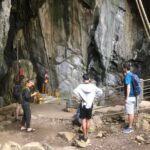
Next is Phnom Chhngok Cave Temple, with cave exploration that includes a visit to a 7th-century Hindu temple inside the cave. Expect stairs right up front: the route involves a hike on a 200-step concrete stair to reach the cave area.
There’s a split feel here. You get caving time (about 30 minutes), then you’re back outside afterward for a scenic drive through traditional Khmer villages in the countryside. That drive matters because it breaks up the physical effort and gives you a smoother transition to the next stop.
Here’s the key practical point: the cave experience includes caving to the bat cave, but it’s not allowed in the wet season. If you’re visiting during rainy months, ask ahead or watch the day’s instructions closely so you don’t expect to enter the bat cave area. Think of it as a safety and access rule rather than a “missed stop.”
If you’re someone who hates tight, slippery cave footing, you’ll want to take it slow on the way in and out. Come with a steady pace and you’ll be fine.
Secret Lake (Broteak Krola) at Khmer Rouge-Era Reservoir Scale
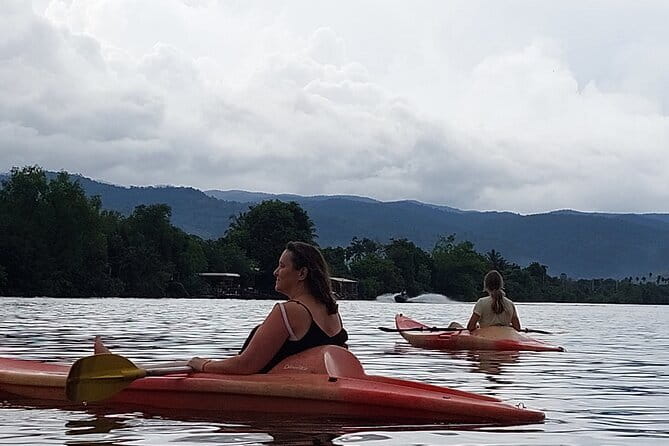
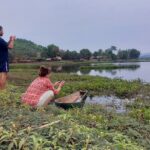
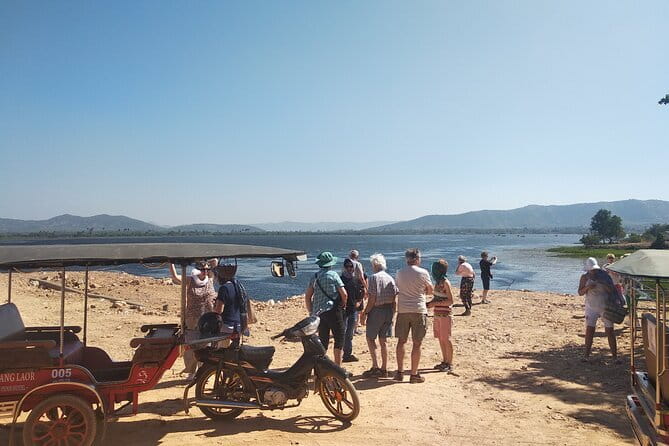
After the cave, the tour heads to Brateak Krola Lake, also called Secret Lake. This stop is about views and breathing room—time to slow down and take in the greenery around the reservoir.
What I find valuable is that you don’t just get scenery. The story is part of the stop: it’s described as one of the biggest reservoirs in Eastern Kampot, built during the Khmer Rouge regime between 1975 and 1979. Understanding that context changes how you look at the water. It becomes more than a pretty photo location.
Time here is about 45 minutes, so it’s not a long lecture. It’s enough to hear the background, see the lake, and reset before lunch and kayaking.
The only drawback is the weather dependence that applies to the whole day. The experience requires good weather, and if conditions are poor, you’ll be offered another date or a full refund. If you’re traveling around monsoon weeks, that weather factor is worth keeping in mind.
Organic Pepper Plantation: Tasting, Walking, and Coffee Time
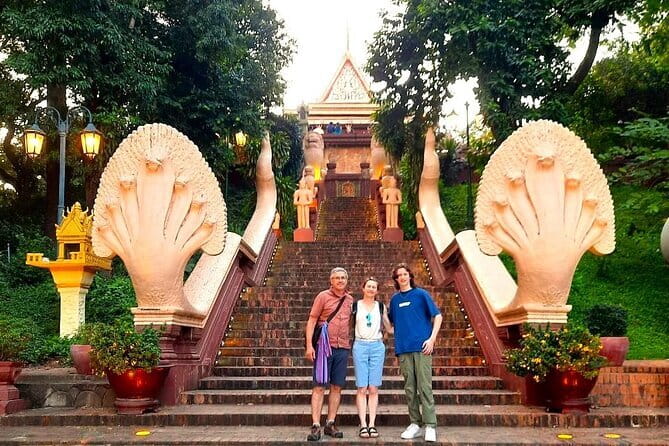
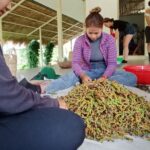
The tour then moves to a pepper plantation called La Plantation, described as organic. This is one of the best “value per minute” parts of the day because you’re not just watching from a distance—you’re part of a guided experience.
The plantation tour includes:
- a guided walking tour
- pepper tasting
- and time for self-explore
Duration is about 2 hours 30 minutes, which gives you breathing room. It also includes language support: the guided tour is available in English or French, so you’re more likely to get real explanations rather than vague pointing.
I like that the schedule builds in downtime. You can take time for a coffee and relax on-site. That’s not fluff. It helps you recharge before the kayaking segment, when the body feels it if you spent the morning squinting in sun and walking on stairs.
The practical tip here is simple: pepper farms are active walking environments. Wear breathable clothes and bring water. Even if you’re not doing anything extreme, you’ll feel the heat by midday.

Lunch at Bopha Prey Kampot: Setting Up the Kayak Portion
After pepper tasting, you shift toward the river. The kayaking portion starts at Bopha Prey Kampot, a local restaurant by the river. Lunch is included, and it becomes your anchor point for the rest of the afternoon.
This matters because kayaking works best when you’ve eaten something solid. You’re about to spend time on the water and (based on the tour flow) you’ll likely want energy for swimming time and waiting out for sunset.
Another small plus: starting at a river restaurant means you’re not dragging your group across town right when you’re hungry. The day feels organized—one stop leads naturally to the next, with a payoff in the late afternoon.
Kayaking the Green Cathedral: Narrow River Time, Swimming, and Sunset
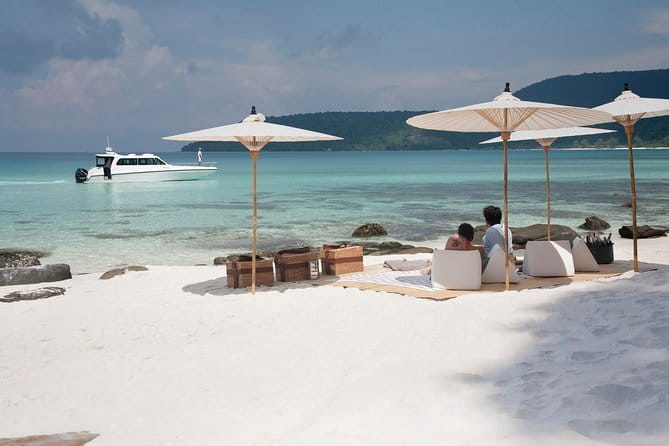
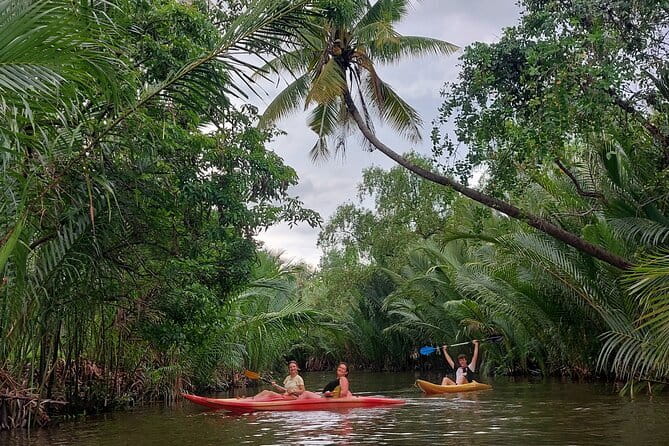
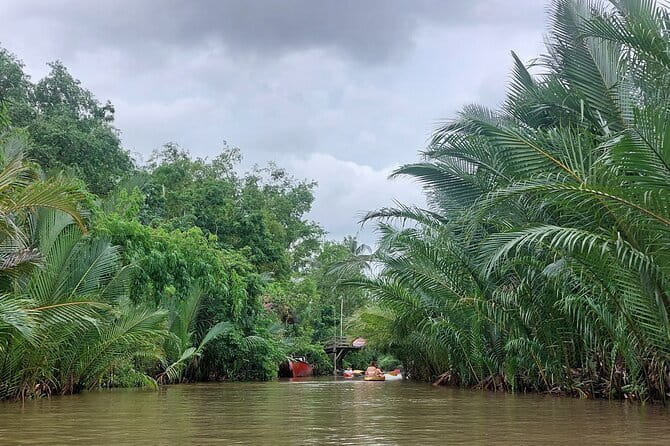
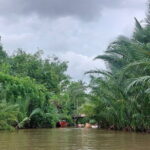
The highlight for many people is the kayak trip into the narrow river, known as the Green Cathedral, plus time on the beautiful Kampot River. This part lasts about 4 hours, which is long enough to feel like you actually did something, not just tried a paddle and called it a day.
The best way to think about it is this: the earlier stops are about land and history. Kayaking is where the day becomes personal and physical. Narrow channels mean you’re moving through a tight, green corridor where the river feels close, not wide and indifferent.
The tour also includes time for swimming and watching the sunset. That’s a big deal for value because it turns kayaking from a short activity into a half-day memory. You’re not rushing; you’re spending the water time for real.
What to bring and how to plan for comfort:
- water shoes or footwear that can handle wet conditions
- a way to keep your phone dry if you want photos
- a towel or quick-dry change of clothes for after
Also remember: sunsets take time. If you’re the type who gets impatient in long waits, focus on small things—river scenery, mangrovey green tones, and the calm pacing that a small group setting allows.
Price and Logistics: Is $46 Good Value Here?
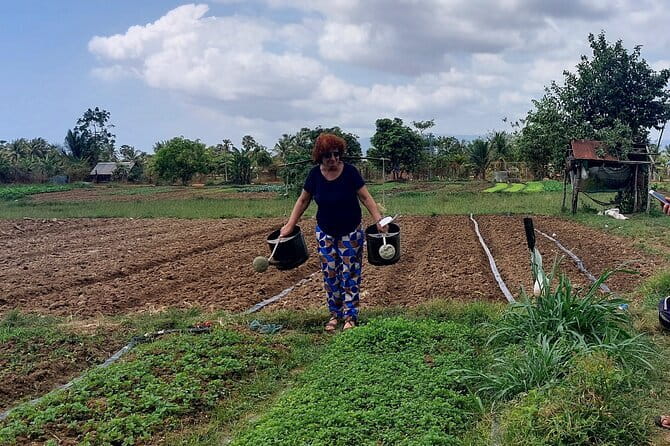
At $46 per person, this tour is priced like a budget-friendly “do a lot” day, but it doesn’t feel like you’re buying a pile of checkboxes. Here’s why it can be good value:
- Several stops list free admission tickets (salt fields, cave temple, Secret Lake, and the pepper plantation)
- Lunch is included
- The kayaking portion is a major activity you’d usually pay for separately
- Pickup is offered, which saves you the time and cost of arranging transport
Group size helps too. A max of 8 travelers means you’re not splitting attention across a big crowd, and the guide can keep the day moving without constant delays. When the organization is tight, the whole experience feels smoother, especially on a long day.
One more practical point: confirmation is received at booking, and you use a mobile ticket. That tends to reduce hassle at the start of the day.
If you want a low-stress countryside day with a real active finish, the pricing makes sense.
Who This Kampot Classic Tour Is Best For
I think this tour fits best if you want a classic Kampot countryside circuit without building it yourself. It’s a solid match for:
- first-time visitors to Kampot/Kep area who want a well-rounded day
- people who like a mix of learning stops and physical activity
- anyone who prefers smaller groups over big buses
You’ll want to be comfortable with:
- a 200-step concrete stair hike
- standing and walking through salt fields
- spending a chunk of time outside in warm weather
If you’re traveling as a couple or solo, the small-group cap still works in your favor. The tour is also described as suitable for most travelers, but cave conditions (especially in wet season) can change access.
Should You Book This Tour?
I’d book it if you want one day that covers Kampot beyond the usual river views: salt fields, a cave temple with a 7th-century site, a reservoir stop with real historical context, organic pepper tastings, and then a kayaking finish that includes swimming and sunset.
I wouldn’t book it as confidently if:
- you’re visiting during a rainy period when cave access could be limited (especially the bat cave area)
- you’re not comfortable with a stair-heavy cave approach
- you dislike long full-day tours with a packed schedule
If your goal is value and variety in a single day—and you’re okay with a bit of effort—this is one of the better ways to experience Kampot’s countryside rhythm.
FAQ
What time does the Kampot Classic Tour & Kayaking start?
The tour starts at 9:00 am.
How long is the tour?
It runs for about 9 to 10 hours.
Is pickup included, or do I need to meet at a specific place?
Pickup is offered, so you don’t have to arrange your own transfer from Sihanoukville.
What’s included in the $46 price?
You get the full guided day plan, including the kayaking portion and lunch. Several stops list free admission tickets.
Is the bat cave always part of the cave visit?
No. The bat cave is not allowed in the wet season, so access can change depending on conditions.
How many people are in the group?
The tour has a maximum of 8 travelers, so it stays small.