REVIEW · SIHANOUKVILLE
Kampot Countryside Tour – Pepper Farm, Salt Lake, Caves, and more
Book on Viator →Operated by Two Brothers Travel Cambodia · Bookable on Viator
Salt ponds and pepper tastings make Kampot feel personal. This tour strings together max 12 travelers and a hands-on route through Kampot’s salt-making traditions and pepper growing, plus time at the cave temple and a lesser-known lake. I especially like the pepper tasting moment, because it turns Kampot’s famous flavor into something you can actually compare and pick your favorite. One thing to consider: the experience lives or dies with the guide’s English and storytelling, so it helps to request a strong English communicator if you have that option.
What really makes this tour practical is the setup: private transport, bottled water, pickup and drop-off, and free admission at each main stop. On the best days, guides like Roy, Ray, or Micky set the tone with clear English and real Kampot context, including entertaining details about salt fields and rural life.
In This Review
- Key things I’d plan around
- Kampot’s salt-and-pepper route, without the big tour circus
- Price and time: why $24 is a smart way to see countryside
- Pickup, private transport, and what the day feels like
- Stop 1: Salt Fields—watching Kampot salt get made the old way
- Stop 2: Phnom Chhngok Cave Temple—cool air, climbing stairs, and views
- Stop 3: Brateak Krola Lake—quiet scenery with Cambodian context
- Stop 4: Pepper farms and tasting at La Plantation (and possibly a calmer alternative)
- Lunch stop: what’s included and what you’ll still pay for
- Guides make the difference: Roy, Ray, Micky, and why English matters
- Who this tour is best for (and who might want a different day)
- What to pack for Cambodia countryside comfort
- Should you book this Kampot countryside tour?
- FAQ
- What time does the tour start?
- How long is the Kampot countryside tour?
- How big is the group?
- What’s included in the price?
- Is lunch included?
- Do I need to pay admission fees at the stops?
- What if my pickup location is outside the selected area?
- Is the tour affected by weather?
Key things I’d plan around
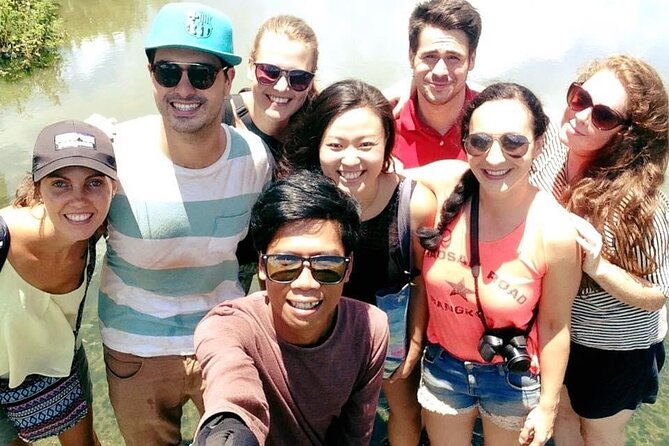
- Small group pace (up to 12) so you’re not stuck behind a crowd
- Salt fields + cave temple in one smooth morning-to-afternoon rhythm
- Pepper farm tasting where you can compare varieties and blends
- Private transport and bottled water keep the day comfortable
- Free admission at key stops helps value feel real at $24
Kampot’s salt-and-pepper route, without the big tour circus
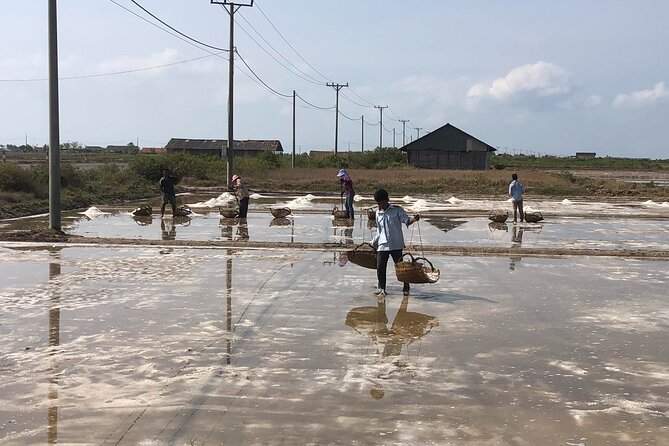
Kampot is famous for two things that feel very different in real life: salt that’s made the old way, and pepper that’s grown with serious care. This tour connects both, plus it adds a cave temple and a quieter lake stop so your day doesn’t feel like one long lesson in production methods.
Because the group is kept small (up to 12), you get breathing room. You can ask questions, slow down for photos, and spend time at the pepper farm without it turning into a hurried shopping stop.
You can also read our reviews of more tours and experiences in Sihanoukville.
Price and time: why $24 is a smart way to see countryside
For $24, you’re not just paying for transport—you’re paying for structure. The tour typically runs 5 to 7 hours, but the timing is built around short, high-impact stops:
- Salt fields (about 30 minutes)
- Cave temple (about 1 hour)
- Brateak Krola Lake (about 30 minutes)
- Pepper farm (about 2 hours)
That “short and specific” format matters in Cambodia’s heat and traffic. You’re not stuck trying to fill time on the road. You get focused blocks, and you still have enough time to walk stairs, look around, and do the pepper tasting properly.
Also, several key stops list admission ticket free, which helps the value feel less like a marketing promise and more like something you can calculate.
Pickup, private transport, and what the day feels like
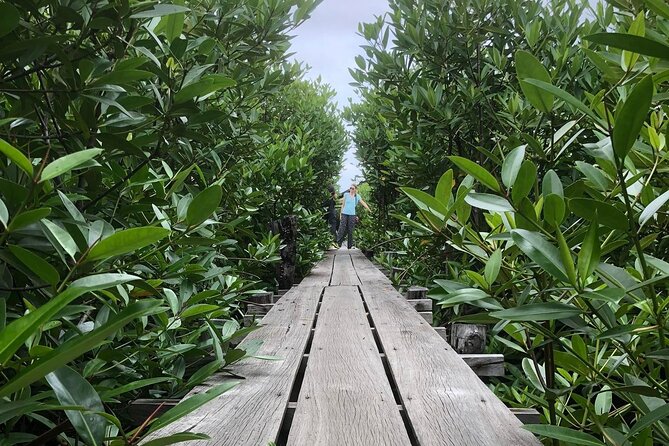
This is a pickup-and-drop-off day (start time 9:00 am). You’ll ride in private transport with bottled water included, which makes a difference on dusty roads and in that late-morning sun.
Your guide is English-speaking, and the day is guided throughout. You’ll also get a lunch stop included—though lunch itself is not included in the price. Translation: you’ll get the pause in the schedule, but you’ll still pay for your meal.
Plan for travel time. The tour notes that remaining hours of the day go to driving between stops. In practice, that usually means you’ll feel like you’re doing a full countryside loop rather than “popping in” to one place.
Stop 1: Salt Fields—watching Kampot salt get made the old way
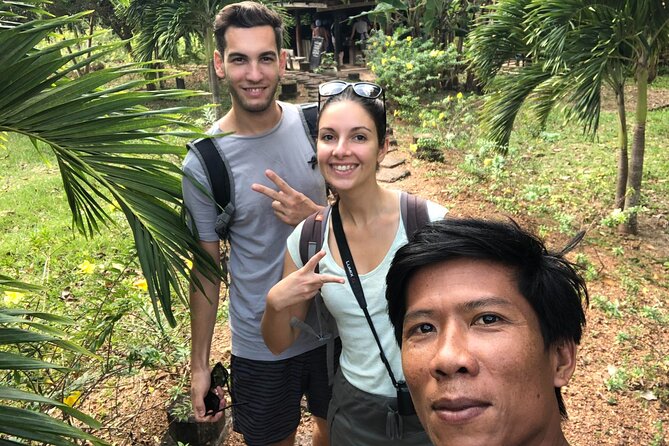
The salt fields are where the story of Kampot starts. You’ll spend about 30 minutes here, and the key benefit is that you’re seeing a working production landscape, not just a viewpoint.
This stop is also a good “reset” for the whole day. Early on, you learn what’s needed for salt production and why Kampot’s salt has such a reputation. It’s practical context—so when later you taste food with Kampot pepper, you understand why the region’s products matter.
If you’re someone who likes visuals, this is one of the easiest stops to photograph, especially because the salt ponds and patterns can look different depending on the light.
Stop 2: Phnom Chhngok Cave Temple—cool air, climbing stairs, and views
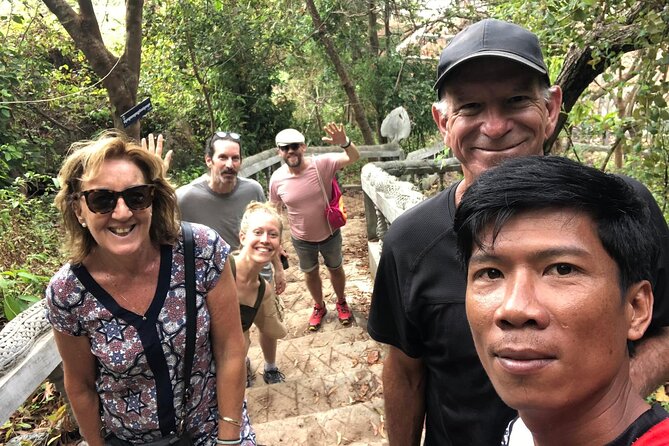
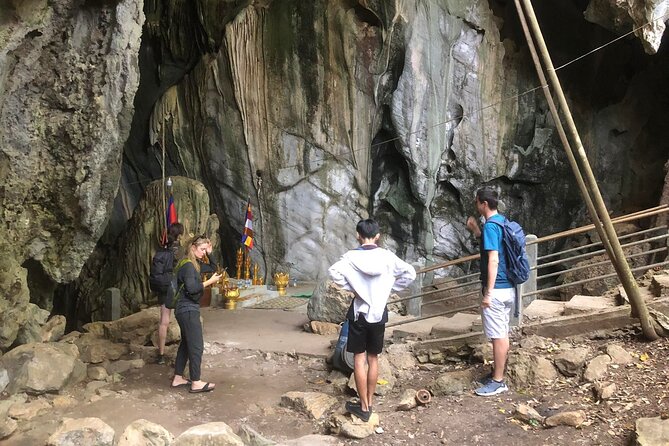
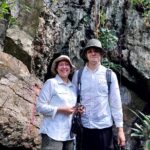
Next up is Phnom Chhngok Cave Temple, one of the older temple sites in Cambodia. The tour gives you about 1 hour here, and you’re going into a cave system.
This stop is often fun for people who don’t mind a bit of physical effort. You’ll likely deal with stairs on the way up and down, and one review specifically highlighted the stairs as part of the experience. The upside: cave temples can feel like a different world—less about crowds, more about stone, shadow, and the temple’s setting.
Practical advice: wear shoes with grip. Even if the cave isn’t slippery every time, it’s still a cave, and you’ll want stable footing.
Stop 3: Brateak Krola Lake—quiet scenery with Cambodian context
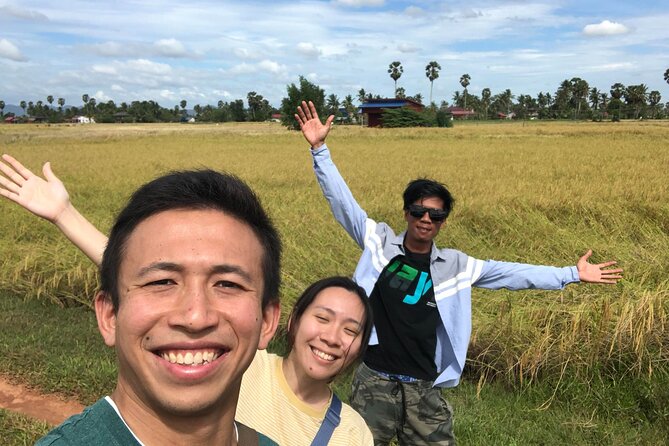
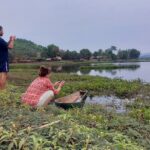
After caves, Brateak Krola Lake is a nice change of pace. It’s described as a man-made lake off the beaten path, and you get about 30 minutes there.
What makes this stop valuable is not just the view—it’s what your guide adds around history and the lake’s construction. It’s the kind of context that turns a photo stop into a moment where you understand how people shaped their environment.
If you like your days balanced—some physical effort, some scenic breathing—this stop hits the sweet spot.
Stop 4: Pepper farms and tasting at La Plantation (and possibly a calmer alternative)
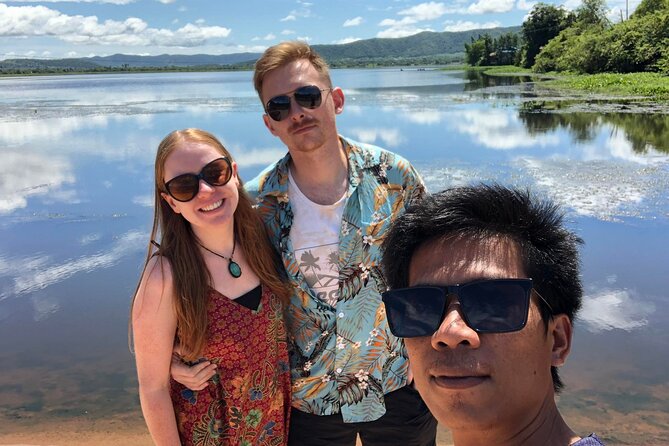
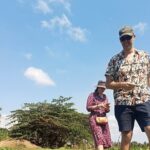
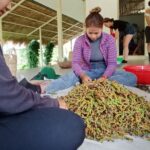
The pepper farm stop is the big payoff. You’ll spend about 2 hours here, and the tour focuses on how top pepper is grown. The best part is that you don’t just watch—you taste. You’ll sample different varieties and blends with farmers and figure out what hits your palate best.
The tour description mentions two pepper farms being available, and at least one guide recommendation shows how much that choice can matter. On one excellent day, a guide steered people toward a smaller, family-run option to save time queuing at a more popular farm. The result: a calmer visit, more relaxed conversation, and better attention during the tasting.
When it goes well, this is where you leave with actual sensory memories of Kampot. You might think you already like pepper; then you taste and realize you like a specific style more than others—earthy, floral, sharp, or mellow.
Practical note: pepper tasting can make your throat feel a little warm or dry. Have water handy (you do get bottled water during the tour, and you can always ask your guide for a moment to sip).
Lunch stop: what’s included and what you’ll still pay for
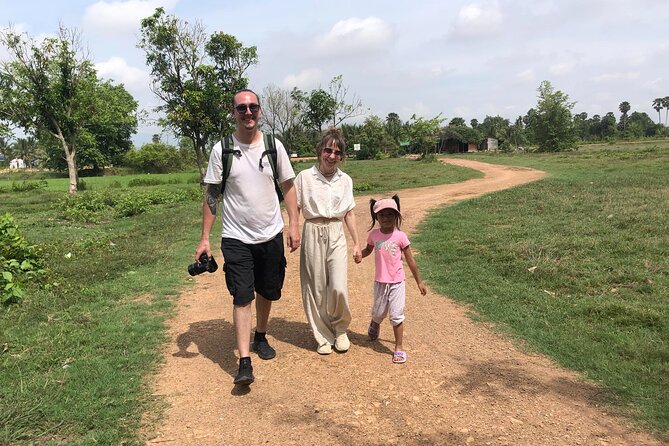
This tour includes a lunch stop, but lunch itself is not included. In other words, you’ll be given the scheduled time and the place category for lunch, but you’ll pick your meal and pay separately.
That setup can be good value because you can choose what fits your preferences and budget. Just don’t assume you’ll be fully covered for food.
One small tip from real experiences: simple farm-day treats can show up during the pepper or cave segments. In at least one case, people mentioned enjoying pancake and juice. So if you see something offered, it’s often part of keeping the day comfortable and moving.
Guides make the difference: Roy, Ray, Micky, and why English matters
This is an English-speaking tour, but the quality gap can be noticeable. In the best versions of this day, guides like Roy, Ray, or Micky deliver clear explanations and keep the tone friendly and lively. One review praised excellent English and how the guide’s stories made the salt and countryside feel real. Another mentioned a guide recommending a smaller pepper farm to avoid wasting time.
Now for your consideration: one experience went poorly when the guide’s English wasn’t strong enough to answer questions, and the person felt like they mostly got a driver rather than a guided experience.
So how do you protect yourself? Ask questions when you meet your guide. You’ll quickly see how they handle them. If something feels off, you can steer the day with direct prompts like:
- Can you explain what we’re seeing at the salt fields?
- What makes Kampot pepper different from other pepper regions?
A good guide will meet you there quickly.
Who this tour is best for (and who might want a different day)
This tour fits best if you:
- Want a full countryside loop in one day
- Like learning through hands-on stops (salt fields and pepper tasting)
- Prefer a small group and a personal pace
- Enjoy temple settings but don’t need a long, deep temple study
It may be less ideal if:
- You expect a highly detailed lecture-only experience—this is more “see and taste,” not museum-depth
- You’re sensitive to stairs or rougher terrain in cave areas (short stairs are part of the cave temple feel)
- You’re very dependent on excellent English for every moment—then you’ll want to pay attention to how the guide communicates early
What to pack for Cambodia countryside comfort
You don’t need fancy gear, but you do want practical basics:
- Closed-toe shoes with grip for cave stairs
- A light layer or hat for sun during driving and outdoor salt/pepper segments
- A small personal towel or tissue (dust happens on countryside routes)
- If you’re prone to dust irritation, bring a face mask just in case—one traveler even mentioned using one given by the guide
Should you book this Kampot countryside tour?
If your goal is to understand Kampot fast—salt production, a cave temple, a quieter lake, and real pepper tasting—this tour is a strong value at $24. The small group size, private transport, and free admission at key stops help the day feel efficient and worth the money.
I’d book it when you want a practical, sensory day: you learn, you walk a bit, and you leave with a clearer idea of what makes Kampot pepper special. Just make sure you’re comfortable with a cave temple stop that includes stairs, and be ready to ask your guide questions early so the day stays engaging.
FAQ
What time does the tour start?
The tour starts at 9:00 am.
How long is the Kampot countryside tour?
It runs about 5 to 7 hours, and any remaining time is spent traveling between stops.
How big is the group?
The tour has a maximum of 12 travelers.
What’s included in the price?
Included are bottled water, pickup & drop-off, an English speaking tour guide, and a lunch stop.
Is lunch included?
No. Lunch is not included, even though there is a lunch stop during the tour.
Do I need to pay admission fees at the stops?
Admission tickets for the main stops listed are free.
What if my pickup location is outside the selected area?
Pickup outside the selected area costs an additional $5.00.
Is the tour affected by weather?
Yes. This experience requires good weather. If it’s canceled due to poor weather, you’ll be offered a different date or a full refund.