REVIEW · SETE
Loupian: Tour guide of our oyster farm and tasting
Book on GetYourGuide →Operated by SANCHEZ HUÏTRES · Bookable on GetYourGuide
Oysters, but make it technical. In Loupian, this 1.5-hour visit shows you how oysters are actually farmed in the Étang de Thau, then finishes with a guided tasting and a glass of white wine.
I really like two things: the hands-on, stage-by-stage farming explanations, and the fact that you finish by tasting multiple oyster types instead of just looking at gear. The live guide runs in English or French, and the pacing is tight enough to stay interesting.
One heads-up: it’s seasonal. The farm tour runs from April 1 to the end of October, so plan around those dates.
In This Review
- Key highlights you’ll care about
- Oyster Farming in Loupian: What You Learn Beyond the Bite
- Start at the Oyster Farm Parking: Where to Be and What to Look For
- A 1.5-Hour Visit That Keeps Moving: How the Tour Flows
- Farming Stages in Plain Terms: Fining, Detroquing, Shipping
- Fining: the stage that shapes the final outcome
- Detroquing: why cleaning and handling counts
- Shipping: getting oysters from farm life to your plate
- Roped-Aging and Oyster Care: Why Rope Suspension Is Mentioned Twice
- The Tasting and White Wine: How to Make It Worth Your Time
- Price and Value in Real Terms: What $11 Gets You
- The Guide Style: Passion, Organization, and Clear Communication
- Practical Stuff to Know Before You Go
- Who Should Book This Oyster Farm Tour in Loupian?
- Should You Book Sanchez Huîtres in Loupian?
- FAQ
- How long is the oyster farm and tasting tour?
- How much does it cost?
- Where is the meeting point in Loupian?
- What’s included in the price?
- Is the tour offered in English and French?
- Is the tour wheelchair accessible?
- When is the tour open?
- Are pets allowed?
- Can I bring my own cancellation or payment flexibility?
Key highlights you’ll care about
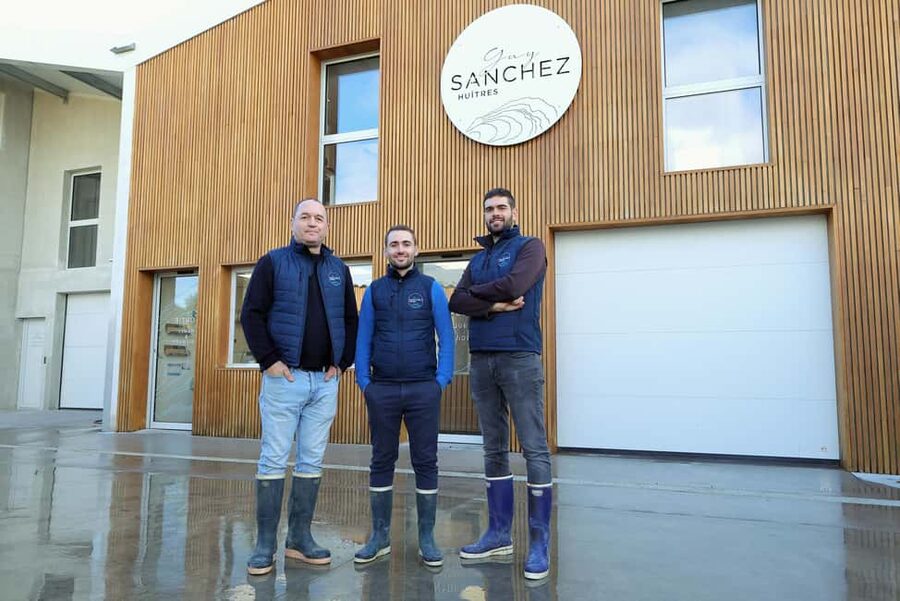
- Go behind the scenes at Le Port de Loupian: the tour starts at the oyster-farm parking area near 838 Rte de la Coquille, in front of a big brown building
- Learn the Thau basin process: you’ll hear about fining, detroquing, and shipping in plain terms
- Rope suspension aging matters: oysters are aged and pampered using rope suspension before they reach your plate
- Tasting is part of the deal: the tour ends with an oyster tasting plus one glass of white wine
- English and French live guide: you can follow along without needing French fluency
- Family business energy: the focus is on sharing tradition and know-how, not just selling food
Oyster Farming in Loupian: What You Learn Beyond the Bite
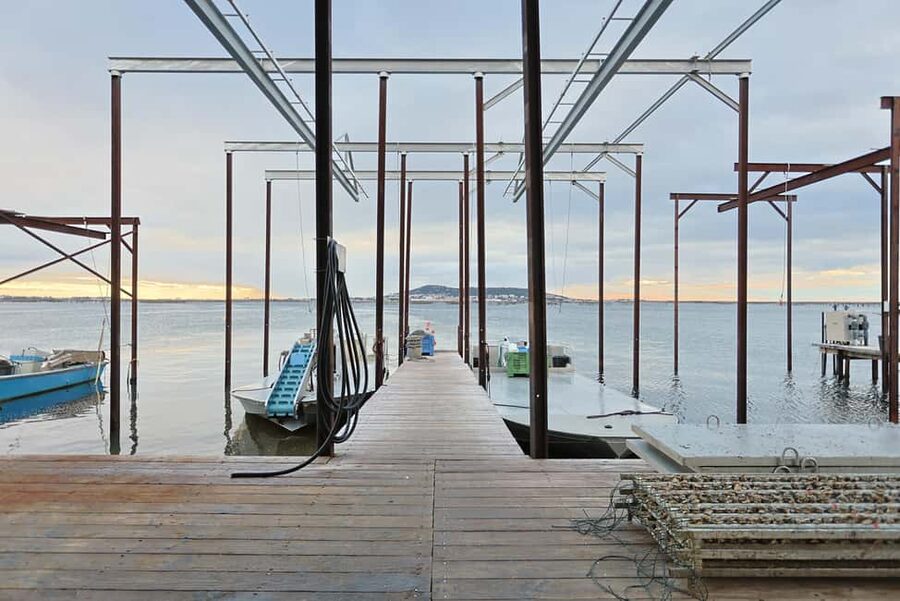
If you think oysters just appear at seafood counters, this tour politely corrects that idea. You’ll step into an active working oyster farm in Loupian in France’s South of France, in the area known for the Thau bassin (Étang de Thau). The point isn’t complicated theory. It’s understanding the rhythm of oyster farming—what changes, what gets done, and why it affects flavor.
The experience is built around two moments: the working-tour portion (seeing farming stages) and the tasting portion (trying different oyster types). That combo is smart, because you can connect what you see—like aging methods and handling steps—to what you taste at the end.
I also appreciate the tone. This is presented as a craft with know-how passed down in a family business. You’re not treated like a passive spectator. You’re guided through what happens before the oysters ever land on a plate.
You can also read our reviews of more tours and experiences in Sete.
Start at the Oyster Farm Parking: Where to Be and What to Look For
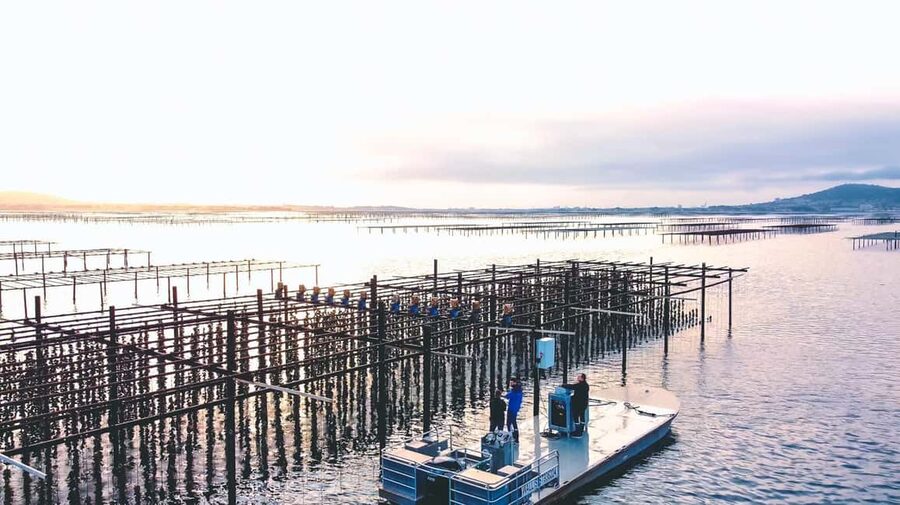
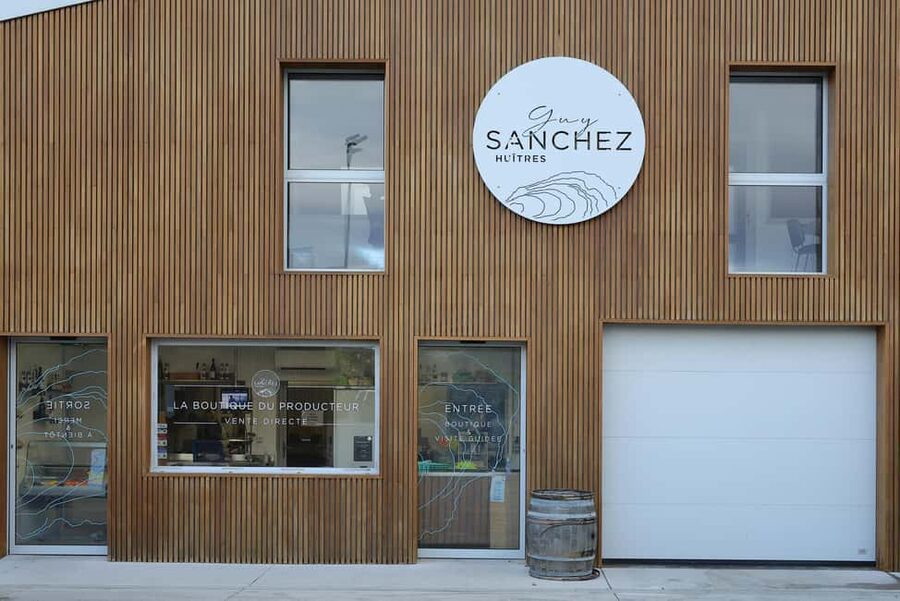
You’ll meet at the oyster-farm site in Loupian. The tour starts from the parking area at 838 Rte de la Coquille, and it’s marked by a big brown building. There’s also a reference address in Loupian: Le port de Loupian le Bourbou, 34140 Loupian.
This matters more than it sounds. Oyster farms can be a bit tricky to spot if you arrive late or rely on memory. Give yourself a few minutes to park, walk over, and get oriented before the group heads out.
Plan on bringing normal walking footwear. One practical rule: bare feet aren’t allowed, and slippers aren’t allowed either. If you’re coming in from a beach day, swap to shoes before you arrive.
A 1.5-Hour Visit That Keeps Moving: How the Tour Flows
This is a focused 1.5-hour experience, designed to fit into a day without swallowing your whole schedule. You’ll start with the guided farm walkthrough, then you’ll end with tasting.
During the farm portion, the guide keeps the story centered on stages of production in the Thau basin—so each stop feels like a step in a sequence, not random sightseeing. You’ll hear about the farming steps used to prepare oysters for final growth and harvest.
What makes the pacing work is that it ties actions to outcomes. The guide explains not just what happens (like fining or detroquing), but why those steps exist. That’s the part that turns a farm visit into a flavor lesson.
Farming Stages in Plain Terms: Fining, Detroquing, Shipping
The tour highlights several real steps you’ll hear named during the visit: fining, detroquing, and shipping. Even if you’ve never seen these terms before, the goal here is clarity—understanding what each stage is for.
Fining: the stage that shapes the final outcome
Fining is one of those words that sounds technical until you understand the purpose. In the tour’s framework, it’s part of the process that prepares oysters for better end results—because oysters aren’t just raised; they’re managed. You’re seeing how time and treatment are used to guide the final product.
Detroquing: why cleaning and handling counts
Detroquing is another key stage in the production chain. The name itself suggests a handling step, and that’s exactly how the tour frames it: it’s about moving oysters into a different phase and keeping the process under control. The practical takeaway is that oyster farming includes maintenance and work, not just waiting for nature.
Shipping: getting oysters from farm life to your plate
Shipping is included because it completes the story. It’s the last stretch—how the oysters are managed for getting them ready to serve. Hearing shipping explained during a farm tour helps you understand why timing and care matter, especially when oysters are a live, perishable product at every stage.
The bottom line: these stages connect to taste. You may not taste fining directly like a spice, but you’ll taste the effect of careful handling and proper preparation.
Roped-Aging and Oyster Care: Why Rope Suspension Is Mentioned Twice
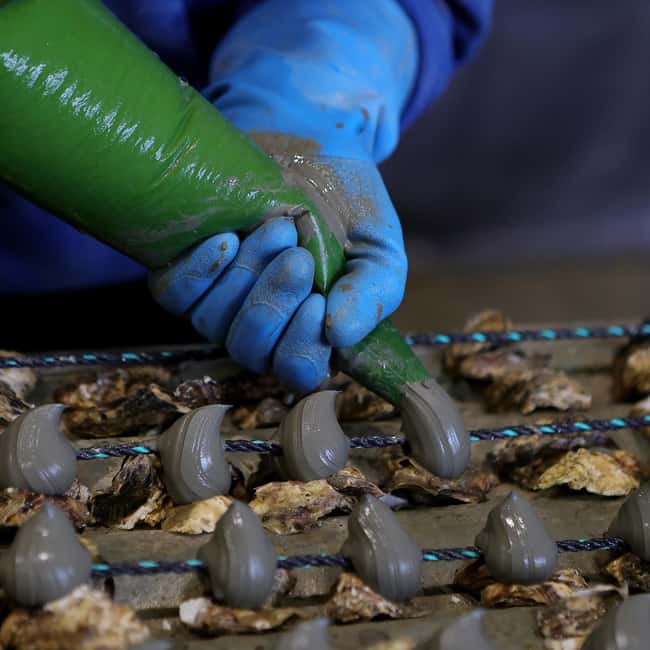
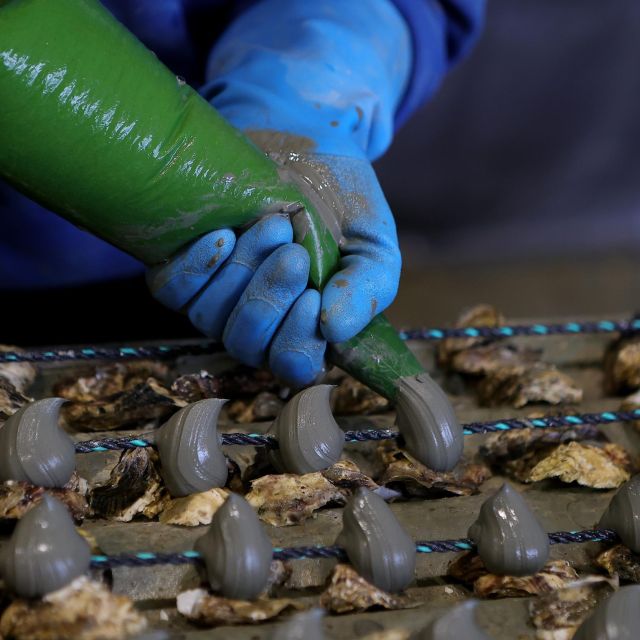
One detail the tour emphasizes is how oysters are aged and pampered using rope suspension. That’s not just trivia. Rope suspension is a method that affects how oysters are grown and matured.
The “why this matters” part is where the tour becomes useful. The guide doesn’t treat it like a buzzword. They frame it as part of the unique farming rhythm of the Étang de Thau area. When you understand that oysters are raised using specific techniques, tasting makes more sense. You’re not just sampling food—you’re tasting the result of a method.
If you like food that has a clear production story behind it, this is one of the stronger parts of the experience.
The Tasting and White Wine: How to Make It Worth Your Time
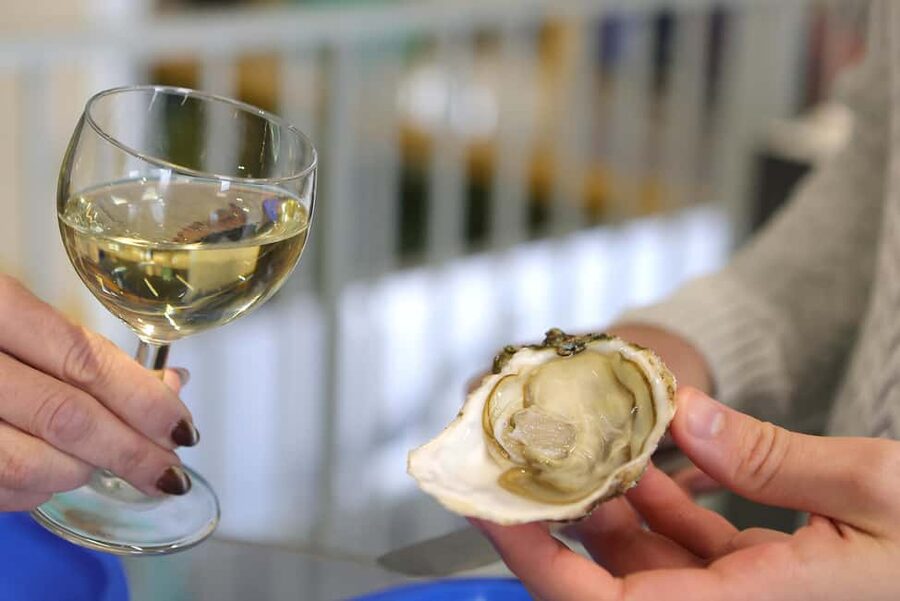
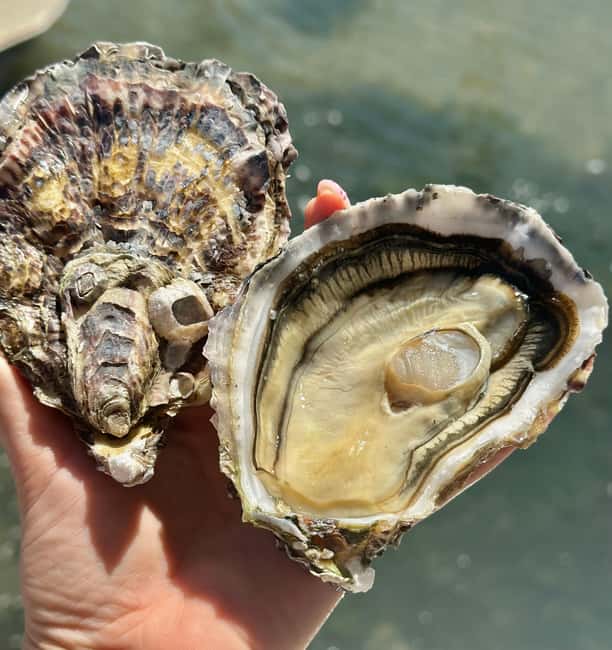
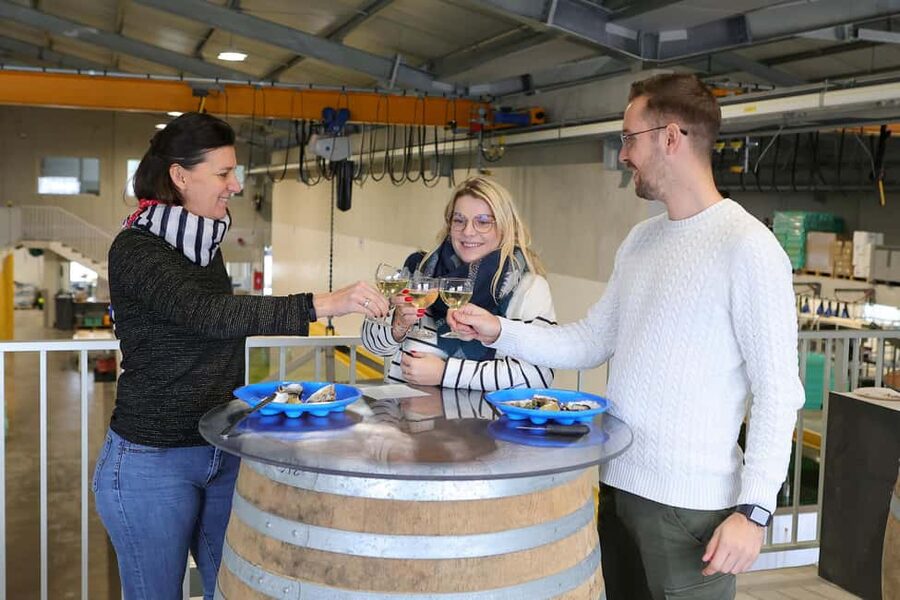
The tasting is the payoff. After the farm portion, you’ll try oysters at the end of the visit, along with one glass of white wine.
The key value here is that it’s not only about flavor. It’s also about learning what changes from one oyster type to another. The tour is built to help you compare, so pay attention as you taste instead of rushing through it like a snack.
If you’re the kind of eater who likes structure, you’ll likely enjoy the tasting format because the entire tour leads to it. You’ve heard terms and stages; now you get the practical test. Even if you’re not a self-proclaimed oyster expert, the experience is designed to bring your palate along.
And yes, the wine helps. It doesn’t turn oysters into something else. It simply gives you an extra reference point for acidity and balance as you taste.
Price and Value in Real Terms: What $11 Gets You
At $11 per person for about 1.5 hours, this sits in the category of activities that feel fair and easy to justify. You’re not just paying for a walk. You’re paying for:
- a guided farm visit (with explanations of multiple production stages)
- a structured oyster tasting
- a glass of white wine
- included parking at the meeting site
For the South of France, where food and tours can be pricey, this is the kind of deal that makes planning easier. You can build a simple day: farm tour, then lunch nearby, without needing a big budget.
One consideration: the tour is seasonal (April through late October), so the value is strongest when you can actually go. If you’re traveling outside that window, you’ll need to look for a different oyster plan.
The Guide Style: Passion, Organization, and Clear Communication
The tour guide experience is a big part of why this works. The explanations are described as dynamic and passionate, with a focus on making the visit interactive and enjoyable. The big practical win for you is that the tour is offered in English and French, and the guidance aims to be clear rather than overly technical.
If your French is limited, you’ll still get the core story. That matters because oyster farming has specific stages and names, and you want the meaning, not just the vocabulary.
You’ll also get a sense that this is a family know-how operation. The “why” behind the work is treated as part of the experience, not a background detail.
Practical Stuff to Know Before You Go
A few things make your day smoother:
- Season only: open April 1 to the end of October
- Duration: about 1.5 hours, so plan meals around it
- Footwear rules: no bare feet, no slippers
- Pets not allowed
- Parking is included, and the site has a large parking area
- Languages: English and French
- Wheelchair accessible: the tour is designed to accommodate wheelchairs
Also, since white wine is included, consider it when planning your next stop. If you’re driving yourself, keep the rest of the day in mind.
Who Should Book This Oyster Farm Tour in Loupian?
This one is a strong fit if you:
- want a hands-on food experience that connects production to flavor
- like learning how local specialties are made
- enjoy tastings that actually feel like part of the story
- want a short, efficient activity (not a half-day commitment)
It may not be ideal if you:
- want a long, leisurely farm wander with lots of free time (this is structured and timed)
- travel outside the April-to-October season window
- need pet-friendly activities (pets aren’t allowed)
If you’re pairing this with a coastal food day, it works well as a “why oysters taste the way they do” stop—before you move on to other seafood.
Should You Book Sanchez Huîtres in Loupian?
Yes, if your trip lines up with the season and you want a practical, good-value introduction to oyster farming. The combination of Thau basin farming stages, an emphasized technique like rope suspension, and an end tasting with wine is exactly the kind of experience that turns local food into something you understand.
At $11 per person with parking and tasting included, it’s also a low-risk add-on. You’re paying for a guided experience that doesn’t end at the farm gate—it ends at the table.
If you want your South of France food day to have a story you can repeat at dinner, this is one of the easiest ways to get it.
FAQ
How long is the oyster farm and tasting tour?
The tour lasts about 1.5 hours.
How much does it cost?
It costs $11 per person.
Where is the meeting point in Loupian?
Meet at the oyster farm area near 838 Rte de la Coquille, in Loupian. There’s a large parking area and a big brown building.
What’s included in the price?
You get the guided tour, an oyster tasting, one glass of white wine, and parking.
Is the tour offered in English and French?
Yes, the live tour guide speaks English and French.
Is the tour wheelchair accessible?
Yes, it is listed as wheelchair accessible.
When is the tour open?
It runs from April 1 to the end of October.
Are pets allowed?
No, pets aren’t allowed.
Can I bring my own cancellation or payment flexibility?
You can cancel up to 24 hours in advance for a full refund, and you can reserve and pay later (book now, pay no today).