REVIEW · SIHANOUKVILLE
KAMPOT TRAVEL-Pepper farm. Cave.Secret lake-Crab market & Salt…
Book on Viator →Operated by Tango · Bookable on Viator
Crab dinner and caves in one day. I love the small-group feel with guide Tango, and I love that you can watch your crab dinner cooking at Kep crab market, right in front of you. It’s the kind of day that threads temple, countryside work, and seaside food into one smooth loop.
A small note to keep in mind: the salt fields stop can be easy to miss if the day runs behind, so I’d confirm you’ll still make that final countryside segment before you settle into the market.
In This Review
- Key Highlights You Should Care About
- Kampot and Kep by Tuk-Tuk: Why This Day Feels Worth $23
- Phnom Chhngok Cave Temple: A Hindu Cave Temple Stop That’s Surprisingly Specific
- Brateak Krola Lake (Secret Lake): Beauty With a Heavy Backstory
- La Plantation Pepper Farm: Learning Pepper the Hands-On Way
- Kampot Salt Fields: Old-Fashioned Sea Salt Production (And Why Timing Matters)
- Kep Crab Market: The Best Part of the Day Is Also the Messiest
- Sunset at the Beach: A Soft Landing After a Full Day
- Guide Tango and the Private Group Factor: The Difference Between a Ride and an Experience
- Who This Tour Fits Best (And Who Might Want to Pass)
- Tips to Get More Out of Your Day
- Should You Book This Kampot and Kep Tuk-Tuk Tour?
- FAQ
- How long is the tour?
- Do I get pickup?
- Is entry included?
- What is included in the price?
- Is this a private tour?
- Where will I eat dinner?
- What stops are part of the experience?
- Does the tour use a mobile ticket?
- What’s the price per person?
- Is free cancellation available?
Key Highlights You Should Care About
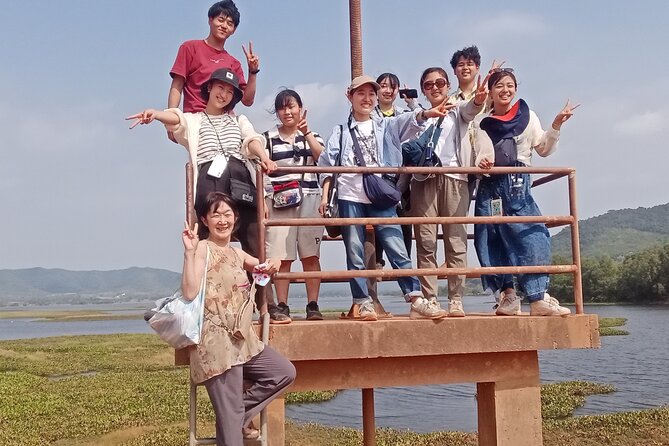
- Guide Tango keeps the pace friendly and answers questions without making you feel rushed
- Tuk-tuk touring links Kampot and Kep in a way that feels local, not like a checklist
- Phnom Chhngok Cave Temple gives you a Hindu cave-temple stop that feels different from the usual pagodas
- Brateak Krola Lake (Secret Lake) adds weight to the day with its Khmer Rouge forced-labor history
- La Plantation pepper farm walk is hands-on, with guided walks offered in French, English, and Khmer
- Kep crab market dinner is interactive, starting with choosing what you want cooked
Kampot and Kep by Tuk-Tuk: Why This Day Feels Worth $23
For $23 per person, you’re not just paying for driving. You’re paying for a full day of real stops: temple+cave, countryside production (pepper and salt), and an actual food market experience in Kep. The value jumps out because the tour includes transport and entry tickets, plus water and a banana treat (the tour lists banana fried).
The format matters too. This is set up for your group only, with a maximum of 12 people. That small size usually means easier conversation with your guide, less waiting around, and quicker course corrections if you want photos or a slower pace.
Duration is about 6 to 8 hours, so it’s long enough to feel like you left Sihanoukville-land behind and into the Kampot-to-Kep world. It also means you should bring a hat and sunscreen. You’ll be outdoors for multiple segments, especially around the pepper farm and the coastal market area.
One more thing: you’ll likely appreciate the pickup offered part. If you’re outside Kampot town, the tour notes an extra $5 charge (it references being outside and mentions 4km from Durian round about), so check that before you’re surprised at the start.
You can also read our reviews of more tours and experiences in Sihanoukville.
Phnom Chhngok Cave Temple: A Hindu Cave Temple Stop That’s Surprisingly Specific
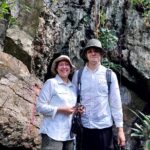
This is not a generic stop. Phnom Chhngok is known for being a unique Hindu cave temple in Cambodia, and it’s one of the standout sights in the region. Expect a cave-temple environment with enough visual character to make it feel like more than a quick photo stop.
Why I think this stop works for you: it breaks up the day from only countryside food production. Temple architecture and the cave setting give your brain a different type of interest—cooler air, dramatic shapes, and the sense that you’re seeing a place with long local meaning.
What to watch: cave sites can involve uneven paths and indoor/outdoor temperature shifts. Wear shoes you trust, and keep your phone secure while you’re walking and climbing around.
Brateak Krola Lake (Secret Lake): Beauty With a Heavy Backstory
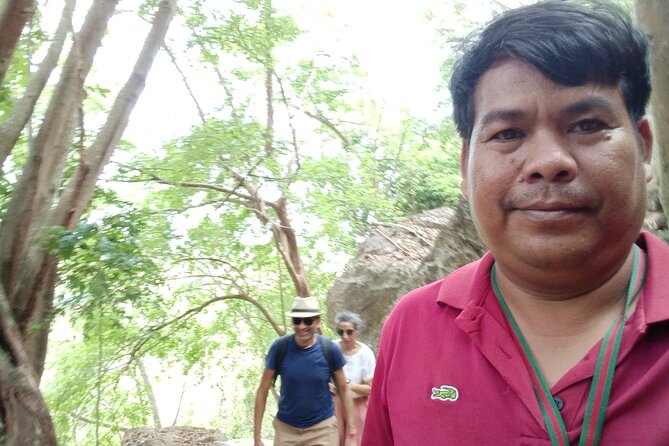
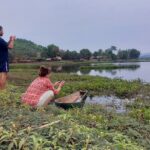
Brateak Krola Lake is often called the Secret Lake, and the name alone makes you expect something quiet and scenic. Then you learn what happened there. The lake was built in the 1970s by the Khmer Rouge using forced labour, and the history is hard to ignore.
This stop is only about 30 minutes, but it’s one of those moments that sticks because it turns a pretty landscape into a reminder of what people endured. If you’re the kind of traveler who likes context (and not just views), you’ll get a lot out of this short visit.
Practical advice: keep your time respectful. You’ll probably want photos, but don’t spend the whole half-hour treating it like a viewpoint. Take a few pictures, then slow down and read the room—literally and emotionally.
La Plantation Pepper Farm: Learning Pepper the Hands-On Way
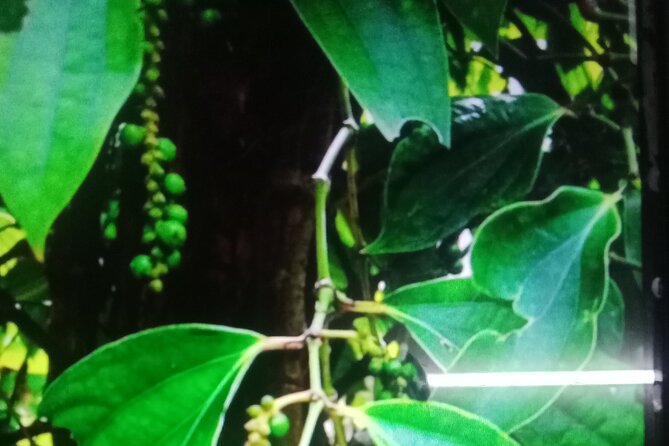
Next comes the kind of stop that makes a countryside day feel real: a working pepper farm. At La Plantation, you can join free guided walks, and the farm offers guides in French, English, and Khmer. That’s huge if you want explanations that actually match what you can understand.
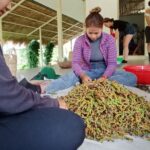
What you’ll get from the pepper farm goes beyond the plant. You’ll learn about varieties of pepper, how it’s grown, how it’s harvested, and how it’s processed. You also get an overview of other crops on the property like fruits, chillis, and herbs (the tour description includes these as part of the farm mix).
Why this is valuable: Kampot pepper is famous, but fame can flatten things. Here you see the work behind the product. Even if you only end up buying a small souvenir, you’ll understand what you’re tasting when you do.
Timing note: it’s about 2 hours, which is long enough to ask questions and get a guided flow without feeling like you’re trapped on a factory tour timetable.
Kampot Salt Fields: Old-Fashioned Sea Salt Production (And Why Timing Matters)
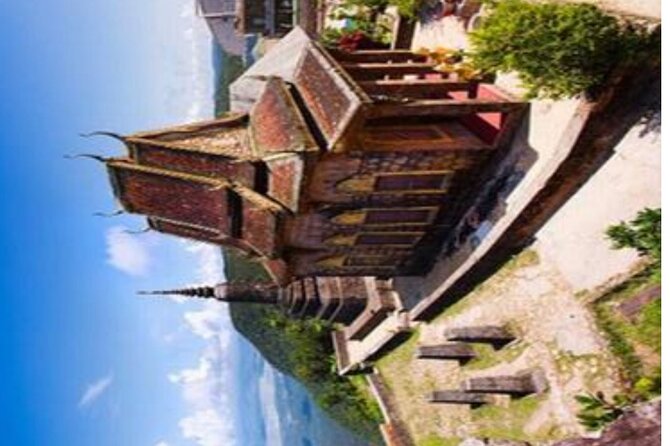
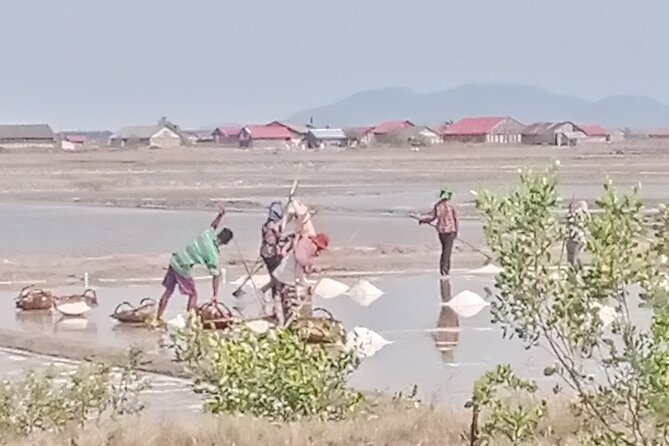
The Kampot Salt Fields are listed as a must-visit, and the key detail is that the tour focuses on old-fashioned production methods—sea salt making as it’s traditionally done in the area. You’ll also learn about the history and culture behind it, not just the mechanics.
This stop is short—around 30 minutes—so it depends on the day’s pace. That’s why I’m emphasizing a practical approach here: if you only remember one “watch this” detail, make it this. One review flagged that the salt fields didn’t get seen, and that’s exactly the kind of thing that can happen if the schedule tightens later in the day.
How to protect your experience:
- At the start, ask your guide Tango to confirm the salt fields timing.
- If you feel the day is slipping, don’t wait until the last minute when you’re already thinking about the market.
Kep Crab Market: The Best Part of the Day Is Also the Messiest
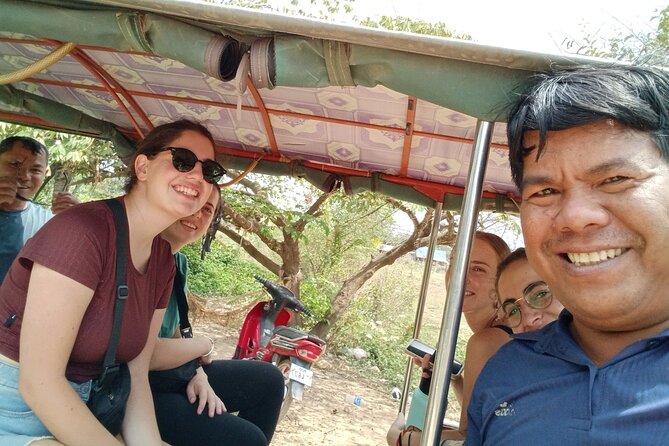
Kep crab market is where the day turns delicious. You’ll have about 2 hours here, and the tour experience is built around interactivity: freshly caught crabs and seafood arrive daily, and you can pick your catch, then have it cooked at a restaurant right there.
The tour description also calls out something you’ll actually enjoy: the chance to watch your dinner being prepared fresh in front of you. That matters more than you’d think. Food stops can turn into rushed eating. This one leans into the process.
What to expect beyond the food: it’s a true market environment. You’ll be around people, fresh arrivals, and the energy of a place that runs on seafood. Bring patience and a sense of humor. It’s not a quiet museum meal.
One more practical note: your included items list banana fried and water, but the crab dinner itself isn’t explicitly listed as included. So plan like you’ll pay for your seafood choice at the market.
Sunset at the Beach: A Soft Landing After a Full Day
After Kep’s crab market, the tour includes sunset at the beach. This is a smart way to close the loop: you go from active learning (pepper and salt production) to sensory food (crabs), then end with a slower horizon moment.
You’ll like this section if you want your day to feel balanced instead of ending abruptly. It’s also a good mental reset after walking and standing outdoors for hours.
If you’re the type who likes photos: bring your phone or camera, but also remember the beach part is about timing. Keep an eye on the guide and group movement so you don’t get separated or miss the best light.
Guide Tango and the Private Group Factor: The Difference Between a Ride and an Experience
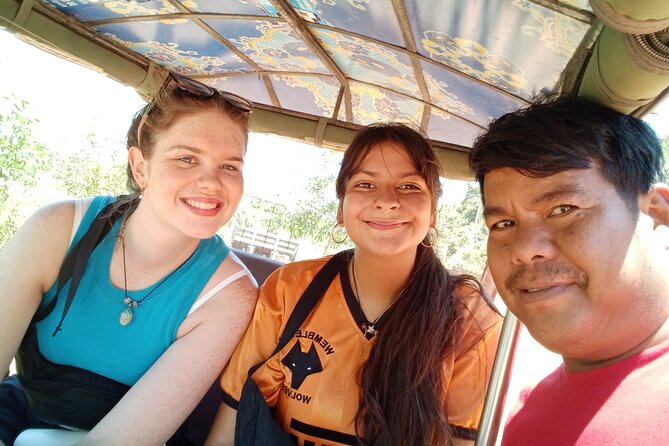
The biggest “quality marker” here is the guide. Tango is mentioned as friendly, caring, and quick to answer questions. That sounds simple, but it changes how the day feels, especially when you’re dealing with stops that have history (like Brateak Krola Lake) and production work (pepper and salt) that you’ll want explained clearly.
Because it’s a small private-group set up (max 12), you’re not stuck with a crowd rhythm. If your group wants to linger at the pepper walk or you have questions about what you’re seeing at the salt fields, you’re more likely to get that kind of flexibility.
This is also why the tour works well if you’re traveling as a couple or small group. The price is low enough to feel realistic, but the experience style stays personal.
Who This Tour Fits Best (And Who Might Want to Pass)
This tour is a strong match if you want:
- Real local production stops (pepper and salt), not just scenic driving
- A market dinner that’s interactive and visual
- A guided day that covers both Kampot and Kep without you having to coordinate transport on your own
- A manageable timeframe (6 to 8 hours)
You might think twice if:
- You’re only looking for long, slow nature time. This day moves through several distinct areas.
- You hate market environments. Kep crab market is lively, and it’s part of the point.
Tips to Get More Out of Your Day
A few practical things make the difference between a good tour and a great one:
- Wear light clothes, but use sunscreen. You’ll spend time outdoors at multiple stops.
- Bring cash for market food. The included items list water and banana fried, not seafood.
- Use the guide’s momentum. Ask questions early at the pepper farm; that’s when explanations are most useful.
- If salt fields matter to you, ask about it at the beginning and again if the schedule feels tight.
Should You Book This Kampot and Kep Tuk-Tuk Tour?
If you want a day that feels like Kampot and Kep, not like a bus route, I’d book it. The blend is strong: temple+cave contrast, a meaningful history stop at Brateak Krola Lake, then tangible countryside work at La Plantation and the salt fields, finished with a lively Kep crab market dinner and sunset.
The one caution I’d genuinely plan around is the salt fields timing. If you confirm it upfront and you go into the day expecting a mix of short stops and active learning, you’ll get great value for the money.
FAQ
How long is the tour?
It runs about 6 to 8 hours.
Do I get pickup?
Pickup is offered. If you’re staying outside Kampot town (the tour references 4km from Durian round about), there is an extra $5 charge.
Is entry included?
Yes. Entry tickets are included for the tour stops.
What is included in the price?
The tour includes transport, water, entry, and banana fried.
Is this a private tour?
It’s described as a private tour for your group only, with a maximum of 12 travelers.
Where will I eat dinner?
Dinner happens at Kep crab market, where you can pick your catch and have it cooked at a restaurant right there.
What stops are part of the experience?
You’ll visit Phnom Chhngok Cave Temple, Brateak Krola Lake (Secret Lake), La Plantation pepper farm, the Kampot Salt Fields, and Kep crab market, then finish with sunset at the beach.
Does the tour use a mobile ticket?
Yes, a mobile ticket is included.
What’s the price per person?
It’s listed at $23.00 per person.
Is free cancellation available?
Yes. You can cancel up to 24 hours in advance for a full refund.