REVIEW · SIHANOUKVILLE
Private Kampot Countryside Tour & Pepper farm, Kep/Crab Market
Book on Viator →Operated by Visit Kampot/Kep with Micki · Bookable on Viator
Salt, caves, and crab market in one day. This private Kampot-to-Kep outing is built around real countryside stops, not just photo points, with salt fields where you can walk through the work zones and learn how sea salt gets made. Guides like Micki and Kakary are known for clear explanations and a day that feels flexible.
I also love the pairing of the big nature moments with food-and-crop culture: an organic pepper plantation visit with a walking tour and pepper tasting, then time later in Kep to wander the local crab market area. Add in the scenic driving through Khmer villages and the cave-temple visit, and you get a full day without feeling rushed.
One possible drawback: pickup/drop-off can get tricky if you’re outside the included Kampot area. The tour includes pickup/drop-off only within 3 km of Kampot city centre, and one past booking had an unpleasant surprise after arriving via Sihanoukville port—so confirm your exact pickup point and any extra charges up front.
In This Review
- Key highlights to look for
- A private Kampot-Kep day that feels local, not scripted
- Salt Fields in Kampot: sea salt work up close
- Phnom Chhngok Cave Temple: 7th-century Hindu shrine + cave exploration
- Secret Lake on 1331 Road: a quiet reservoir with Khmer Rouge-era roots
- Organic pepper farm (La Plantation / Bo Tree): tasting pepper like a crop nerd
- Kep crab market and coastal wandering: seafood culture at the end of the route
- Price and logistics: what $55 really buys you
- How to time this day for comfort (and fewer grumpy moments)
- Who should book this private tour
- Should you book this Kampot countryside + pepper + Kep crab market tour?
- FAQ
- Is this tour private?
- How long is the private Kampot countryside tour?
- How much does it cost?
- What is included in the price?
- What meals are included or not included?
- Are entrance fees included for all stops?
- What happens at the pepper farm visit?
- What if the weather is poor?
Key highlights to look for
- Salt fields walk with on-the-spot explanations about how Kampot sea salt is produced
- Phnom Chhngok Cave Temple visit with a 7th-century Hindu shrine inside
- Secret Lake viewpoint tied to the Khmer Rouge-era reservoir history (1331 Road area)
- Organic pepper plantation tour plus pepper tasting, with time for coffee and relaxing
- Kep crab market time plus surrounding coastal stops after the pepper farm
A private Kampot-Kep day that feels local, not scripted
This is a private countryside tour in the Kampot-Kep region, designed for a small group (up to 2). That matters here because the route includes a mix of walking, cave time, and driving between rural areas. With a private setup, you can slow down, spend a bit more time in a place you like, or shift the order a little if conditions feel off.
The day runs about 7–8 hours, and it starts with classic Kampot ingredients: salt and pepper. Then you move into Khmer-era scenery with a cave temple, get a quiet viewpoint at a reservoir called Secret Lake, and finish with Kep’s famous seafood culture at the crab market area.
If you’re basing yourself in the Sihanoukville area, it can be tempting to treat this as a straight “out-and-back” day. Just note: the tour’s pickup/drop-off coverage is specifically described around Kampot city centre, and some extra charges may apply outside that zone.
You can also read our reviews of more tours and experiences in Sihanoukville.
Salt Fields in Kampot: sea salt work up close
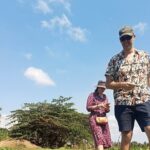
Your first stop is Kampot’s salt fields—described as the biggest salt fields area in the region. This isn’t a museum-style stop. You get a chance to walk through the salt field area, and the driver-guide is there to explain how the fields are prepared and how sea salt is harvested.
Why this first stop works: it sets the tone for the whole day. Salt is one of those things you usually only notice when it’s already on your table. Here, you see the production side early, while the rest of the day still has plenty of energy ahead of you.
What to expect in practical terms:
- You’ll spend about 30 minutes at this stop.
- You’ll have time to move around the field area, so go in with comfortable walking tolerance.
- Bring sun protection. Even if the tour provides drinking water and coconut, you still want hat/sunglasses for the open spaces.
One other small plus: starting with salt means you’re already learning Cambodian everyday work culture before you switch to temple and views.
Phnom Chhngok Cave Temple: 7th-century Hindu shrine + cave exploration
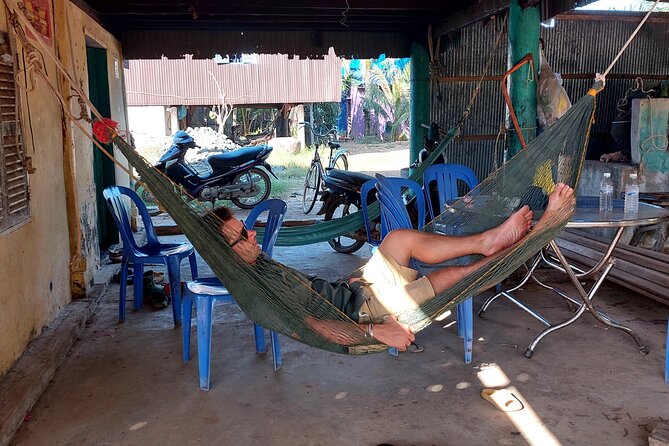
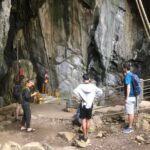
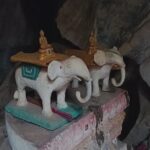
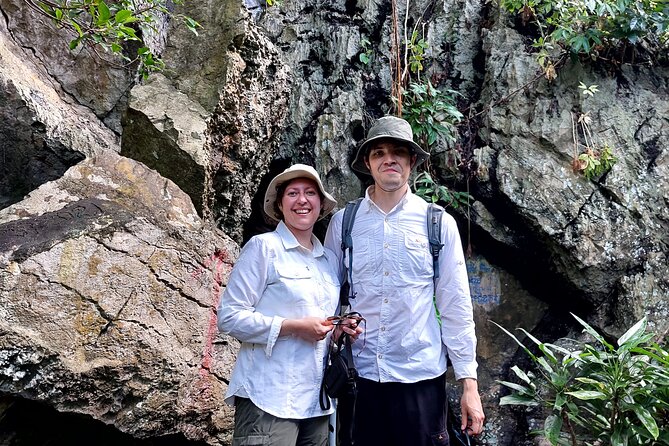
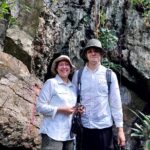
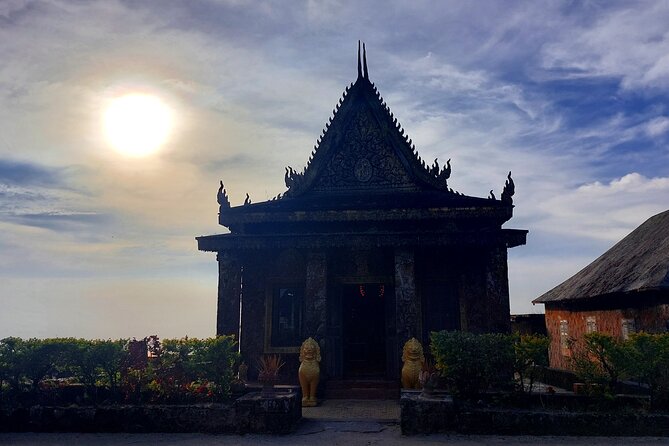
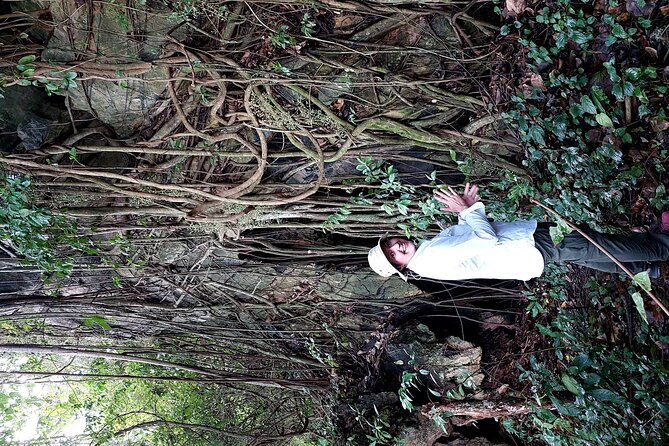
Next comes Phnom Chhngok Cave Temple. The schedule gives you about 30 minutes of cave exploration, then time to see a 7th-century Hindu temple inside the cave.
Caves can be cool and damp, and that’s part of the experience—but it also means footing can be uneven. The tour doesn’t spell out gear, so I’d treat this as a normal “cave walking” situation: wear shoes with grip and take it slow inside.
After the cave time, there’s a 30-minute scenic drive through a traditional Khmer village area in the countryside. That drive is more than a reset. It’s one of those quiet transitions that makes the day feel like a journey through daily life, not just a list of attractions.
What I like about this stop: it connects two kinds of Cambodia you don’t always see together. You get a spiritual site in a natural setting, then you roll into village scenery right after.
Secret Lake on 1331 Road: a quiet reservoir with Khmer Rouge-era roots
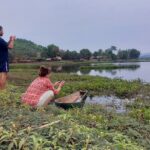
Then you head to Secret Lake, associated with the 1331 Road area. The time here is about 45 minutes, and the highlight is the viewpoint over a reservoir.
This stop has a specific historical anchor: it was built during the Khmer Rouge regime between 1975 and 1979. The tour frames it as a reservoir in the hill area that creates a peaceful atmosphere, with enjoyable views.
A quick reality check: the point of this stop isn’t to treat the past like a trivia lesson. It’s a perspective moment. You’ll be standing at a landscape created by hard history, then asked to notice how calm and ordinary it can look today.
If you like photos, this is one of the better chances for wide views without needing a long hike. If you prefer to keep things low-key, it’s also one of the easier parts of the day—short enough to stay fresh for Kep at the end.
Organic pepper farm (La Plantation / Bo Tree): tasting pepper like a crop nerd
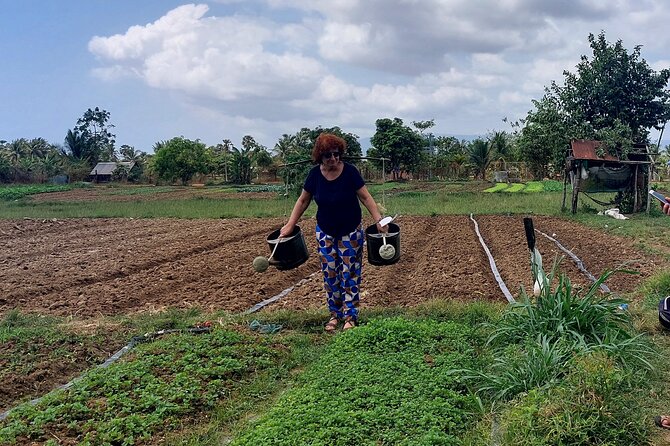
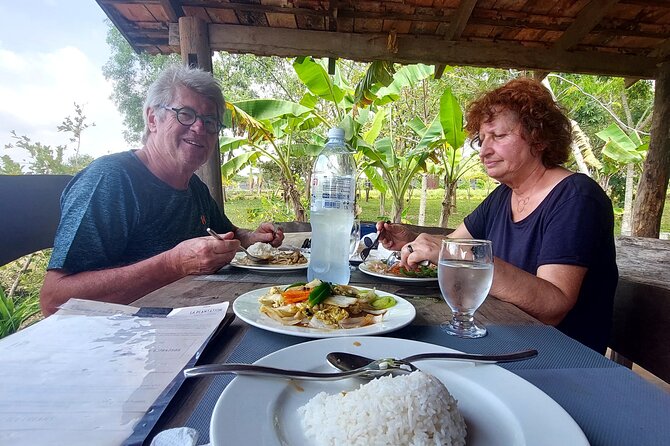
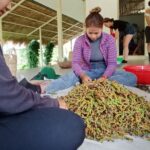
The pepper farm stop is where Kampot becomes culinary. You’ll visit an organic pepper plantation, and the tour includes a “walking” experience plus pepper tasting.
The schedule gives about 2 hours total at the plantation, with the pepper farm tour itself taking around 1 hour. That structure is nice because it balances learning with breathing room. You’re not stuck in a tight guided-only loop.
You can also take time for yourself there, such as grabbing coffee and relaxing, depending on how the farm visit is paced.
One practical note: pepper tastings can be spicy or strong in smell. If you’re sensitive to strong flavors, it’s still usually easy to manage—just go slow with the tasting part and don’t feel pressured to finish samples quickly.
Why pepper matters here: Kampot’s pepper isn’t just a souvenir. It’s part of the region’s daily economy and identity. When the guide ties what you’re seeing to how people grow and harvest it, you understand why local pepper is so prized.
Also, the experience is described as visiting either La Plantation or Bo Tree farm. If one sounds more appealing, you can ask which one you’ll visit when you book.
Kep crab market and coastal wandering: seafood culture at the end of the route
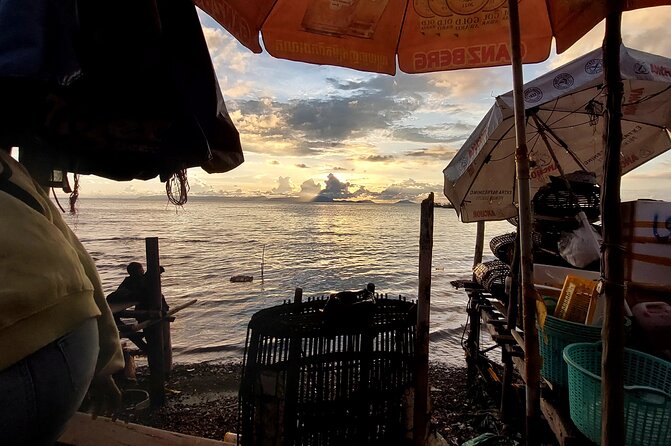
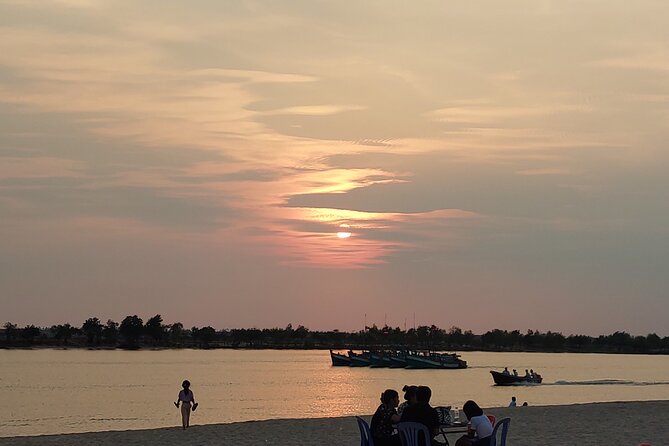
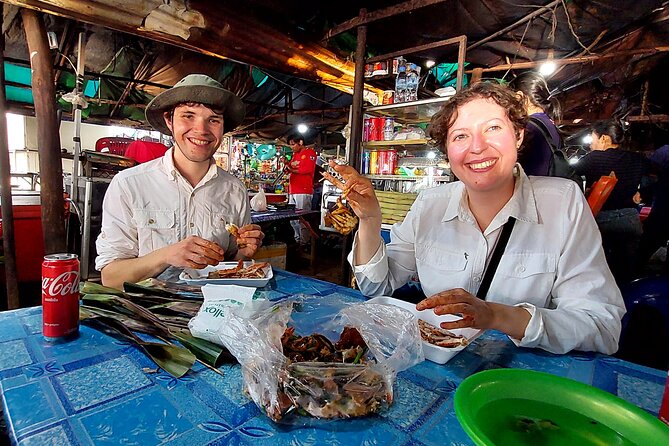
After pepper farm, you head to Kep town for the final stretch. The stop is about 2 hours 30 minutes, which is long enough to actually enjoy the market area instead of sprinting through it.
The centerpiece is the local crab market, and you’ll also have time for lunch, though lunch isn’t included in the tour price. That means you pick your own restaurant from what the guide recommends (or you use your own judgment if you spot what looks good).
Then comes “around Kep” time: the tour description mentions the beach area and even some abandoned villas in the surrounding region. Those stops are ideal for a slow walk after a full day of driving and cave time.
What this ending does well: it shifts you from learning mode to enjoyment mode. Salt and pepper are hands-on and educational. Kep is where you cash in on that knowledge with food and atmosphere.
One more detail I found helpful from past experience: guides often help with where to eat crab and shrimp in Kep, especially if you’re chasing the local specialty. So if you care about ordering well, ask early and don’t wait until you’re hungry.
Price and logistics: what $55 really buys you
The cost is $55 per group, up to 2 people. For a day that includes multiple stops, a private guide/driver experience, and entrance fees, that’s decent value if you actually want the countryside route rather than just a single attraction.
Here’s what’s included:
- Pickup/drop-off under 3 km outside Kampot city centre
- Drinking water and coconut
- Entrance fees
Here’s what’s not included:
- Breakfast
- Lunch
That meal setup is common for tours like this, but it does change how you plan your day. If you don’t eat breakfast, you’ll likely want a light snack on your own before the salt fields stop. And for lunch, budget time to choose a crab-focused meal in Kep.
Pickup is the main logistics point to double-check. One caution from a past booking involved an unexpected cash charge when dropped at Sihanoukville port. The tour provider’s response also indicates the tour start/end is in Kampot province, even though it may show up under Sihanoukville in some listings. Translation: confirm the exact pickup location and any extra fees for distance or port transfers before you go.
How to time this day for comfort (and fewer grumpy moments)
Even without changing the schedule, you can make the day feel smoother with a few choices:
- Wear shoes you don’t mind getting dusty or a bit damp. You’ll do salt-field walking and cave exploration.
- Bring sun protection. The open-air salt fields and viewpoint stop can be harsh if the sun is strong.
- Plan for a strong afternoon. Pepper plus Kep market time can run late if you linger, and the day is long enough that an early snack can save you.
- Ask your guide to tailor the pacing. Past guides (including Micki and Kakary) have been described as flexible—adjusting how long you spend, whether roads are bumpy vs smooth, and which details to focus on.
If you have food preferences, say so early. One past booking noted that the guide adjusted the day when the traveler wanted to buy durian. That’s a good reminder: a private format is for your interests, not just the standard checklist.
Who should book this private tour
This works best if you want:
- A small-group or private day (up to 2) rather than a shared bus
- A mix of working countryside (salt), heritage (cave temple), and food culture (pepper and Kep crab)
- A guide who explains what you’re seeing, instead of just pointing at sights
It may not be ideal if:
- You strongly prefer a slow day with minimal walking and cave exposure
- You expect all meals to be included
- You’re counting on a simple transfer from Sihanoukville port without extra pickup logistics—if you’re coming from there, confirm details ahead of time
Should you book this Kampot countryside + pepper + Kep crab market tour?
If your ideal day includes salt fields, a cave Hindu temple, Secret Lake views, and a pepper tasting before ending in Kep for crab market time, then yes—this is one of the better-structured private days in the area. The entrance fees are included, and you also get water and coconut, so the budget stays predictable.
The only reason to hesitate is the pickup/extra-fee angle. If you’re outside Kampot city centre, or you’re trying to start/finish at Sihanoukville port, do the extra confirmation work before you pay. Once that’s clear, this is a solid way to see Kampot and Kep in one go—without losing the countryside texture that makes the region worth visiting.
FAQ
Is this tour private?
Yes. It’s a private tour/activity, so only your group participates.
How long is the private Kampot countryside tour?
The duration is about 7 to 8 hours.
How much does it cost?
It costs $55 per group, up to 2 people.
What is included in the price?
Pickup/drop-off under 3 km outside Kampot city centre is included, along with drinking water and coconut, plus entrance fees.
What meals are included or not included?
Breakfast and lunch are not included.
Are entrance fees included for all stops?
Entrance fees are included, and some stops are listed as free for tickets (Secret Lake, the pepper farm stop, and Kep).
What happens at the pepper farm visit?
You visit an organic pepper plantation for a walking tour and pepper tasting. The farm visit also allows time to relax, such as having coffee.
What if the weather is poor?
This experience requires good weather. If it’s canceled due to poor weather, you’ll be offered a different date or a full refund.