REVIEW · SIEM REAP
Lotus Silk Farm: Discover Learn and Experiment the Lotus Flower
Book on Viator →Operated by LOTUS SILK FARM · Bookable on Viator
Lotus isn’t just a pretty flower. This Siem Reap morning turns it into hands-on crafts, guided around what people make from every part of the plant, from tea to fiber. I also love the finishing touch: a peaceful boat ride through the lotus fields.
The value here comes from doing, not just watching. You’ll rotate through multiple handicraft stations, with time to make souvenirs yourself and learn how artisans use lotus in daily life. One consideration: it’s a workshop, so expect a little mess and plan for materials you might touch and handle.
In This Review
- Key highlights before you go
- Lotus Silk Farm Siem Reap: what the experience is really like
- First stop: tea, introductions, and the lotus “why”
- The six lotus workshops: what you’ll actually make
- Lotus seed pods and plant parts become jewelry
- Lotus fiber work: from stalk to silk-like strands
- Paper and incense-style products using lotus materials
- Yarn/textiles crafts that connect lotus to weaving
- Folding/assembling: a lotus-flower style keepsake
- The big picture: six crafts, one plant
- How the boat ride changes the pace (and why it matters)
- Price and value: why $47 can make sense here
- Getting there and planning your timing in Siem Reap
- Who should book Lotus Silk Farm (and who might not love it)
- Practical tips to make the most of your lotus morning
- Should you book Lotus Silk Farm?
- FAQ
- How long is the Lotus Silk Farm experience in Siem Reap?
- Where does the experience start and end?
- Is there a limit on group size?
- What will I do during the workshops?
- Is there an included boat ride?
- What souvenirs can I expect to make?
- Do I need to print a ticket?
- When will I receive confirmation after booking?
- Is the experience affected by weather?
- What is the cancellation policy?
Key highlights before you go
- Six lotus workshops: You’ll work through different hands-on crafts using parts of the lotus plant.
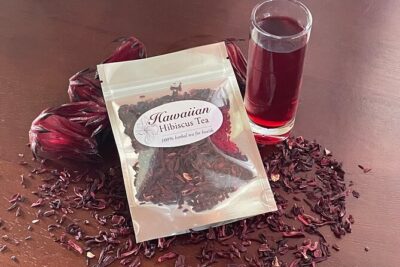
- Start with lotus tea: A simple cup to set the theme before you start making things.
- Make multiple souvenirs: Expect items like bracelets, paper, and lotus fiber products.
- Small group cap (max 15): Better pacing, more questions, less crowd pressure.
- Boat ride through the lotus area: A calm change of tempo from crafting.
- Local artisan focus: You learn how lotus fits into real work and real products.
Lotus Silk Farm Siem Reap: what the experience is really like
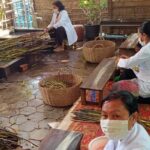
Lotus Silk Farm is set up for a short, friendly “learn and experiment” session. You show up, get a cup of lotus tea to start, and then you work through several craft stations focused on the lotus plant. It’s not an art class where you copy a model. It’s closer to a guided workshop where the lotus is the raw material and the staff teach you how to turn it into useful things.
What makes it especially satisfying in practice is the variety. You’re not only learning the botanical side (how different lotus parts are used). You’re also doing the steps that turn those plant parts into products, the kind you can actually take home.
And because the group is capped at 15 travelers, the experience tends to feel calmer and more personal. You’re more likely to get help when you need it, rather than having to keep moving just to keep up with a big crowd.
You can also read our reviews of more tours and experiences in Siem Reap.
First stop: tea, introductions, and the lotus “why”
The workshop begins at Lotus Silk Farm Siem Reap (11 road 63, ភ្នំក្រោម 17250, Cambodia), and you’ll be back at the same meeting point when it ends. After you settle in, you start with lotus tea. It sounds small, but it’s a smart way to ground the rest of the morning. You’re tasting the end result before you see the process behind it.
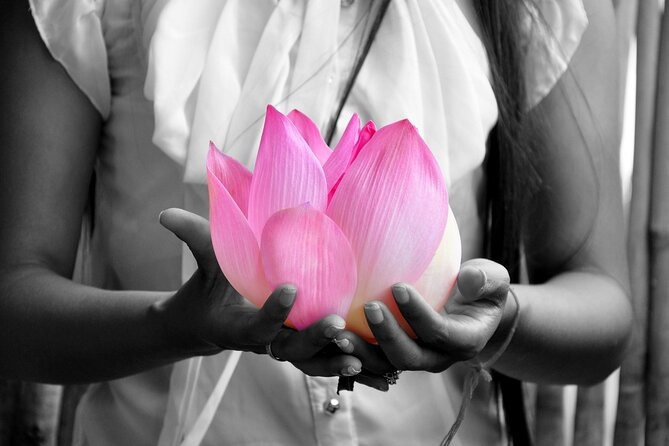
From there, you’ll get explanations about how lotus is used beyond the flower. People in the area have figured out ways to use lotus for tea, textiles/fibers, jewelry-like seed-pod crafts, paper, incense-style products, and more. That matters because it reframes lotus from something ornamental into a working plant with many “outputs.”
This is also where you’ll get context about the artisans and their day-to-day work. Even if you’re not a craft person, the social side is part of the point: you’re seeing how local makers turn raw botanical material into products that connect with visitors.
The six lotus workshops: what you’ll actually make
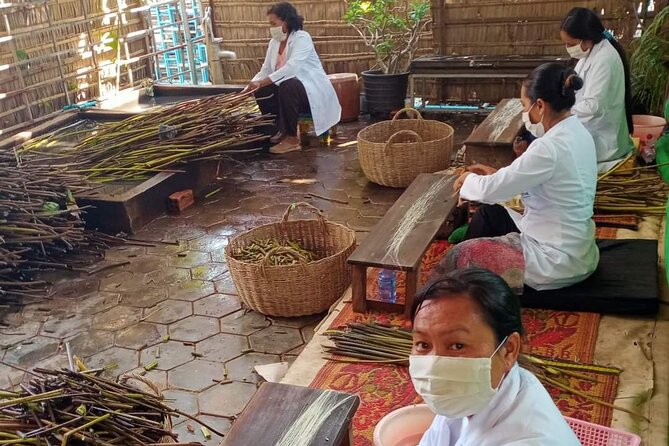
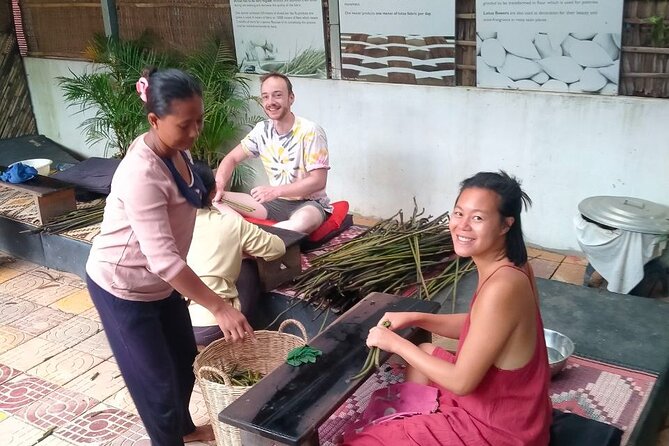
The experience is built around six handicraft workshops, all using parts of the lotus flower. The exact items you make can vary by how the stations are organized that day, but based on what’s commonly produced here, you can expect a mix of paper-making, fiber work, and small accessories.
Here are the main crafting categories you should be ready for:
Lotus seed pods and plant parts become jewelry
One of the most popular crafts is working with seed pods—including making seed pod bracelets. You get the idea quickly: lotus seed pods can be strung, shaped, and turned into wearable items. If you like small, handmade souvenirs you can gift right away, this station is a strong choice because the materials are eye-catching and the process is tangible.
Lotus fiber work: from stalk to silk-like strands
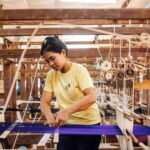
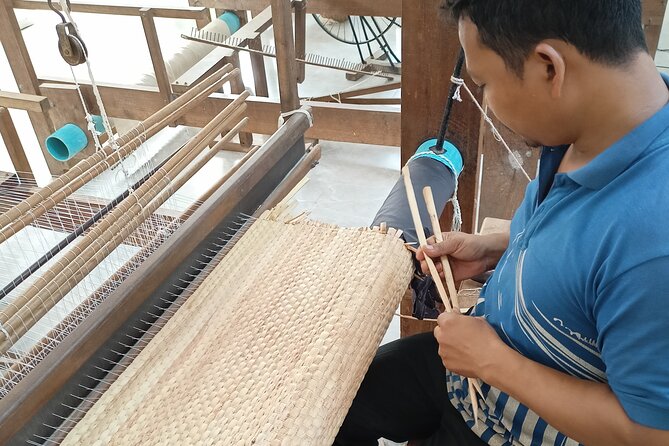
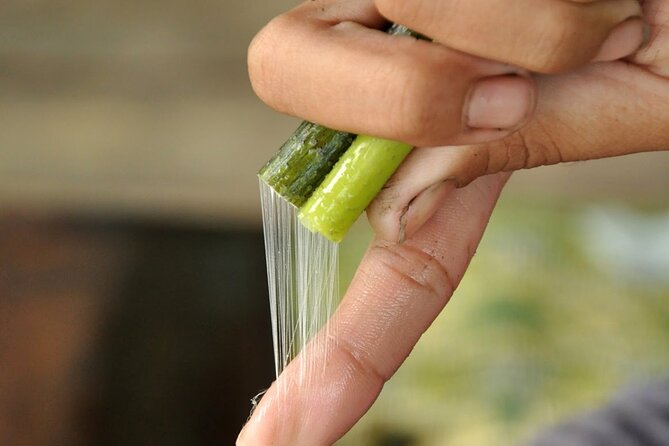
You may also get hands-on with extracting fiber strands from the lotus stalks. This part is fascinating because it shows how the “silk” in Lotus Silk Farm isn’t just branding—it connects to actual plant fiber processing. Even if the steps are time-limited, you come away with a clearer mental picture of how plant-based textile fibers are made.
Practical note: fiber work can be a bit fiddly. Go slowly, follow the staff cues, and don’t worry if your first try looks imperfect. That’s normal in a workshop like this.


Paper and incense-style products using lotus materials
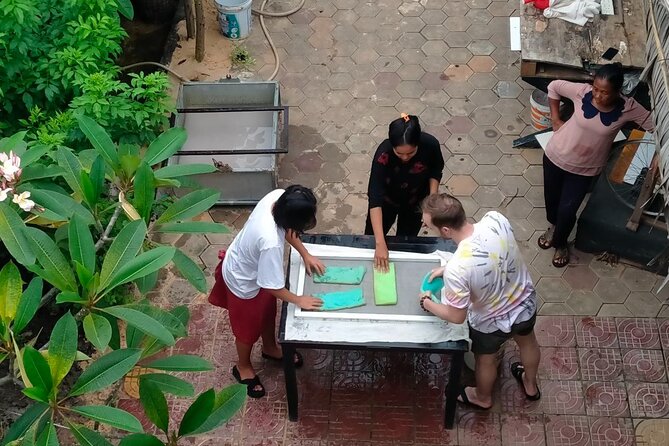
Paper-making is another highlight, where lotus is used as part of the process and/or the product. Paper from lotus materials tends to feel special because it’s not the paper you’re used to buying at a store. You’re making it in a workshop setting, and that makes it a fun, personal souvenir.
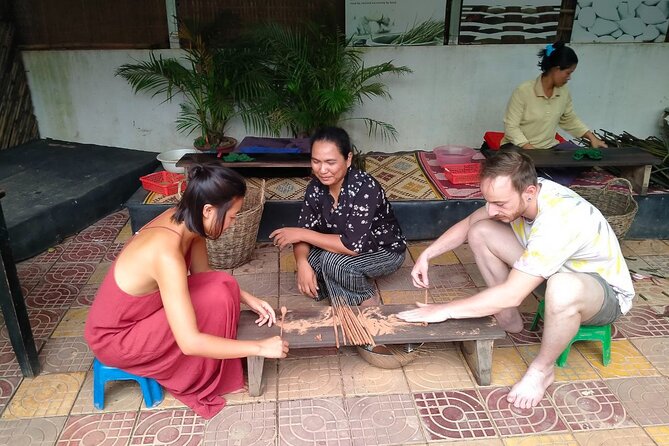
You might also work on incense-style items. That’s a different sensory dimension compared to jewelry or paper. You’ll likely get a quick understanding of how plant materials can be processed into products used in everyday life.
Yarn/textiles crafts that connect lotus to weaving
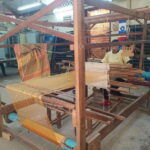
Depending on the flow of the day, you may get to try yarn/textile-related steps. This is where the lotus plant’s role in sustainable fashion becomes more than a slogan. You’re learning the bridge between botany and what eventually becomes usable thread or craft material.
Folding/assembling: a lotus-flower style keepsake
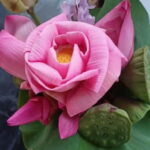
Some craft stations focus on shaping or assembling lotus-inspired pieces—like folding a lotus flower or creating a necklace-style souvenir. This type of station is great if you want something you can wear or keep that looks like it came from a maker, not a mass-produced shop.
If you want the shortest path to a souvenir you’ll actually use, accessories and wearable crafts are the easiest wins.
The big picture: six crafts, one plant
What ties all stations together is the repeated theme: you’re learning how one plant supports many practical products. That makes this workshop feel coherent even though you’re doing different activities. You’re not bouncing between unrelated crafts; you’re seeing a system.
And yes, you’ll likely talk with staff about cultivation and why different parts of the plant are handled differently. It’s the kind of conversation that makes you look at lotus fields differently after you leave.
How the boat ride changes the pace (and why it matters)
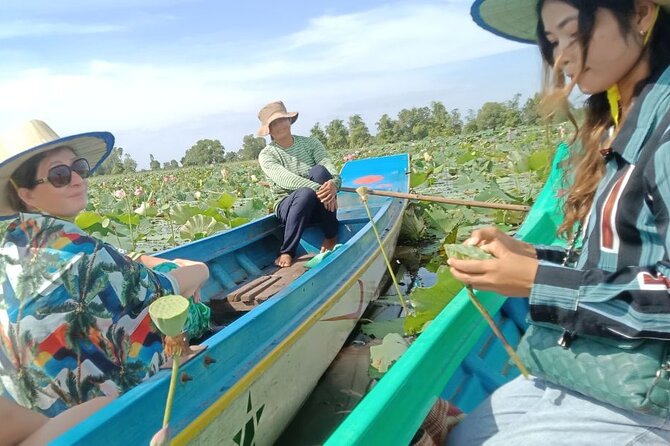
After the workshop stations, you wrap up with a boat ride to the lotus field. This part is widely praised because it shifts you from hands-on making to a slow, scenic reset.
The ride runs through an area associated with water lilies and lotus, and the mood is described as gorgeous and serene. That matters because it helps you process what you just learned. Crafting can be mentally busy. The boat ride gives you time to look at the same plant you’ve been working with, now in its natural form on the water.
If you’re the kind of person who likes experiences with a rhythm—activity, then calm—this ending is exactly that.
Price and value: why $47 can make sense here
At $47 for about 3 hours, this workshop can feel like a bargain if you’re comparing it to the cost of buying handmade souvenirs in town. The difference is that you’re not only purchasing a product—you’re creating it. That changes the value equation.
Here’s what you get for your money that’s hard to replicate elsewhere:
- Multiple workshops (six craft stations) rather than a single demo.
- You make several souvenirs, not just one small item.
- You learn the lotus-to-product logic, including how artisans use different plant parts.
- A included boat ride that finishes the experience in a scenic way.
Group size also affects value. A max of 15 travelers isn’t just a comfort perk. It affects how much time you actually get with the staff at each station. In a workshop, that matters more than you might think.
Is it expensive compared to a quick market stop? Sure. But it’s cheaper than it would be if you tried to recreate six workshops on your own, using your own supplies and time.
Getting there and planning your timing in Siem Reap
This starts and ends at the Lotus Silk Farm address in the region around ភ្នំក្រោម. It’s listed as near public transportation, which is helpful if you don’t want to rely entirely on private arrangements.
The duration is around 3 hours, so it fits neatly into a morning slot. If your day is already packed around Angkor Wat, this is a good contrast: a softer, quieter activity focused on crafts and nature rather than temples and big crowds.
Because it’s an outdoor-and-water combination, plan around weather. If conditions are poor, the activity can be adjusted, offered on a different date, or refunded.
Who should book Lotus Silk Farm (and who might not love it)
This is a strong pick if you:
- Want a hands-on souvenir that isn’t mass-produced.
- Like learning practical crafts tied to local daily work.
- Enjoy nature-based experiences that aren’t just a photo stop.
- Prefer smaller groups and more time for questions (max 15).
You might think twice if you:
- Hate workshops where you handle plant materials and craft tools.
- Need an ultra-fast, low-effort sightseeing plan.
- Are very sensitive to getting a little messy during fiber/paper stations.
Practical tips to make the most of your lotus morning
A few small things can make your experience smoother:
- Wear clothes you’re okay with getting slightly stained or dusty. Lotus-based materials can be messy during processing steps.
- Bring water. You’ll be outside for parts of the day and you don’t want to run low mid-workshop.
- Ask questions while you’re at each station. The most rewarding part is connecting the material to the product, and staff explanations are part of that.
- Take your time with the craft steps. Speed doesn’t equal quality here, and the joy is in learning the process.
- If you’re sensitive to weather changes, keep an eye on conditions. The experience requires good weather, and planning flexibility helps.
Should you book Lotus Silk Farm?
Yes—if you’re looking for an experience in Siem Reap that feels real, not just scenic. This is one of those activities where the value is in the mix: six lotus craft stations, a practical understanding of how different lotus parts become products, and a calm boat ride at the end.
Book it if you want handmade souvenirs with a story, and if you like mornings that balance making with quiet nature time. Skip it only if you strongly prefer passive sightseeing or you don’t want any chance of messy hands during workshops.
If you can fit one “craft + nature” block into your schedule, this is a smart one to put on your list.
FAQ
How long is the Lotus Silk Farm experience in Siem Reap?
It lasts about 3 hours (approx.).
Where does the experience start and end?
It starts at Lotus Silk Farm Siem Reap (11 road 63, ភ្នំក្រោម 17250, Cambodia) and ends back at the same meeting point.
Is there a limit on group size?
Yes. The activity has a maximum of 15 travelers.
What will I do during the workshops?
You’ll take part in six handicraft workshops using parts of the lotus flower. You’ll make several items yourself, such as a bracelet, yarn, and paper, and also experience other lotus-based crafts.
Is there an included boat ride?
Yes. The experience rounds off with a serene boat ride to the lotus field.
What souvenirs can I expect to make?
You can make multiple handmade items, including things like seed pod bracelets, paper, incense sticks, and lotus fiber strands, depending on the station flow.
Do I need to print a ticket?
No. It uses a mobile ticket.
When will I receive confirmation after booking?
Confirmation will be received at the time of booking.
Is the experience affected by weather?
Yes. The experience requires good weather. If it’s canceled due to poor weather, you’ll be offered a different date or a full refund.
What is the cancellation policy?
Free cancellation is available up to 24 hours in advance for a full refund. If you cancel less than 24 hours before the start time, the amount you paid won’t be refunded.