REVIEW · SIEM REAP
Half Day Trip: Silk Farm, Satcha, and Senteur d’Angkor Tour
Book on GetYourGuide →Operated by Tour Guide Team Cambodia · Bookable on GetYourGuide
Silk making starts with hungry mulberry leaves. This half-day route takes you through the full Silk Farm process and then pairs it with Cambodia’s craft scene at Satcha. I like that it’s not just watching from the sidelines; you get to see how traditional skills turn into real products. One thing to consider: this is very craft-and-shopping focused, so if you want temples only, you may feel less excited.
After hotel pickup in Krong Siem Reap, you’ll ride between stops by tuk tuk, with a calm 4-hour pace that’s easy to fit into an Angkor day. I also like the smooth flow: guided visits, photo stops, and separate entrances that help you avoid standing around. If you’re short on cash, plan to browse first and buy only what you truly want to bring home.
In This Review
- Key Things You’ll Notice on This Half-Day Tour
- A 4-Hour Craft Circuit That Fits Around Angkor Plans
- Angkor Silk Farm: Mulberry Trees, Silkworm Stages, and Real Silk Making
- Satcha Handicraft Center: Six Bamboo Workshops With Khmer-Inspired Design
- Senteur d’Angkor: Sustainable Cambodian Treasures You Can Actually Use
- Artisan d’Angkor: Watch Handicrafts Being Made and Decide What You Want to Bring Home
- How the Tuk Tuk Transfers and Short Stops Affect Your Day
- Price and Value: Why $25 for a Small Private Group Can Make Sense
- Shopping Without Getting Bored or Overpaying Your Future Self
- Who This Tour Suits Best (And Who Might Prefer Something Else)
- Should You Book the Silk Farm, Satcha, and Senteur d’Angkor Tour?
- FAQ
- FAQ
- How long is the Silk Farm, Satcha, and Senteur d’Angkor tour?
- Where does the tour start?
- Is hotel pickup and drop-off included?
- Which places will I visit during the tour?
- Is the tour private?
- Is there a guide and what language do they speak?
- Are meals included?
- Is smoking allowed?
- What should I wear or bring?
- What is included in the experience, and is there an option to cancel?
Key Things You’ll Notice on This Half-Day Tour
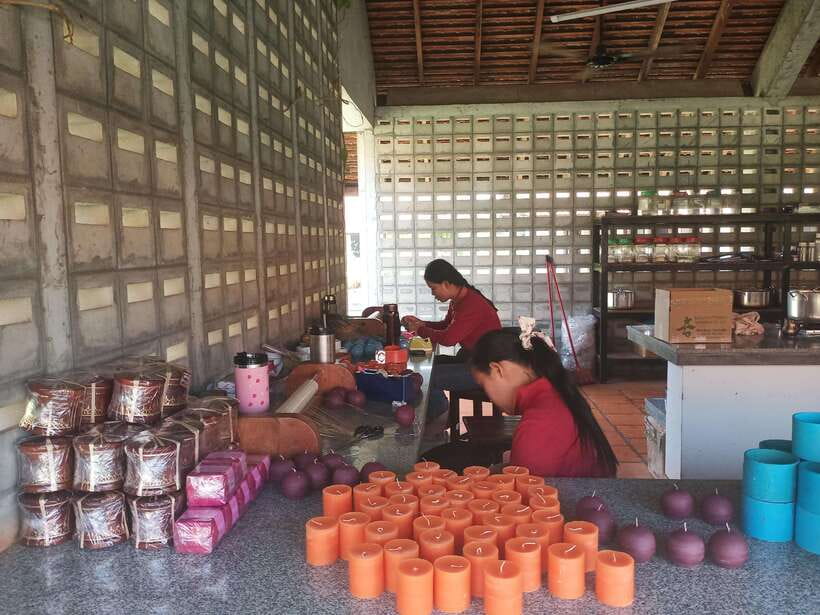
- Silk Farm lifecycle storytelling: mulberry trees, silkworm stages, and the path to finished silk fabric.
- Satcha’s bamboo-built workshops: six workshops using Cambodian bamboo from Kampong Cham, with design inspired by Khmer ornaments.
- Two more craft centers after silk: you’ll keep learning, then you’ll get practical shopping time.
- Senteur d’Angkor’s sustainable gift angle: a chance to look for Cambodian-made treasures rather than generic souvenirs.
- Artisan d’Angkor as a production stop: a final visit focused on how local handicrafts are made.
- Private group, English driver: it stays comfortable and straightforward for a small group.
A 4-Hour Craft Circuit That Fits Around Angkor Plans
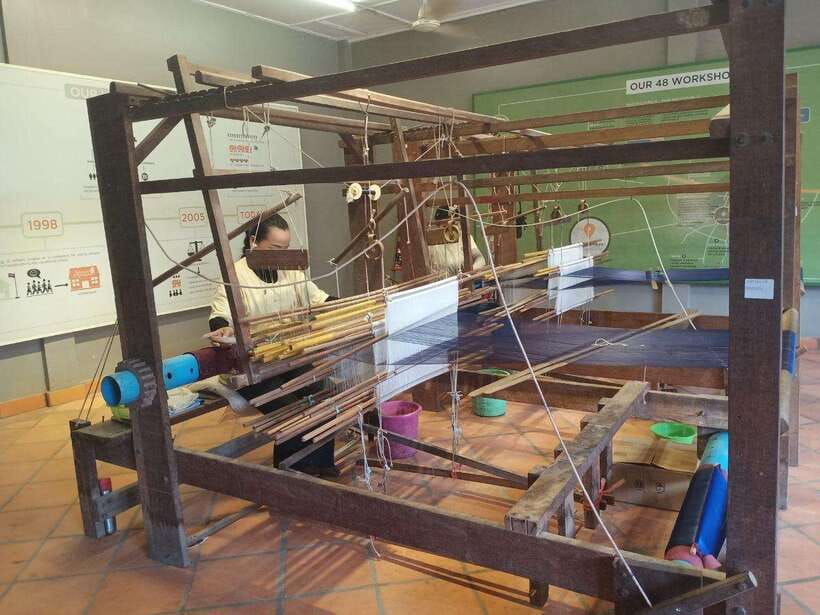
This is a short, well-paced tour built for people who want more than just temples. You start with hotel pickup in Krong Siem Reap, then you’ll hop by tuk tuk between three craft stops and a final workshop-focused site, with the whole thing lasting about 4 hours.
You’ll also be in a private group, which matters more than you might think on a craft route. In a small group, you spend less time waiting and more time asking questions—especially useful when guides are explaining how materials and processes work.
The day is guided and structured, but you still get time to walk around, take photos, and browse. That combination is ideal if you’re curious but not trying to schedule a full day of shopping and factories.
You can also read our reviews of more tours and experiences in Siem Reap.
Angkor Silk Farm: Mulberry Trees, Silkworm Stages, and Real Silk Making
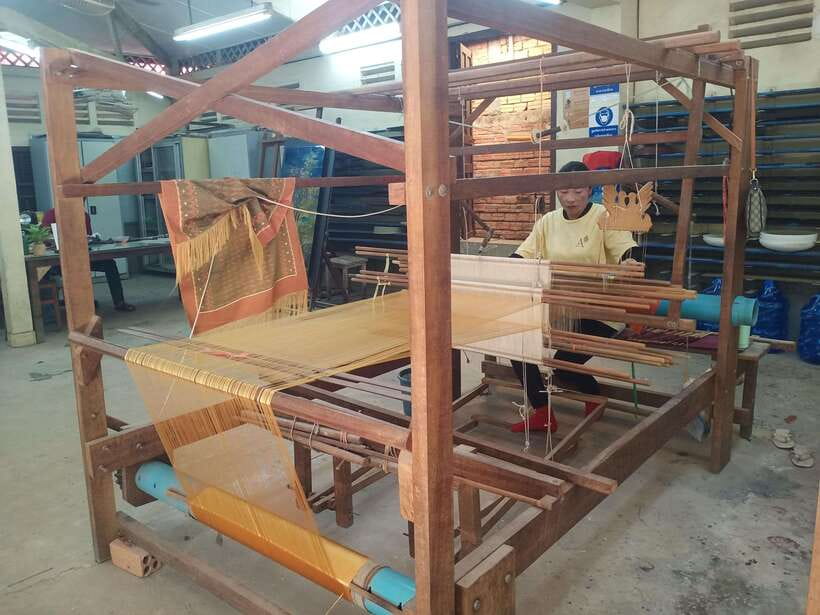
The star of the morning is the Angkor Silk Farm visit. You’ll get a guided look at traditional silk production, starting with the carefully cultivated mulberry trees. From there, the tour focuses on the silkworm lifecycle and how those stages connect to the final fabric.
What I like about starting here is that it gives context. Silk doesn’t feel mysterious after you see the chain of steps. You understand why people care about the raw materials, why timing matters, and why the end product looks the way it does.
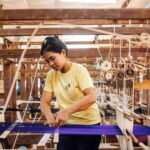
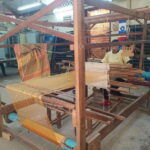
You’ll also see the weaving process—again with a guided explanation—so it’s not only about farming. The tour length at this stop is about 50 minutes, including time to shop and do a bit of sightseeing and walking.
A practical tip: silk products can be tempting, but don’t feel pressured. Use your time here to ask what the items are (and what they’re made from), then decide later whether you want to buy from the same stop or a different center.
Satcha Handicraft Center: Six Bamboo Workshops With Khmer-Inspired Design
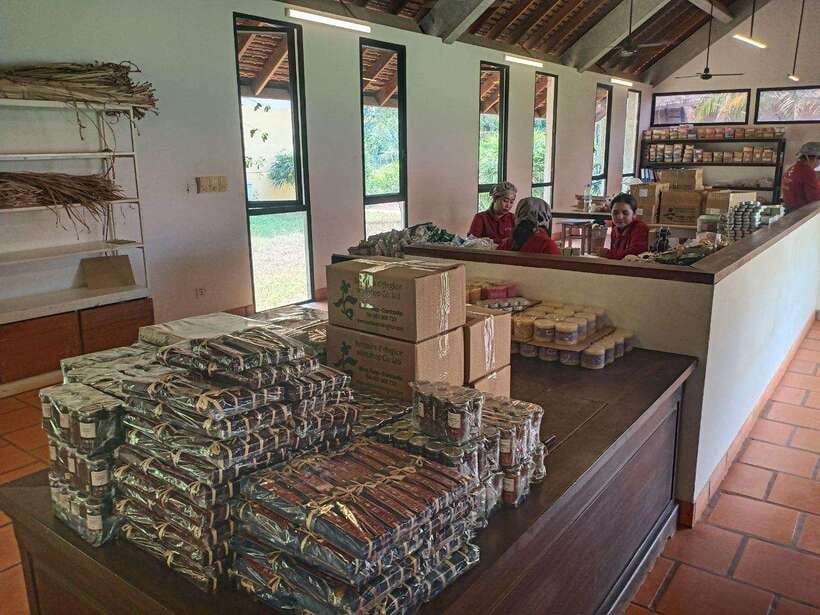
Next up is the Satcha Handicraft Center, where the emphasis shifts from silk production to Cambodia’s broader craft ecosystem. You’ll visit six different workshops, and the setting is built exclusively with Cambodian bamboo from Kampong Cham.
That detail matters because it hints at the philosophy behind the center: bamboo isn’t just decorative. It’s part of the structure and the working environment, which can change how the space feels compared to typical craft stalls.
You’ll also get to see traditional know-how expressed with contemporary design ideas. The tour notes that designs are inspired by Khmer ornaments, which helps explain why some souvenirs don’t look like generic mass-market items—they reference local forms while still aiming for a modern look.
At this stop, you’ll have another 50 minutes for guided viewing, walking, and shopping time. In other words, it’s not just a showroom. You’re meant to connect the craft process to the final product you can hold.
If you enjoy photos, this is a good place to slow down. Bamboo spaces and ornament-based designs tend to create interesting angles and textures, especially when light hits the materials.
Senteur d’Angkor: Sustainable Cambodian Treasures You Can Actually Use
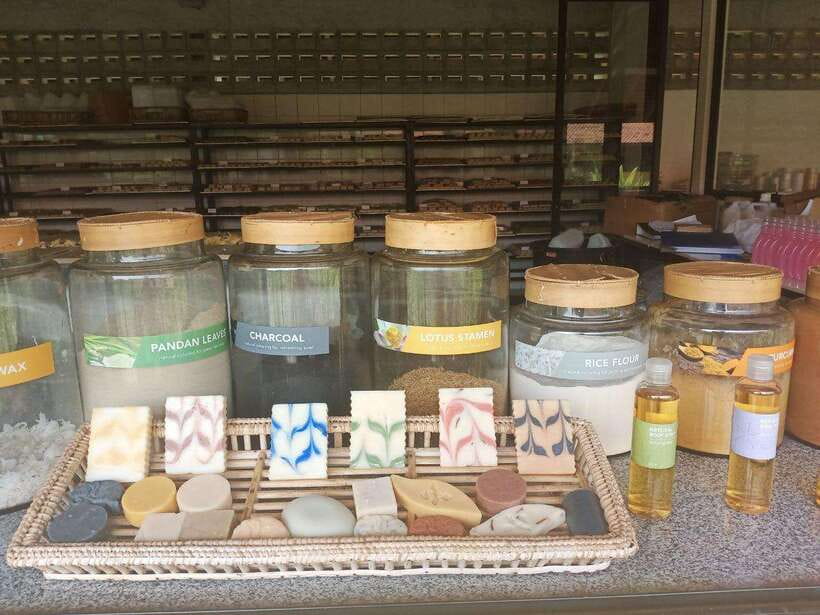
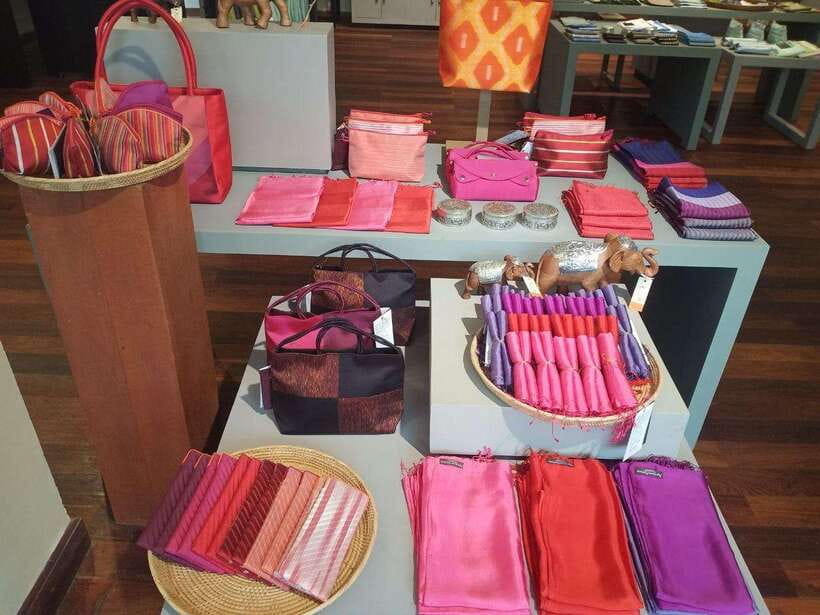
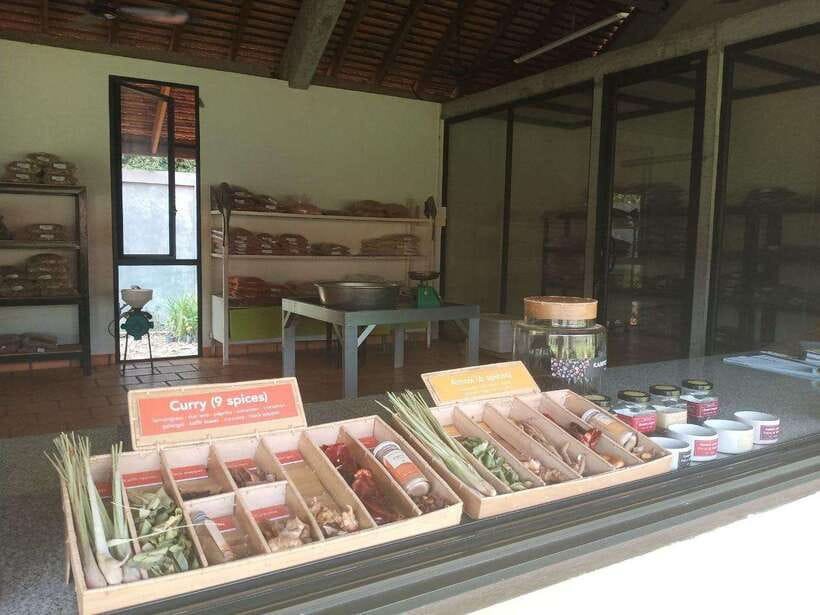
After Satcha, you’ll continue to Senteurs d’Angkor, and this part leans into how Cambodian craft can translate into everyday gifts. The tour is framed around exploring artisanal products and discovering “sustainable Cambodian treasures.”
That wording is important because it nudges you to think about value in a different way. Instead of only asking whether something looks nice, you can ask whether it’s the kind of item that supports local production and keeps craft skills visible.
You’ll spend time with a guided visit plus sightseeing and walking, and the experience includes shopping opportunities as well. There are also photo stops built into the flow here, so don’t treat this stop as only a store run. You’re supposed to look around and get a feel for the craft culture in a curated setting.
For shopping strategy: if you’re planning to buy something small—like a gift or a textile accessory—this is often the best stretch of the tour to compare options. You’ll have already seen how silk is made, so you’ll spot higher-effort design more easily.
Artisan d’Angkor: Watch Handicrafts Being Made and Decide What You Want to Bring Home
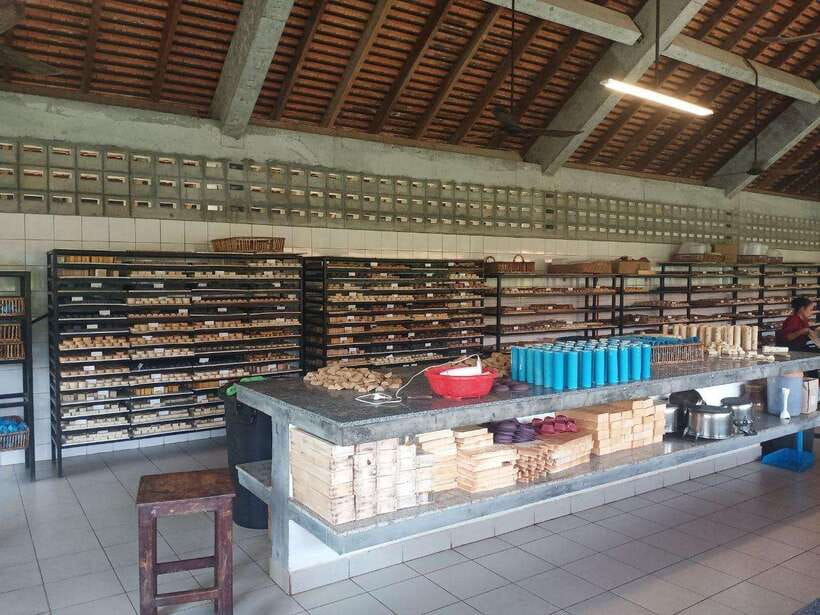
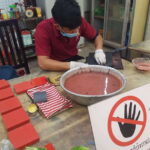
The final stop is Artisan d’Angkor, presented as the place where local handicrafts are made. You’ll have guided time here too, plus shopping and another arts-and-crafts market visit.
What’s useful about finishing with a production-focused stop is that it brings everything together. The tour starts with a natural lifecycle and ends with craft making—so you get a full arc from material to product. Even if you’re not buying large items, this structure helps you understand what you’re looking at.
You’ll also have additional photo stops as the schedule nears the end, and then you return to your hotel in Krong Siem Reap.
This is also where I’d do your last-minute decision-making. By now you’ll know whether you like silk textiles, Khmer-inspired ornament design, or smaller artisan goods. If you try to buy too early, you can end up with duplicates or items you don’t actually love.




How the Tuk Tuk Transfers and Short Stops Affect Your Day
Transportation here is part of the experience, and it’s also part of why the tour feels manageable. You’ll make multiple tuk tuk transfers between stops, with short ride times that keep the day from dragging.
The itinerary includes tuk tuk rides of about 15 minutes between major legs, plus a shorter final hop. That schedule matters because it keeps your attention fresh. Craft tours can get repetitive if they’re too long—this one uses a tight structure so you move from topic to topic without getting tired.
There’s another small perk: you get a separate entrance that helps you skip the line. When you only have four hours total, time is everything, and separate access can cut down waiting that would otherwise eat into craft time.
Also, the driver is listed as English-speaking. Even if your Khmer vocabulary is limited, you’re less likely to feel stuck. You can ask the guide questions and understand the explanations as you go.
Price and Value: Why $25 for a Small Private Group Can Make Sense
The price is listed as $25 per group, good for up to 2 people, and the tour runs about 4 hours. In plain terms: you’re paying for guided access to multiple craft sites plus round-trip hotel pickup and tuk tuk transfers.
That can be good value if you’d otherwise need separate transportation and separate tickets. It’s also a strong option if your time in Siem Reap is tight and you want to add craft culture without building an entire day around it.
On the other hand, if you hate shopping stops, you might feel like the value math changes. This tour includes several shopping moments by design, so treat browsing as part of the experience rather than an interruption.
For best value, decide what you want ahead of time:
- If you want textiles: the Silk Farm stop is the anchor.
- If you want design objects: Satcha and Senteurs d’Angkor are where you’ll likely focus.
- If you want to watch process: Artisan d’Angkor is your payoff.
Shopping Without Getting Bored or Overpaying Your Future Self
This route is built around “see it, learn it, then decide.” That’s great—until you realize how many items you’re exposed to in 4 hours. The trick is to shop like you’re editing, not collecting.
Here’s what works well on a multi-center craft tour:
- Start by looking at the process cues (how materials look, how workspaces feel) before you fixate on the final product.
- If you buy silk, pay attention to how the cloth looks and feels, not only how it’s packaged.
- Compare similar items across centers. When you see one design style repeated, you’ll understand the variety you’re actually getting.
You don’t need to buy something at every stop. You can pick one center that matches your taste, then let the rest be learning time. That approach keeps the tour enjoyable and prevents you from carrying heavy bags just because it was offered.
And one practical reminder: wear comfortable shoes. You’ll walk around more than you might expect, and craft centers usually have uneven surfaces and lots of small areas to explore.
Who This Tour Suits Best (And Who Might Prefer Something Else)
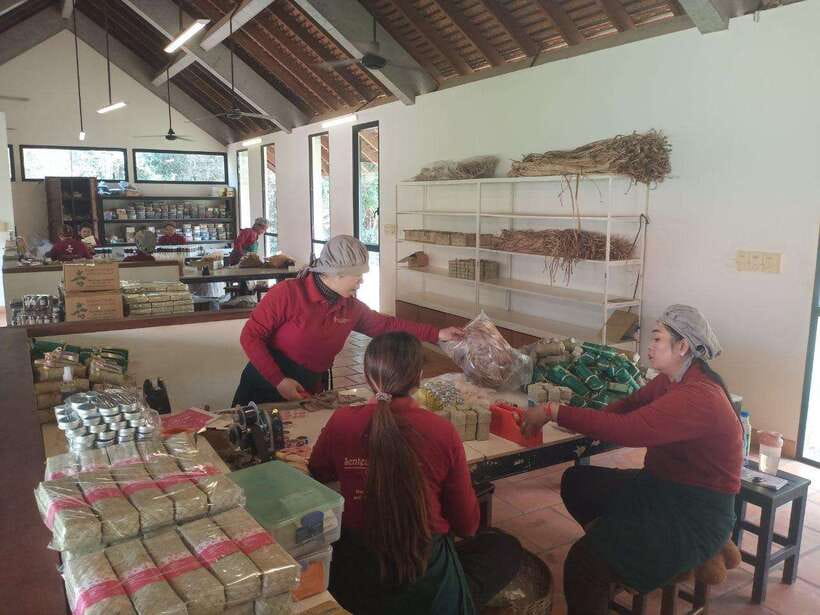
I’d recommend this tour if you like crafts, textiles, and making-sense-of-how-things-are-made experiences. It’s also a good fit if you want a break from temple crowds and want a different kind of Cambodian culture story—one that happens in workshops and production spaces.
It’s especially suitable for people who:
- Want a short activity that doesn’t eat an entire day
- Enjoy guided explanations and photo opportunities
- Prefer buying thoughtfully made souvenirs rather than random extras
You might want to skip this one if you mainly want temples and don’t care about shopping or handicraft processes. Since the experience includes multiple centers with shopping time, it’s not the best choice for a minimalist itinerary.
Should You Book the Silk Farm, Satcha, and Senteur d’Angkor Tour?
If your ideal Siem Reap day includes learning and then choosing one or two meaningful souvenirs, I think this is a solid pick. The format is tight, the sites are varied (silk production, bamboo workshops, sustainable gift browsing, and craft making), and the guided structure helps you get more out of each stop.
Book it if you want a 4-hour cultural craft circuit with hotel pickup and an English-speaking driver, plus private-group comfort. Skip it if you’re temple-only focused or you dislike any itinerary that includes repeated shopping moments.
FAQ
FAQ
How long is the Silk Farm, Satcha, and Senteur d’Angkor tour?
The tour duration is 4 hours.
Where does the tour start?
It starts with pickup in Krong Siem Reap.
Is hotel pickup and drop-off included?
Yes, hotel pickup and drop-off are included.
Which places will I visit during the tour?
You’ll visit Silk Farm, Senteur d’Angkor, Satcha Handicraft Center, and Artisan d’Angkor.
Is the tour private?
Yes, it’s a private group experience for up to 2 people per group.
Is there a guide and what language do they speak?
The driver is listed as English, and the tour includes guided visits at the sites.
Are meals included?
No, meals are not included.
Is smoking allowed?
No, smoking is not allowed.
What should I wear or bring?
Comfortable walking shoes are recommended, and it helps to bring a camera for photos.
What is included in the experience, and is there an option to cancel?
The tour includes the listed site visits and hotel transfers. Free cancellation is offered up to 24 hours in advance, and there’s also a reserve now & pay later option mentioned.