REVIEW · DOHA
Doha Camel Racing Track: Oryx Farm & Sheikh Faisal Museum.
Book on GetYourGuide →Operated by Dmc Doha Holidays & Stopover Tours · Bookable on GetYourGuide
Doha can feel like two worlds at once: desert speed and museum quiet. This 4-hour private combo pairs traditional camel racing at Al Shahaniya with time at Sheikh Faisal Museum, where you’ll see an enormous mix of artifacts and artworks. I especially like the guided way the museum is presented, and the chance to spot wildlife and watch training moments up close. The main thing to consider is that a camel race isn’t guaranteed in your 30-minute track window, so you’re more likely to see training and preparation than a full race every time.
A good guide makes the difference, and on this route I’ve seen named guides like Amar praised for pointing out the museum highlights you’d otherwise miss. You also get a private group and skip-the-line entry, which keeps the day from turning into paperwork. One potential drawback: the museum is huge, so the pace is brisk—great if you like direction, but not ideal if you want slow wandering for hours.
In This Review
- Key Points You’ll Actually Care About
- Camel Racing and a Major Private Museum in One Morning
- Getting There: Stadium Pass-By and How the Day Flows
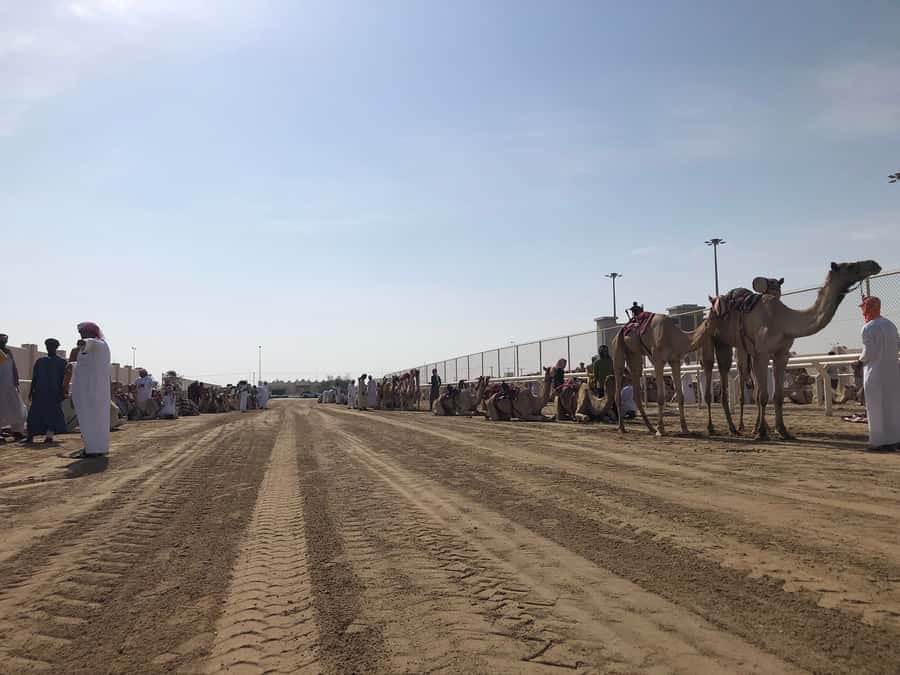
- Al Shahaniya Camel Racetrack: What You’ll See in 30 Minutes
- Sheikh Faisal Museum: 15,000 Pieces From Jurassic to Cars
- Oryx and Wildlife Viewing: Why This Stop Feels More Than a Photo Op
- Royal Stable Glimpse: Equestrian Club on the Way Back
- Time, Pace, and Who This Tour Fits
- Price and Value: Is $104 Per Person Fair?
- What to Bring (and the One Thing You Must Not Forget)
- Should You Book This Doha Camel Racing Track and Sheikh Faisal Museum Tour?
- FAQ
- How long is the Doha Camel Racing Track and Sheikh Faisal Museum experience?
- How much does it cost per person?
- Is this a private tour?
- Where does pickup happen?
- Which stops are included in the itinerary?
- Is the Sheikh Faisal Museum ticket included?
- What animals might I see?
- Does the tour include an on-site guide?
- What do I need to bring with me?
Key Points You’ll Actually Care About
- Al Shahaniya Camel Racetrack training time gives you a real sense of how the sport works before (or instead of) a race.
- Sheikh Faisal Museum covers Jurassic to modern, plus traditional Qatari items, international art, and vintage cars.
- Arabian oryx viewing ties what you see to a real conservation story for Qatar and the wider region.
- Skip-the-line entry + a private group means you spend more time looking and less time waiting.
- A certified English or Hindi guide handles the context, so you don’t just see objects—you understand what they mean.
- Tea and bottled water keep you comfortable during the ride and stops.
Camel Racing and a Major Private Museum in One Morning
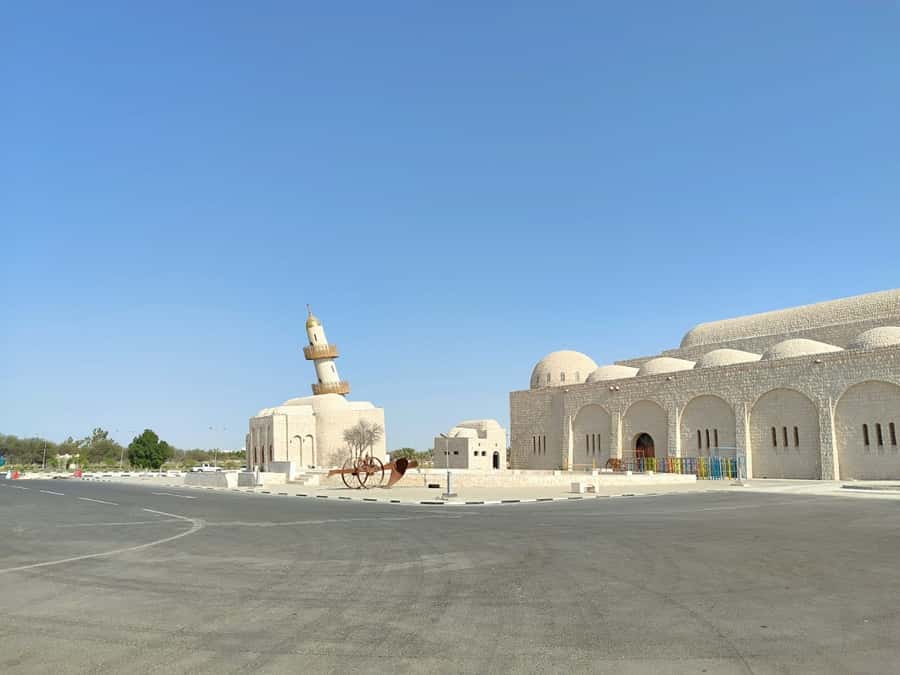
This tour works because it refuses to pick just one side of Doha. In the first half, you’re in the desert-sport zone: sandy track, camels, and the rhythm of preparation. Then you switch gears to a museum designed to be more than a storehouse of objects—it’s built to preserve and show Qatar’s cultural heritage, in a setting that’s one of the largest private collections in the world.
For me, the best part is the contrast. Camel racing is fast and physical—dust, speed, and the crack of competition. The museum is slow and detailed—art, artifacts, and “wait, what am I looking at?” moments. When you combine them with a guide, the day stops being random sightseeing and turns into a coherent story about place.
The “Oryx” piece matters here too. The Arabian oryx isn’t just a pretty animal for photos. It’s endangered, native to the Arabian Peninsula, and tied to conservation efforts that helped bring it back from extinction in the wild. Even if you’re not a wildlife person, seeing oryx viewing time on the schedule gives the whole day more meaning than a typical add-on stop.
Getting There: Stadium Pass-By and How the Day Flows
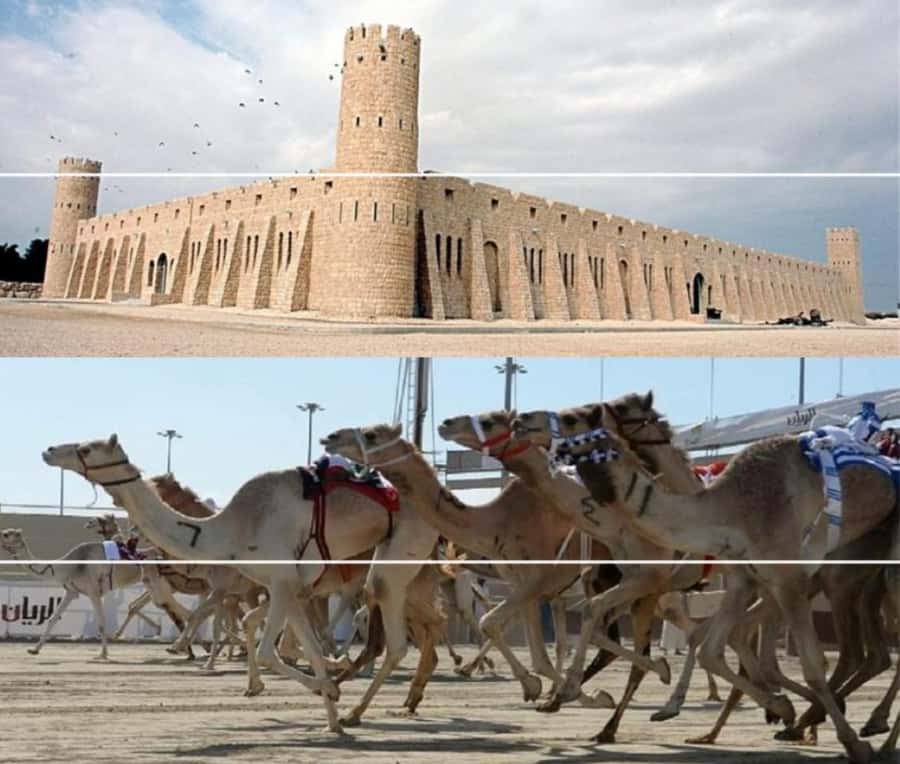
The drive is part of the experience, even when it’s just a pass-by. You’ll go by Education City Stadium and Ahmed bin Ali Stadium, which helps you get oriented to Doha’s modern side before you head out toward the more traditional desert track world.
The tour is set up to keep your stops efficient. Pickup and drop-off are included, and it’s designed around a 4-hour total duration. That matters because the camel racetrack stop is short, and the museum time is exactly the kind of time you’d want if you’re curious but not trying to spend half a day in one building.
Since this is a private group, your pace can be steadier. You’re not stuck listening to a rushed standard script while you try to grab photos between departures. It’s also easier if you’re traveling with kids or you want to spend an extra few minutes where the guide points out something specific.
Al Shahaniya Camel Racetrack: What You’ll See in 30 Minutes
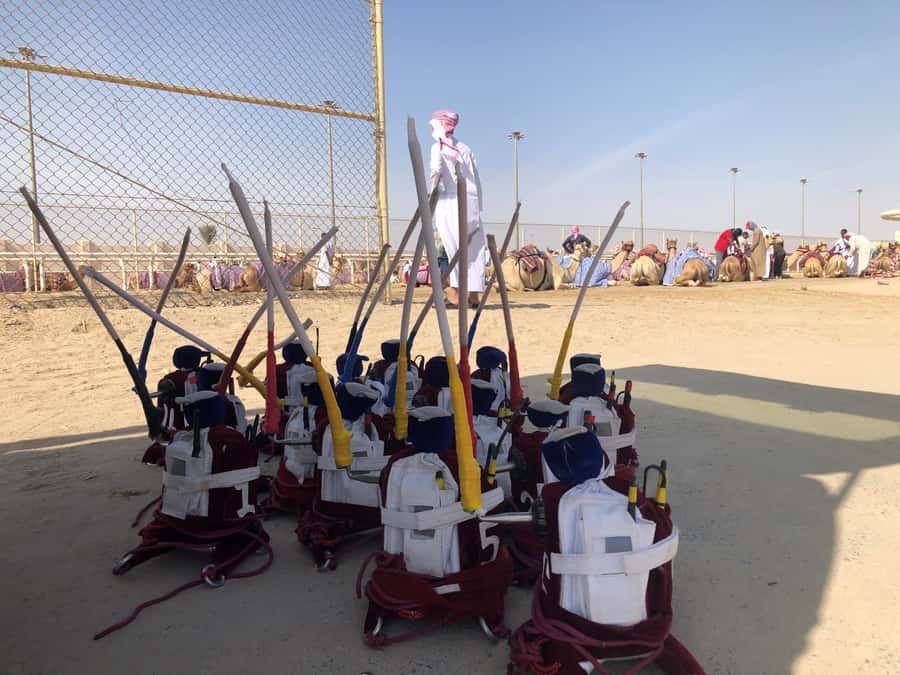
Al Shahaniya is where you get the real Doha desert-sport flavor. The schedule gives you about 30 minutes at the track, and that’s mainly long enough for two things:
1) see camels being trained and cared for
2) catch a race if timing lines up
Here’s the honest expectation: a race is described as something you might get lucky with. What you can count on is the “behind-the-scenes” look—watching routines and preparation. If you’ve ever wondered whether camel racing is pure chaos or a controlled sport, training time answers that.
Camel racing tracks are designed for speed—typically long and straight. And Qatar’s version of the sport often uses remote-controlled robotic jockeys to guide the camels. That detail adds a modern layer to a tradition, and it helps explain why this is both ancient-feeling and surprisingly technical.
What to watch for, besides the obvious sprint:
- the way handlers move around the camels as they settle into the routine
- how the camels respond to track conditions
- whether you see equipment adjustments and training focus
If you can, keep your phone camera ready but don’t block your view. The best moments are usually the quick ones—the training lead-ups, the calm before acceleration, and the way everything looks coordinated even though it’s loud and fast.
Sheikh Faisal Museum: 15,000 Pieces From Jurassic to Cars
Then you jump into the museum, and that’s where the day really becomes unforgettable—mostly because the place is packed with stories, not just objects.
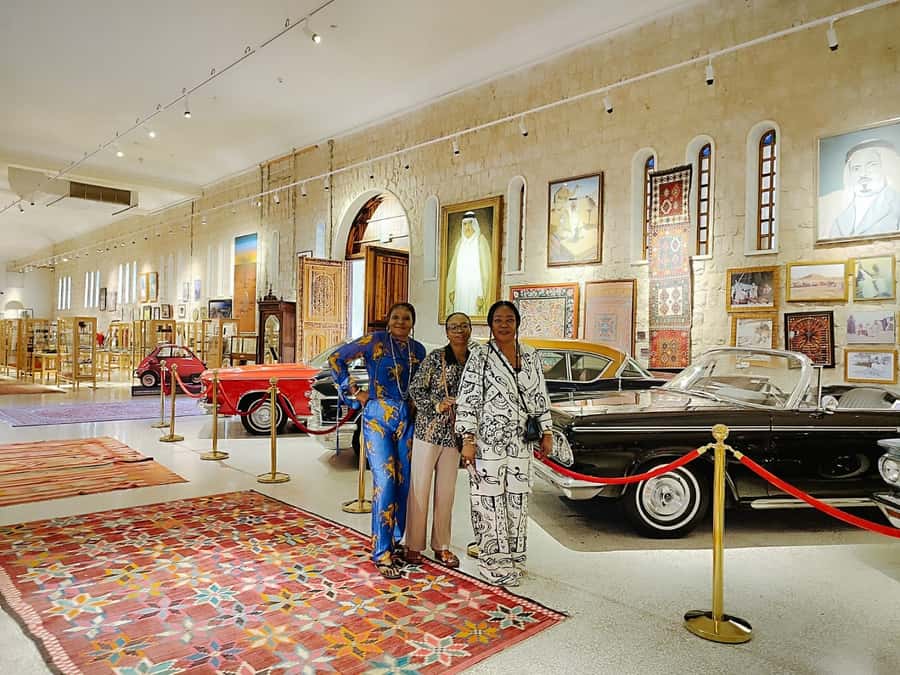
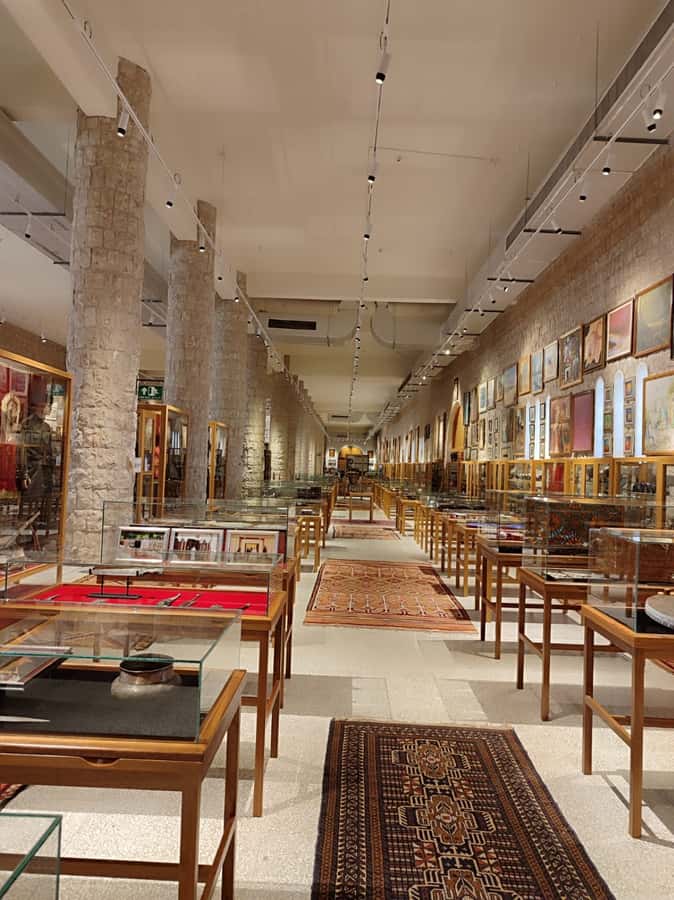
Sheikh Faisal Museum is owned by Sheikh Faisal bin Qassim Al Thani and was created with the goal of preserving and promoting Qatar’s cultural heritage. The collection is huge: over 15,000 historical pieces, spanning everything from traditional Qatari artifacts to paintings and international art, plus a vintage cars collection.
One of the strongest points is the range of time. The museum is described as featuring artifacts from the Jurassic age up to the present day. That’s a big promise—and it’s also what makes the museum feel like a journey rather than a single themed gallery.
With a guide, you don’t just walk from room to room. You get signposts—what’s worth your attention, what connects to Qatar, and what’s simply fascinating because of its age and craftsmanship. Guides on this route are praised for doing exactly that: highlighting the key pieces and explaining them in a way that makes the museum feel navigable.
Expect a mix that can surprise you. Depending on what you’re drawn to, you might spend time on:
- traditional Qatari and Arabian heritage items
- Islamic art and related historical artifacts
- antique cars and vintage vehicles
- paintings and international art
- weaponry and other historical pieces
The museum is big, so you won’t see everything at a slow, total pace. Your scheduled time is around 2 hours with a photo stop, plus walking and wildlife viewing. That’s just enough time to see the major highlights if you go in with a plan: follow the guide’s direction first, then return for a second look if something catches you.
Practical note: comfortable shoes help. Even with a guide managing your route, you’ll still be doing a lot of walking inside a large collection.
Oryx and Wildlife Viewing: Why This Stop Feels More Than a Photo Op
If you care about wildlife, this part is the quiet payoff. The tour includes Arabian oryx viewing, and the oryx is more than an iconic desert species—it’s endangered and native to Qatar and the Arabian Peninsula.
The Arabian oryx is known for its distinctive long, straight horns and its striking white coat. And it comes with an important conservation angle: it was once extinct in the wild, then reintroduced through conservation efforts in countries such as Oman and Saudi Arabia. That matters because it turns “seeing an animal” into “understanding a recovery story.”
How to make the most of your oryx viewing time:
- slow down and watch behavior, not just bodies
- take a wider shot first, then zoom in
- stay ready for quick movement—wildlife rarely follows a schedule
Also, even if you’re not a wildlife nerd, the oryx connects the day’s two halves. Camel racing is tradition and daily-life desert culture. The oryx is the ecological side of that same desert world—what Qatar is trying to protect, not just preserve.
Royal Stable Glimpse: Equestrian Club on the Way Back
On the return trip, the tour route includes a stop at the Equestrian Club, described as the royal stable of Qatar, where horses are trained. Even without long viewing time, this is a nice “Qatar beyond the desert track” moment.
The key value here is context. Camels are the speed-and-tradition headline. Horses at a royal stable add another layer: discipline, training, and how Qatar treats high-value animals with care and structure.
If you’re the type who notices how animals are handled, you’ll likely appreciate this moment because training is the common theme across both the camel racetrack and the stable visit. It’s not just about watching sports—it’s about the systems behind them.
Time, Pace, and Who This Tour Fits
This is a short tour—4 hours total—so it’s designed for focus, not for “wander until you feel done.” Here’s how that plays for different kinds of visitors:
Best fit for you if:
- you want a one-day Doha hit that mixes culture and a living desert sport
- you like guided direction, especially in a museum that’s too big to explore confidently alone
- you’re curious about Qatar beyond skyline sightseeing
- you prefer a private group pace
Less ideal if:
- you need long museum time to read every label slowly
- you’re specifically chasing a camel race as a must-see event (the race is described as possible rather than guaranteed in the given track time)
My practical advice: treat the racetrack stop as a chance to see the sport’s working parts, and treat the museum as the main “deep look.” That mindset makes the schedule feel rewarding instead of rushed.
Price and Value: Is $104 Per Person Fair?
At $104 per person for a 4-hour private experience, the value comes from what’s bundled together.
You’re not just paying for a driver. Included basics matter here:
- Pickup and drop-off
- Certified tour guide (English or Hindi)
- Entrance fees for the visit locations
- Skip the ticket line
- Insurance
- Bottled water and tea
When you add it up, it’s less like buying a single attraction ticket and more like hiring a guide who connects multiple parts of Doha into one coherent experience. The museum alone can eat up time and energy if you’re self-guided. Having someone highlight key pieces saves you from that “I’m standing here but learning nothing” feeling.
Also, private group time is a real cost saver if you want to ask questions and adjust pacing. It prevents the common group-tour tradeoff of seeing less because you’re waiting your turn.
What to Bring (and the One Thing You Must Not Forget)
This tour is straightforward. Bring:
- your passport or ID card
That’s it for the essentials. I’d also suggest wearing sun-friendly clothing and bringing your hat/sunglasses if you tend to feel the heat. Doha daylight can turn a short outing into an uncomfortable one fast.
Should You Book This Doha Camel Racing Track and Sheikh Faisal Museum Tour?
Book it if you want Doha in one compact package: desert sport plus a serious museum collection, guided in a way that helps you understand what you’re seeing. The combination is the selling point—the camel racetrack gives you energy and local tradition, while the Sheikh Faisal Museum gives you depth that you can’t easily get from a quick stop alone.
Skip it (or rethink the timing) if camel racing is your single, non-negotiable goal and you need a guaranteed race. In the schedule you have a real chance, but training and preparation are the dependable experience.
If you’re on the fence, here’s the easiest decision rule: if you’ll enjoy learning at a museum and you like the idea of seeing camels up close, this is a strong pick. If you’re only chasing one thing—fast racing—look for an option with a more certain race-time window.
FAQ
How long is the Doha Camel Racing Track and Sheikh Faisal Museum experience?
The total duration is 4 hours.
How much does it cost per person?
The price listed is $104 per person.
Is this a private tour?
Yes, it’s a private group experience.
Where does pickup happen?
Pickup is included from Doha, including Hamad International Airport arrival outside exit no. 4 and the Doha Cruise Ship Terminal arrival exit outside. You’ll be asked to wait about 10 minutes in the hotel lobby before pickup time.
Which stops are included in the itinerary?
You’ll pass by Education City Stadium and Ahmed bin Ali Stadium, visit the Al Shahaniya Camel Racetrack, and then go to Sheikh Faisal Museum. You’ll also pass by Education City on the way back.
Is the Sheikh Faisal Museum ticket included?
Yes. Entrance fees for the visit locations are included, and you also get skip-the-ticket-line access.
What animals might I see?
You may see camels at the racetrack and you’ll have wildlife viewing time connected with Arabian oryx.
Does the tour include an on-site guide?
Yes. A certified live tour guide is included, and the tour runs with English and Hindi.
What do I need to bring with me?
You should bring your passport or ID card. Tea and bottled water are also included.