REVIEW · UBUD
From Ubud: Authentic Bali Farm Cooking School & Organic Farm
Book on Viator →Operated by Balinese Farm Cooking & Organic Farm · Bookable on Viator
Six dishes, zero guesswork.
This community-run Bali farm cooking school turns your morning into a real food day: a trip from Ubud to Taro Village, then cooking with ingredients you chose yourself, plus a market tour that makes the flavors make sense.
I especially like the farm part, because you’re not just watching. You get your hands on fresh produce from the school’s own organic garden, and that changes how the food tastes and how you understand the recipes.
One key consideration: the market tour is only included for morning sessions, so plan your timing if that’s a must-do.
In This Review
- Key highlights you’ll care about
- Taro Village and the 8,000-square-meter farm setting
- How pickup and the Ubud shuttle work
- Market tour in the morning: spices and produce buying
- Farm picking: using what you grow
- The cooking class: six dishes plus dessert
- Lunch, the recipe book, and making it at home
- Value, group size, and practical fit for different diets
- Should you book it?
- FAQ
- Where does the tour start and end?
- How long is the cooking class?
- Is the market tour included?
- How many dishes will we cook?
- What’s included in the price?
- Can the class accommodate dietary restrictions?
- What happens if the weather is bad?
Key highlights you’ll care about
- Morning market tour: see what people buy and how Balinese flavors start
- Organic farm picking: harvest your own ingredients from the garden
- 6 dishes, including dessert: not just one or two plates—full meal experience
- Small group feel (up to 20): easier to ask questions and get hands-on help
- Take-home recipe book (print + PDF): includes substitutes and cooking tips
Taro Village and the 8,000-square-meter farm setting
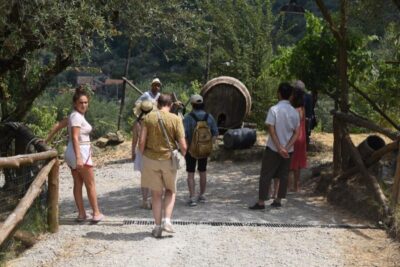
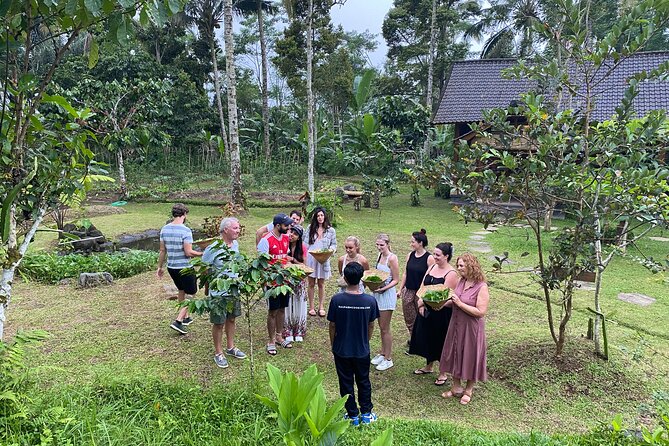
The experience happens north of Ubud in Taro Village, at an 8,000-square-meter organic farm. That matters. Ubud can feel busy, fast, and crowded; here you slow down. You’re in a working farm environment where you’ll learn about sustainable growing practices and why certain ingredients show up again and again in Balinese cooking.
This isn’t a museum farm. It’s a place built for doing things: tasting, picking, and cooking. The grounds feel well kept and clean, and the meal spot is shaded and comfortable, so you’re not baking in the sun while you try to remember what you just cooked.
You’ll also notice the flow of the day: you start with food sources (market and garden), then move to skills (cutting, mixing, seasoning), then finish with the payoff (lunch). That structure is what makes the class more than just a fun cooking activity.
You can also read our reviews of more tours and experiences in Ubud.
How pickup and the Ubud shuttle work
You meet at Ubud Central Parking (Jl. Suweta No.18). From there, you’re transferred by air-conditioned vehicle and brought back to the same spot at the end.
Timing is a big deal with a 5.5-hour class. If you want an easy start, give yourself a little buffer to find the pickup point and be ready when your group is called. The class is also weather-dependent, since outdoor farm time is part of the program.
One small transport note: a few people have said the shuttle bus could use a deeper clean. It’s not a dealbreaker if you’re focused on food, but it’s worth knowing you may step into a vehicle that’s functional more than fancy.
Market tour in the morning: spices and produce buying
If you book a morning session, you’ll start with a traditional market tour. This is one of the strongest parts of the whole experience because it answers the question most cooking students have: why these flavors, why these ingredients?
You’ll see exotic produce, spices, and local delicacies that show up in Balinese dishes. People also pick up new ideas for fruit and ingredients they’ve never seen at home. Even if you don’t remember every single plant name, you’ll come away with better instincts for what ingredients belong together.
This market component is also educational in a practical way. You learn to recognize ingredients beyond just the final dish. Later, when you’re back on the farm and in the kitchen, those choices click faster.
Bottom line: if the market is a priority, choose your morning slot. Afternoon sessions won’t include that part.
Farm picking: using what you grow
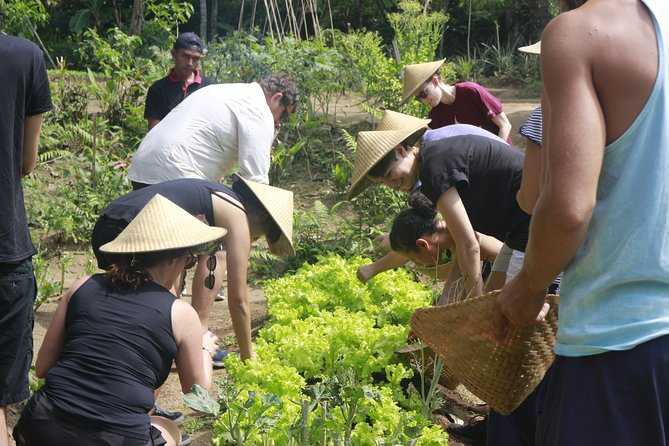
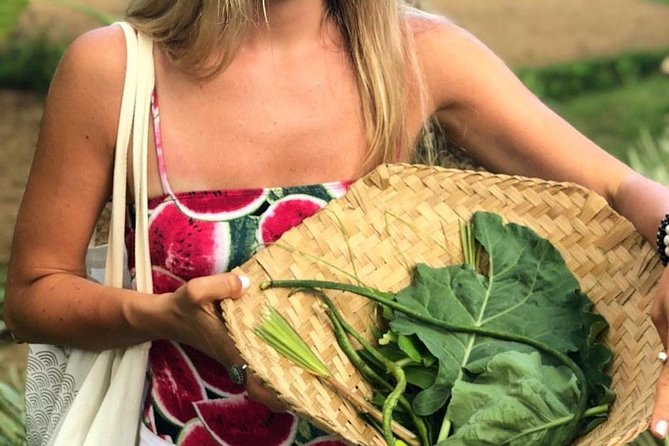
After the market, you move to the farm in Taro Village, where you’ll tour the gardens and harvest ingredients from the organic plot. One of the most memorable moments is the simple joy of picking food that’s actually ready—fresh, flavorful, and picked for your meal.
This hands-on harvesting changes your cooking in two ways. First, you’re more likely to pay attention to texture and ripeness. Second, you’re more likely to remember what the ingredient is supposed to taste like before it hits the pan.
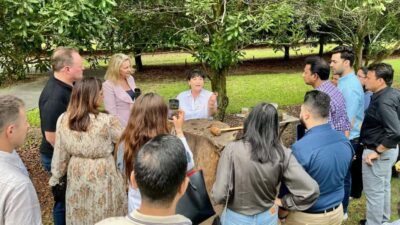
You’ll also get explanations along the way—how sustainable farming practices work, what the plants are doing, and why certain ingredients are part of everyday Balinese cooking. People love this part because it feels genuine: you’re not “pretending” to farm. You’re actually doing it.
And yes, this is the part where you’ll probably wipe your hands on your apron more times than you expect. That’s normal. Just bring your good mood and don’t stress about being messy.
The cooking class: six dishes plus dessert
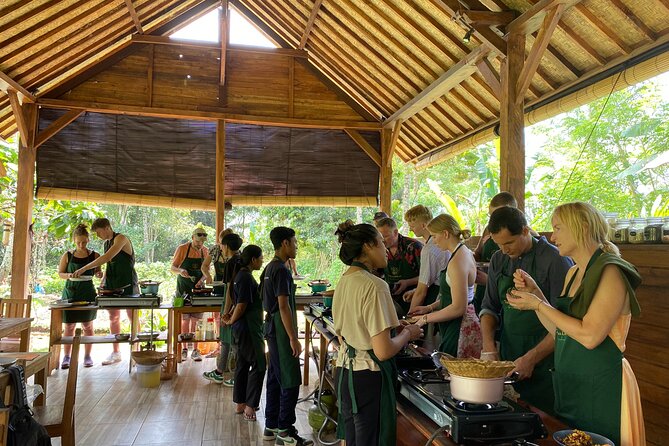
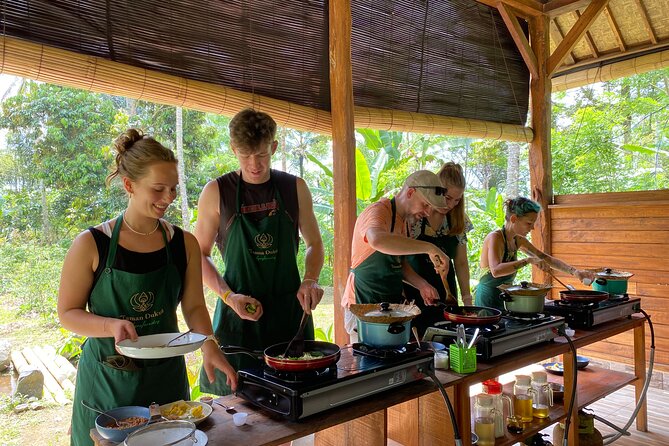
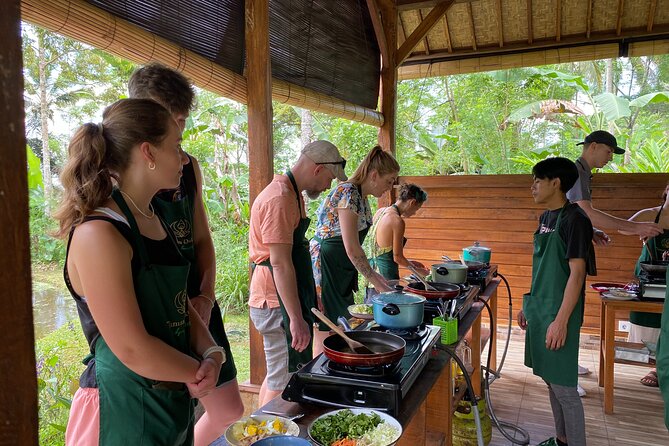
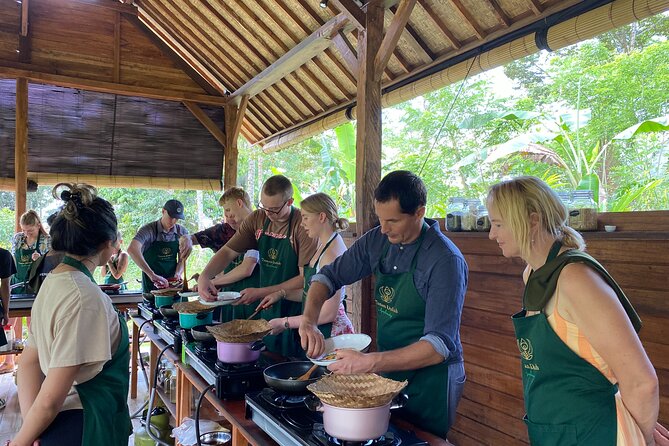
Back in the kitchen area, you’ll prepare six different dishes, including dessert. The class is built as a step-by-step experience with instructors who guide you through the process clearly, so you’re not stuck figuring things out on your own.
The day is designed to be participatory. You’ll cut, mix, season, and assemble. The instruction pace tends to work well for mixed groups—people with different comfort levels in the kitchen can still join in.
One minor reality check: some prep can feel a bit time-consuming, especially if the class involves lots of chopping like onions or chiles. A few participants suggested that main-course prep could be streamlined so students spend more time on the fun parts—learning combinations and techniques with fewer minutes spent on basic cutting.
Still, that hands-on work is also why the recipes feel doable later. You’re not just tasting. You’re building a map in your head: ingredient → technique → flavor result.

Lunch, the recipe book, and making it at home
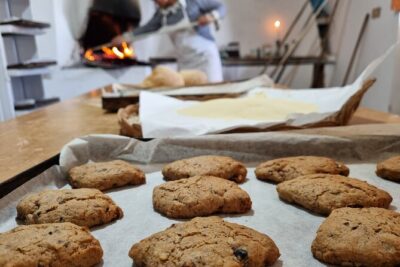
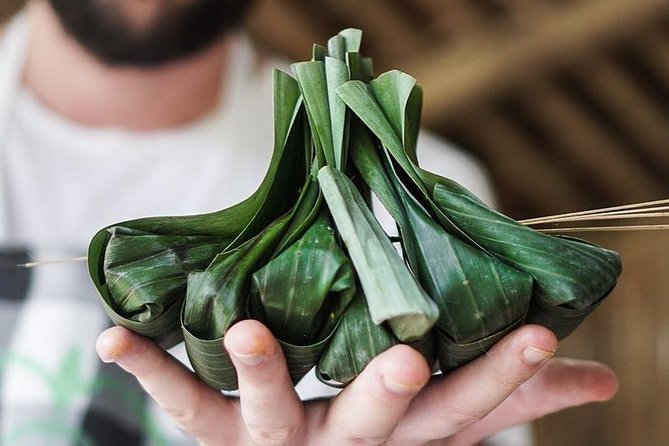
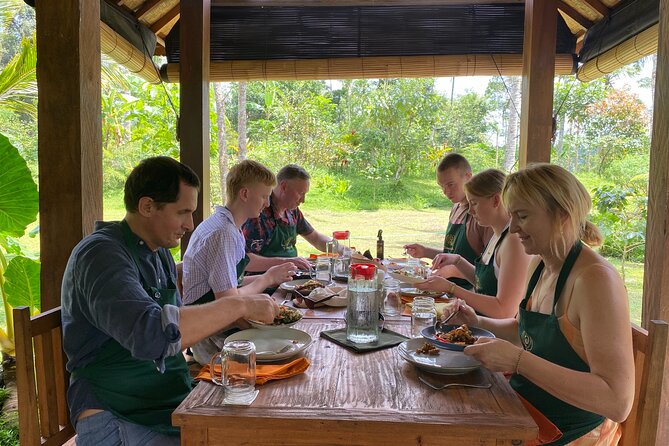
Once your dishes are done, you eat a multi-course lunch made from what you cooked. This is the real payoff moment. You stop thinking and start tasting. The meal is served in a comfortable, shaded setting, so it feels like a break, not a punishment.
You’ll also get a take-home recipe book in print and PDF. This is more useful than a basic recipe card. The materials include cooking tips and ingredient substitutes, plus links to technique videos, so you can actually recreate the dishes after the class ends.
This is where the value shows up. Cooking classes are often expensive for the “watch and taste” style. Here, you’re paying for ingredients, tools, instruction, and the entire meal—plus a guide you can use later.
It also helps that the program can cater to different diets. One review mentioned accommodating a nut allergy, which is a good sign. If you have allergies or strict dietary needs, tell the organizer at booking so they can plan substitutes and avoid cross-contact issues as best they can.
Value, group size, and practical fit for different diets
At $38 per person for about 5 hours 30 minutes, the price feels fair because it includes a lot: lunch (all the food you cook), cooking utensils, bottled water, coffee and/or tea, and an apron. You also get air-conditioned transport. For a Ubud-area activity, that’s not just “a lesson”—it’s a full food day.
The group size is capped at 20 travelers. That helps the class feel less like a factory line and more like a guided small-group cooking session.
This tour is a great match if you:
- want hands-on learning, not just eating
- like food markets and want to understand ingredients before cooking
- want a farm-to-table experience that’s still practical for a short stay
It’s also a solid option for families and groups of friends since the class setup is structured and the instructors are there to keep everyone moving. For people who hate long waits or hate chopping, just know the kitchen time is active and participatory.
And if you’re the type who loves extending a day into “more Bali,” you might find the broader village experience options appealing too—some people pair the cooking class with evening activities like firefly watching in the rice fields.
Should you book it?
I’d book this if you want a real Ubud-area cooking class where the ingredients come with context. The market tour (for morning sessions) and the farm picking are the difference between a fun class and a class you can repeat at home.
Skip it or adjust your timing if:
- you’re booking an afternoon slot but you’re mainly after the market experience
- you’re expecting a super-short, low-effort cooking session (this is hands-on and you’ll do prep)
If you’re hungry, curious, and ready to cook your lunch, this is one of the better-value food experiences near Ubud.
FAQ
Where does the tour start and end?
The tour starts at Ubud Central Parking on Jl. Suweta No.18 in Ubud and ends back at the same meeting point.
How long is the cooking class?
It runs for about 5 hours 30 minutes.
Is the market tour included?
A traditional market tour is included for the morning sessions only.
How many dishes will we cook?
You’ll prepare six different dishes, including dessert.
What’s included in the price?
Coffee and/or tea, lunch (all the food you cook), air-conditioned vehicle, cooking utensils, bottled water, and an apron are included.
Can the class accommodate dietary restrictions?
The class is described as catering to various diets, and it has accommodated a nut allergy in at least one reported case. Tell them your needs at booking.
What happens if the weather is bad?
The experience requires good weather. If it’s canceled due to poor weather, you’ll be offered a different date or a full refund.