REVIEW · UBUD
Balinese Farm Cooking Class by Pemulan Bali
Book on Viator →Operated by Cooking Class Ubud - Pemulan Bali Balinese Farm Cooking School · Bookable on Viator
Cooking with dirt under your nails beats dining out. This Balinese farm class in Ubud blends a market visit with farm ingredient picking, so you understand where flavors start before you start chopping. One heads-up: the whole experience can run longer than you expect, and class levels can change what you end up cooking.
I like that it’s hands-on and paced like real cooking, not a demo. You get pickup from central Ubud, an open-air kitchen in the countryside, and a meal you share at the end, plus coffee and tea, recipes, and leftovers to take home. It’s also kept small, with a max of 20 people, which helps when you actually have questions while you cook.
In This Review
- Key Takeaways Before You Go
- Why Pemulan Bali Turns Ubud into a Farm-to-Table Classroom
- Choose Your Time Slot: 07:30, 12:30, or 16:00
- Pickup at Pura Dalem Puri Peliatan and the Traditional Market Walk
- Harvesting on the Organic Farm: Greens, Herbs, and Spice Plants
- Open-Air Kitchen Cooking: Six Balinese Dishes (and Possible Class Variations)
- Your Shared Meal, Coffee and Tea, and Taking Recipes Home
- Price and Value: Is $39.71 a Good Deal?
- Group Size, Mix of Class Levels, and What to Expect
- Practical Tips: Shoes, Heat, and How to Get More Out of It
- Should You Book This Balinese Farm Cooking Class?
- FAQ
- What’s the duration of the Balinese Farm Cooking Class by Pemulan Bali?
- Where does pickup happen in Ubud?
- Do you visit a traditional market during the class?
- How many dishes do you cook?
- What’s included with the meal?
- What time options are available?
- How many people are in the group?
Key Takeaways Before You Go
- Market-first ingredient shopping at a traditional Ubud market, including tasting local fruits and treats
- Organic farm harvest time where you hand-pick greens, herbs, and produce you’ll cook with
- Open-air cooking in a countryside setting with guided chef instruction and a relaxed pace
- Multiple Balinese dishes in one session, generally six, with some variation by class level
- Take-home value: recipes, leftovers, and a meal with coffee and tea included
- Small-group feel with a maximum of 20 travelers
Why Pemulan Bali Turns Ubud into a Farm-to-Table Classroom
If you’ve already done the usual rice-terrace photo run in Ubud, this is a smart pivot. A Balinese cooking class works best when it starts with ingredients, not just recipes on a clipboard. That’s exactly the order here: a market stop first, then a farm harvest, then cooking in an outdoor kitchen.
I like the farm angle because it makes Balinese cooking feel less like following steps and more like learning a system. You see the raw plants and spices used in everyday cooking, then you connect that to what ends up on the plate. The best moments tend to be practical ones: when you’re guided through what to pick, what to prepare, and how flavors come together.
Another plus is the vibe. You’re not packed into a restaurant kitchen. You cook in open air, surrounded by peaceful countryside, which makes the whole thing feel like a day on purpose, not a rushed activity.
You can also read our reviews of more tours and experiences in Ubud.

Choose Your Time Slot: 07:30, 12:30, or 16:00
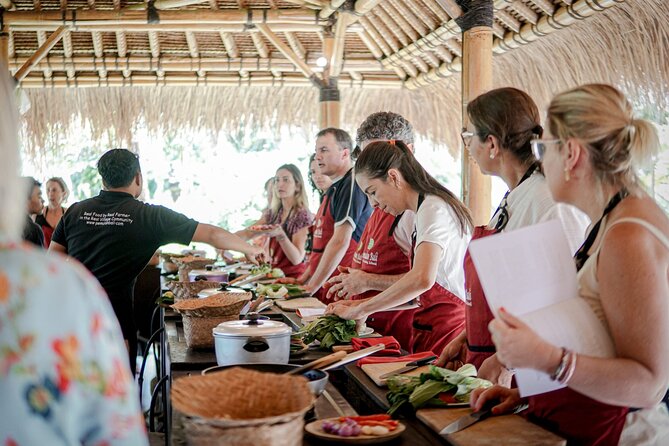
Pemulan Bali runs three daily options: 07:30 AM, 12:30 PM, and 16:00 PM. The morning class includes the market visit, which is the big reason to choose it if you enjoy ingredient shopping and tasting.
The class length is listed as about five hours, but plan for some variation. One common note is that the complete experience can feel closer to three to four hours for some people, depending on timing and which version of the class you’re assigned. Translation: don’t schedule anything tight right before or right after.
If you’re sensitive to heat, the late afternoon slot can be kinder. If you want the market energy and morning freshness, go early. Either way, you’ll end back at the meeting point after the meal.
Pickup at Pura Dalem Puri Peliatan and the Traditional Market Walk
Pickup is included from a central Ubud location: Pura Dalem Puri Peliatan, near Jl. Raya Ubud / Tebesaya, with the pin code area F7R9+8P2. It’s a useful detail because Ubud can be a maze of lanes, and having a clear start point reduces stress.
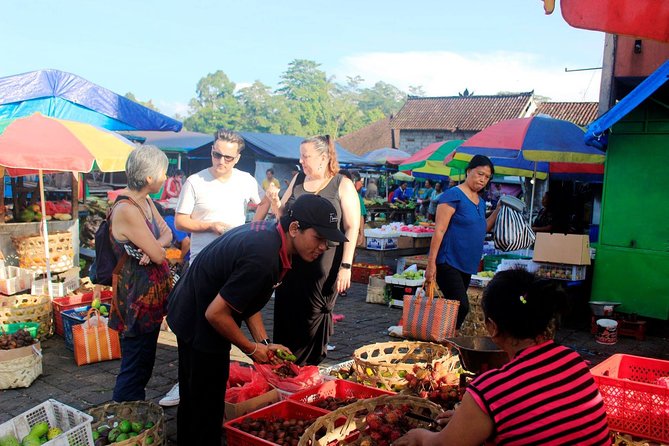
From there, the morning experience focuses on a traditional market stop. This isn’t just shopping time. You’re meant to explore local produce and sample fresh fruit and treats along the way. That tasting matters because it gives you a quick sense of how Balinese cooks balance sweet, sour, and savory before the cooking starts.
A practical note: markets move fast. If you tend to get overwhelmed in crowds, treat this like a guided orientation—look for what your chef/guide points out, then ask questions. If you like to photograph everything, do it lightly so you don’t slow the group down.
Harvesting on the Organic Farm: Greens, Herbs, and Spice Plants
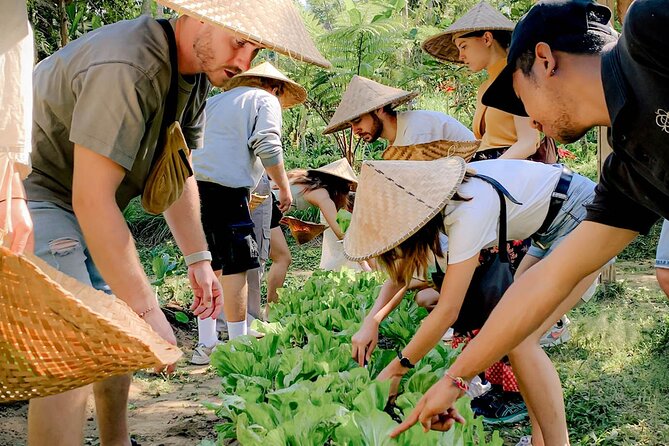
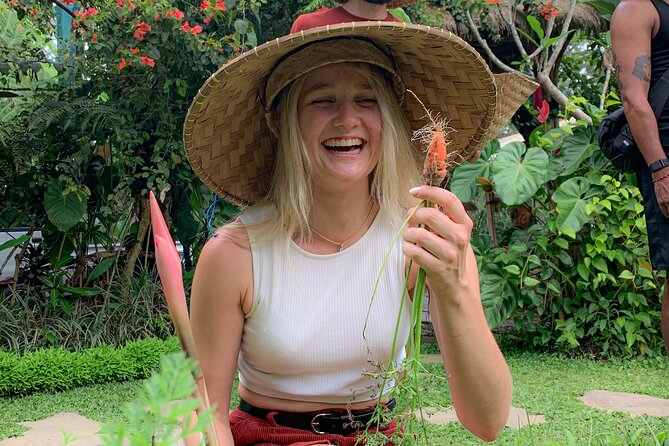
After the market, you head to the organic farm. This is where the class shifts from shopping to actual foraging. You’ll hand-pick produce and walk through the farm setting, learning directly about the plants used in daily Balinese cooking.
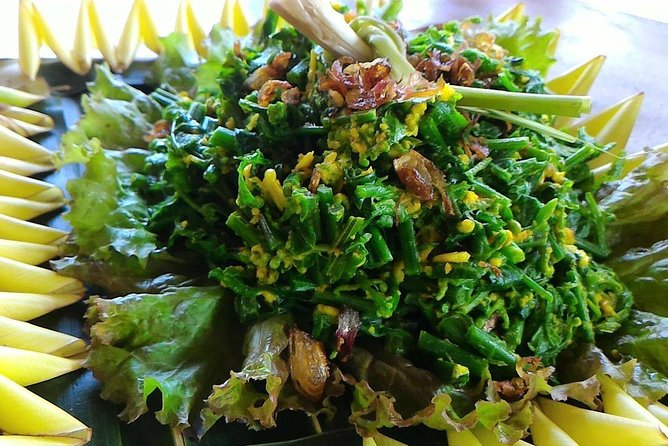
The farm walk is one of the most praised parts of the experience because it turns cooking into something physical. You’re not imagining flavors—you’re seeing the greens and herbs before they become part of your dish. In some class flows, you’ll focus on picking leafy ingredients and herbs that will show up in appetizers or other prepared components.
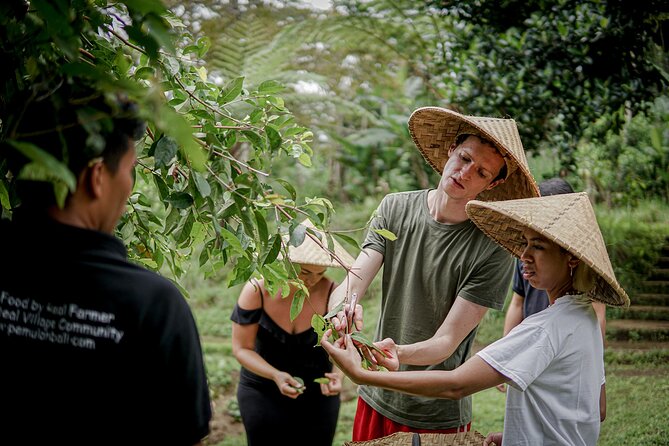
You also get a chance to understand how spices and spice plants function in the local kitchen. Even if you don’t know names up front, the guide’s job is to point you toward what matters: which plants are picked for cooking, which are used for aroma and seasoning, and how ingredients are treated before they hit the pan.
If you’re worried about timing, this farm portion is the reason the class feels like a full experience. It takes time to pick, learn, and prep.
Open-Air Kitchen Cooking: Six Balinese Dishes (and Possible Class Variations)
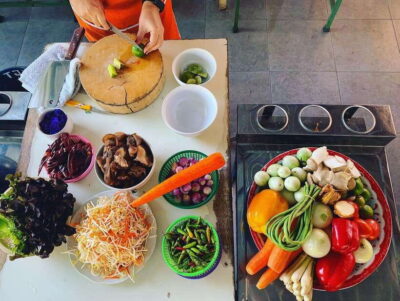
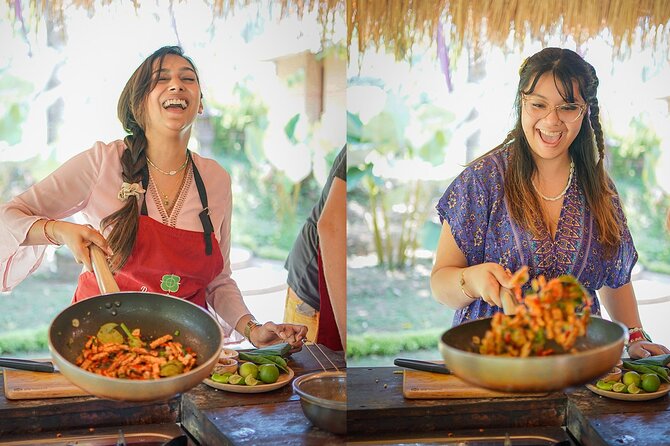
Now the fun part: the cooking happens in an open-air kitchen. You’ll cook six authentic Balinese and Indonesian dishes with chef guidance, and you eat what you make together afterward.
Here’s what I’d prepare for mentally: you won’t just make one dish. The session is structured so you’re actively cooking multiple components. That keeps the time moving and also helps if you’re traveling with someone who gets bored easily during long demos.
One consideration to keep in mind is class variation. The experience is designed around six dishes, but some people end up in different class levels and report more food or different allocations. You might also find the group mixes languages and experience levels depending on who shows up that day. If that happens, the chef still guides the process, but you may need to rely on visuals and clear instructions rather than perfect translation.
The cooking itself tends to be where you feel the value. You learn techniques, not just final results. People often highlight the quality of instruction—enough detail to help you understand what to aim for, not just what step comes next. And yes, the kitchen can be surprisingly funny; expect a chef who keeps things relaxed while still keeping you on track.

Your Shared Meal, Coffee and Tea, and Taking Recipes Home
Once dishes are done, you all eat the meal together in the calm setting of the farm. Coffee and tea are included, so you’re not stuck making do with whatever you packed that day. You’ll also receive recipes, which matters more than it sounds. Cooking at home is one thing; cooking Balinese-style using the right ingredient logic is another. Recipes help you recreate flavors instead of guessing.
Leftovers and take-home food are also included. That’s a real win in Bali, where you’ll be tempted by snacks all day. With leftovers, you can avoid impulse buying later.
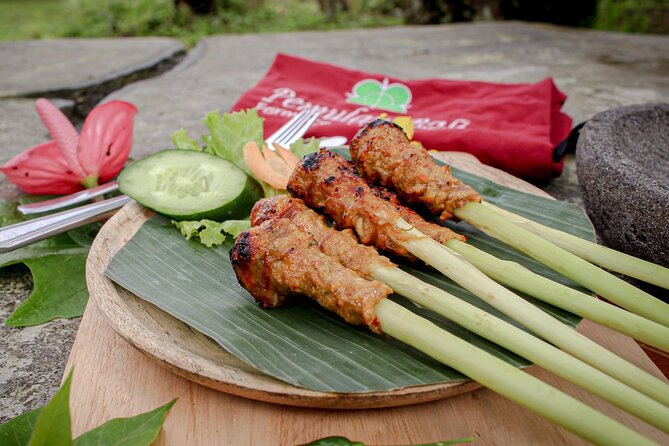
One more thing: the menu pacing is part of the experience. You’re typically doing a mix of appetizers, mains, and sometimes a community-style dessert element, depending on the class format. The key is that you don’t just line up and eat—you cook, share, and compare notes with the group as you go.
Price and Value: Is $39.71 a Good Deal?
At $39.71 per person, this isn’t the cheapest cooking option you’ll see in Ubud. It also isn’t overpriced for what you get. The value comes from two practical components you don’t always see together: you visit a market and then you harvest on a farm before cooking.
That ingredient journey saves you time and gives context. Instead of buying a random bag of spices and hoping for the best, you learn what to pick and why. Then you return to the kitchen and actually use those ingredients. The coffee/tea, recipes, and leftovers add real dollar value too, especially if you plan to eat out later anyway.
Also remember the small-group cap of 20 people. If the class were huge, the chef’s guidance would get diluted. Here, it’s set up for everyone to participate rather than watch from the sidelines.
If you’re the type who enjoys learning by doing, this pricing works because your time is spent actively cooking, not passively listening.
Group Size, Mix of Class Levels, and What to Expect
With a maximum of 20 travelers, you can expect a group that’s big enough to feel social, but small enough for hands-on work. The farm kitchen setup helps too: space is organized around the cooking process, not just serving.
The group may include different class levels, especially if the schedule is stacked with mixed bookings. That can affect how much food you end up making and how the chef allocates tasks. One practical strategy: arrive ready to adapt. If you’re told you’re in a more advanced setup, treat it like a chance to learn extra technique rather than a surprise.
Language and pairing can also vary. Some groups include people booking different experience levels, which can lead to a mixed crowd. If you travel with a friend, you’ll still get value, but don’t assume you’ll have the same pace as every other cooking class you’ve done.
The consistent theme is the human side: staff kindness, helpful guidance, and chefs who keep the mood light while teaching real steps.
Practical Tips: Shoes, Heat, and How to Get More Out of It
A few simple choices will make this class smoother.
- Wear comfortable closed-toe shoes. Farm paths and garden areas can be uneven, and you’ll be moving.
- Bring a light layer or cap. Even in the countryside, Ubud sun can be intense, and you’ll be outside for the market and farm parts.
- Expect to do real prep work. If you like cooking, great. If you prefer to observe, aim for a class where tasks match your comfort level.
- Ask questions early. The fastest way to learn is to ask why an ingredient is chosen or what it’s supposed to do in the dish.
- Go hungry but don’t overpack snacks. You’ll eat together at the end, with coffee and tea included.
- If weather looks questionable, keep your plan flexible. The experience requires good weather, and rain can affect scheduling.
Also, you’ll want to keep your expectations practical: this is a cooking lesson where the goal is learning technique and Balinese flavor logic, not perfection for plating.
Should You Book This Balinese Farm Cooking Class?
I’d book it if you want more than a nice meal. Choose this when you care about how ingredients connect to flavor, when you enjoy market and farm settings, and when you like cooking with clear guidance.
Skip or think twice if you’re short on time and need a guaranteed strict schedule. Because of class timing and possible class level differences, the experience can stretch, and you might end up cooking more or a slightly different set than you expected.
If you’re someone who loves hands-on travel—market to farm to open-air kitchen—this is a strong pick in Ubud. For around $39.71, you’re paying for context, instruction, and take-home value, not just food.
FAQ
What’s the duration of the Balinese Farm Cooking Class by Pemulan Bali?
The class is listed at about 5 hours. Some people find the full experience can take around 3 to 4 hours, depending on the flow of the class.
Where does pickup happen in Ubud?
Pickup is included from Pura Dalem Puri Peliatan (near Jl. Raya Ubud, Tebesaya, Petulu), and the activity ends back at the meeting point.
Do you visit a traditional market during the class?
Yes. The morning class includes a market visit in Ubud to explore local produce and sample fresh fruits and treats.
How many dishes do you cook?
You prepare and enjoy six different authentic Balinese dishes. Some class variations may change the final number and type of dishes you cook.
What’s included with the meal?
Coffee and tea are included. You also receive recipes and can take home leftovers.
What time options are available?
The schedule lists a morning class at 07:30 AM, an afternoon class at 12:30 PM, and an evening class at 16:00 PM.
How many people are in the group?
This activity has a maximum group size of 20 travelers.