REVIEW · UBUD
Balinese Cooking Class at Organic Farm
Book on Viator →Operated by Mai Organic Farm · Bookable on Viator
Food lessons start in the garden. I love the small group pace and the wood-fired stove cooking, and you get real context for why the ingredients matter. The only drawback: it’s a working farm day outdoors, so go in ready for heat and humidity.
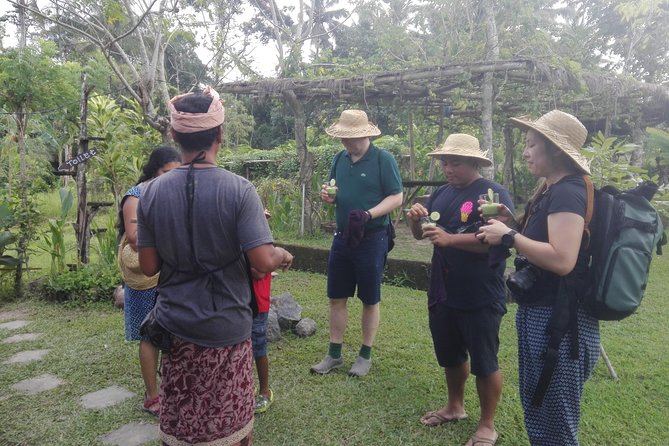
You’ll learn to cook six Balinese dishes, starting with a walk through Mai Organic Farm near Pejeng and ending with a shared meal in a gubuk hut. Along the way, you sip juice, infused water, herbal drinks, Balinese coffee, and lemongrass tea.
In This Review
- Key Highlights You’ll Care About
- Mai Organic Farm near Pejeng: Why This Location Beats the Usual Cooking Class
- Ubud Pickup and a Small Group (Up to 8–10): What That Means for Your Day
- Farm Walk, Organic Growing, and the UNESCO Subak System
- From Garden to Cutting Board: Picking Ingredients at Mai Organic Farm
- What You’ll Drink Before You Cook
- Cooking Six Balinese Dishes on Traditional Heat
- Lunch in a Gubuk: Eating Together the Balinese Way
- Price and Value: Is $40 a Good Deal in Ubud?
- Who This Balinese Cooking Class Fits Best
- Should You Book This Mai Organic Farm Cooking Class?
- FAQ
- What is included in the Balinese cooking class?
- How long does the cooking class last?
- Does the tour include pickup in Ubud?
- Where does the experience start?
- How big is the group?
- What happens if the weather is bad?
Key Highlights You’ll Care About
- Small class size (around 8, with an absolute max of 10) for hands-on cooking time
- Organic farm ingredient picking before you cook, not after
- UNESCO-protected Subak system explained in plain language
- Six dishes on traditional heat, including sate lilit kebab
- Support for local farmers in Pejeng, tied to the farm’s community mission
Mai Organic Farm near Pejeng: Why This Location Beats the Usual Cooking Class
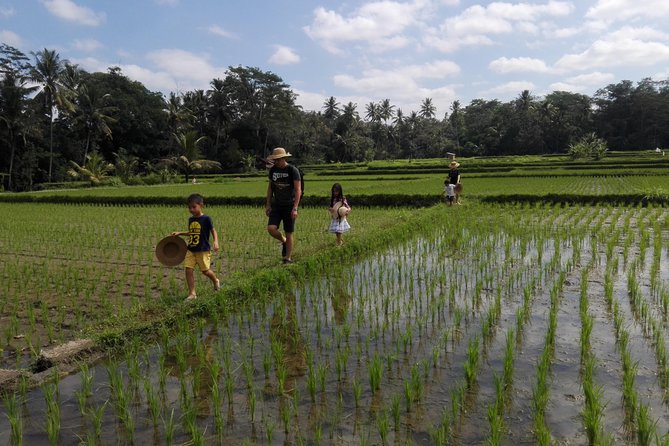
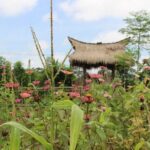
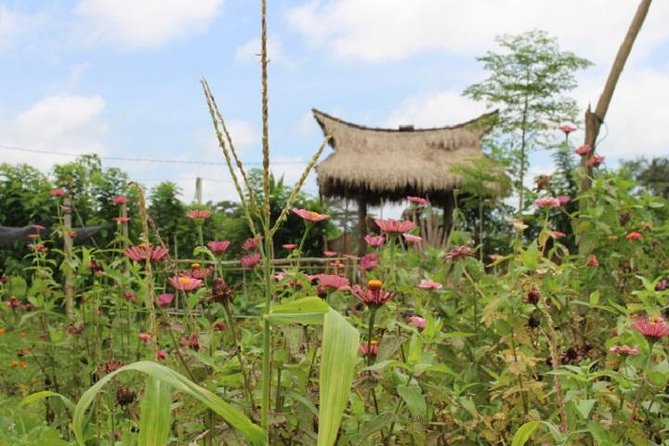
This isn’t a kitchen-with-a-view kind of class. It starts on an organic farm outside Ubud, in the Pejeng area, where you can actually see the plants you’ll be using. That single choice changes everything: you’re not just learning recipes, you’re learning how local growers work and why flavors come out the way they do.
The setting matters because Balinese cooking is about balance—fresh herbs, aromatics, and sauces built from what’s available. When you pick ingredients from the garden yourself, you taste the difference. It also makes the class more than a lunch stop. You walk away understanding how people farm here and how community systems shape daily life.
There’s also a community-driven angle. The farm’s work is tied to supporting local farmers and villagers in Pejeng, with resources that improve quality of life. That gives the day an honest purpose, not just a performance for visitors.
You can also read our reviews of more tours and experiences in Ubud.
Ubud Pickup and a Small Group (Up to 8–10): What That Means for Your Day
The class runs about 5 hours and includes hassle-free round-trip transfers from central Ubud hotels and rentals. That’s a big deal if you’re staying in town and don’t want to schedule a driver for a single morning or afternoon.
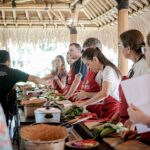
Group size is where the experience gets its personality. The class is capped at just eight travelers in one description, and there’s also a stated maximum of 10 travelers. Either way, you’re not in a big herd. With fewer people, you’ll get more attention while cooking, and you’re more likely to actually participate instead of watching.
One more practical point: the experience is designed so you can join in as much or as little as you want. If you’re confident with knives and stove work, you can do more hands-on prep. If you’d rather learn by doing a few key tasks, you still get the full story and get to eat what you helped make.
Farm Walk, Organic Growing, and the UNESCO Subak System
The day begins with a welcome drink, and then you settle into a shaded spot for context. You’ll learn about the farm and how produce is grown, plus the farm’s community movement and goals. It’s not taught like a lecture. It’s more like a guided story that connects farming choices to food.
Then you walk the farm and hear about organic farming practices. And here’s the Bali-specific lesson: you learn about Bali’s Subak system, recognized as a UNESCO World Heritage cultural landscape. Even if you’ve read about it before, you’ll likely understand it better when you hear how water and farming systems support growers in daily reality.
Why this matters for you: when you understand the water-and-community system behind the food, the flavors stop feeling random. Instead, they feel intentional—herbs where they should be, ingredients in the right season, and a culture that treats farming as collective work, not just a business.
A small potential drawback: since this part happens outdoors, you’ll want comfortable shoes and a light layer. The pace is usually friendly, but you’re still moving around a farm setting.
From Garden to Cutting Board: Picking Ingredients at Mai Organic Farm
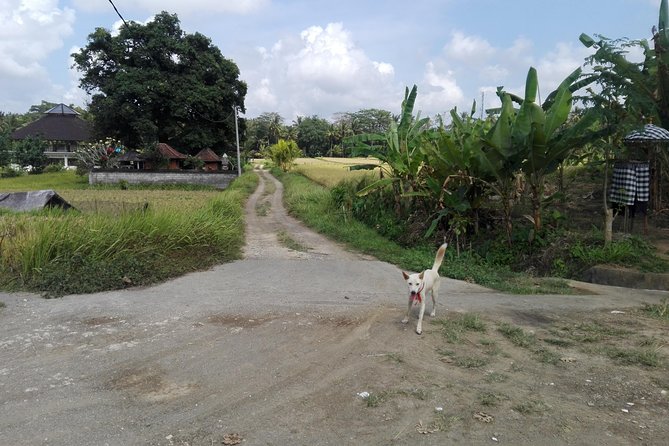
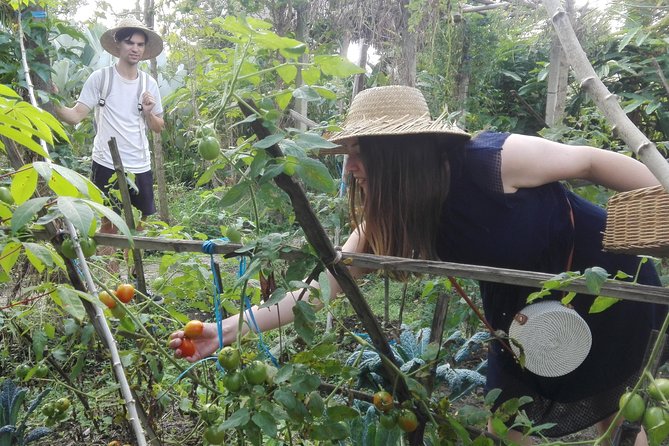
A big part of the value here is that you pick ingredients before cooking. You’ll walk along the community farm and choose produce for your dishes. This is the moment that turns a cooking class into a memory. You’ll smell spices up close, see how herbs grow in real life, and notice how some plants look nothing like what you expect from a supermarket.
Depending on what you’re using that day, you might pick herbs, fruit, vegetables, and other components that go into sauces and marinades. The class is built around a farm-to-table idea, so the picking isn’t decorative.
If you’re cooking with kids or you just like interactive days, this ingredient hunt is a strong win. In fact, families have said their children loved choosing ingredients around the fields before heading to the meal prep. That kind of early “job” makes the rest of the class easier to enjoy.
Also pay attention to the small details during picking. If an instructor tells you how a leaf is used or where it’s best grown, take notes mentally. Those small lessons are what make your final dish taste like it was made in Bali, not just plated in Bali.
What You’ll Drink Before You Cook
Balinese cooking here is paired with Balinese sips. Before and during cooking, you’ll have juice, infused water, herbal drinks, Balinese coffee, and lemongrass tea.
The drink lineup matters more than you might think. It gives you a full-spectrum taste experience—sweet, grassy, herbal, and lightly bitter—so you’re not just training your palate to one flavor profile. Plus, it’s practical: it helps you feel refreshed during an active farm morning.
The welcome drink is especially memorable. One recent group noted fresh coconut water as the start, which fits the theme of farm-fresh, simple, and local.

Cooking Six Balinese Dishes on Traditional Heat
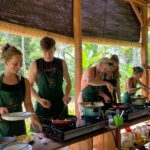
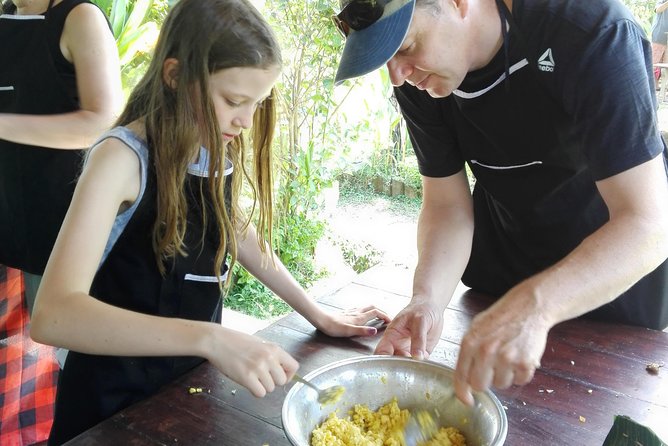
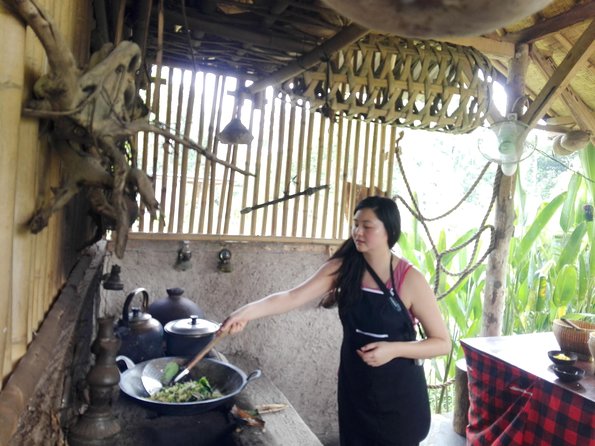
Now the heart of the day: you’ll cook six Balinese dishes. The class includes dishes such as tuna sate, corn fritters, and sate lilit kebab. You’ll also work through ingredients and techniques tied to how Balinese flavors are built—spice mixes, aromatics, and balanced sauces.
One of the most praised parts is the traditional cooking setup. You’ll cook using a traditional wood-fired stove, and you may also work with an outdoor grill/fire stove style of cooking. That’s a big contrast from the typical “demo kitchen” approach. You feel the heat, you smell the smoke, and you learn why certain methods matter when you’re using real fire.
Here’s how that benefits you as a cook back home: you’ll understand technique, not just steps. When someone explains why an ingredient goes in at a certain time, it’s easier to recreate at home even if you don’t have a wood-fired setup.
You’ll also eat what you make, so the process has a payoff. And the teaching style is meant to keep everyone involved. Even when things are hands-on, the staff aim for a fun, inclusive atmosphere—so you’re not stuck feeling overwhelmed.
A nice touch: at the end, you may receive a recipe book, and one guide named Kadek specifically asked for feedback on how to improve the class. That kind of closing question says a lot about how seriously they treat the experience as a two-way conversation.
Lunch in a Gubuk: Eating Together the Balinese Way
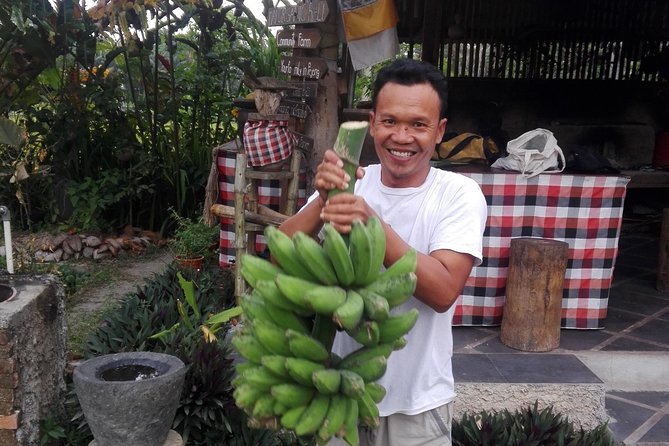
Once the cooking is done, you get to enjoy the meal in a tranquil gubuk (hut) with your new cooking group. This is more than a place to sit. It’s part of the cultural rhythm of the day—work first, then community eating.
Sharing the table is also what makes the class feel different from a restaurant meal. You’ll taste six dishes that you helped assemble, so every bite carries a little “I made this” satisfaction. That’s why this kind of tour often becomes a highlight even for people who do multiple cooking classes in different countries.
One small detail you might appreciate: there’s been mention of a low-plastic effort during the experience. That’s not something you should assume every time, but it matches the farm-and-community mission and the practical, grounded style of the day.
Price and Value: Is $40 a Good Deal in Ubud?
At $40 per person for about 5 hours, you’re paying for more than recipes. You’re paying for three things that usually cost extra on their own:
- guided farm learning (organic + farming systems)
- ingredient picking and hands-on cooking time
- round-trip transfer from central Ubud
Most Ubud food tours either focus heavily on tasting or heavily on cooking. This one tries to do both, with a strong emphasis on the ingredient story. The small group size also supports the value—your money goes toward experience quality, not just filling seats.
If you compare it to paying for a private driver plus a standard cooking class, the math often looks better here. And if you care about authentic food and not just a checklist activity, this feels like the kind of class that gives you something you can repeat: technique, flavor combinations, and an understanding of why ingredients behave the way they do.
In short: $40 is a fair price when you want an actual farm-to-table cooking day, not just a demonstration.
Who This Balinese Cooking Class Fits Best
This experience is a strong match if you want:
- a hands-on Balinese meal where you pick ingredients and cook six dishes
- cultural context tied to food, like organic farming and the Subak system
- a small-group vibe with friendly staff and active participation
- a day that can work for couples, friends, and even families with kids who enjoy doing things together
If you’re the type who hates getting dirty, stands in one place, and wants everything indoors, this might feel like too much farm time. But if you can handle a little outdoor walking and you’re open to smelling herbs, learning spices, and cooking over real heat, you’ll probably have a great time.
Should You Book This Mai Organic Farm Cooking Class?
I’d book it if you’re in Ubud and you want a food experience with real grounding: farm, ingredient picking, traditional cooking heat, and a shared meal. The wood-fired stove part alone makes it more memorable than many indoor cooking classes. Add in the Subak system context and the community mission in Pejeng, and it becomes a day that teaches as it feeds.
Skip it or think twice only if you know you’ll struggle with outdoor farm conditions. Since the experience is weather-dependent and takes place outside, choose it when you’re not counting on perfect sunshine.
If you want one practical tip for your decision: book it early enough to get the time slot that matches your schedule. It’s typically booked about 17 days in advance, and confirmation happens within 48 hours of booking subject to availability.
FAQ
What is included in the Balinese cooking class?
You’ll learn to cook six Balinese dishes and enjoy a meal together. The experience also includes drinks such as juice, infused water, herbal drinks, Balinese coffee, and lemongrass tea.
How long does the cooking class last?
The class runs for about 5 hours (approx.).
Does the tour include pickup in Ubud?
Yes. Round-trip transfers are offered from central Ubud hotels and rentals.
Where does the experience start?
The meeting point is Mai Organic Farm Bali, Subak Kana, Banjar Panglan, F7RW+M98, Pejeng, Kec. Tampaksiring, Kabupaten Gianyar, Bali 80552, Indonesia.
How big is the group?
The class is kept small, with a maximum of 10 travelers stated, and it’s described as capped at eight for the hands-on experience.
What happens if the weather is bad?
This experience requires good weather. If it’s canceled due to poor weather, you’ll be offered a different date or a full refund.