REVIEW · JOZANI CHWAKA BAY NATIONAL PARK
Zanzibar:Jozani forest, Spice farm with Swahili Cuisine clas
Book on GetYourGuide →Operated by WINGS TOURS 52 · Bookable on GetYourGuide
Monkeys and spices, all in one day. This tour pairs Jozani Chwaka Bay National Park nature time with a hands-on Swahili cuisine cooking class, then caps it off with a spice-farm visit where you can smell and taste Zanzibar flavors. If you get lucky with your guide, names like Othman or Hassan have shown up as strong matches for clear explanations and good energy.
One caution: the spice-farm portion can feel tip-and-purchase heavy, with lots of people guiding you to different spots. Go in with a cash mindset and firm boundaries on buying, and you’ll enjoy the experience more.
In This Review
- Key points (what you really get)
- The basic idea: Jozani Forest, mangroves, spices, and Swahili cooking
- Pickup and timing: how to fit it into your Zanzibar day
- Entering Jozani Chwaka Bay National Park: red colobus monkeys and more
- Mangroves: learning the roots that hold the coast together
- Shabuta Spice Farm: tasting spices you usually only see in packets
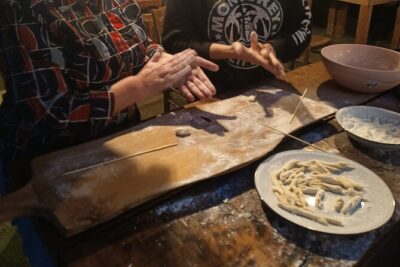
- The Swahili cuisine cooking class: where the spices become real
- Coconut climber moment: the playful Zanzibar performance
- Price and value: $94 per person and what you might need extra cash for
- Who this tour suits best (and who should skip it)
- Should you book Zanzibar’s Jozani + Spice Farm + Swahili cooking class?
- FAQ
- How long is this Zanzibar tour?
- Where are the pickup locations?
- Can I choose whether to start at Jozani Forest or the Spice Farm?
- What is included in the price?
- Is food included?
- What languages are the guides?
- What should I bring, and is alcohol allowed?
- Is the tour suitable for everyone?
Key points (what you really get)
- Jozani Forest walk with guided sightings and a focus on the red colobus monkeys’ unique look and diet
- Mangroves visit where you learn how these coastal trees grow and stabilize the shoreline
- Shabuta spice tasting of cinnamon, cardamom, black pepper, ginger, vanilla, turmeric, nutmeg, and cloves
- A Swahili cooking class that turns spices into real, edible context
- Coconut-climber show on the spice farm, described as a playful top-of-the-tree performance
The basic idea: Jozani Forest, mangroves, spices, and Swahili cooking
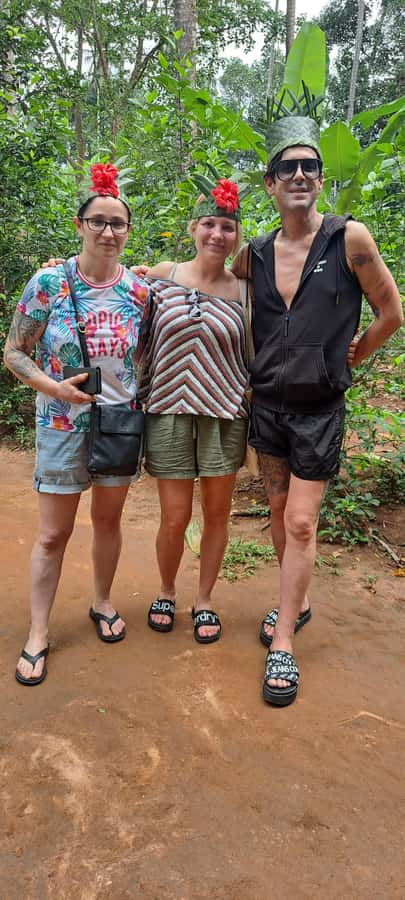
This is a fast, 5-hour Zanzibar sampler with three core ingredients. First you start in Jozani Chwaka Bay National Park, then you move to the Shabuta spice farm area, and you finish with learning connected to food through the Swahili cuisine cooking class.
What makes it a smart value for many people is that it doesn’t treat Zanzibar as just scenery. You’ll see wildlife and coastal plants, then you’ll learn why the island’s spices matter, and you’ll connect that to cooking instead of only collecting souvenirs.
You also get a small but important choice: you can pick where to start, either the Jozani forest side or the spice farm side. That flexibility helps when you want to time your walk for cooler light or when you’re matching the tour with your hotel location.
Pickup and timing: how to fit it into your Zanzibar day
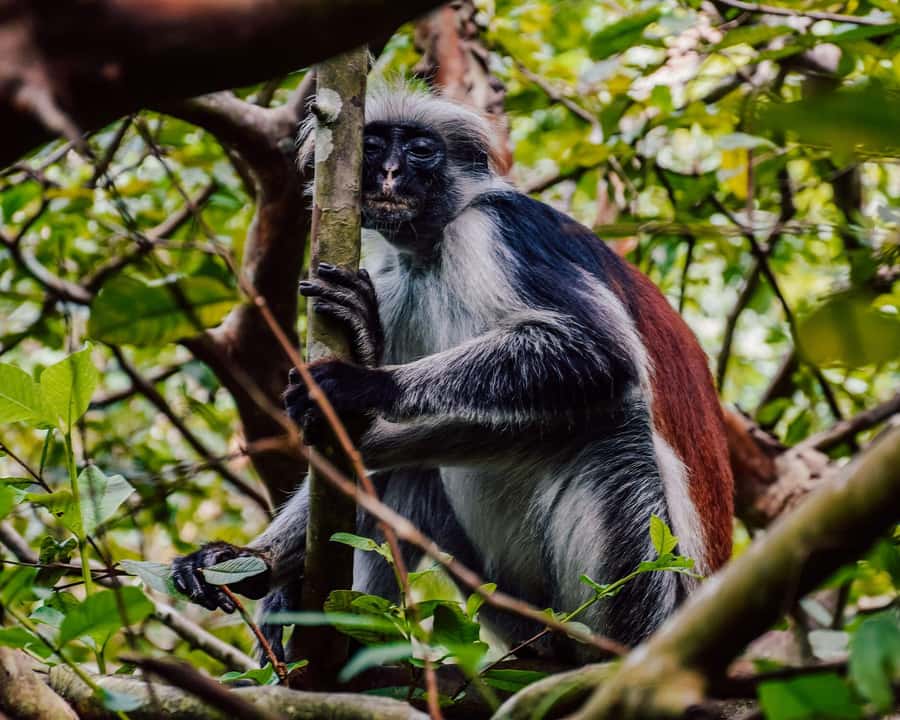
The tour runs for about 5 hours, and your day depends on where you’re staying. Pickup is offered from a long list of places, including Stone Town, Uroa, Pwani Mchangani, Nungwi, Kiwengwa, Paje, Michamvi, and Jambiani (plus nearby areas on the island).
You’ll meet your guide at reception or in the lobby during the selected pickup time, then transfer to the two main stops. Because it’s a tight schedule, comfortable shoes matter more than you’d think. You’re walking in forest and on farm paths, and those can be uneven.
If you want smoother timing, decide ahead of time which start point makes more sense for you. Starting with Jozani gives you wildlife and forest time while you’re fresh, while starting with the spice farm may help if you prefer to warm up with something less about walking and more about tasting first.
Entering Jozani Chwaka Bay National Park: red colobus monkeys and more
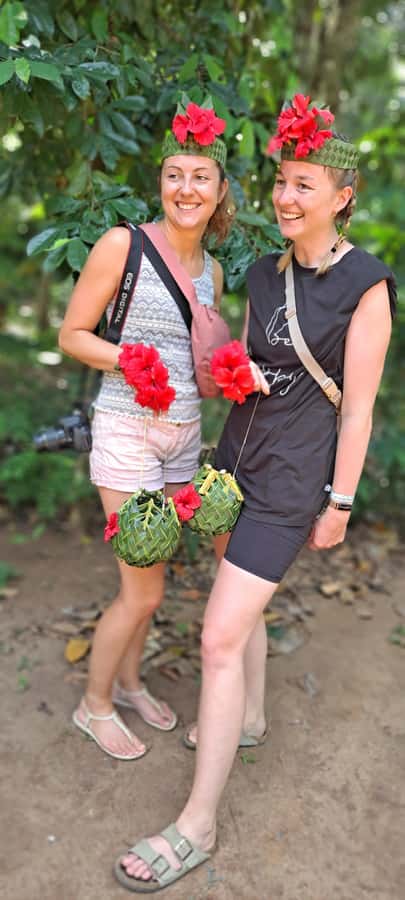
Jozani is where Zanzibar feels most alive fast. You start with a guided experience in the park, including a photo stop and then a walk with a focus on what’s happening in the canopy and understory.
The main wildlife draw is the red colobus monkeys. These aren’t just “cute monkeys.” They have a distinct look described as four fingers and no thumb, with a white patch on the chest and red coloring over the back. Their diet is also described as specific—mainly green and young fruits and vegetables—so the guide’s explanations connect behavior to what you’re seeing.
You’ll also have the chance to spot other forest creatures, including elephant shrew and chameleons. The tour also mentions a forest species called digidig. Even when you don’t see every animal clearly, a guided walk like this helps you notice movement and feeding signs you’d miss on your own.
What I like about this part of the tour is that it’s not only about checking boxes. When your guide points out how and where animals feed, you stop thinking of it as “a photo mission” and start understanding the habitat. That’s when Jozani stops being a stop and becomes the experience.
Mangroves: learning the roots that hold the coast together
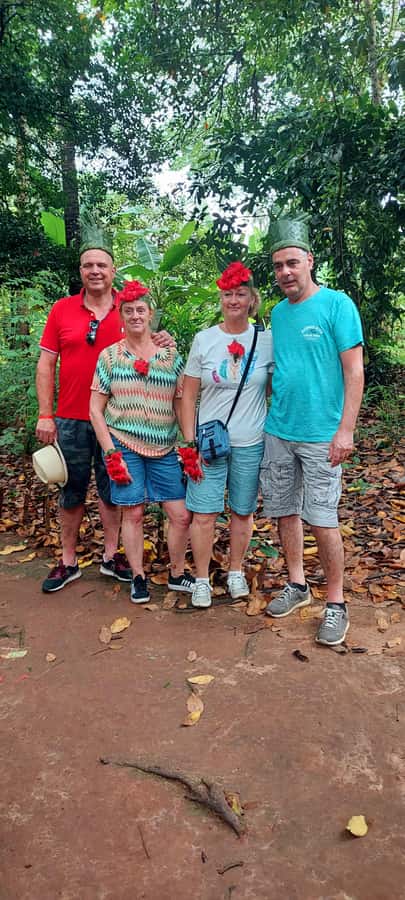
After the forest walk, you’ll shift to the mangroves area. This is less about dramatic animals and more about learning how the ecosystem works.
You’ll see how mangroves are grown and you’ll get the explanation that makes those tangled roots make sense. Mangroves act like a living barrier. They help protect the shoreline and create a sheltered environment for coastal life.
One thing to plan for here is mental shift. In the forest, you’re searching for movement. In mangroves, you’re studying structure: leaves, stems, and root systems. If you’re the kind of person who enjoys small details, this stop is a highlight.
Shabuta Spice Farm: tasting spices you usually only see in packets
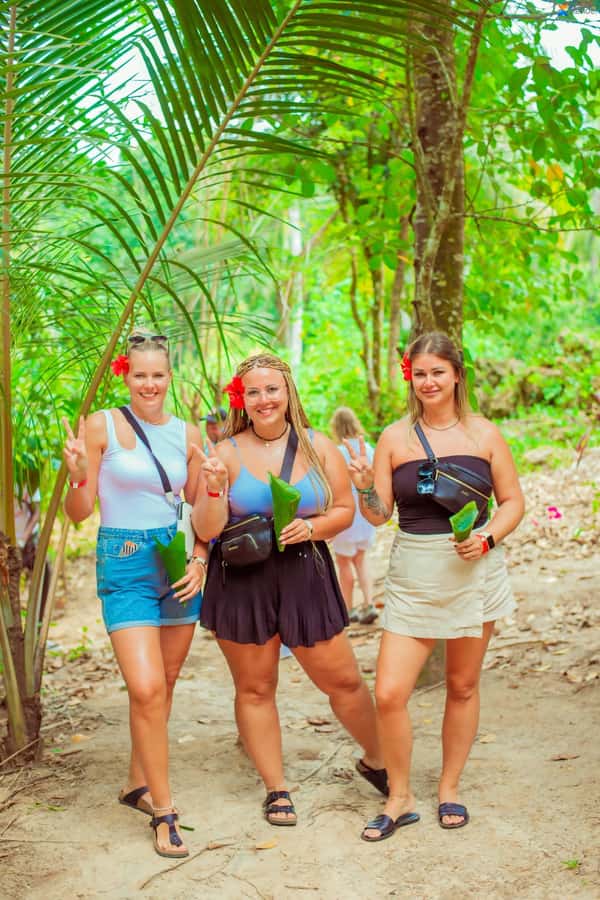
Then comes the farm portion: you’ll arrive for a break, photo stops, guided time, and then time to wander within the farm area. A big part of why people enjoy this stop is the sensory learning.
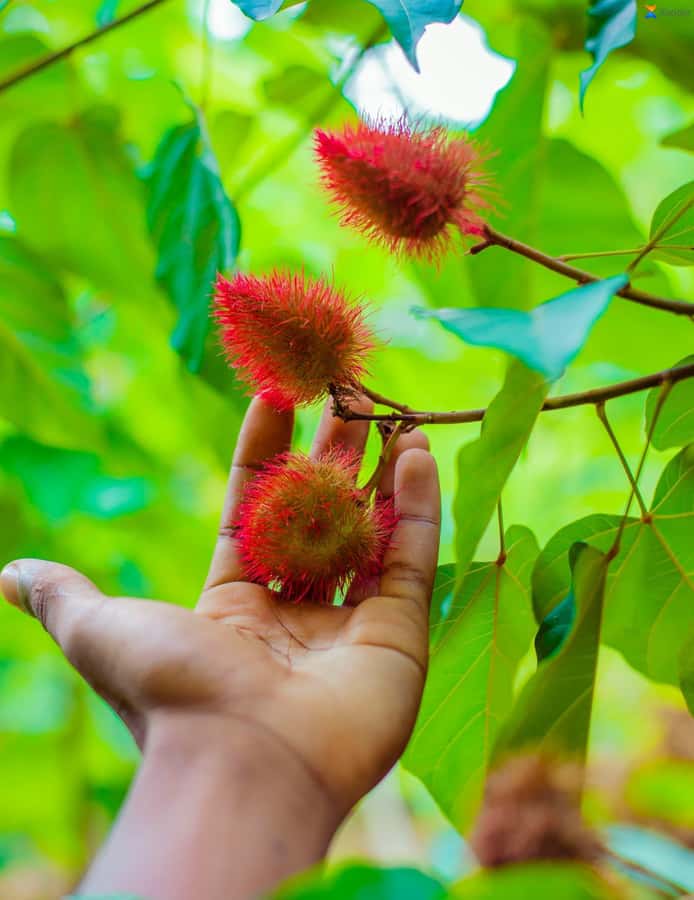
You’re guided through spices and fruits described on the tour, including cinnamon, cardamom, black pepper, chill, ginger, vanilla stick, lemon grass, lemon mint, turmeric, nutmeg, and cloves. The emphasis is on seeing, smelling, and even testing some of the spices so you can connect flavor to plant form.
Here’s the practical win: once you taste and smell ingredients in Zanzibar, it’s easier to understand what changes when they move from farm to kitchen. You stop seeing “spice mix” as a product and start seeing it as individual flavors with different strengths and uses.
That said, keep your expectations realistic. A farm visit often turns into shopping zones. The guide and other staff may bring you to multiple points, and you may feel pressured around tips and purchases. If you want the educational parts, go in with a clear spending limit and be ready to say no.
The Swahili cuisine cooking class: where the spices become real
The cooking class is one of the tour’s strongest ideas because it answers a question most visitors have but don’t always get: what do these spices actually do in food?
Even without a long lecture, you’re learning how Zanzibar spices fit into Swahili cuisine. The tour’s theme ties directly into the farm tasting, so you get to connect the smell and taste you experienced with a cooking context.
This also changes the mood of the day. A forest walk is active and outdoorsy. Cooking is hands-on and calmer. If your schedule feels packed, this break can make the whole experience feel balanced instead of rushed.
The quality of the guidance matters here. In the guide experiences shared, Hassan was noted for explaining things clearly and making the rainforest and spice learning click. That kind of communication is exactly what you want during a cooking class, because it turns ingredients into understanding.
Coconut climber moment: the playful Zanzibar performance
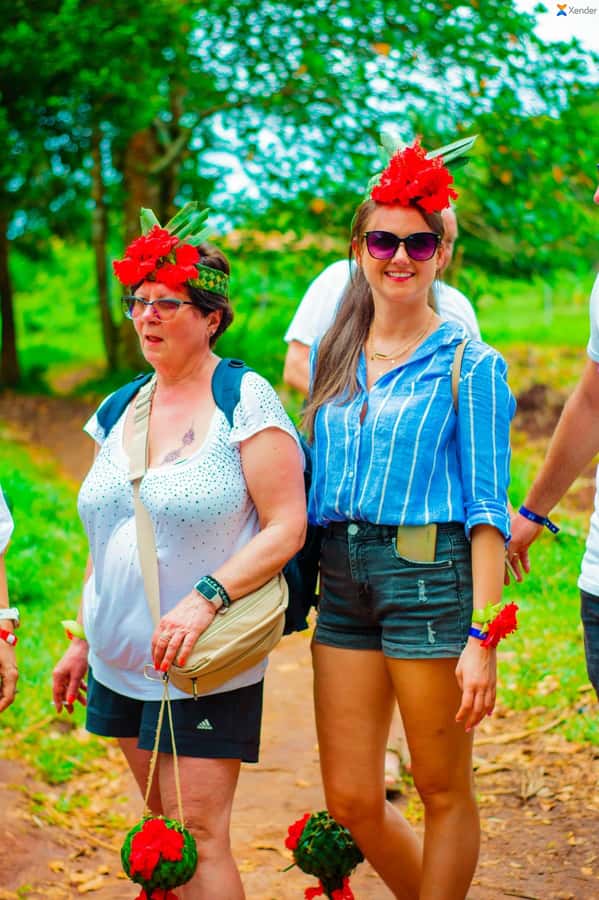
On the spice-farm side, the tour includes a person described as a human butterfly, climbing a coconut tree until the top. You’re also told they sing a song described as Hakuna Matata during the performance.
This is one of those “only on Zanzibar” moments that mixes local talent with the everyday work of the island. It’s not a museum-style show; it’s tied to the spice farm environment and the idea of harvesting.
If you’re taking photos, keep your camera ready for quick moments. The climb can be fast, and the best angles depend on where you’re standing in relation to the tree.
Price and value: $94 per person and what you might need extra cash for
The listed price is $94 per person for a 5-hour tour that includes a lot of moving parts. You get hotel pickup and drop-off, entrance fees, a guide fee, government taxes, and bottled water.
For value, the key is that you’re paying for guided experiences across two locations plus a cooking element. It’s not just a driver and two long stops. The structure is what you’re buying: guided time in Jozani, guided spice-farm explanations, plus the Swahili cuisine learning portion.
What’s not included is food and drinks. The tour notes that you can request lunch, but the default is that you’ll cover it yourself. Plan to budget for lunch if you’re hungry by mid-day.
Also, bring cash. The tour specifically asks for it, and the spice-farm segment can involve tips and sales conversations. You don’t have to buy anything to enjoy the walking and smelling parts, but it helps to have cash available if you decide to tip or purchase a few spices to take home.
One more practical note: the tour offers free cancellation up to 24 hours in advance for a full refund, and it supports reserve now & pay later. If you’re juggling weather or hotel plans, that flexibility can reduce stress.
Who this tour suits best (and who should skip it)
This experience makes the most sense if you want a guided sampler of Zanzibar’s nature and flavors in one stretch. It’s ideal for people who like learning outdoors, enjoy wildlife sightings, and also want an edible connection through cooking.
It’s not suitable for:
- people with diabetes
- babies under 1 year
- people over 70
The walking is part of the reason. You have time in the park and then about 1.5 hours at the spice farm on foot, so comfortable shoes and good stamina matter. If you’re sensitive to heat, aim for earlier or later timing depending on your own comfort level, since the tour is outdoors-based.
If you’re traveling with kids, pay attention to the minimum age rule. And if you’re traveling as a solo adult, this is still a good structure because pickup and guide support reduce the day-to-day logistics.
Should you book Zanzibar’s Jozani + Spice Farm + Swahili cooking class?
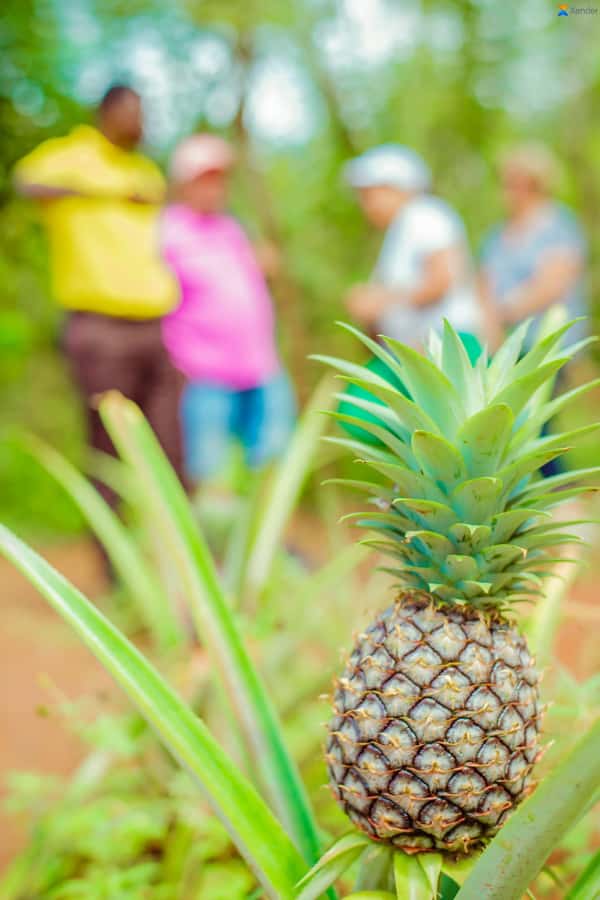
Yes, I’d book it if you want a compact Zanzibar experience that mixes wildlife (red colobus monkeys), mangrove learning, and spice tasting with a real-world food connection through the Swahili cuisine cooking class. It’s the kind of tour that helps you understand the island instead of just passing through it.
I’d be more cautious if you hate shopping pressure or you dislike tip-and-purchase dynamics. The forest part sounds strong and friendly, but the farm atmosphere can turn sales-forward fast. If you’re the type who sets a budget and sticks to it, you’ll likely be fine.
If you’re looking for a smooth day plan with guided nature and flavors, this 5-hour combo is a solid choice.
FAQ
How long is this Zanzibar tour?
The tour duration is 5 hours.
Where are the pickup locations?
Pickup is offered from multiple areas, including Stone Town, Uroa, Pwani Mchangani, Nungwi, Kiwengwa, Paje, Michamvi, and Jambiani.
Can I choose whether to start at Jozani Forest or the Spice Farm?
Yes. You have the opportunity to choose where to start between Jozani forest and the spice farm.
What is included in the price?
The tour includes hotel pickup and transfer round-trip, entrance fees, guide fee, all government tax, and bottled water.
Is food included?
Food and drinks are not included, but you can request lunch.
What languages are the guides?
The live tour guide is available in English, German, and French.
What should I bring, and is alcohol allowed?
You should bring comfortable shoes, a camera, and cash. Alcohol and drugs are not allowed, and littering is not permitted.
Is the tour suitable for everyone?
No. It is not suitable for people with diabetes, babies under 1 year, or people over 70 years.