REVIEW · ACCRA
Day Trip Near Accra – Visit Aburi Gardens, Waterfall & Cocoa Farm
Book on Viator →Operated by Vince · Bookable on Viator
One cool hour north of Accra can change the whole day. This Aburi trip uses Aburi’s hillside air, guided stops, and a simple rhythm—garden, cocoa farm, crafts, then the big waterfall—so you get nature and culture without the stress of figuring anything out. With expert guide Vince, you’re not just passing through; you’re being oriented, explaining what you’re seeing, and keeping you moving at a comfortable pace.
I especially like Aburi Botanical Gardens for the mix of towering trees, orchids overhead, and the conservation message that turns a walk into something you’ll remember. I also really like the Tetteh Quarshie Cocoa Farm, where you learn Ghana cocoa’s roots in 1879 and can still spot two original cocoa trees bearing fruit, plus see how cocoa links to chocolate production.
The main thing to consider is the waterfall part is active: the route goes downhill and you descend along stairways to the plunge pool, so if you have mobility limits, plan accordingly.
In This Review
- Key highlights you’ll feel right away
- Why Aburi Works for a Half-Day Escape From Accra
- Aburi Botanical Gardens: Orchids, Tree Walks, and a Conservation Lesson
- Tetteh Quarshie Cocoa Farm: 1879 Roots and Old Trees With Fruit
- Aburi Craft Village: Souvenirs You Can Explain Back Home
- Oboadaka Falls: Songbirds, Pine Smell, and a Real Descent
- Vince and the Private Day Feel: Being Safe, Getting Answers
- Lunch and the Timing Math of a 4–5 Hour Day
- Price and Value: Is $179 Worth It?
- Who This Tour Suits (And Who Might Want a Different Plan)
- Should You Book This Aburi Gardens, Cocoa, and Falls Day Trip?
- FAQ
- What time does the Aburi tour run?
- How long is the trip?
- Is pick-up from Accra included, and do I get dropped back at my hotel?
- Are admissions included?
- Is this tour private?
- What is the cancellation policy?
Key highlights you’ll feel right away
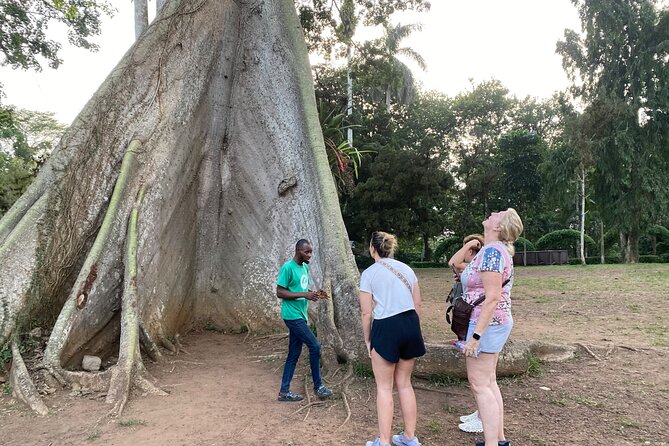
- Private with Vince: You get a guide who keeps you oriented and answers your questions as you go.
- Aburi Botanical Gardens: Winding trails with native and exotic trees, plus orchids and a conservation focus.
- Cocoa history you can see: The Tetteh Quarshie farm connects 1879 Ghana to chocolate production you’ll understand better after.
- Craft shopping with context: Aburi Craft Village puts real faces on the souvenirs.
- Oboadaka Falls walk: Songbirds, pine smells, and a long-feeling descent to a plunge pool.
Why Aburi Works for a Half-Day Escape From Accra
Aburi is one of those rare places where the scenery does part of the work for you. It sits northeast of Accra on higher ground, and that altitude makes the climate feel cooler than you’d expect from the coast. You start with a scenic drive, and by the time you’re out in the hills, the day feels like an actual change of pace rather than a long car ride.
This tour is built for flow. You hit four focused stops that each teach you something different—plants, cocoa, crafts, then water. The total time is about 4 to 5 hours, and the private format means you’re not stuck with a crowd moving at the slowest pace. If you like day trips that are structured but still feel personal, this one hits the sweet spot.
You can also read our reviews of more tours and experiences in Accra.
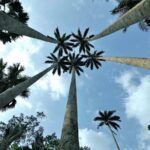
Aburi Botanical Gardens: Orchids, Tree Walks, and a Conservation Lesson
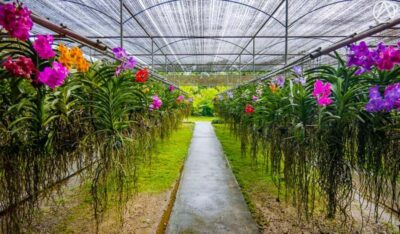
Aburi Botanical Gardens is where the day first slows down in a good way. You’ll walk winding trails under tall palms and African mahogany trees, with dappled shadows that make the whole garden feel calm and shaded. Overhead, orchids can be part of what you notice, and the plant variety is the point—not just pretty scenery, but understanding why different species matter.
What I like most is that the garden visit isn’t only about photos. You’re guided through the idea of conservation and biodiversity, so you come away with context for what you’re seeing. Even if you’re not a hardcore plant person, the guide can connect the dots—how this kind of garden protects knowledge and supports nature.
Time-wise, you get about an hour here. That’s long enough for a real walk, but short enough that the day still has room for cocoa, crafts, and the falls without rushing.
Tetteh Quarshie Cocoa Farm: 1879 Roots and Old Trees With Fruit
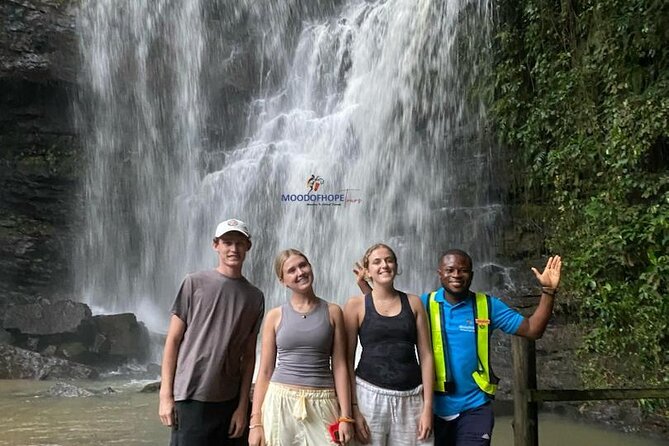
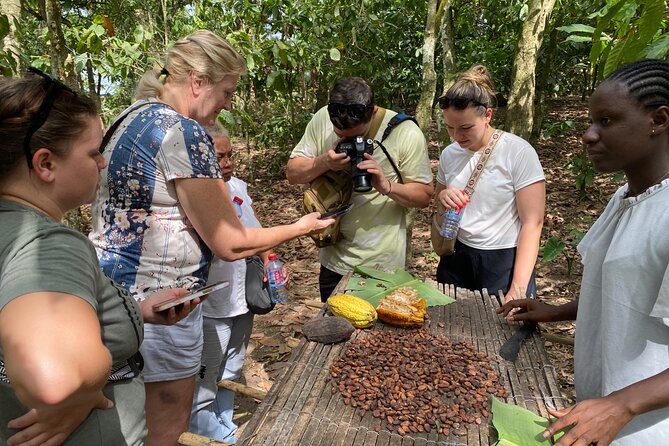
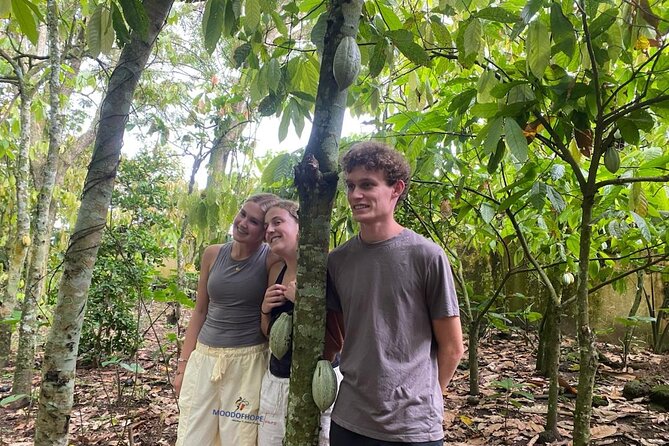
Next comes the cocoa farm, and this stop is the reason many people book. The Tetteh Quarshie Cocoa Farm sits in Akuapim-Mampong in Ghana’s Eastern Region and traces back to 1879, when Tetteh Quarshie—described as a skilled blacksmith—introduced cocoa to Ghana after returning from Fernando Po (modern-day Equatorial Guinea). Whether every origin detail is debated, the farm itself is concrete and physical: you’re seeing the living story of cocoa cultivation in Ghana.
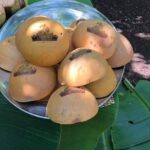
This is also one of those rare moments where “history” becomes something you can point to. You can see two original cocoa trees that are over 145 years old and still bearing fruit. That fact alone gives the farm real weight. It turns chocolate from a product into a plant, a process, and a timeline.
You’ll also learn about cocoa cultivation and chocolate production as part of the farm visit. Since this stop has admission included at no cost, it’s a value win. It feels like you’re getting a full education component without the extra pricing pressure.
Aburi Craft Village: Souvenirs You Can Explain Back Home
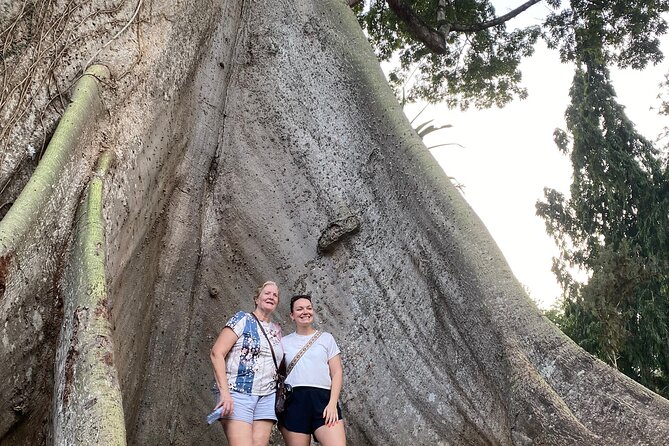
After cocoa, you’ll shift from agriculture to art at Aburi Craft Village. This part of the day is practical. If you want souvenirs that aren’t random and mass-produced, craft villages help you buy with confidence—because you can see how pieces are made and meet the artisans shaping them.
In plain terms, you’ll watch skilled artisans sculpt intricate pieces, and then you can purchase souvenirs directly. I like that you’re not just handed a shopping list. You’re given a cultural stop that makes the shopping part feel tied to real work and real skill.
This stop is also a good energy reset. The walk through the craft village is usually easier than the waterfall descent, and it gives you a chance to slow down before the final nature climax.
Oboadaka Falls: Songbirds, Pine Smell, and a Real Descent
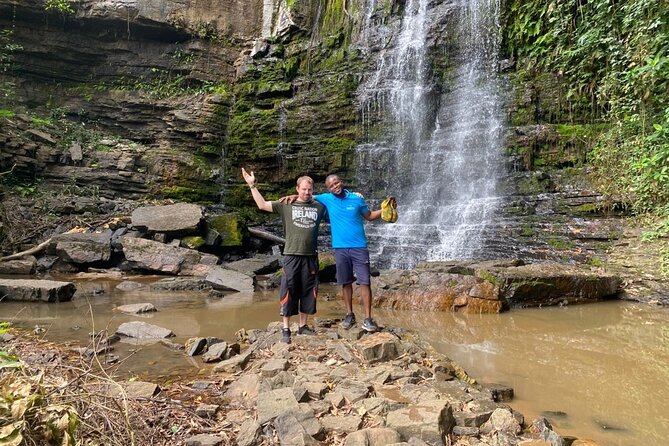
Oboabaka Falls is the payoff. The route runs downhill from the Aburi area, and you’ll arrive after about a 20-minute car ride from Aburi Botanical Gardens. The setting is described with detail for a reason: songbirds, distinct pine smells, and the sound of the waterfall itself create a full sensory buildup long before you reach the plunge pool.
The waterfall has steep drops over rock steps, and it’s estimated around 623 feet above ground level. That’s the kind of number that stays in your head once you’re there, because the drop feels bigger than you expect from a short hike. You descend slowly at a personal pace, but you should still expect to catch your breath. The stairways add effort, especially if it’s warm or humid.
One practical upside: your time here is about an hour. That’s enough to experience the descent and enjoy the waterfall sound and pool area without turning it into an all-day endurance event. If you’re the type who likes nature photos, this is where you’ll actually earn them.
Vince and the Private Day Feel: Being Safe, Getting Answers
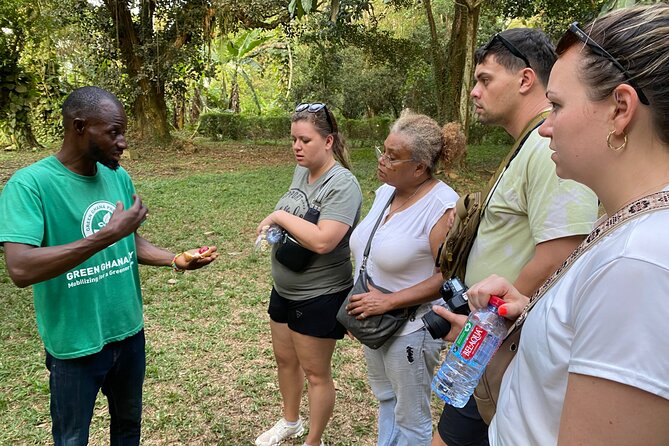
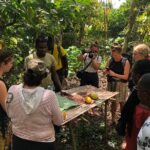
A big part of what makes this trip work is the guide. Vince is repeatedly described as professional and knowledgeable, and that matters more than people expect when you’re out of town and moving between different sites. On a first trip to Ghana—or even if you’re already comfortable in Accra—having someone who makes you feel welcome and safe reduces mental load.
You’ll also notice the difference in how questions are handled. Vince explains things as you go, not in a rush, and that helps the day connect. One reason the Aburi day can feel memorable is that the guide doesn’t treat it like a checkbox route. The plan is thoughtful, and the pacing feels tuned to the group.
This is also private, meaning it’s only your group. That matters if you want flexibility, quieter time for photos, or a guide who can adjust the day instead of sticking to a rigid script for strangers.
Lunch and the Timing Math of a 4–5 Hour Day
A tour like this lives or dies by time. Here, the schedule is tight but not frantic. You spend about an hour at each major stop: Aburi Botanical Gardens, the cocoa farm, the craft village, and then Oboadaka Falls. Add driving time and brief transitions, and you end with a traditional lunch buffet plus hotel drop-off.
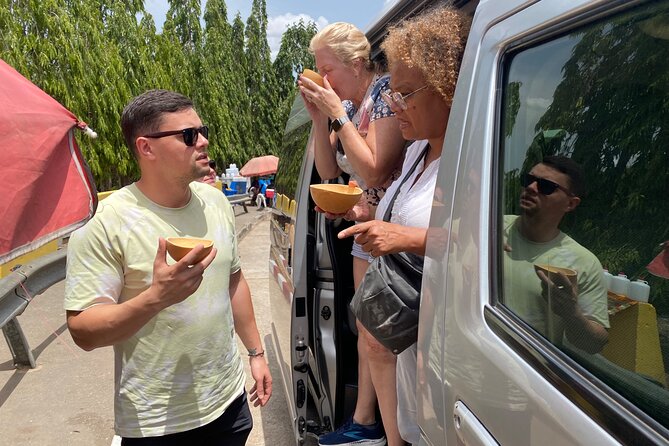
The lunch buffet is traditional, and it’s included. In practice, this is helpful because you don’t need to hunt for food after the waterfall or worry about timing around shops closing. It’s a clean finish to the day: you’re fed, you can unwind, and you’re not stuck in traffic longer than necessary.
Also note: the tour starts with pick-up offered, and you end with hotel drop-off. That reduces the biggest day-trip headache in Accra—getting out and back without wasting hours.
Price and Value: Is $179 Worth It?
At $179 per person for a 4 to 5 hour private day trip, the value comes from three places.
First, it’s private. You’re not renting a vehicle and paying for your own guide separately. Second, multiple parts of the experience include admission tickets: Aburi Botanical Gardens, Aburi Craft Village, and Oboadaka Falls each list tickets as included. The cocoa farm is free for admission, which adds even more value. Third, the traditional lunch buffet is included, which matters because meals are often what turn a “cheap” day trip into an expensive one.
If you’d rather spend your day looking at trees, old cocoa plants, and a proper waterfall than coordinating transport, this price makes sense. It’s also a good fit for solo travelers. If you’re alone in Accra, having pick-up and someone local who keeps you on track can be worth a lot more than the number on the ticket.
Who This Tour Suits (And Who Might Want a Different Plan)
This is ideal if you want a compact day that mixes nature and culture without complicated logistics. It’s also a strong option if you’re new to Ghana and want a guide who can explain what you’re seeing while you learn how the country works outside the city.
You’ll especially like it if you care about:
- learning cocoa’s Ghana roots rather than just tasting chocolate
- seeing craftsmanship firsthand at a craft village
- getting a real outdoor walk ending at a waterfall
If you’re someone who hates stairs or has limited mobility, consider the waterfall descent carefully. The tour includes a downhill route and stairways to reach the plunge pool, so you might need to adjust your expectations or look for a gentler alternative.
Should You Book This Aburi Gardens, Cocoa, and Falls Day Trip?
I’d book it if you want a guided, private day with clear stops and real variety. The combination of Aburi Botanical Gardens, the historic Tetteh Quarshie cocoa farm with fruiting original trees, Aburi Craft Village artisans, and Oboadaka Falls gives you four different “reasons” to remember the day. Add Vince’s professional, knowledgeable guidance and the included lunch, and the whole day feels like good planning rather than luck.
Skip it or think twice if you only want easy, flat walking. The waterfall part is an activity, not a drive-by view. If you can handle short stair descents and you’re okay with moving at a steady pace, you’ll probably feel like you got your money’s worth in experience, not just in transport.
FAQ
What time does the Aburi tour run?
The tour operates daily from 8:00 AM to 5:00 PM.
How long is the trip?
It’s about 4 to 5 hours, depending on the pace and transitions between stops.
Is pick-up from Accra included, and do I get dropped back at my hotel?
Pickup is offered, and the tour ends with hotel drop-off.
Are admissions included?
Yes. Admission tickets are included for Aburi Botanical Gardens, Aburi Craft Village, and Oboadaka Falls. The Tetteh Quarshie Cocoa Farm admission is free.
Is this tour private?
Yes. It’s a private tour/activity, so only your group participates.
What is the cancellation policy?
You can cancel for a full refund up to 24 hours in advance of the experience’s start time. If you cancel less than 24 hours before, the amount you paid is not refunded.