REVIEW · ACCRA
Boti Falls, Umbrella Rock, Aburi Gardens & Cocoa Farm Day Tour
Book on Viator →Operated by Expedition-Go Tours Ltd · Bookable on Viator
One day, four different Ghana vibes—waterfalls, a climb, gardens, and cocoa. I like how this trip packs Boti Falls and Umbrella Rock into a real outdoors block, and I also like that the cocoa stop is built around tasting ripe beans before they become chocolate.
One thing to keep in mind: the walk and climb can get hot, especially in the middle of the day, so plan for heat and wear grippy shoes—this is not a stroll in the park.
In This Review
- Key things to know before you go
- A day built for nature and real tastes in Eastern Ghana
- Price and logistics: what $150 buys you
- Boti Falls and the Pawnpawn River: when twin waterfalls steal the show
- Umbrella Rock: the climb you actually remember
- Aburi Botanical Gardens: slow walking, sharp explanations
- Tetteh Quarshie Cocoa Farm: learn the process, then taste it
- Transport comfort, small-group feel, and what to bring
- Value check: is it worth $150?
- Who should book this day tour?
- Should you book Boti Falls, Umbrella Rock, Aburi Gardens & Cocoa?
- FAQ
- How long is the Boti Falls, Umbrella Rock, Aburi Gardens & Cocoa Farm day tour?
- What is included in the tour price?
- Is lunch included?
- Is pickup available from Accra?
- Are admission tickets included for all stops?
- Is the tour suitable for people with limited physical fitness?
- How big is the group?
- What happens if weather is bad?
Key things to know before you go
- Twin Boti Falls: two waterfalls with local folklore about a rainbow when they meet
- Umbrella Rock is climbable: expect a fun climb and forest views on the other side
- Aburi Gardens are guide-led: you’ll get explanations about tree species and how they’re used
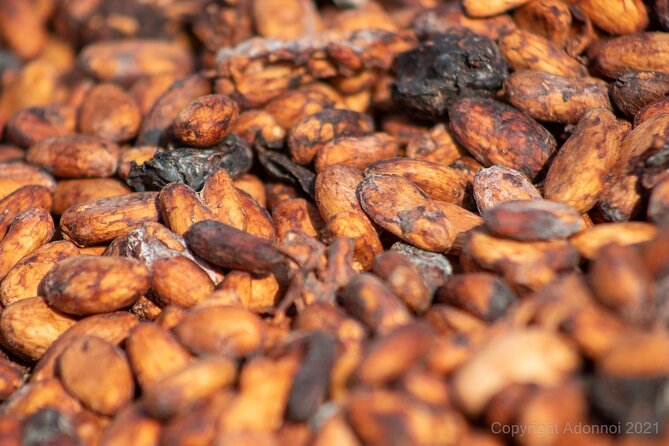
- Tetteh Quarshie Cocoa Farm: you’ll learn cocoa cultivation steps and taste ripe cocoa
- Small group feel: max size is 100, plus pickup and air-conditioned transport
A day built for nature and real tastes in Eastern Ghana
This is the kind of Accra day trip that actually changes the scenery. You start with water and forest at Boti Falls, then you trade sound of rushing water for the challenge of a climb at Umbrella Rock. After that, you slow down among trees at Aburi Botanical Gardens, and you end with cocoa—something you can’t really learn from a brochure.
What makes this trip work is the balance. You get physical time outdoors, but it’s not all sweat. The gardens and cocoa farm give you a calmer pace where you can ask questions and soak up the why behind what you’re seeing.
You can also read our reviews of more tours and experiences in Accra.
Price and logistics: what $150 buys you
At $150 per person, this isn’t a throwaway excursion. But it’s also not overpriced once you look at what’s included. Your transport is air-conditioned, there’s WiFi on board, and bottled water is part of the package. Most importantly, the admission fees for the major stops are included, so you’re not scrambling for tickets once you arrive.
A few other practical points make a difference. Pickup is offered, and you get a mobile ticket. The tour runs roughly 3 to 9 hours, so it can fit into a short stay without swallowing your whole day. The schedule also runs daily from early morning through late evening, which helps if you’re planning around other activities.
One note that matters for budgeting your time: lunch is not included. If you’re sensitive to hunger during hiking-style stops, you’ll want to plan a snack strategy before you go or arrange something near the end of the tour.
Boti Falls and the Pawnpawn River: when twin waterfalls steal the show
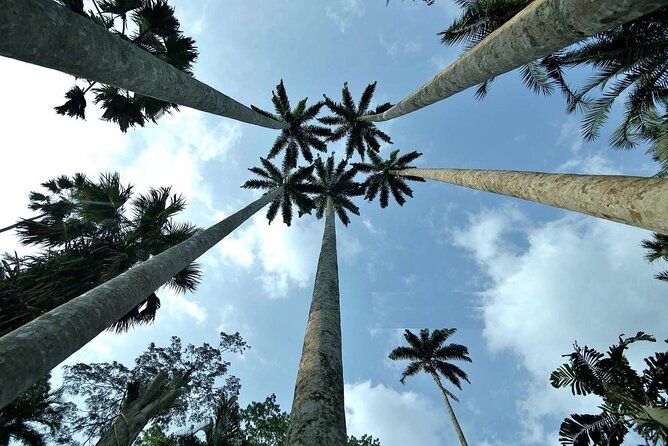
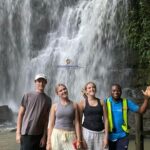
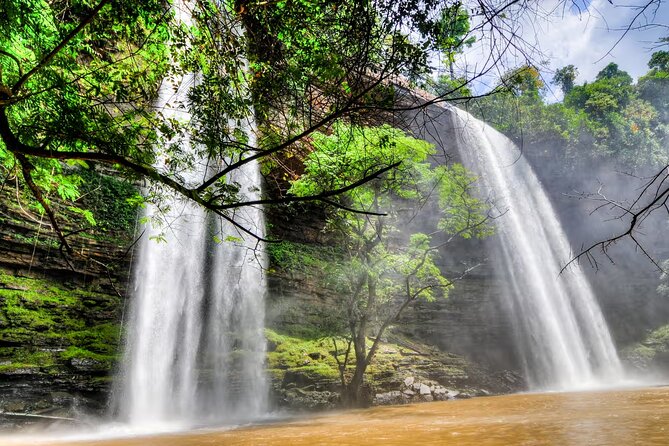
Boti Falls is in Ghana’s Yilo Krobo District in the eastern region. The big idea here is that it’s a pair of falls—often described as male and female twins—coming from two rivers that meet in the area. Locals link the meeting of the falls with the chance of a rainbow, which gives the place a bit of myth on top of the real beauty.
What you should expect on the ground is a forest setting where the river and waterfall feel close and physical. There’s a reason this stop is often described as the heart of the day: it’s not just a view from a road. You’re moving around in an outdoor environment tied to water, humidity, and sound.
Now, here’s the honest part. Water flow can vary, especially in dry season. On at least one outing, there was no water at Boti Falls, and the guide had warned the group in advance. That can be disappointing if you’re imagining constant spray and full force falls. Still, it can also make the experience more about the walk, the setting, and the guide’s explanations than about a picture-perfect waterfall moment.
If you’re going specifically for dramatic waterfall volume, ask your guide day-of how conditions look. And if you’re going for the whole story—forest + falls + folklore—you’ll likely leave happy even when the water is low.
Umbrella Rock: the climb you actually remember
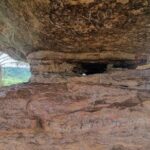
Umbrella Rock looks like what its name suggests: an umbrella-shaped formation. The key detail is that it’s climbable, and after you reach the top area, there’s a lovely forest view on the other side.
This is where the day shifts from sightseeing to effort. Even if the climb is short compared with big hikes, you’ll feel it. The ground can be uneven, and you’ll need steady footing. This is also the kind of stop where heat makes a difference. One account pointed out that hiking in over-30-degree midday sun is a rough combo—so if your tour timing lands you in the hottest hours, pace yourself and take breaks before you feel cooked.
What I like about Umbrella Rock as a stop is that it’s a clear “do something” moment. You’re not just looking. You’re climbing, stepping, and earning your view. That kind of effort tends to make the whole trip feel more satisfying at the end of the day.
Bring water seriously. And if you’ve got any knee or balance issues, you’ll want to choose slower movement and ask the guide about the easiest way up.
Aburi Botanical Gardens: slow walking, sharp explanations
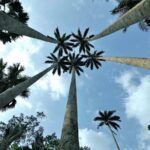
Aburi Botanical Gardens is big—about 64.8 hectares—with wide lawns and lots of trees from both local and foreign species. It was created by Governor William Bradford-Griffith and physician Dr. John Farrell Easmon, and the gardens were officially inaugurated in March 1890.
In plain terms, this is the stop for people who like structure. You’ll be guided through the gardens and learn how different plant species are used. The guide explanations are the value here. You can wander a garden alone, sure. But a good guide helps you understand what you’re seeing—especially when the plant list includes species with local uses beyond just “pretty leaves.”
It also gives your body a break. After waterfall time and a climb, the garden pace feels easier. You get time to sit, look closely, and let the day breathe.
One practical tip: gardens are cooler than exposed rock climbs, but they can still be sunny. I’d still dress with sun protection in mind, because Ghana light doesn’t politely wait for clouds.
Tetteh Quarshie Cocoa Farm: learn the process, then taste it
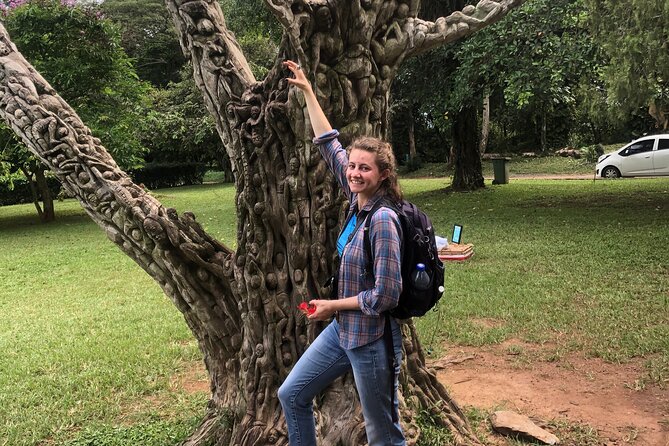
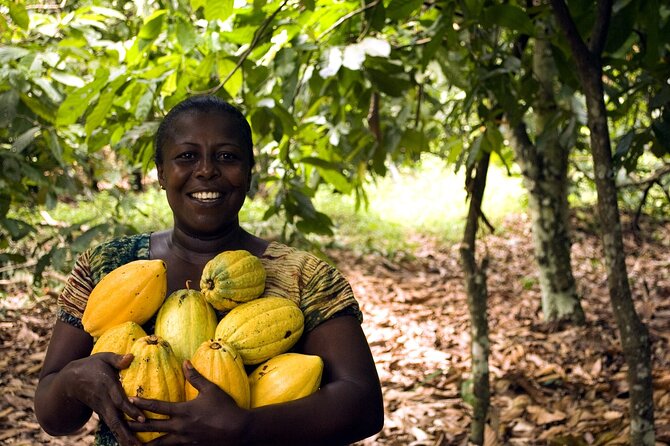
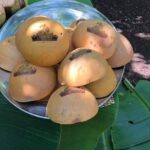
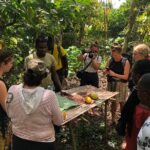
Cocoa is one of Ghana’s signatures, and this farm stop is centered on why that matters. You’ll visit the site of Ghana’s first cocoa farm, then explore cocoa cultivation processes—how beans grow, how they’re handled, and how the path from farm to chocolate works.
The best part is at the end: you get to taste ripe cocoa before it becomes chocolate. That’s a rare moment. Most “food tours” end with a product in a wrapper. Here, you get to experience cocoa at a stage that’s about the raw fruit and bean character rather than only sweetness and processing.
This stop also tends to give you something to talk about later. After the gardens, it’s a nice mental shift: plants become food and story becomes taste. If you’re into cooking, agriculture, sustainability, or just understanding where your favorite flavors come from, this is the part that makes the day feel educational without turning into a classroom.
Timing matters a bit here. On one outing, timing issues meant a cocoa-related attraction was missed. So if the cocoa stop is a must for you, go into the day expecting real life logistics—then be flexible if the schedule compresses.
Transport comfort, small-group feel, and what to bring
This trip is built around a comfortable vehicle. You’ll have WiFi on board, bottled water, and air conditioning. In a hot country, that’s not a luxury detail. It’s the difference between arriving energized versus grumpy and depleted.
The tour also says it has a max of 100 travelers, which helps keep the day from feeling chaotic. You’ll also find that group discounts are available, which is useful if you’re booking with friends.
What you should bring:
- Good walking shoes with grip for climbing and uneven ground
- Sun protection (hat, sunscreen) since exposed sections can be intense
- Refillable water if you tend to drink a lot (bottled water is provided, but pace matters)
If you’re the type who likes photos, you’re covered. The falls area and Umbrella Rock are photo moments. The gardens are photo moments too, just with more shade and slower movement.
Value check: is it worth $150?
For me, the value comes down to three things: included admissions, included transport, and a day plan that doesn’t feel half-finished.
Admissions are included for Boti Falls, Aburi Botanical Gardens, and the Tetteh Quarshie Cocoa Farm. That alone can make the pricing feel fair compared to paying separately. Add in an air-conditioned ride plus pickup and bottled water, and the trip stops feeling like you’re just renting a taxi for a few hours.
Also, the day has variety. A lot of Accra day trips focus on one big highlight and then fill time with less interesting stops. Here, each stop is distinct: water, climb, trees, and taste. That variety is part of the “why it feels worth it” that matches the strong recommendation rate and high score.
The main value risk is not the price. It’s the outdoor variable stuff. If Boti Falls is low on water, your expectations need adjusting. If the heat is intense for your timing, your comfort depends on how you handle it.
Who should book this day tour?
This is a good fit if you:
- Want a full day that mixes action and calm
- Like guided explanations (especially at the gardens)
- Are interested in cocoa beyond just eating chocolate
It may be less ideal if you:
- Hate climbing or uneven ground
- Need midday downtime with lots of shade (the climb timing can push you into hot hours)
If you’re traveling with seniors or kids, the climb at Umbrella Rock and the walking around the waterfall area are the parts to plan around. You’ll likely manage, but you should go in with an adult’s eye on safety and a realistic pace.
Also, if you’re the type who hates schedule compression, keep in mind that real-world timing hiccups can happen and can affect how much time you get at each stop.
Should you book Boti Falls, Umbrella Rock, Aburi Gardens & Cocoa?
I’d book it if you want a Ghana day trip that feels like more than a drive-by. Boti Falls gives you forest-water energy, Umbrella Rock gives you a memorable climb, Aburi Gardens adds a guided plant-learning pause, and the cocoa farm brings you back to something you can taste and understand.
Skip it or adjust expectations if you’re going when rainfall is unlikely and you’re chasing max waterfall flow. Also, if heat is a big issue for you, plan for a slower pace and sun protection from the start.
If you want one practical strategy: treat the falls as the setting, not a guaranteed show. Then you’ll enjoy the full day for what it is—part nature, part climbing, part agriculture, all in one go.
FAQ
How long is the Boti Falls, Umbrella Rock, Aburi Gardens & Cocoa Farm day tour?
The duration is listed as approximately 3 to 9 hours, depending on the flow of the day and time at each stop.
What is included in the tour price?
The price includes an air-conditioned vehicle, WiFi on board, bottled water, admission fees for Boti Waterfalls, Aburi Botanical Gardens, and Tetteh Quarshie Cocoa Farm, plus all fees and taxes.
Is lunch included?
No. Lunch is not included.
Is pickup available from Accra?
Yes, pickup is offered.
Are admission tickets included for all stops?
Admission tickets are included for Aburi Botanical Gardens, Tetteh Quarshie Cocoa Farm, and Boti Waterfalls.
Is the tour suitable for people with limited physical fitness?
The tour notes that travelers should have moderate physical fitness level.
How big is the group?
The tour has a maximum of 100 travelers.
What happens if weather is bad?
The experience requires good weather. If it’s canceled due to poor weather, you’ll be offered a different date or a full refund.