REVIEW · ACCRA
Experience Boti Waterfalls, Aburi Botanical Gardens & Tetteh Quarshie Cocoa Farm
Book on Viator →Operated by NYONKOPA ECO TOURS · Bookable on Viator
Three waterfalls, one serious hike.
This day trip mixes Aburi Botanical Gardens with cocoa education at Tetteh Quarshie, then lands you at Boti Waterfalls for views tied to the Umbrella Rock and a famous three headed palm tree. I love that the stops feel practical and hands-on, from learning plant medicinal uses to tasting ripe cocoa flavors. One drawback: Boti’s flow depends on season, and the walk up and down the Boti Hills is real work, so wear proper footwear.
What makes this outing easier is the human factor. You’ll travel with a patient guide who’s there to help with what you need, and the small touches matter when you’re bouncing between gardens, farms, and paths. In past departures, guides like Isaac and Kofi (with drivers such as Michael) have been praised for staying on time, explaining sights clearly, and making the day feel smooth, even when it gets physical.
This is also a full-feeling day, about 6 to 9 hours. You’ll be moving between different parts of the Greater Accra region, including ridge-area scenery, so it’s best for travelers who enjoy a structured day outdoors and don’t mind switching from “garden stroll” mode to “climb and step carefully” mode.
In This Review
- Key moments worth planning around
- Leaving Accra the scenic way: pickup, mountain roads, and pacing
- Aburi Botanical Gardens: medicinal plants and that carved pine story
- Tetteh Quarshie Memorial Hospital: the first cocoa farm site and a ripe cocoa taste
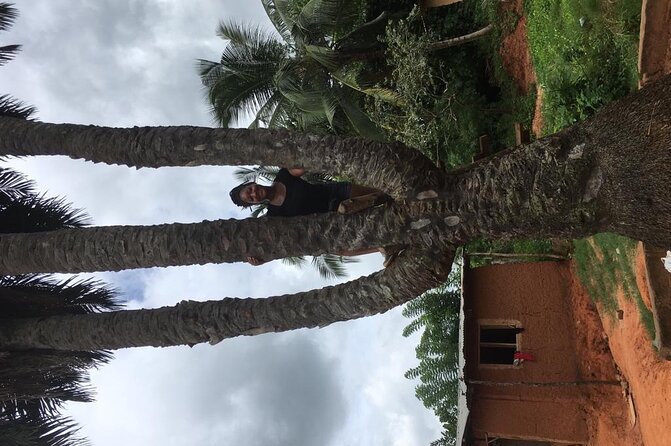
- Boti Waterfalls: Umbrella Rock, the 3-headed palm, and the 250m climb
- Asenema Waterfalls on the Akuapem ridge: a gentler finish
- Price and value at $175 per person: what you’re really paying for
- What to bring (and what to skip) for a day with rocks, plants, and cocoa
- Who should book this tour, and who should rethink the Boti hike
- Should you book this Ghana waterfall day?
- FAQ
- FAQ
- How long does the tour take?
- Where does the tour start, and is pickup included?
- Are admission tickets included?
- How hard is the Boti Waterfalls portion?
- Will I definitely see lots of water at Boti?
- Is this tour private?
- Can I bring a service animal?
- What’s the cancellation window?
Key moments worth planning around
- Medicinal plants at Aburi: You get more than photos—you learn what different plants are used for.
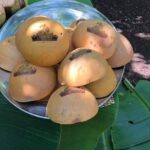
- A cocoa education you can taste: You’ll visit the first cocoa farm site and learn the cultivation process, then sample ripe cocoa.
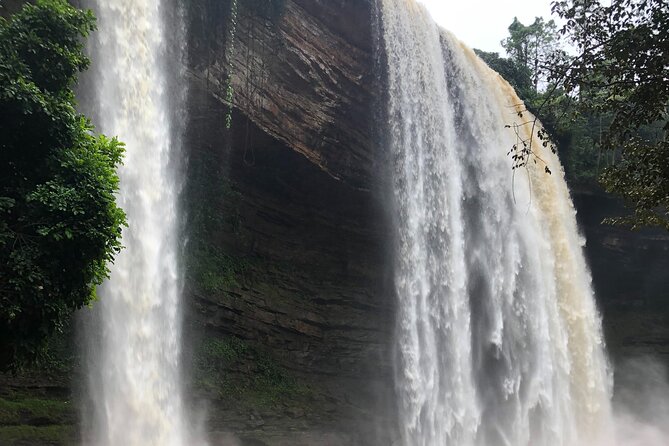
- Boti’s Umbrella Rock + 3-headed palm: The hike pays off with two of the area’s most distinctive landmarks.
- Seasonal twin falls: Boti can be dramatic in the rainy season and reduced or nearly dry in Harmattan.
- Comfortable footwear is not optional: The climb includes ascending and descending the Boti Hills (about 250m high).
Leaving Accra the scenic way: pickup, mountain roads, and pacing
You start with pickup, and that’s a big deal in a city like Accra where traffic and directions can eat your day. Once you’re out of town, the drive up to Aburi-style country scenery changes the mood fast—cooler air, greener slopes, and fewer city interruptions.
The day is paced as a sequence: garden first, then cocoa, then waterfalls (with the hardest one saved for the middle). That order helps because it warms you up with flat-to-moderate walking before you tackle the Boti climb, and it lets you use your energy wisely.
If you’re short on stamina, plan to move at your pace, not the pace of your feet. Even if the tour is set up for most travelers to participate, the Boti section is the one that really decides the day for your legs.
You can also read our reviews of more tours and experiences in Accra.
Aburi Botanical Gardens: medicinal plants and that carved pine story
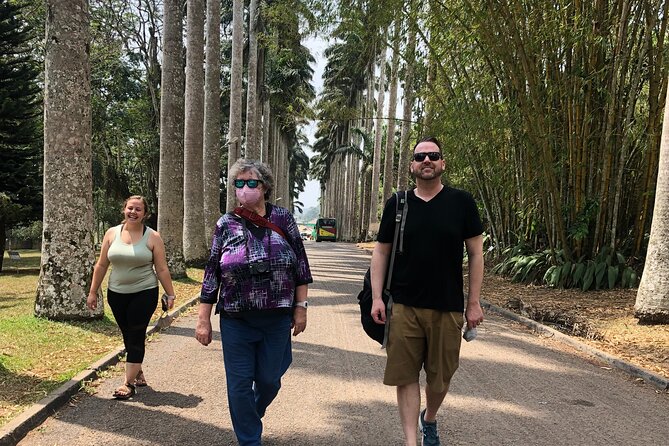
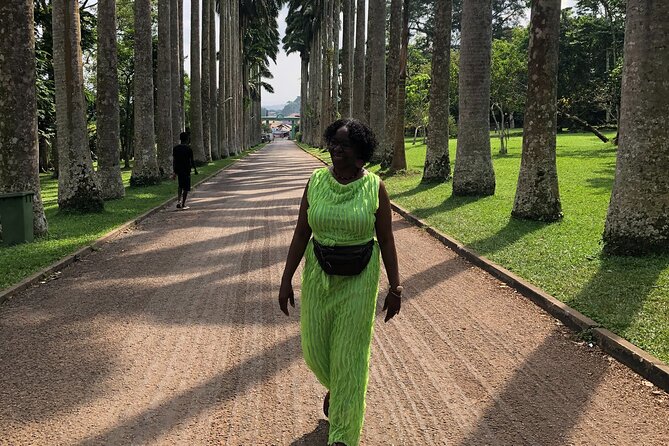
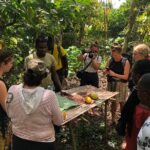
Aburi Botanical Gardens gives you nature with context. You’re not just passing trees—you learn about different plants and their medicinal uses, which makes the walk feel purposeful instead of random.
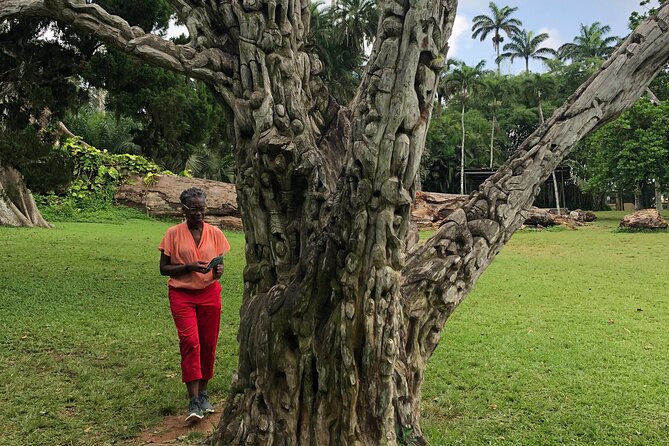
One memorable detail is the artistry inside the gardens: an artist carved a dead pine tree to tell a story about human life. It’s the kind of odd, thoughtful stop that keeps your mind awake while you’re strolling under canopy and shade.
A practical win: admission for this stop is included, and you get about an hour here. That’s enough time to enjoy the garden with a guide, ask questions, and still have energy for the next parts of the day.
What to watch for: garden paths can be uneven in places, and you’ll likely be transitioning from shaded walkways to brighter spots. Sun protection helps, even if you’re traveling in a place that can feel warm rather than blistering.
Tetteh Quarshie Memorial Hospital: the first cocoa farm site and a ripe cocoa taste
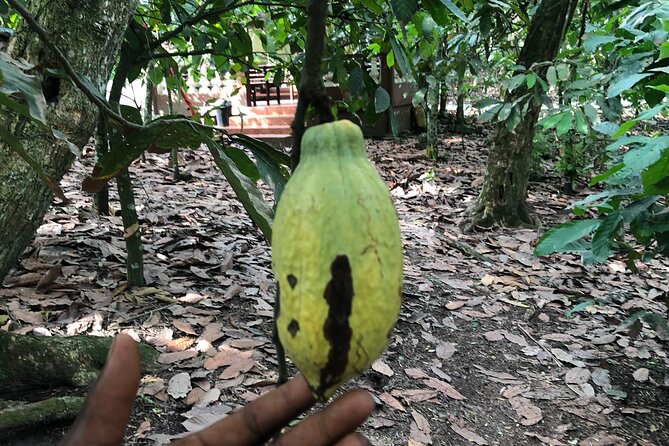
Next you head to the memorial site tied to Ghana’s first cocoa farm. The focus here is cocoa cultivation—how beans are grown and how the process turns raw cocoa into what ends up as chocolate.
This stop also includes admission and a full hour, which is perfect for learning without feeling rushed. You can expect an explanation of the stages of cultivation, and you also get a hands-on moment: you’ll feel how ripe cocoa tastes before it’s used for chocolate production.
Even if you’re not a chocolate nerd, this is a useful lesson because cocoa in Ghana is more than a product—it’s a story about farming, weather, and patience. It connects the countryside scenery to something you actually eat.
Why I think this stop is strong value: it’s compact, ticket-included, and it gives you a flavor moment that garden-only tours often skip.
Boti Waterfalls: Umbrella Rock, the 3-headed palm, and the 250m climb
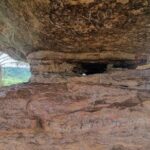
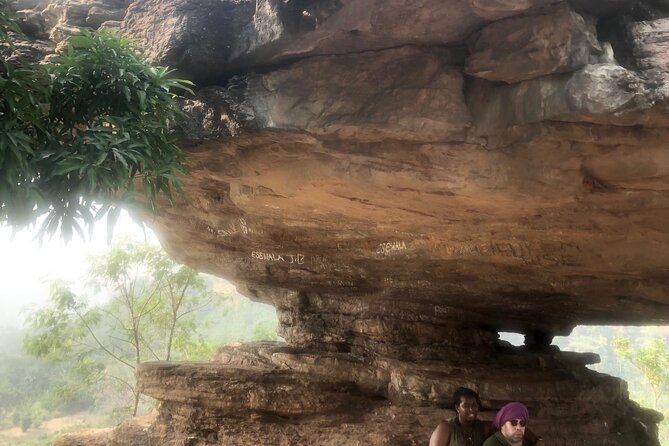
Boti is the main event, and it’s famous for two visuals: the Umbrella Rock and the three headed palm tree. You’ll head to the visitors center area and then do a hike that involves ascending and descending roughly 250m high to reach the rock features and return.
Here’s the key planning detail: Boti’s twin falls are seasonal. In the rainy season you can see the twin falls at the highest flow, while during Harmattan (the dry season) you may get limited or even no flow. So your expectations for water volume should match the time of year.
Footwear matters. Even if you’re fit enough to hike, the climb is still a rock-and-step route. Choose shoes with solid grip and closed coverage, and don’t wear anything slick or thin-soled.
Based on how guides like Michael and Isaac have handled challenging moments in past outings, the difference between a stressful climb and a manageable one is often support and pace. A good guide helps you keep moving, watch footing, and stay comfortable as you head up and back down.
If you love photos, this is also where your camera gets busy. The Umbrella Rock area and the palm tree are distinctive from many angles, and you’ll have a reason to pause and look around.
Asenema Waterfalls on the Akuapem ridge: a gentler finish
After the big climb, Asenema Waterfalls is a calmer landing. You’ll experience nature from the Akuapem ridge, with about an hour here and admission included.
This stop works as a reset. If you came in tired from Boti, Asenema gives you a chance to slow down and still feel like you saw more than one waterfall.
Flow note: the same seasonal thinking applies in Ghana generally, so even if you go in expecting rushing water, you should be ready for a range of waterfall intensity. The point here is the setting and the walk to see the falls, not just a single dramatic burst of water.
Price and value at $175 per person: what you’re really paying for
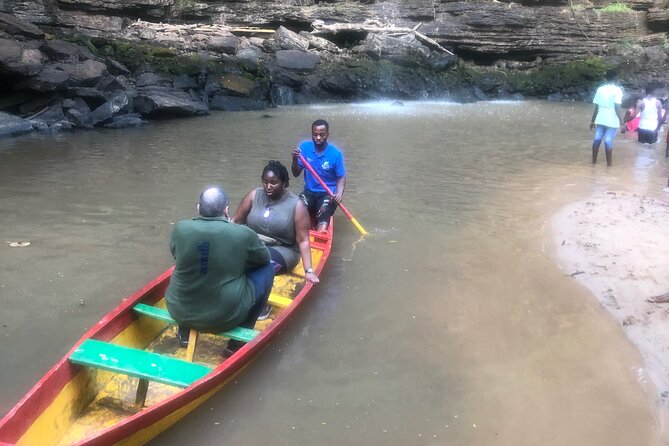
At $175 per person for roughly 6 to 9 hours, the value comes from three things working together: transportation with pickup, ticket-included entry at multiple sites, and a guide who keeps the day coherent.
This isn’t only a sightseeing loop. You’re paying for guided explanation at the gardens and cocoa site, plus an experience layer at Boti that includes that steep hike to major landmarks. Many half-day tours can’t justify themselves when they’re mostly driving and waiting—this one tries to keep your time active.
You also get a private tour setup, meaning it’s only your group. That typically improves the pace (and the comfort) because you can move together without getting sliced up by other groups.
If you’re traveling in a group, ask about group discounts. And if you like planning without last-minute printing, the mobile ticket detail is a nice practical touch.
What to bring (and what to skip) for a day with rocks, plants, and cocoa
This day asks for outdoor comfort, not just sightseeing outfits.
Bring:
- Comfortable, grippy shoes for the Boti hike
- A light layer for shade or cooler ridge air
- Water for the climb and the garden walks
- Sun protection (hat/sunglasses/sunscreen)
Skip if you can:
- Shoes with poor traction
- Thin sandals (you’ll regret it on rock steps)
- Anything you’ll need to baby or adjust constantly while walking
Also, expect a full day. You’ll be hopping between very different environments, so keep your bag simple and easy to manage. When you’re climbing, the less you fumble, the better.
Who should book this tour, and who should rethink the Boti hike
This is a great fit for nature lovers who like real variety: plants with medicinal context, cocoa cultivation history, and waterfall landmarks tied to specific rock formations.
It’s also a strong choice if you want a day outside the city without the stress of driving yourself. The guidance and pickup reduce the friction of moving between sites in one day.
Re-think the booking if:
- You have limited mobility or you know you struggle with steep, rocky climbs
- You’re expecting Boti to be a short walk with guaranteed heavy water flow
- You dislike long walking days and prefer a slower pace
That said, the tour is described as suitable for most travelers. The trick is matching your expectations to the Boti portion: this is the leg-burner of the day, and you’ll enjoy the payoff much more if you come prepared.
Should you book this Ghana waterfall day?
I’d book it if you want a single outing that hits three different kinds of outdoor learning: plants, farming, and waterfalls—then adds landmark views at Boti like Umbrella Rock and the 3-headed palm.
Don’t book it expecting a lazy day. If you’re even a little nervous about hikes, treat the Boti climb as the deciding factor. Wear the right shoes, pace yourself, and keep seasonal water in mind so the day doesn’t feel like a letdown.
FAQ
FAQ
How long does the tour take?
It runs about 6 to 9 hours, depending on timing and how the day flows.
Where does the tour start, and is pickup included?
Pickup is offered. You’ll be collected from your hotel and taken to the different stops.
Are admission tickets included?
Yes—admission tickets are included for Aburi Botanical Gardens, Tetteh Quarshie Memorial Hospital, Boti Waterfalls, and Asenema Waterfalls.
How hard is the Boti Waterfalls portion?
Boti includes a hike with ascending and descending an about 250m high route from the visitors center to Umbrella Rock and the 3-headed palm tree, then back.
Will I definitely see lots of water at Boti?
Boti’s twin falls depend on season. In the rainy season the flow can be at its highest, while during Harmattan (dry season) there may be limited or no flow.
Is this tour private?
Yes. It’s private, so only your group participates.
Can I bring a service animal?
Service animals are allowed.
What’s the cancellation window?
You can cancel for a full refund up to 24 hours in advance of the experience’s start time.