REVIEW · KAMPOT
Kep town: Local tuk tuk to Countryside & Pepper farm
Book on GetYourGuide →Operated by Kampot tours--pepper farm. Cave. Secret lake and Salt field · Bookable on GetYourGuide
Salt, pepper, and history in one easy loop. This Kep countryside tour uses a local tuk tuk to connect a pepper farm, Phnom Chhngok Temple Cave, the Secret Lake (made in 1970–1975), and salt fields into a smooth 5-hour outing.
I really like two things about this experience. First, I love how the guide, TangGo, explains what you’re seeing with real energy, including context about Cambodia as you move from stop to stop. Second, I love the Kampot pepper focus, with tasting plus a farm tour and time to browse.
One thing to consider: the cave, Secret Lake, and salt fields can feel less dramatic if you’re there outside the best working seasons. In those cases, you may get more storytelling and photos than big, active scenery, especially at the salt flats and pepper farm.
In This Review
- Key highlights you should care about
- Kep countryside by tuk tuk: the value is the ride between stops
- TangGo’s guiding style: why it can make the day click
- La Plantation pepper farm: tasting Kampot pepper the practical way
- Brateak Krola spirits stop: a short stop that adds culture
- Temple Cave Phnom Chhngok: why pre-Angkor dating matters
- Secret Lake (1970–1975): history you can connect to a place
- Salt fields visit: the harvest timing is everything
- The short culture-and-photo breaks that keep the day smooth
- Food after: using the Magic Crab finish to your advantage
- Price and logistics: is $29 worth it for 5 hours?
- Who should book this Kep countryside tuk tuk tour
- Should you book this tour with TangGo?
- FAQ
- FAQ
- How long is the tuk tuk tour from Kep?
- Where can I be picked up and dropped off?
- What is included in the $29 price?
- Is lunch included?
- What if I stay outside Kampot town?
- What languages does the driver guide speak?
Key highlights you should care about
- TangGo’s on-the-ground storytelling as you travel between the rural sites
- Kampot pepper tasting plus a guided walk through the plantation
- Phnom Chhngok Temple Cave dated to the 6th–7th century era
- Secret Lake (1970–1975) tied to the Khmer Rouge period
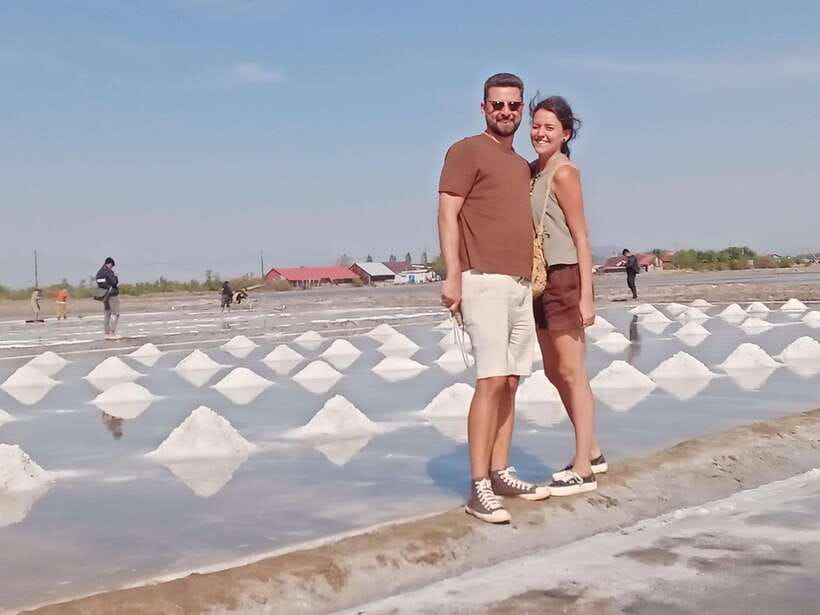
- Salt fields experience, with the important note that the harvest can affect what you see
Kep countryside by tuk tuk: the value is the ride between stops
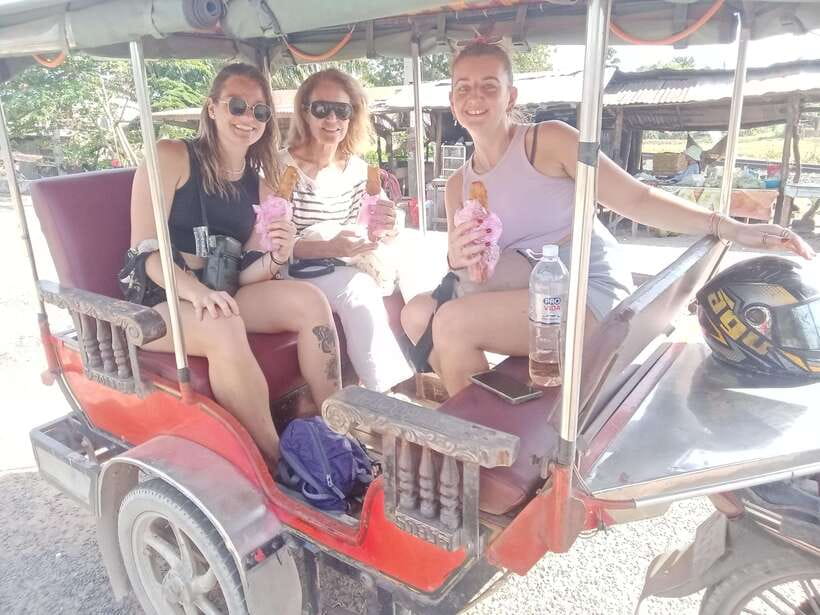
This is one of those days where the transport is part of the point. The route is built around short tuk tuk legs and practical time on the ground, so you’re not stuck staring at a screen while a schedule rushes you.
You’ll spend real time moving through rural areas where village life and farmland feel close-by, not staged. Those longer stretches also make the short stops more enjoyable. Instead of bouncing from one ticketed attraction to another, you get a slow-life rhythm: ride, pause, walk a bit, learn, then roll on.
At 5 hours total, it’s long enough to feel like a proper outing, but short enough that you’re still fresh. That matters in Kep and Kampot, where the heat and humidity can change how fun a day feels.
You can also read our reviews of more tours and experiences in Kampot.


TangGo’s guiding style: why it can make the day click
TangGo runs the tour and the guiding approach is a big reason people rate this highly. The emphasis isn’t only on naming sites. It’s on explaining what you’re looking at and why it matters, including Cambodia context you can actually connect to the places on your route.
You can also feel the difference when a stop isn’t in its most active phase. If the salt fields or the pepper farm don’t have much going on, TangGo tends to help you understand what you would see during other times of the year by showing photos and putting the season into context. That turns a potentially quiet moment into something you still walk away from feeling.
This tour also includes a driver who speaks English and Cambodian, which helps a lot when the sites have history attached and you want the story to land clearly.
La Plantation pepper farm: tasting Kampot pepper the practical way
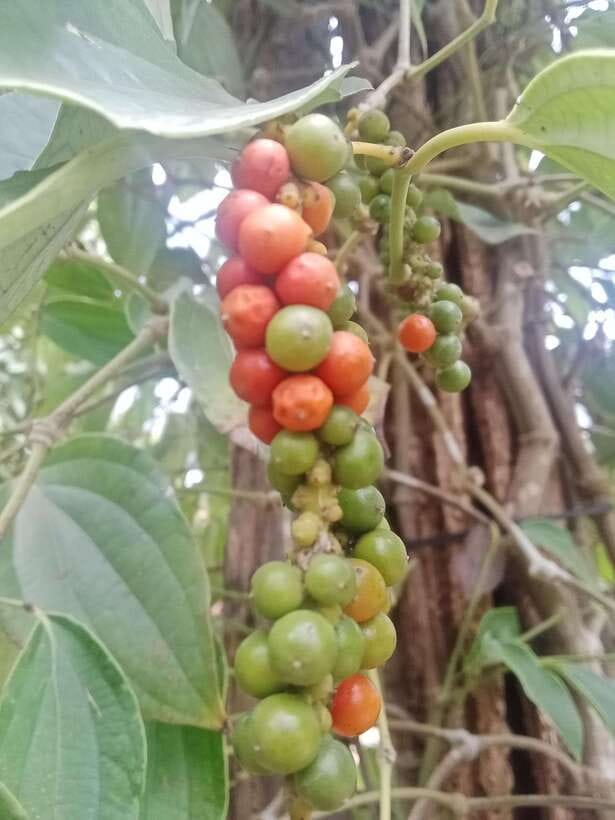
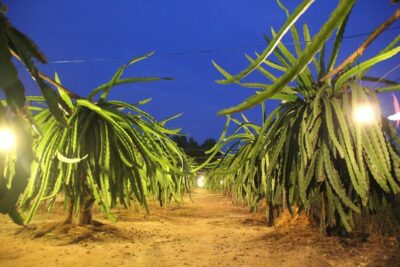
The pepper farm stop is the anchor. You’ll head out by tuk tuk for about 35 minutes, then arrive at La Plantation for around 1.5 hours. Plan for photo stops, a guided tour, time to walk, and the option to shop.
What makes this stop useful is the Kampot pepper testing component. Pepper in this region isn’t just one generic spice. During a farm tour and tasting, you get a better sense of why people talk about the flavor differences and what the plant is actually doing in the field.
Even if you’re not a spice nerd, you’ll probably appreciate the hands-on angle:
- you see how pepper is grown and handled
- you get a chance to compare pepper experiences directly
- you can ask questions while you’re standing in the place where it happens
A fair heads-up: season can affect how much is active at a farm. One recent experience described the pepper plantation as having very little going on during that time, and the tasting felt more educational than lively. If you’re visiting during a calmer season, still go with the mindset of learning and tasting rather than expecting constant field work.
Brateak Krola spirits stop: a short stop that adds culture
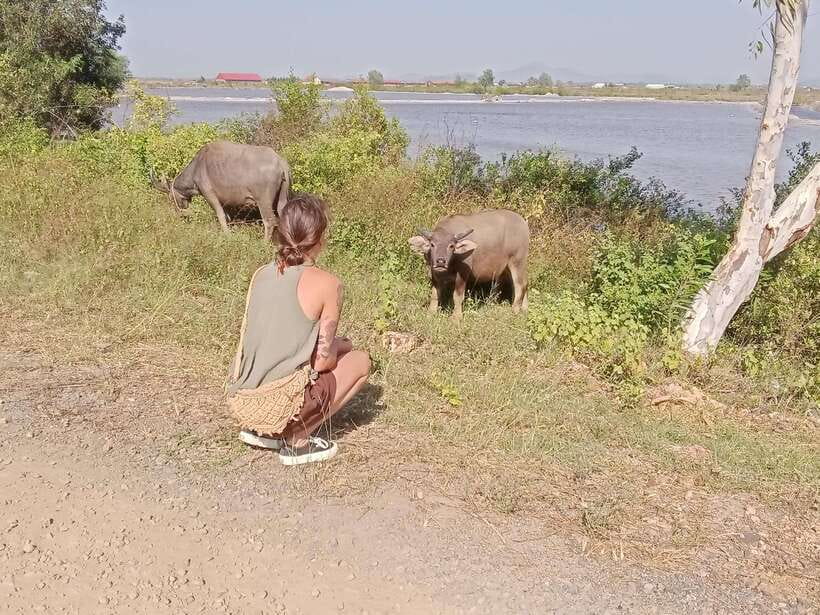
Next comes Brateak Krola, a shorter land-marketing break with about 20 minutes on site. You’ll transfer roughly 10 minutes by tuk tuk to get there, then have time for sightseeing and a guided walkthrough focused on spirits.
This stop works best when you’re open to small-scale cultural viewing. It’s not a big museum-style attraction with an all-day agenda. Think of it as a meaningful pause—something you can fit into a 5-hour day without feeling like it swallows your time.
Also, because it’s shorter, it’s a good moment to reset your energy before you hit the more history-heavy sites like the cave and the Secret Lake.
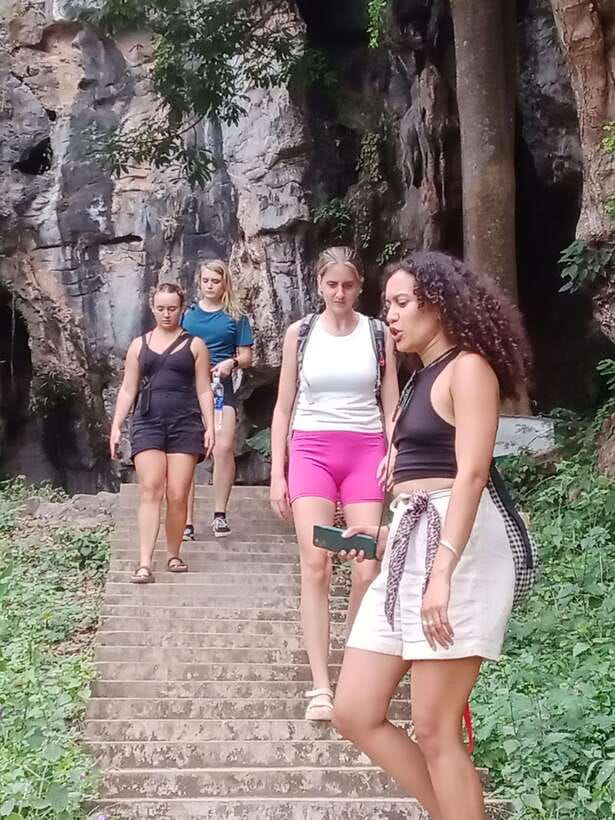
Temple Cave Phnom Chhngok: why pre-Angkor dating matters
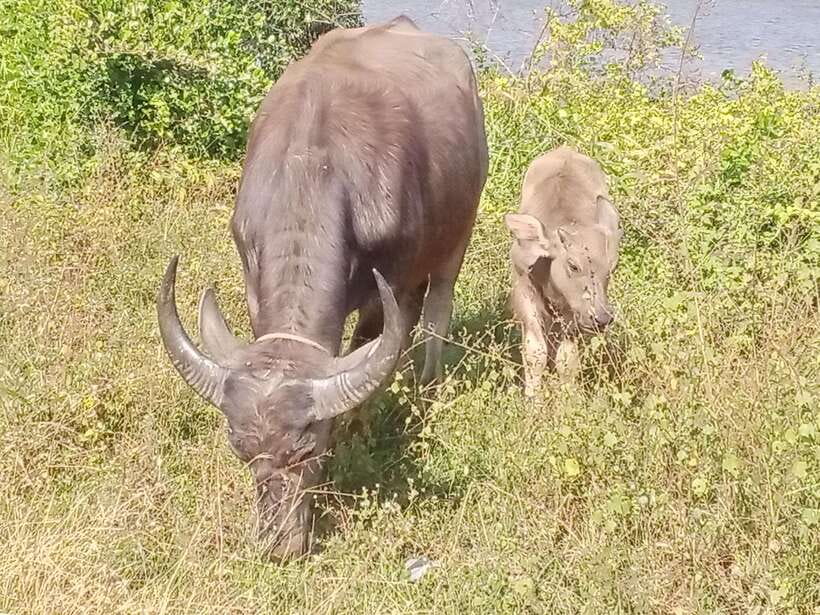
Then you move to Phnom Chhngok Temple Cave. The highlight here is the historical timing: the cave is described as being built before Angkor Wat, dated to around the 6th or 7th century.
That date range changes how you might see the site. You’re not just looking at a cave with stones inside. You’re seeing a place connected to a very early temple period. Even if you only spend a short amount of time, the story gives weight to the structure and the setting.
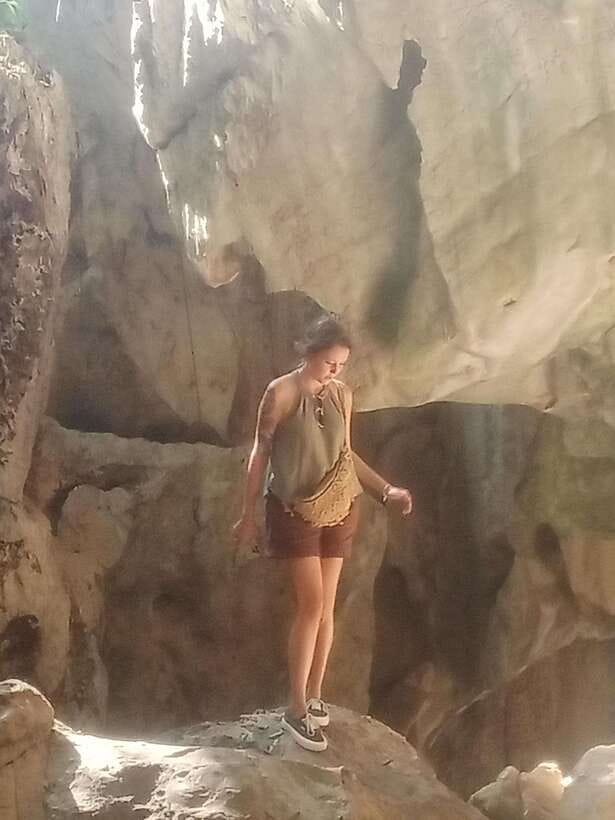
Practically, cave visits are always about your comfort. Wear shoes you can trust on uneven ground and keep your expectations simple: this is a historical stop with walking, not an all-day adventure park. If you want photos, you’ll likely have time, but don’t plan on everything being wide-open and dramatic all the way through. Cave lighting and access can influence what you end up capturing.
One more seasonal note: a comparison experience described the cave as adding less than expected during their visit. That doesn’t mean the cave is bad—it’s a reminder that caves and caves’ best viewing conditions can vary.

Secret Lake (1970–1975): history you can connect to a place
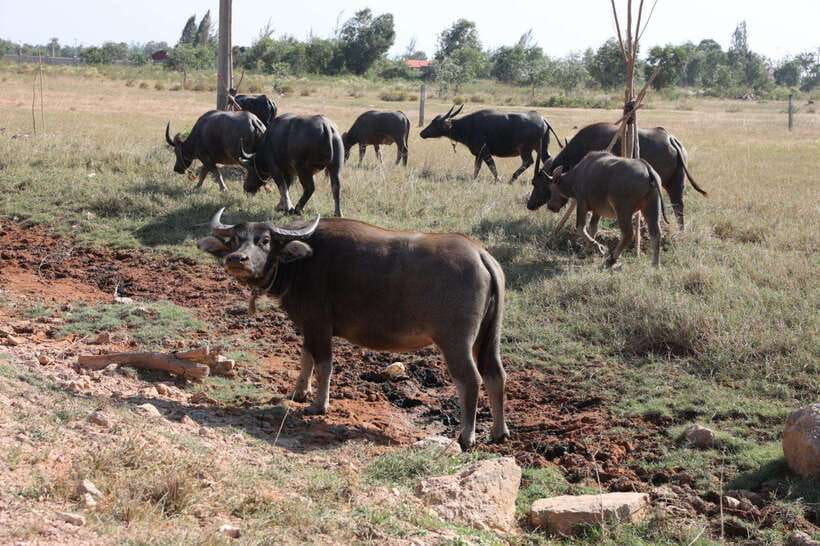
The Secret Lake is part of the tour’s most emotionally charged storytelling. It’s described as a lake created during 1970–1975 amid the Khmer Rouge period.
This is one of the stops where a guide matters most. The lake is tied to conflict-era history, and without context, it can feel like you’re just looking at water. With context, you understand the purpose and the human story behind the site.
You should also know that how the Secret Lake looks can affect how satisfying the visit feels in person. Water levels and the overall atmosphere can change what stands out. If you’re there when conditions aren’t at their peak, you may want to focus on the learning part rather than expecting a cinematic scene.
Again, one experience described this stop as not adding much during their visit, while still praising the countryside ride and the guide’s ability to show what could look different at other times of year.
Salt fields visit: the harvest timing is everything
After the cave and lake, the day’s practical farm work shows up at the salt fields. This stop is about 15 minutes on site, with a guided visit and a walk.
Salt fields are one of those places where season is not a side detail. When the harvest is active, the area can feel like it’s working. When it’s quiet, you may see a still, flat expanse that’s more about understanding how the system works than watching action.
That exact issue showed up in one experience: the salt fields were described as empty during the visit, which reduced the impact. Another person, though, enjoyed the guided explanation of how salt is harvested from the sea, which suggests the learning value can still win even when the scene is calm.
So here’s the best way to approach it:
- treat this as a guided “how it works” stop
- don’t expect constant activity every day
- be happy you’re seeing the actual working geography, even if it’s quieter
If you come prepared to learn instead of only chase visuals, you’ll likely come away satisfied.
The short culture-and-photo breaks that keep the day smooth
Between major sites, the itinerary includes breaks and shorter sightseeing moments that help you keep energy up. After the cave segment, you’ll have a transfer of about 30 minutes to a stop listed as 841 Santa Fe Dr, with about 30 minutes for a break, photo stop, visit, guided tour, and walking.
This is also where the day’s pacing becomes a real benefit. Instead of forcing you into one long slog, it adds small resets. That’s especially helpful in Cambodia heat, when even a short walk can make you feel tired fast.
Then you’ll head about 20 minutes by tuk tuk again to the salt fields, finishing with a 40-minute ride back to the Magic Crab area or the Kep Province drop-off option.
If you want a photo-heavy day, these built-in stops give you breathing room to capture images without feeling like you’re constantly asking for permission.
Food after: using the Magic Crab finish to your advantage
The day ends at one of the drop-off locations: Magic Crab or Kep Province. Magic Crab is closely associated with the local crab market area, which matters if you want an easy next step after the tour.
One of the experiences highlighted the chance to try local food there at the end of the day. Even if you don’t do a full meal, having that market-zone proximity is practical. It turns your tour into a complete half-day plan, not just a set of stops.
Price and logistics: is $29 worth it for 5 hours?
At $29 per person for about 5 hours, this tour is aiming at value: enough stops to feel like you left town, but not so many that it becomes exhausting.
Here’s what you’re paying for in concrete terms:
- Pick-up is included, and the driver language support is there (English and Cambodian)
- Entry is included for the stops that require it
- Cool water is included, which sounds small but helps a lot in this part of Cambodia
- you’re paying for transport between rural sites in a local tuk tuk, which can be part of the fun rather than just a transfer
Not included: lunch. That’s normal, but plan for it by either eating before or having something simple after. You’ll want a snack strategy because some farms and rural stops can make you hungry at odd times.
Also note the extra $5 charge if your accommodation is outside Kampot town: more than 5 km from Durian roundabout. If you’re staying farther out, ask your hotel where the distance starts and plan for that small add-on.
The main “value risk” isn’t the price. It’s timing. If the day lands in a quieter season, the cave, lake, and salt fields might feel less active. The guide can still help you make sense of it, but your enjoyment will depend on your expectations.
Who should book this Kep countryside tuk tuk tour
You’ll probably love this tour if you want:
- a short day that still includes countryside life
- Kampot pepper tasting and a real farm visit
- history context tied to physical places, including the Phnom Chhngok Temple Cave and the Secret Lake
- a guide you can talk to, with English and Cambodian support
You might choose something else if:
- you’re visiting purely for “always-active” scenery
- you hate uncertainty around season-dependent stops like salt fields and how lively a farm looks at the moment
That said, the best mindset here is education + atmosphere. The tuk tuk ride and the storytelling are strong even when one or two sights are quieter.
Should you book this tour with TangGo?
Yes, book it if you’re the kind of person who enjoys learning while you walk and ride, not just ticking boxes. TangGo’s guiding approach is a clear strength, and the pepper farm component is the most consistently satisfying piece of the itinerary.
Before you commit, do one small thing: calibrate your expectations for seasonal timing. If you’re hoping for dramatic salt harvesting or nonstop farm activity, understand that the salt flats and pepper farm can be calmer depending on when you go. If you come for the guide-led context and the countryside drive, you’re much more likely to feel you got good value from the $29 price.
If your goal is a relaxed half-day that’s authentic to rural Kep and Kampot, this is the kind of tour that makes the region feel real.
FAQ
FAQ
How long is the tuk tuk tour from Kep?
The duration is 5 hours.
Where can I be picked up and dropped off?
There are two pickup location options, including Magic Crab in Kep Province. There are also two drop-off locations: Magic Crab and Kep Province.
What is included in the $29 price?
The tour includes pick-up, cool water, and entry fees. Lunch is not included.
Is lunch included?
No. You’ll need to plan your own lunch.
What if I stay outside Kampot town?
There’s an extra charge of $5 if you are staying outside Kampot town, defined as more than 5 km from Durian roundabout.
What languages does the driver guide speak?
The driver speaks Cambodian and English.