REVIEW · KAMPOT
Kampot: Tuk Tuk Trip to Pepper Farm, Kep, Crab Market & More
Book on GetYourGuide →Operated by Kampot tours--pepper farm. Cave. Secret lake and Salt field · Bookable on GetYourGuide
A tuk tuk day tour is pure momentum. This route strings together working salt fields, a cave stop, and the Secret Lake story before you finish in Kep for Kep crab market views and beach air.
What I love most is the way the day stays relaxed even with a packed plan, thanks to an English-speaking guide and a driver who knows the roads.
I also really like the pepper farm time at La Plantation, because you get pepper tasting and a real farm look, not just a quick photo stop. The one thing to consider is that it’s a full 7 hours with a few short walks and heat exposure, so bring water and wear shoes you trust.
In This Review
- Key highlights worth aiming for
- Tuk Tuk Route From Kampot to Kep: Why this day works
- Salt Fields First: Working landscapes and practical morning light
- Phnom Chhngok Cave and the Secret Lake story in one day
- Brateak Krola: A quick photo stop that matters for your pacing
- La Plantation pepper farm: tasting Kampot pepper the useful way
- Kep Crab Market: where the seafood energy is real
- Kep Beach wind-down: short stroll, salt air, sunset vibes
- Price and value of a $25, 7-hour tuk tuk day
- Who should book this tour (and who should think twice)
- Should you book this tuk tuk trip to the pepper farm and Kep?
- FAQ
- How long is the tuk tuk trip?
- How much does it cost?
- Where do pickup locations start from?
- What extra cost could apply for pickup or drop-off?
- Is there an English-speaking guide?
- What’s included in the price?
- Can I cancel for a full refund?
Key highlights worth aiming for
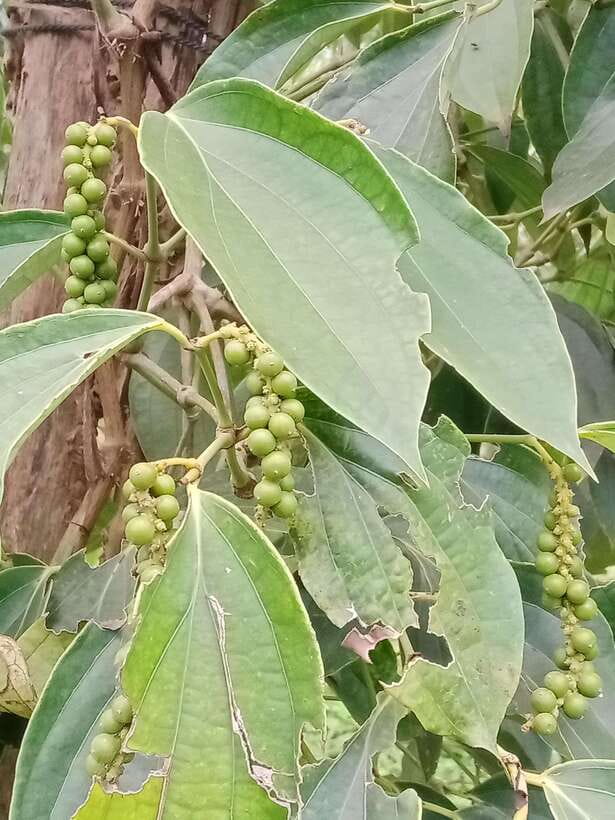
- La Plantation pepper tasting: try Kampot pepper on the farm, with explanations you can actually use.
- Secret Lake (Khmer Rouge–era history): a quiet, meaningful stop tied to Cambodia’s more painful recent past.
- Salt fields plus guided harvesting insight: you’ll see how salt is made in the region, not just the final product.
- Phnom Chhngok Cave temple viewpoints: photo stops and time to climb for a calmer, scenic perspective.
- Kep Crab Market time: you get a proper look at the seafood scene before heading to Kep Beach.
Tuk Tuk Route From Kampot to Kep: Why this day works
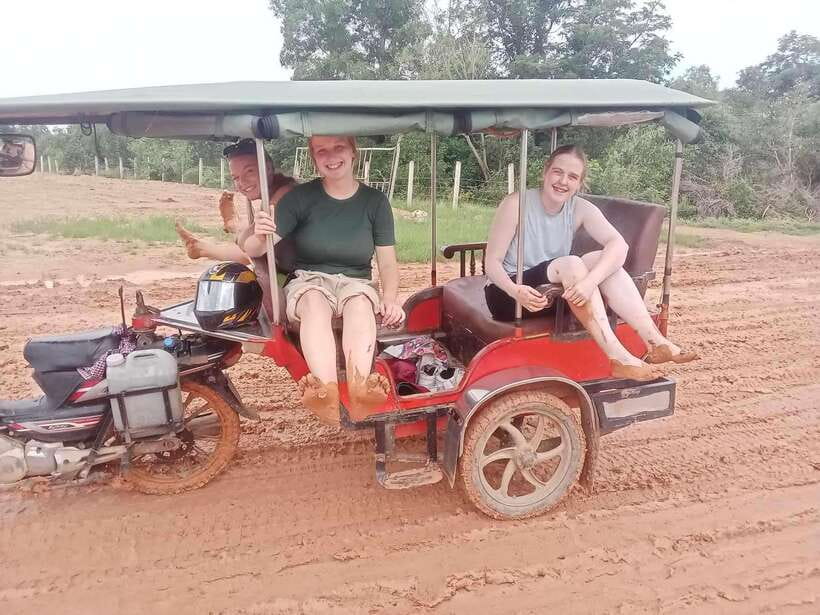
This tour is built around an easy idea: see more of southern Cambodia in one day without the stress of hiring a driver for yourself. You ride in a tuk tuk between stops, and the ride itself becomes part of the experience. It’s slow enough to notice rural details—street scenes, animals, and the rhythm of local life—without feeling stuck.
The route also keeps giving you variety. One moment you’re out at working salt flats. Next, you’re looking at cave interiors and temple viewpoints. Then the day swings toward Kep, with the crab market and sea air. That kind of switching beats doing only museums or only temples in one go.
You’ll usually be with an English-speaking guide, and the tone tends to be relaxed rather than rigid. Multiple guide names show up with the same pattern: guides like TangGo, Nak, Pheary, Buna, and Vannak are praised for pace control and clear explanations. One booking even noted riding as just three people on the tuk tuk, which hints that the experience can feel personal when group size is small.
You can also read our reviews of more tours and experiences in Kampot.

Salt Fields First: Working landscapes and practical morning light
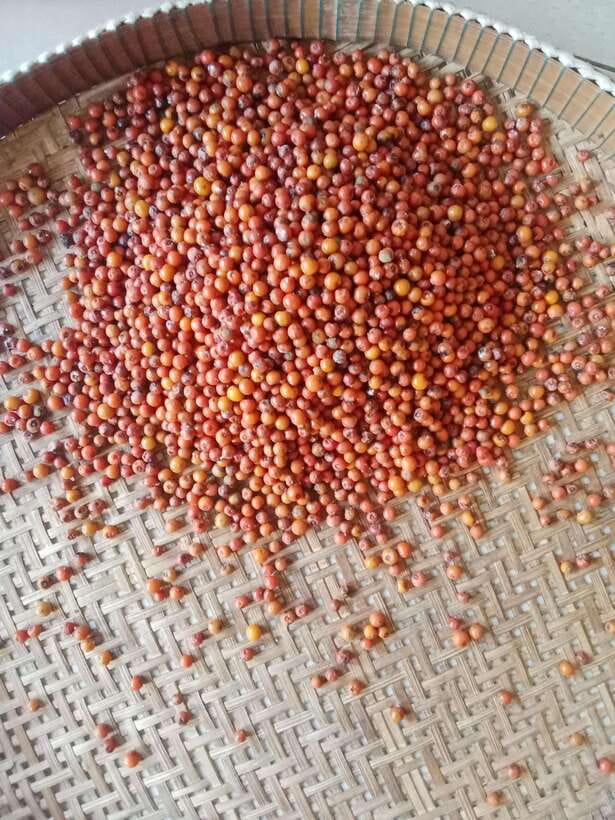
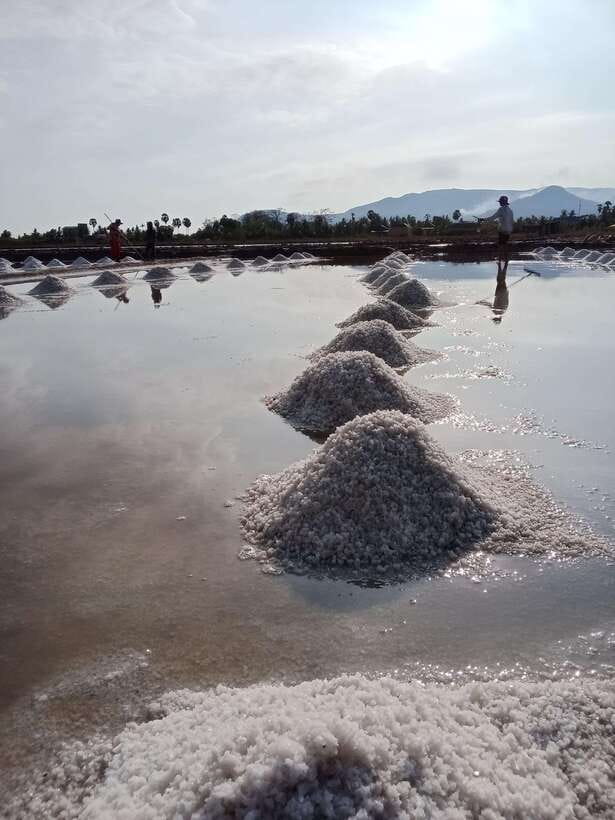
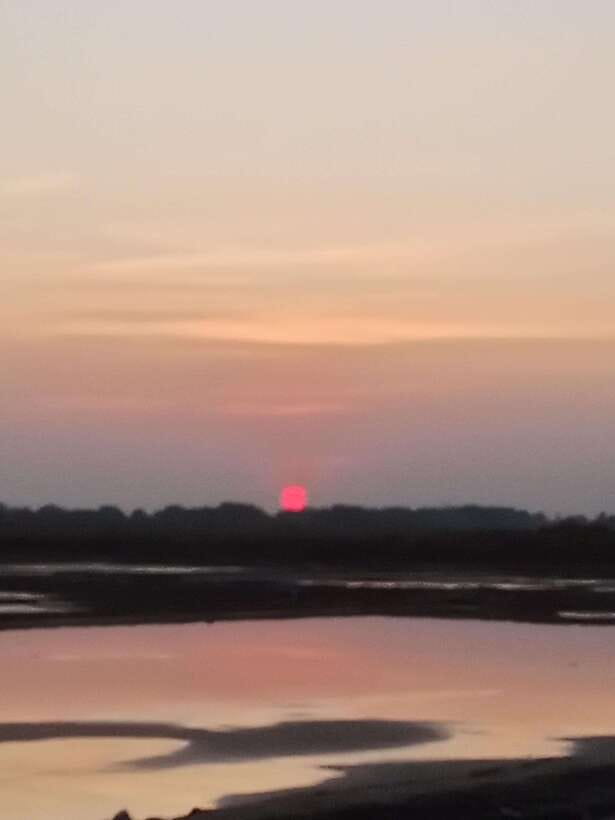
Starting with the salt fields is a smart move. It’s early enough that you still get good light for photos, and it’s different from the usual temple-and-market rhythm. You get time for a guided visit and a short guided walk—brief, but enough to understand what you’re looking at.
What makes salt fields special is that you can see the logic of the place. Salt isn’t a monument; it’s a process. Guides tend to explain how salt is harvested here, so you’re not just standing around staring at flat ground. You also get a chance to ask questions, which matters because the details can be confusing if you only rely on signs.
If you’re sensitive to heat, treat this as your warm-up stop. You’ll be outside, and it’s easier to manage if you already got your water in early. I’d pack light layers too—morning sun can switch quickly to stronger afternoon heat.
Phnom Chhngok Cave and the Secret Lake story in one day
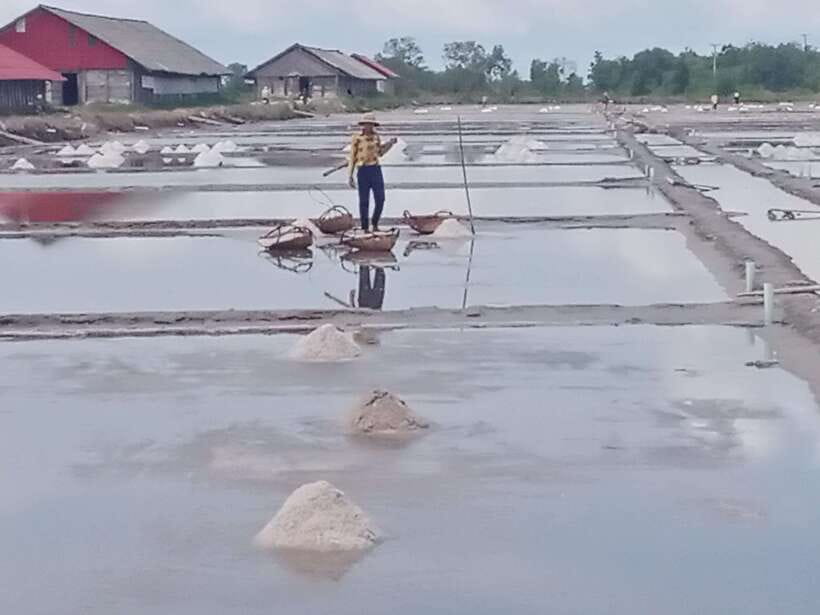
The cave stop is usually the kind of place where people remember the atmosphere, not just the photos. Phnom Chhngok Cave includes a guided visit and time for a climb to temple areas. Several guests highlighted the Hindu temple within the cave setting and called the top views peaceful and worth the short climb.
Then there’s the Secret Lake component, described as a hidden place created during the Khmer Rouge era. This is the emotional center of the day. The tour approach balances sightseeing with context, and you’ll hear how the story connects to Cambodia’s darker chapters—without turning it into a lecture.
That balance is important. A Secret Lake stop works best when you treat it as reflective time. Don’t rush it. Look around. Take in the quiet. Ask your guide what to focus on so you don’t miss the meaning of why the area exists in the first place.
Brateak Krola: A quick photo stop that matters for your pacing
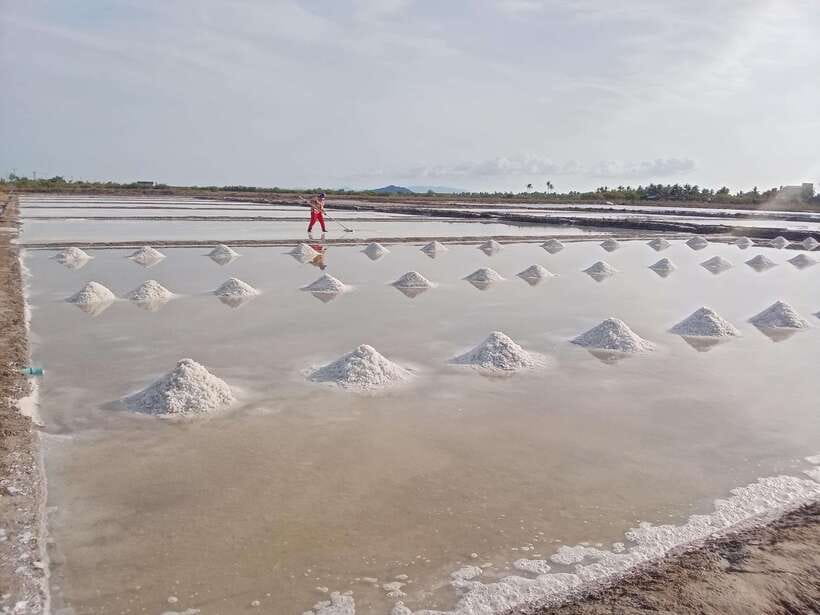
Between the big moments, the day includes Brateak Krola as a photo stop with a short guided walk. Even if you think a 15-minute walk sounds minor, these short segments can change how the whole day feels.
Here’s why: it breaks the up-and-down mental rhythm. After the salt fields and cave, you get a breath. Then you move on again without the stress of a long detour. Guides typically use this time to point out what to photograph and where to look for small details.
If you’re planning your day in real time, treat this as your buffer stop. Use it to adjust, ask one more question, and make sure you’ve got good energy before the pepper farm session.
La Plantation pepper farm: tasting Kampot pepper the useful way
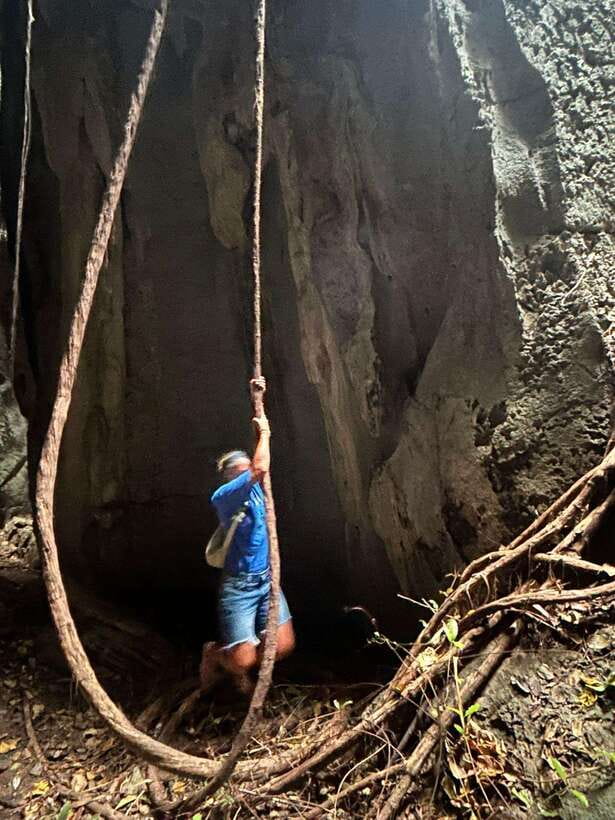
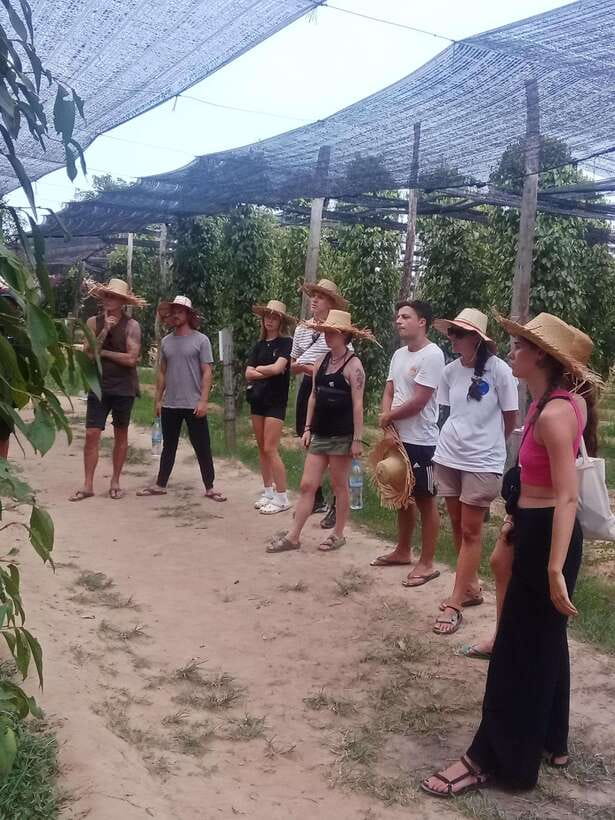
The pepper farm time is the highlight for many people, and I get why. La Plantation is more than a shop. You get guided access, photo time, and a stretch of free time where you can look around and shop if you want.
What I like in this setup is the pepper tasting tied to the farm itself. Instead of tasting pepper as a generic product, you’re tasting something connected to the process. You’ll hear how Kampot pepper moves from field to product, and you can connect flavors to farming choices.
Eco-minded details also show up in the feedback. One guest specifically mentioned the farm’s community work, including support for education for local children. That gives the visit extra weight: you’re spending money, but you’re also seeing how some farms support the surrounding area.
One practical tip: pepper farm tours can have different session options. A guest mentioned a free tour option versus a longer paid option, and that booking ahead can matter if you’re trying to match your schedule. If you’re offered tour lengths during your visit, ask your guide what’s available right now and how much extra time you’d get.
Also, pepper tasting can be spicy. If you’re sensitive to heat, start slow and work up. The guide can usually help you understand what you’re tasting.

Kep Crab Market: where the seafood energy is real
Kep is a different mood than Kampot. After the countryside stops, the crab market brings you into the energy of coastal life. The plan includes a stop at the Kep Crab Market with photo time and a self-guided portion, plus scenic views while you head there.
This is a good place to practice a simple rule: don’t rush your senses. Look first, then decide what you want. You’ll see the seafood focus clearly, and if you’re into food photography, it’s one of the better stops on the route because there’s always something happening in motion.
Food timing matters here. Several guests described eating crab dishes in Kep, often with pepper-forward flavors tied to Kampot pepper. Even if you don’t eat at the market itself, you’ll likely use this stop to choose where you want lunch or snacks. For value, I’d set aside some cash for whatever you order. Water and coconut are included, but your main meal choices are typically on you.
What to watch for: keep an eye on how the guide handles pace. The best versions of this day feel unhurried, and guides like Nak, Tango/TangGo, and Pheary were repeatedly praised for setting a comfortable rhythm and making sure you feel safe.
Kep Beach wind-down: short stroll, salt air, sunset vibes
After the crab market, the tour ends with Kep Beach time: a photo stop and a short walk. This is the payoff for the long day. You’ll stretch your legs, reset your brain, and enjoy the sea atmosphere without committing to a huge beach day.
The beach stop is brief by design. That’s good news if you’d rather keep the day efficient. It’s also good if you’re dealing with Cambodia heat, because you can enjoy it without melting for hours.
If you want one small strategy: don’t treat the beach as a hurried checkbox. Even with only 20 minutes, you can slow down. Take a couple of photos, get your last water sip, and let the day land. You’ll feel the difference.
Price and value of a $25, 7-hour tuk tuk day
At $25 per person for a 7-hour day, the value is strong on paper because so much is wrapped in. You get tuk tuk transport, pickup from your Kampot-area location, water, entry fees, pepper tasting, and coconut.
The part people sometimes miss is that the price assumes pickup and drop-off inside the Kampot town area. There’s an extra $5 if your pickup or drop-off is outside Kampot town (5 km from the Durian roundabout). So if you’re staying farther out, check with the operator before booking to avoid surprise costs.
Where this price becomes even more meaningful is the combination of stops. You’re not just doing one attraction. You’re doing salt harvesting insight, cave temple time, a Secret Lake story, a pepper farm tour with tasting, and Kep crab market + beach. That’s a lot of ground for a single day, and tuk tuk transport keeps it lower stress than driving yourself.
If you’re traveling solo or as a small group, this can also be a cost-friendly way to get an English guide without paying for a full private car.
Who should book this tour (and who should think twice)
This tour fits best if you want a guided day that mixes food, nature, and history without feeling like a marathon. You’ll enjoy it if you like countryside stops, don’t mind short walks, and want a clearer understanding of Kampot pepper and how the region’s salt and seafood economy works.
It may not fit if you’re expecting a slow, laid-back whole-day hangout. Even though the tone is relaxed, the schedule covers a lot. The cave and other stops include walking, and you’ll spend time outdoors in the sun.
If you have mobility issues, the key question is whether the cave area climbs and the short walks feel manageable for you. There’s no detailed accessibility info here, so it’s worth asking before you go.
Should you book this tuk tuk trip to the pepper farm and Kep?
I think this is a solid booking if you’re in Kampot and you want one day that feels like you sampled several sides of southern Cambodia. The pepper farm stop at La Plantation is the anchor, and the added Salt Fields + Secret Lake + Phnom Chhngok Cave elements give the day context. Then Kep Crab Market and Kep Beach let you end with food energy and sea air instead of turning in early.
If you hate packed schedules or you’re very heat-sensitive, consider it with more care. Otherwise, grab a spot, wear good shoes, and bring a little extra budget for food in Kep.
FAQ
How long is the tuk tuk trip?
The tour runs for 7 hours.
How much does it cost?
It’s $25 per person.
Where do pickup locations start from?
Pickup is available from one of two options in Kampot: 7-Eleven in Kampot Province, or Kampot Spean Chas.
What extra cost could apply for pickup or drop-off?
There’s an extra $5 if your pickup and drop-off are outside Kampot town, specifically more than 5 km from the Durian roundabout.
Is there an English-speaking guide?
Yes. The tour includes a live tour guide who speaks English.
What’s included in the price?
Included are tuk tuk transport, pickup from your hotel/guesthouse/resort, water, entry fees, pepper tasting, and coconut.
Can I cancel for a full refund?
Yes. You can cancel up to 24 hours in advance for a full refund.