REVIEW · KAMPOT
Kampot Countryside include Pepper farm, Salt field & Lake
Book on GetYourGuide →Operated by Peppercorn Tuktuk Kampot · Bookable on GetYourGuide
Pepper, salt, and a forgotten Khmer Rouge lake. This half-day ride around Kampot turns quiet fields into a real, guided lesson in local farming and history, with guides like Phalla and Lee helping the story click.
I especially like the free pepper tour and tasting, because you get to learn what you’re actually buying. I also love the chance to catch salt-field light when the afternoon tour lines up with sunset.
One thing to think about: if you travel in a quieter season, the salt flats may look more like mud than glossy white crystals, so bring the right expectations and focus on the process and photos.
In This Review
- Key highlights to look for
- Why Kampot Countryside Turns Salt and Pepper Into Real Life
- Timing Matters: 9:30 AM vs 2:30 PM Sunset Edition
- Getting There by Tuk Tuk: Short Rides, Real Roads
- Salt Fields Stop: Glamping Break, Photos, and How Salt Gets Made
- What you’ll likely notice
- One realistic caution
- Brateak Krola Lake: A Man-Made Site With Khmer Rouge History
- How to make the most of this stop
- La Plantation Pepper Farm: The Free Tour and Tasting Session
- Why the tasting is worth your time
- Shopping without pressure
- Value Check: What $16 Buys in a 4-Hour Tour
- Who This Tour Fits Best (and Who Should Skip It)
- Practical Tips for a Smooth Salt-Field Afternoon
- Should You Book This Tour?
- FAQ
- How long is the Kampot countryside tour?
- What time does the tour run?
- What is included in the price?
- Is food included?
- Where is pickup and drop-off?
- Is the tour in English?
Key highlights to look for
- Two daily departures (9:30 AM and 2:30 PM), with the afternoon option built around salt-field sunset timing
- Small group (max 8), which keeps questions flowing and the pace relaxed
- Brateak Krola, a man-made lake tied to Khmer Rouge history (handled via guided explanation)
- Salt field visit + short guided time, including a stop at the salt-field glamping area for photos
- La Plantation pepper farm, including a guided tour and free pepper testing plus time to shop
- Included water and entrance fees, so you’re not hunting for add-ons every stop
Why Kampot Countryside Turns Salt and Pepper Into Real Life
Kampot is famous for pepper, but this tour shows you the full chain: growing, harvesting, drying, and selling. You’re not just looking at a product. You’re seeing how people work the land and how traditions keep moving forward.
You’ll also get a geography lesson in how Kampot’s countryside works. Salt fields, rural roads, and a man-made lake sit close enough to link into one easy half-day outing. A big part of why people rate this so highly is the way the guide keeps everything understandable, from farming basics to what Brateak Krola means historically.
If you like experiences that feel practical and local, this fits. You’re spending four hours outside town, in a small group, with guided stops that actually teach you something you can use.
You can also read our reviews of more tours and experiences in Kampot.
Timing Matters: 9:30 AM vs 2:30 PM Sunset Edition
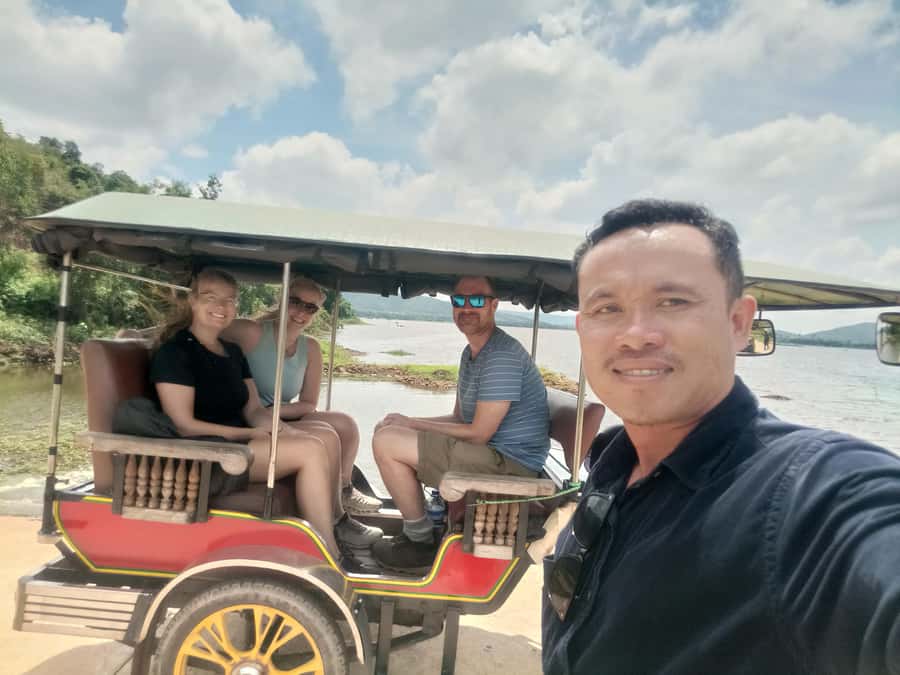
There are two departures each day: 9:30 AM and 2:30 PM. That choice changes the vibe.
On the morning run, the countryside tends to feel calmer and softer in the light. It’s a good option if you prefer steady visibility for photos and don’t want to rush. The day’s pacing still includes the salt fields, Brateak Krola, and then the pepper farm.
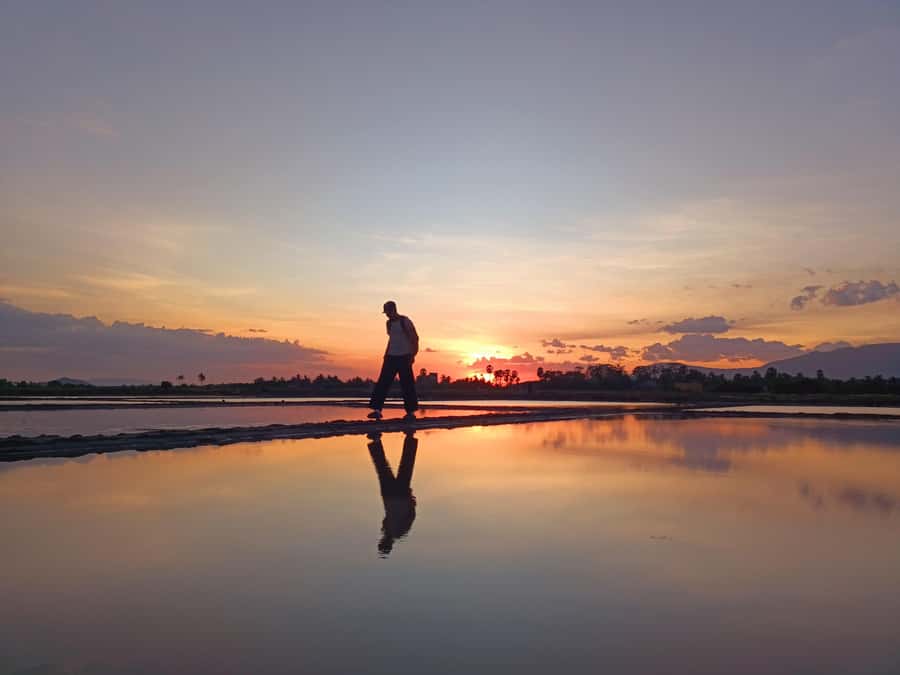
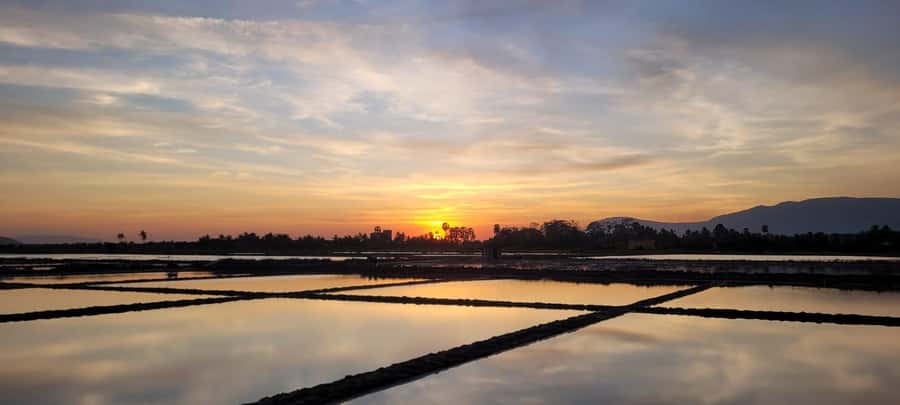
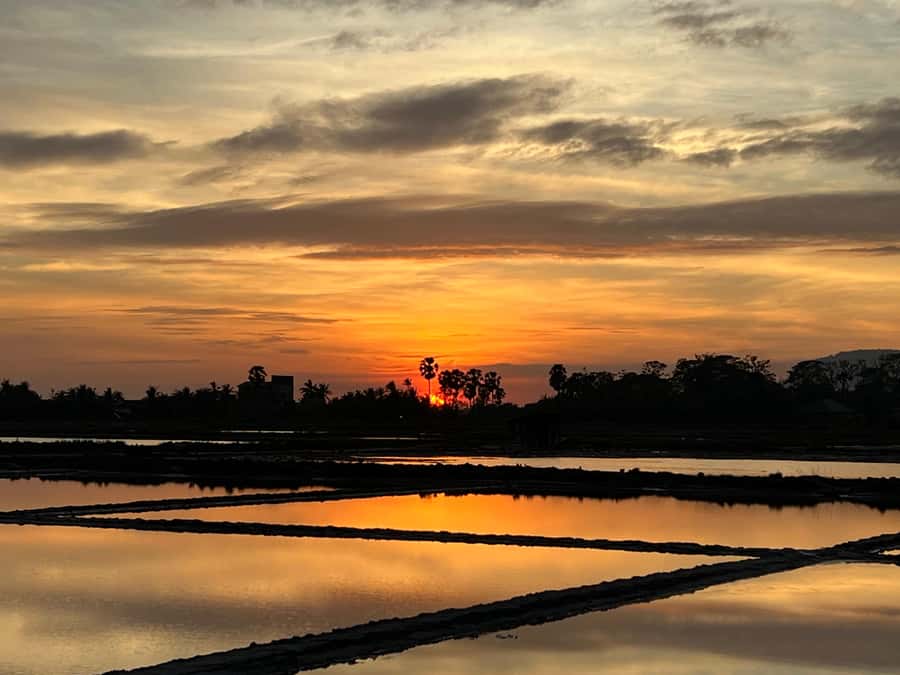
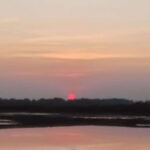
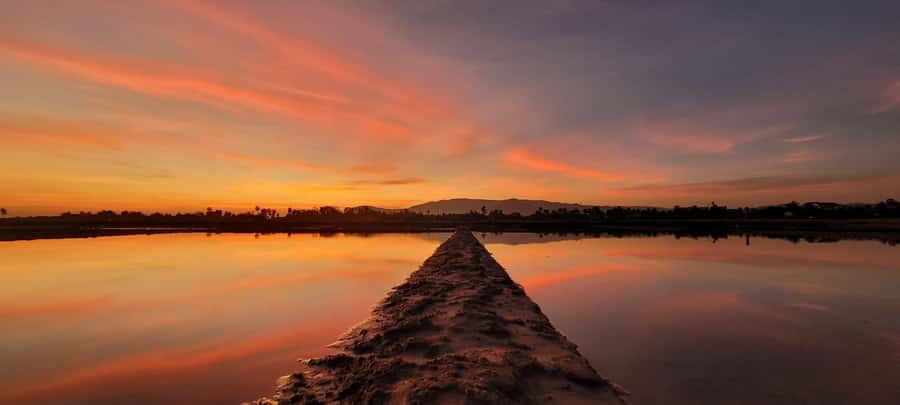
On the 2:30 PM departure, the tour is set up so you’re at the salt fields as the day cools and the light gets better. The schedule is built around the sunset moment and reflection time, which is a big part of the appeal. If you’ve got any flexibility, I’d treat the afternoon tour as the best “photo and atmosphere” version.
Getting There by Tuk Tuk: Short Rides, Real Roads
You’ll travel by tuk tuk, with several short segments between stops (around 15–20 minutes at a time, plus a longer return segment). It’s not a bus tour where you barely leave your seat. You feel the route change as you move from fields to the lake area and then onward to the pepper farm.
This also matters for comfort. Some roads in the countryside can be bumpy and dusty, and the ride is part of the experience. One small tip that came through in guidance from past guests: if you’re sensitive to dust, bring a light face mask. Even if you don’t usually bother, it can make the ride more pleasant.
And since the group is capped at 8 people, the driver/guide doesn’t have to herd a crowd. That tends to mean fewer rushed moments and more time for quick explanations and stops.
Salt Fields Stop: Glamping Break, Photos, and How Salt Gets Made
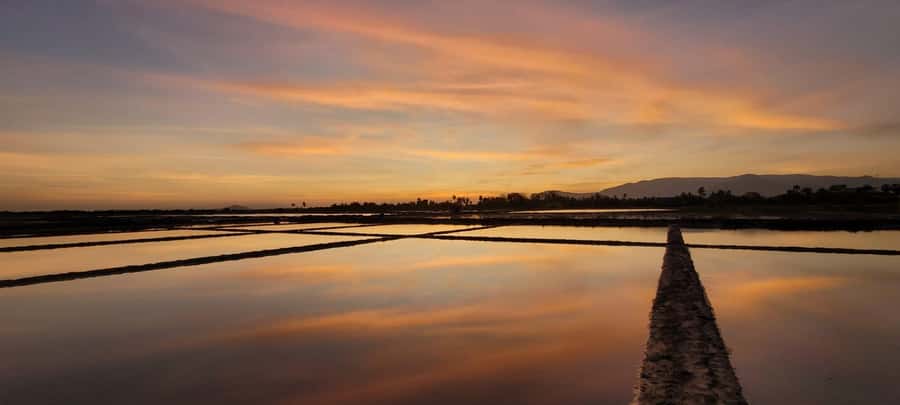
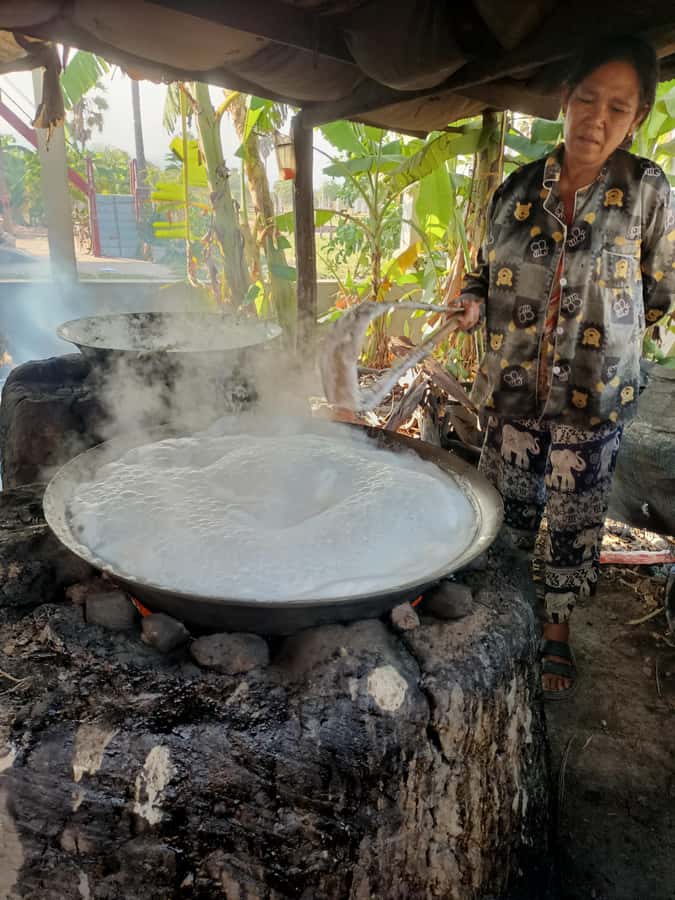
The first major countryside stop is the salt fields, with a short visit framed by a break and photo stop at a salt-field glamping area. After that, you get a guided salt production tour for about 15 minutes.
Here’s what makes this part genuinely useful: salt production isn’t a mystery. The guide explains the basic workflow—how the fields are used and how the process works—so when you’re looking at flat earth and shallow pools, you understand what you’re actually seeing.
What you’ll likely notice
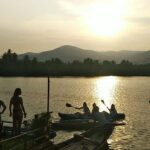
- You’ll get scenic views for photos, especially when the light is right
- The guided time helps you connect the visuals to the production method
- You get a chance to step around the area and take in the countryside rhythm
One realistic caution
Salt flats don’t always look the same. In some periods, you may see mostly mud flats rather than bright, harvest-ready areas. That doesn’t make the visit worthless. It just means the “wow crystals” look may be less dramatic than photos online. Focus on learning the process and enjoying the setting.
If you’re going on the afternoon departure, plan to be a bit more ready for sunset timing. You want to be at the salt fields with enough time to enjoy the reflection moment.
Brateak Krola Lake: A Man-Made Site With Khmer Rouge History
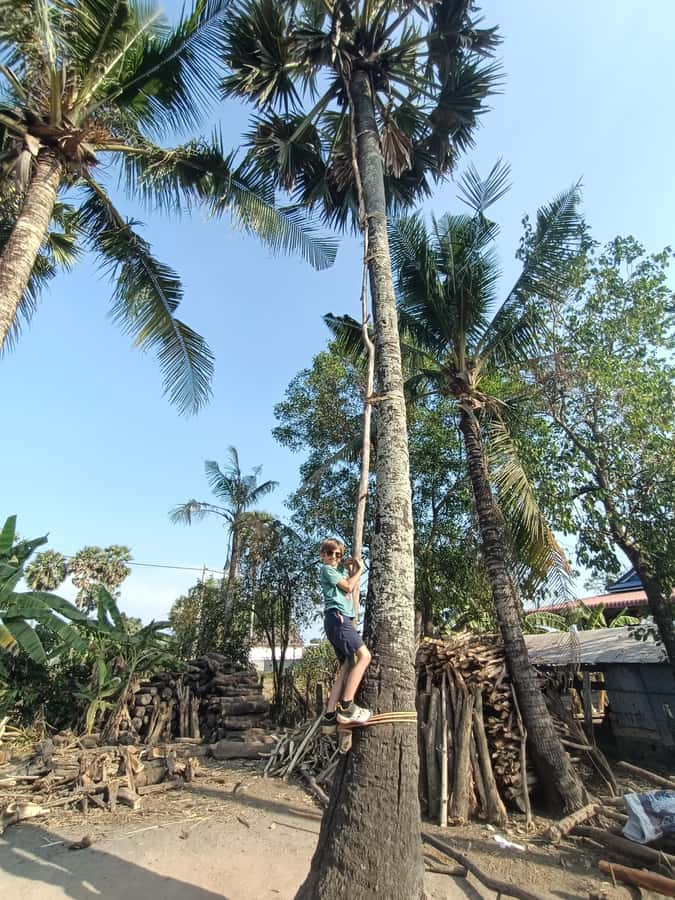
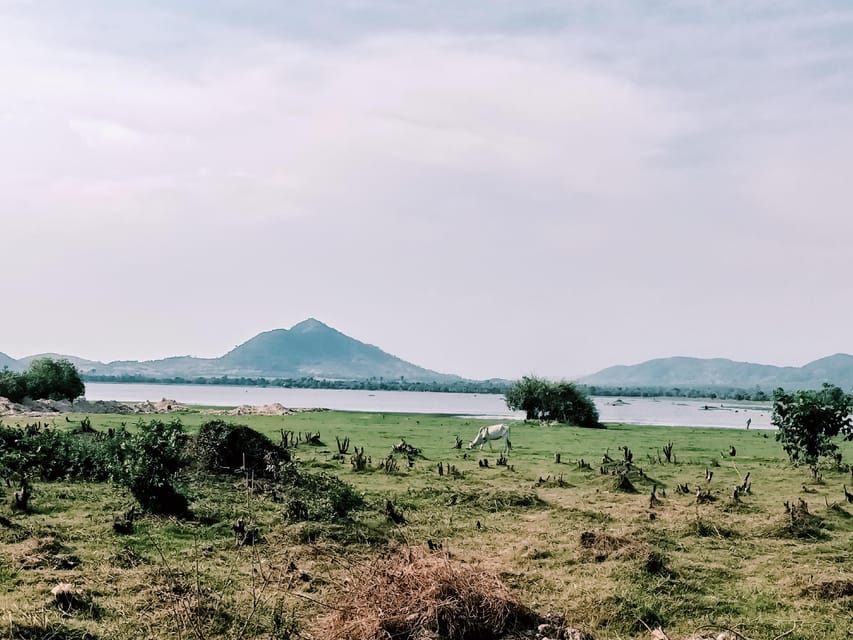
Next is Brateak Krola, described as a man-made lake built by forced labor during the Khmer Rouge era. This stop is short—about 15 minutes guided plus time to pause and take photos—but it lands differently because it’s not just scenery.
A good guide matters here. In past tours, guides like Vandy and Lee were praised for explaining the lake’s history clearly and respectfully. You’re not just hearing facts. You’re learning why a man-made water feature can carry such a heavy story.
How to make the most of this stop
Keep your phone handy, but also keep your brain on. This is the part where you’ll understand that Cambodia’s landscape includes both livelihoods and deep scars from the past. Even if you only spend a few minutes at each photo spot, you’ll leave with context that helps you read the place differently.
Also, because the topic is sensitive, it’s worth showing up in a calm, thoughtful mood. You’re not on a “party” outing here. It’s a reflective history stop wrapped into a countryside loop.
La Plantation Pepper Farm: The Free Tour and Tasting Session
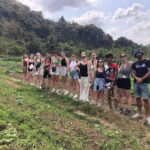
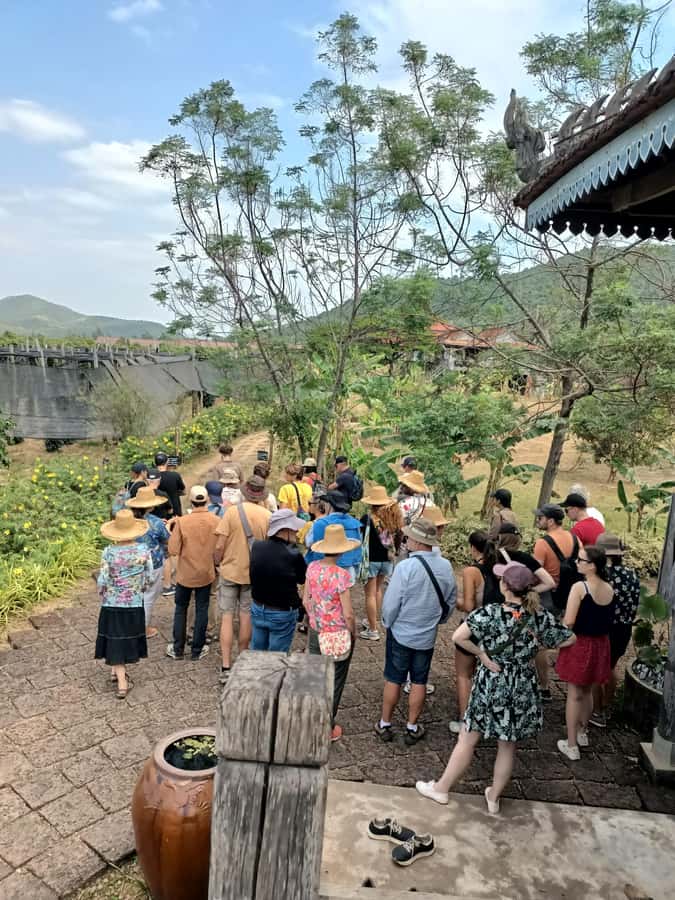
Then comes the star for many people: La Plantation pepper farm. You’ll have a longer stop here—around two hours total—so it’s not just a quick look.
The format is: a break and photo stop, a guided visit, and then shopping time, with a key bonus during the visit: a free pepper tour and pepper testing.
Why the tasting is worth your time
Pepper in shops can be confusing. This is one of the easiest ways to make sense of what you’re tasting. During the testing session, you sample different pepper flavors and learn how pepper is produced on the vine and processed for sale. It also helps if you like buying food souvenirs. You’ll come home able to explain what’s in your bag beyond just “it’s pepper.”
Plus, the farm time isn’t only sensory. Guides also connect the pepper story back to Kampot’s reputation, so you understand why locals take this crop seriously.
Shopping without pressure
Two hours at the pepper farm gives you enough breathing room to browse. You can pick up pepper products, ask questions, and compare options without feeling like you’re being rushed off the property.
If you’re a pepper lover, this is where the tour earns its money. If you’re not, the tasting still helps you find something you’ll actually enjoy eating.
Value Check: What $16 Buys in a 4-Hour Tour
The price is $16 per person for a 4-hour outing. That’s the part that surprised me most: you’re paying for more than a transfer. You’re getting:
- A live English-speaking guide
- Entrance fees
- Pepper tour + testing
- Water
Food is not included, and that’s the main “budget gap” you’ll need to plan for. If you go straight through from town without eating, you’ll want to bring a snack or plan to eat afterward. This is not a full-day meal tour.
The other value angle is time. You cover multiple countryside stops without organizing separate rides or hunting for tickets. And because it’s a small group, you spend more minutes with the guide and less time waiting around.
Even if you only care about one stop, like the pepper farm, the included tour and tasting usually justify the cost. When you add salt fields and Brateak Krola into the same half-day loop, it becomes a solid deal.
Who This Tour Fits Best (and Who Should Skip It)
This is a good match for you if you want a relaxed, scenic, easygoing half-day outside Kampot town. It works well for couples, solo travelers, and small friend groups who enjoy quick guided stops and photo moments.
It’s also well suited for food-minded travelers. Pepper testing gives you a practical takeaway, and the shopping time is built in.
It may not fit if you need high accessibility. It’s listed as not suitable for:
- children under 5
- pregnant women
- wheelchair users
- people over 220 lbs / 100 kg
- people over 80 years
- anyone who went diving in the last 24 hours
And if you’re the type who hates dust or rough roads, be honest with yourself about comfort. The tour runs over countryside routes, not smooth city streets.
Practical Tips for a Smooth Salt-Field Afternoon
A few small things can make this tour feel smoother, especially if you choose the afternoon slot.
Bring:
- sunscreen and light layers (countryside sun can still surprise you)
- comfortable shoes for outdoor walking around fields
- a water-ready mindset (water is included, but you’ll still want to drink regularly)
- a phone camera battery plan, since there are multiple photo stops
Timing:
- If you choose the 2:30 PM tour, expect the day to be paced around sunset. You’ll get reflection time, but you should still arrive ready and on time at pickup.
Mindset:
- Keep expectations flexible about salt field appearance. Some days it’s more about the production story than glittering salt.
And choose your guide vibe:
- People rave about guides like Phalla, Andy, Chav, and Paula, often mentioning safe driving, clear explanations, and good pacing. If you get a guide who’s talkative, ask questions. That’s when the countryside feels like a conversation instead of a checklist.
Should You Book This Tour?
If you want an affordable way to see Kampot’s countryside culture—salt work, pepper farming, and a historically meaningful lake—this is an easy yes. The tour is built for value: guide + entrances + pepper testing + water in a tight four-hour schedule.
I’d especially recommend it if:
- pepper is on your must-buy list
- you want one organized outing that covers multiple countryside sights
- you’re choosing between short tours and want something that teaches you, not just transports you
I’d hold off if:
- you only want pristine salt visuals (season can change what you see)
- you need a slow, fully seated experience (this includes outdoor stops and tuk tuk travel)
- you’re not comfortable with the listed limitations for comfort and mobility
If you’re already staying in Kampot town, this is a smart half-day spend. It gives you photos, facts, and a souvenir you can actually use in your kitchen after you leave.
FAQ
How long is the Kampot countryside tour?
It lasts about 4 hours.
What time does the tour run?
It operates twice daily at 9:30 AM and 2:30 PM.
What is included in the price?
The tour includes a guided tour, entrance fees, pepper tour and pepper testing, and water.
Is food included?
No, food is not included.
Where is pickup and drop-off?
Pickup is normally from Opposite (Epic Art Cafe). The provider can also pick you up and drop you off directly from your hotel or restaurant location in Kampot town.
Is the tour in English?
Yes, the live tour guide speaks English.