REVIEW · SALENTO COLOMBIA
Coffee Tour Salento-Ocaso Farm- English Tour
Book on GetYourGuide →Operated by FINCA EL OCASO SALENTO · Bookable on GetYourGuide
Coffee starts with soil, not slogans. This traditional farm tour near Salento turns coffee production into a real, step-by-step experience, from the harvest-and-sowing hands-on part to the processing plant. I like how much you see in just 1.5 hours, and I especially enjoyed learning the full workflow instead of only hearing about coffee in the abstract. One consideration: getting to the farm (about 4 km from Salento) isn’t included, and the road is only partly paved.
A big win here is the farm’s focus on sustainable growing, with certifications in sustainable production and time spent explaining fauna and flora. The English guide quality is another reason this tour works well: I kept hearing about guides like Nicolas and Johnathan, both with strong English and lots of practical knowledge. You’ll also finish with a traditional brewing moment using a cloth strainer and pot, plus a tasting that helps everything click.
Plan simple: bring insect repellent and expect some walking on farm paths. Also note that food, drinks, and transportation are not included, and alcohol and drugs aren’t allowed.
In This Review
- Key things to know before you go
- From Salento to Finca El Ocaso: your 4 km reality check
- What happens during the coffee farm walk: tree to harvest
- Composting, fertilization, and sustainability that isn’t just marketing
- Inside the processing plant: hopper to pulper to drying
- Roasting types and coffee extraction: learning what to look for
- The traditional cloth strainer coffee and tasting moment
- Price and value: is $14 for 1.5 hours a fair deal?
- Who this tour suits best (and who should skip it)
- Should you book the Coffee Tour Salento–Ocaso Farm?
- FAQ
- Where is the coffee tour located?
- How much does the tour cost?
- How long is the coffee tour?
- Is the tour available in English?
- What’s included in the ticket price?
- What’s not included?
- Where does the tour start and end?
- How can I get to the farm from Salento?
- What should I bring?
- Is there anything I can’t bring or do?
- What is the cancellation policy?
- Is there a way to book without paying right away?
Key things to know before you go
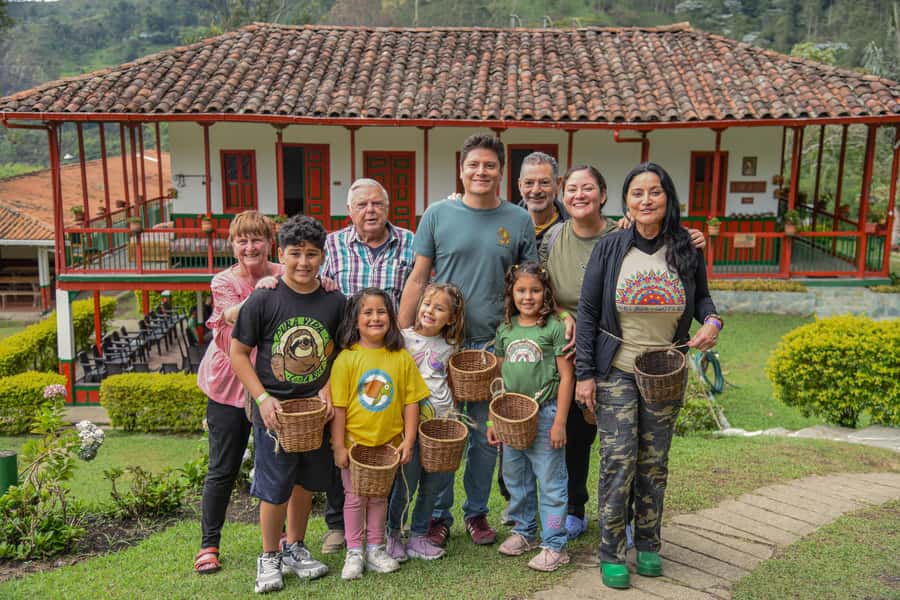
- A full coffee journey in 1.5 hours: from planting and growth to processing and roasting
- Hands-on farm time: harvesting and sowing, not just standing and watching
- Sustainability taught on the ground: composting, fertilization, and explanations of fauna and flora
- Processing plant details: hopper, pulper, mechanical drying, traditional drying, threshing, storage
- Brewing that’s practical: cloth strainer and pot, plus a tasting to compare results
- Good value for $14, but transport to/from the farm is on you
From Salento to Finca El Ocaso: your 4 km reality check
This tour takes place in Tolima, Colombia, at Finca El Ocaso Salento, about 4 km from Salento. The road is considered tertiary and not completely paved, so it’s smart to think of it as a short ride on uneven ground rather than a smooth city transfer.
Transportation isn’t included. The simplest option is to take a Willys Jeep from the square in Salento to reach the farm. This ride isn’t included in the ticket price, but it’s a common local way to get out there. If you’re comparing options, one practical note from people who’ve done it: getting back to Salento on the jeep is often cheaper than a taxi, and a commonly cited figure is around 4,000 COP per person.
Why this matters for you: if you show up thinking everything is bundled, you’ll be surprised by the extra transport cost and timing. If you plan for it, the trip feels easy and low-stress, especially because the tour begins and ends back at the farm meeting point.
You can also read our reviews of more tours and experiences in Salento Colombia.

What happens during the coffee farm walk: tree to harvest
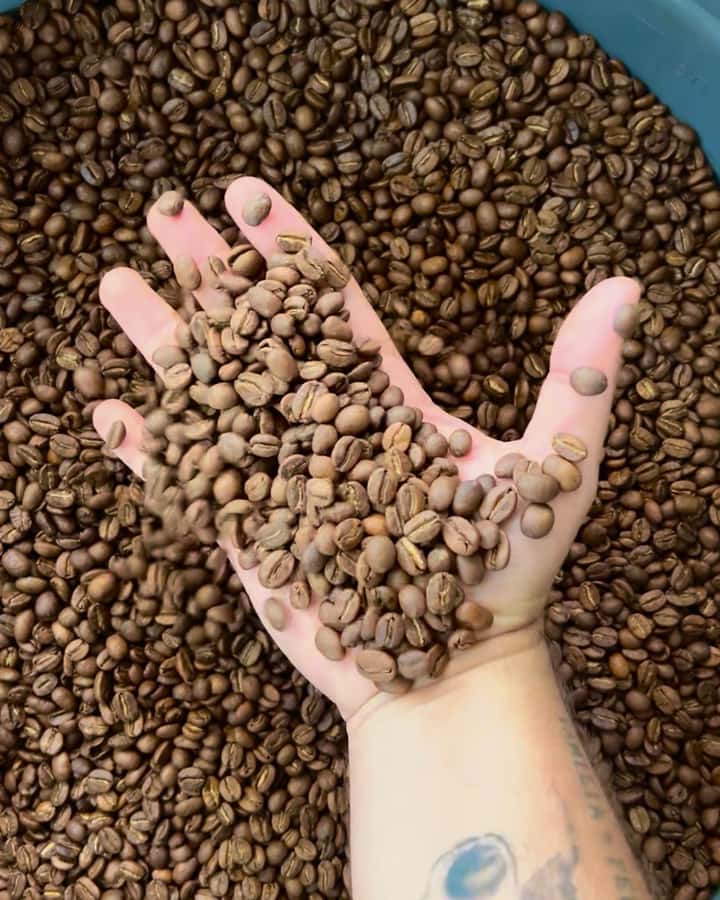
Once you’re at the farm, the whole experience is built around understanding coffee as a plant and an ecosystem before coffee ever becomes a drink.
You start with the coffee story: history of coffee, the predominant species grown there, and how the coffee tree is planted and grows over time. It’s not just trivia. You’re learning the “why” behind what comes next, like how cultivation choices influence quality later in processing.
Then you move into the gardens and coffee plantations. This is where the tour shifts from lecture to action. You’ll visit coffee plots and take part in what feels like authentic farm work. Based on the tour format, you can expect harvest and sowing moments, meaning you’ll get to handle the plants and see where daily care fits into the bigger production cycle.
A detail I really like is the rhythm of the tour. It goes in a logical chain: tree growth → field care → harvest actions → what those harvested cherries become after they leave the plantation. When the tour stays in order like this, you remember it later, when you’re comparing coffees back home.
Composting, fertilization, and sustainability that isn’t just marketing
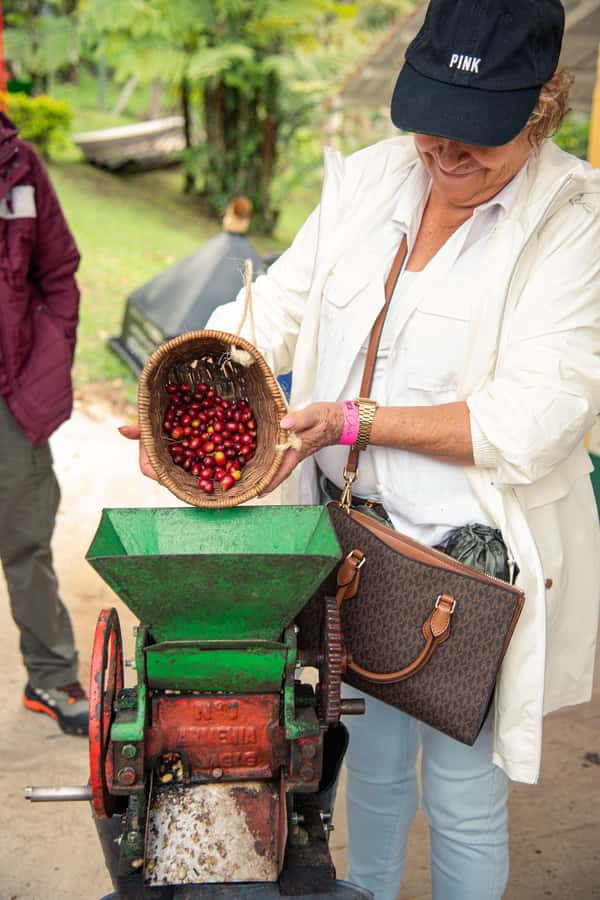
Coffee quality isn’t only about roasting. It starts long before the beans reach a roaster, and this tour makes that point with a stop at the composting and crop fertilization station.
You’ll get explanations on composting and how fertilization supports the health of the coffee plants. Even if you don’t care about the science, you’ll come away with a practical understanding: healthy soil and careful feeding lead to healthier plants, and that affects everything downstream.
There’s also an emphasis on sustainability, including how the farm talks about fauna and flora. This is valuable because you’re not only learning how coffee is made—you’re learning how the farm tries to coexist with the surrounding life around it.
Why I think this matters for you: if you’ve ever tasted coffee and wondered why two coffees from the same region can taste totally different, the answer often starts here. Farm management choices show up later as sweetness, acidity, or balance in the cup.
Inside the processing plant: hopper to pulper to drying
The processing portion is one of the best reasons to book this tour. You don’t just hear generalities. You visit the facility areas where the harvested cherries become processed coffee.
Here’s what you can expect to see:
- the hopper, where harvested material is handled to begin processing
- the pulper, which separates the coffee seed from the cherry
- mechanical drying and traditional drying, with an emphasis on drying methods and why they matter
- storage warehouse and threshing, where the material is further prepared
- marketing of coffee, which closes the loop from production to the next step in the supply chain
Let’s translate that into what you’ll actually take away. Drying is a huge variable, and the tour’s split between mechanical drying and traditional drying helps you understand that water removal isn’t just a time issue. It influences the final bean condition, which affects roasting behavior and the flavors you later taste.
Also, the stop at threshing and storage helps you visualize why “coffee” is not a single step. It’s a set of transformations done carefully, in order, to keep quality from slipping.
If you care about coffee beyond the cup, this is the part that gives you real confidence. You’ll know the names of the stages and what they’re supposed to accomplish, which makes everything else—roasting, brewing, extraction—feel less random.
Roasting types and coffee extraction: learning what to look for
After processing, the tour turns toward coffee quality in a more direct, practical way. You’ll learn about types of roasting and why they matter for cup quality.
Roast style impacts flavor development and extraction behavior. Too light, and you might get sharp or underdeveloped notes if you brew incorrectly. Too dark, and you can push coffee toward bitterness and burnt tones. This is why the tour also covers the bases for correct coffee extraction.
You get to connect the dots: processing sets the stage, roasting adjusts what you’ll taste, and brewing/extraction determines whether you actually pull those qualities into your cup.
I like that this part isn’t treated like a chemistry class. It’s explained as decision-making. If you’ve ever wondered why one bag of coffee tastes amazing and another tastes flat, extraction basics and roast intent are often the missing pieces.
The traditional cloth strainer coffee and tasting moment
The final brewing segment is the kind of thing that makes the tour stick. You’ll see traditional preparation using a cloth strainer and pot. This isn’t just a “photo moment.” It’s a hands-on look at how different brewing approaches affect the final drink.
It also pairs well with the tasting element mentioned in the tour experience format people talk about. When you taste at the end after learning roast types and extraction basics, you’ll notice more than you would on a tour that only talks.
What to expect in feel: the brewing demo tends to be slower and more guided than the earlier farm work. It’s a good contrast, and it gives you a chance to ask questions while everything is still fresh in your mind.
Price and value: is $14 for 1.5 hours a fair deal?
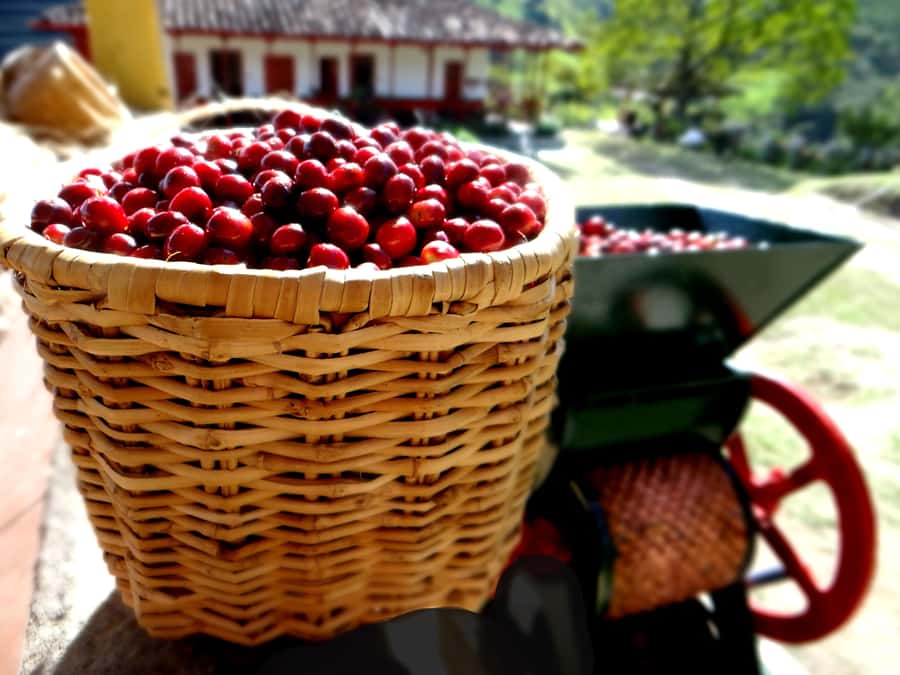
At $14 per person for an English-guided tour lasting about 1.5 hours, this is priced in the “good value” category—mainly because you’re getting a lot of the production chain in one visit. Many coffee tours pick a single theme (just harvesting, or just roasting). Here, you cover planting and growth, composting/fertilization, processing (with multiple named steps), roasting, extraction basics, and a traditional brewing demo.
The main thing to factor in is the parts not included. Transportation to the farm isn’t included, and food and drinks aren’t included. So the true cost for your day is ticket price plus getting there and back, plus whatever you eat afterward.
For me, the value still works because you’re not paying to sit through a lecture. You’re walking the farm, seeing the plant work, and moving into the processing setup where coffee becomes something you can roast and brew.
If you’re on a tight schedule in Salento and you want a full production picture without spending half a day commuting, this length is a sweet spot.
Who this tour suits best (and who should skip it)
This tour is a great fit if you:
- want a practical, end-to-end view of how coffee goes from cherry to cup
- like learning by doing, not just listening
- enjoy real farm context like composting, fertilization, and how sustainability is explained on site
- want an English guide with enough clarity to follow the details
You might choose a different option if you:
- hate short, guided formats and prefer a slower day at a single station
- need food included in the price (here, you’ll want to plan for snacks or a meal before/after)
- have limited flexibility around the farm ride from Salento, since transport is extra and the last portion isn’t fully paved
One small planning tip: bring insect repellent. The farm environment and outdoor setting make it worth it.
Should you book the Coffee Tour Salento–Ocaso Farm?
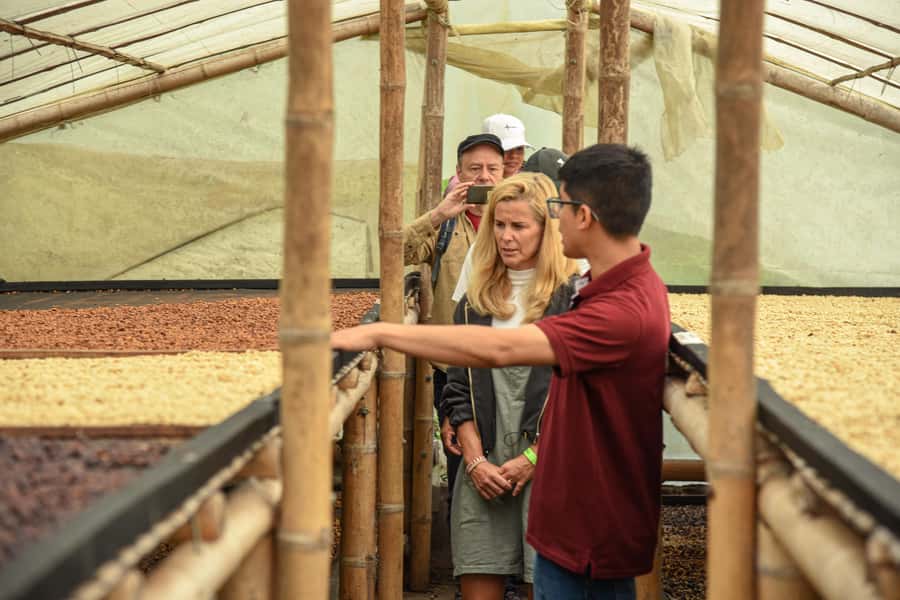
Yes, I’d book it if you want more than a generic coffee story. The best reason is the structure: you see the plant, you see the processing steps with real equipment names, and you finish with roasting/extraction basics and a traditional cloth strainer brewing moment. That combination turns your tasting into something you can explain afterward.
If you’re comfortable adding transport from Salento and you’re good with a 1.5-hour guided pace, this is an efficient way to learn how Colombian coffee is actually made. At $14 with strong English guidance and a reputation reflected in a 4.6 overall rating, it’s hard to argue against trying it for yourself.
FAQ
Where is the coffee tour located?
The tour takes place at Finca El Ocaso Salento in Tolima, Colombia. The farm is about 4 km from Salento.
How much does the tour cost?
The price is $14 per person.
How long is the coffee tour?
The duration is about 1.5 hours. Starting times depend on availability.
Is the tour available in English?
Yes. The guided tour is in English.
What’s included in the ticket price?
The ticket includes a guided tour in English.
What’s not included?
Transportation is not included, and food and drinks are not included.
Where does the tour start and end?
The tour starts at the farm. It ends back at the meeting point.
How can I get to the farm from Salento?
You can take a Willys Jeep from the square in Salento, but that ride is not included in the tour price. A taxi is also possible, but the ticket does not cover transport.
What should I bring?
Bring insect repellent.
Is there anything I can’t bring or do?
Alcohol and drugs are not allowed.
What is the cancellation policy?
You can cancel up to 24 hours in advance for a full refund.
Is there a way to book without paying right away?
Yes. The option is reserve now & pay later, with pay due later while you book your spot.