REVIEW · KENYA
Coffee Farm Tour (Fairview)
Book on GetYourGuide →Operated by MICHOORE TOURS & TRAVEL · Bookable on GetYourGuide
A coffee farm is the fastest way to learn what happens after a cup. At Fairview Coffee Estate in Kiambu, you get a guided walk through coffee growing and processing, plus multiple tastings led in English by guides like Alex and Elvis; my favorite part is how hands-on the experience feels. The one thing to plan around is the $39 tour price does not include the $30 farm entrance fee, and the shop may not always have every roast available if equipment is down.
I like that this is built around real coffee work, not just photos. You’ll go from flowering and cherry maturation to processing steps and grading, then taste different types so you can start connecting flavor to how coffee is handled.
With Nairobi pickup and private transport, the logistics are simple. Two time slots run daily (10:00 to 12:00, and 2:00 to 4:00), and the full experience lands at about 3 hours door-to-door, depending on your hotel and timing.
In This Review
- Key things to know before you go
- From Nairobi pickup to Kiambu coffee country
- Fairview estate walk: from flowers to ripe cherries
- Processing and grading: what turns cherries into coffee you can taste
- Tasting Fairview coffees: training your tongue with 4 samples
- The farm shop and buying coffee: how to spend wisely
- Time, comfort, and Nairobi-to-farm practicality
- Price and value: what $39 buys, and what to budget next
- Should you book Fairview Coffee Farm Tour?
- FAQ
- How long is the Coffee Farm Tour (Fairview)?
- What times does the tour run?
- Is hotel pickup in Nairobi included?
- What is included in the tour price?
- What fees or purchases are not included?
- How many coffees do you taste?
- Do I need to know English?
- Is the tour wheelchair accessible?
Key things to know before you go
- Private hotel pickup in Nairobi with a dedicated driver (often identified as Alex) and a smooth, on-time transfer
- Real farm walk on nearly 100 acres under coffee at about 1,750 meters
- Processing and grading lessons that explain what changes before coffee becomes roastable beans
- Multiple tastings of Fairview coffees (a blind-style comparison has been mentioned)
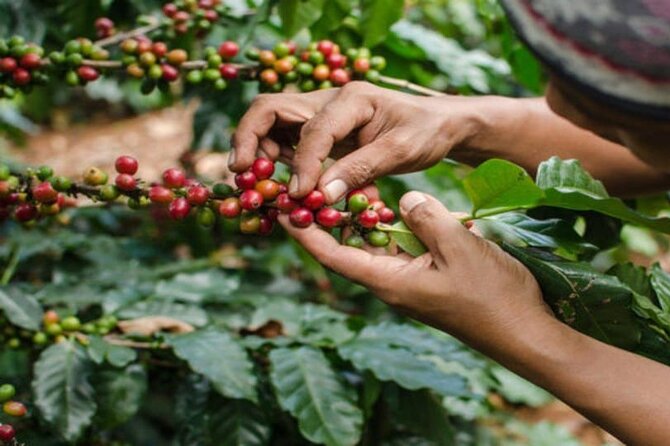
- Chance to pick cherries/berries on the estate, when the day’s conditions allow
- A farm shop where you can buy coffee, with prices described as reasonable by past visitors
From Nairobi pickup to Kiambu coffee country
This tour is set up for an easy half-day, even if you’re new to Nairobi. You meet your driver in your hotel lobby in Nairobi and head out to the Central Highlands area where coffee thrives. The ride is private, and you’ll typically have a friendly guide-driver who also shares practical notes about Nairobi and Kenya along the way.
Most days, you’ll have a clear schedule: morning or afternoon start times (10:00–12:00 or 2:00–4:00). The on-site farm visit is about 2 hours, with the remaining time covering pickup, transfer, and getting you back to Nairobi. If you’re trying to fit coffee into a busy itinerary, this structure is why it works.
One practical detail: wear closed shoes. A working estate can mean dust and sometimes mud, and the tour involves walking outdoors. If you’re traveling with kids, that’s also a good call—one small group experience mentioned a 5-year-old learning about plants while walking the farm.
You can also read our reviews of more tours and experiences in Kenya.
Fairview estate walk: from flowers to ripe cherries
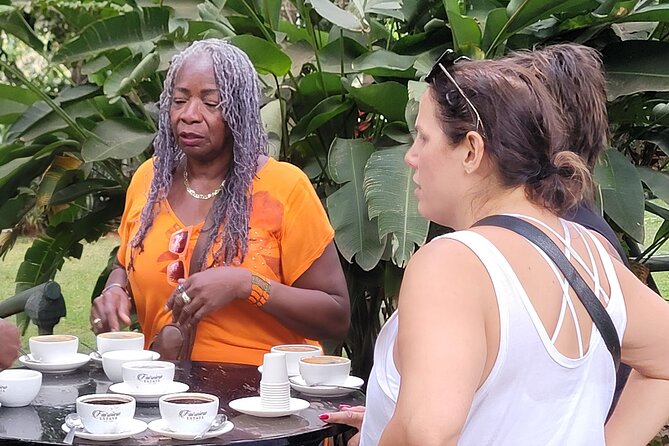
On the farm, the tour starts where coffee actually begins: with the cultivation cycle. You’ll walk through the progression from coffee flowers to cherries maturing on the trees. Seeing that timeline in person helps you understand why coffee tastes different even within the same region—harvest timing affects what gets processed.
The estate setting also matters. Fairview is in Kenya’s Central Highlands at around 1,750 meters, and that altitude is part of why Kenyan coffee has such a reputation. You’re not just hearing facts—you’re standing in the environment where those growing conditions do their work.
A nice touch is that some groups have the chance to pick ripe cherries or berries. That kind of interaction changes the experience from passive viewing to active learning. If that’s something you care about, bring a curious attitude and you’ll likely enjoy the pace.
Processing and grading: what turns cherries into coffee you can taste
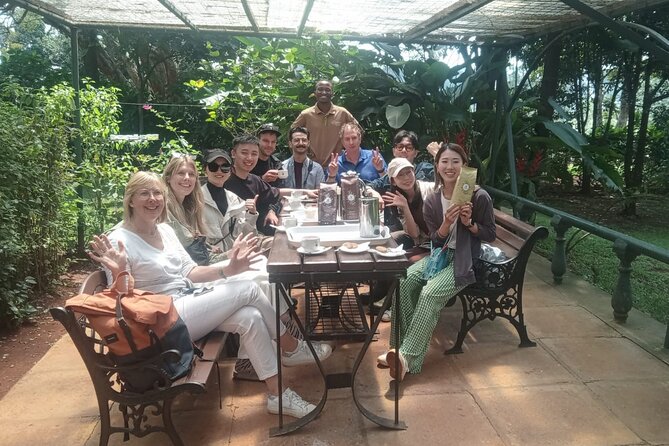
After you understand cultivation, the tour shifts to processing—the part that can make the biggest difference between coffees that look similar. You’ll learn how raw coffee beans are transformed into roasted coffee, with explanations of steps from cleaning to methods used during processing.
Then comes grading. Kenya coffee is often described in terms of quality and processing choices, and grading helps connect what farmers deliver to what roasters and buyers use. On this tour, grading isn’t treated like paperwork. You’re shown how coffee is classified and why that matters for flavor.
You may also hear about what happens to the byproducts and waste from processing. One group noted that the guide took time to explain waste handling, which is a helpful reality check if you care about sustainability beyond slogans. Even if you don’t get a full breakdown of every station, the tour generally connects the dots from farm work to the coffee cup.
Tasting Fairview coffees: training your tongue with 4 samples
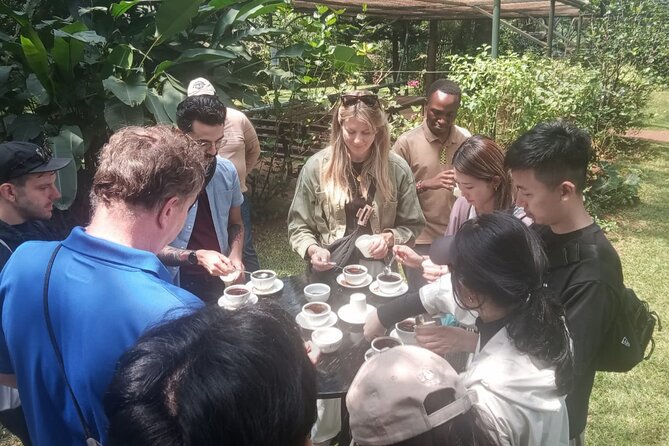
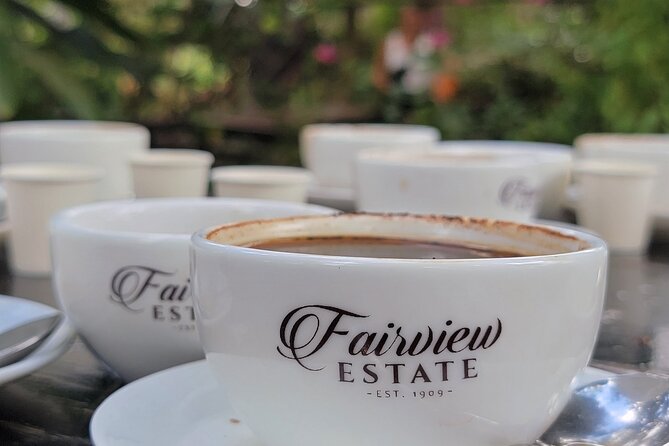
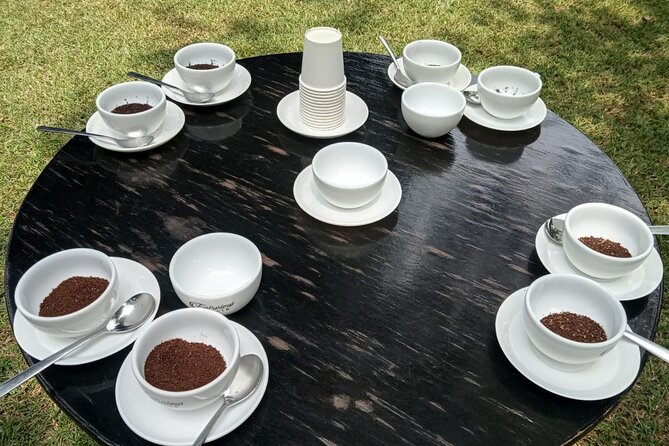
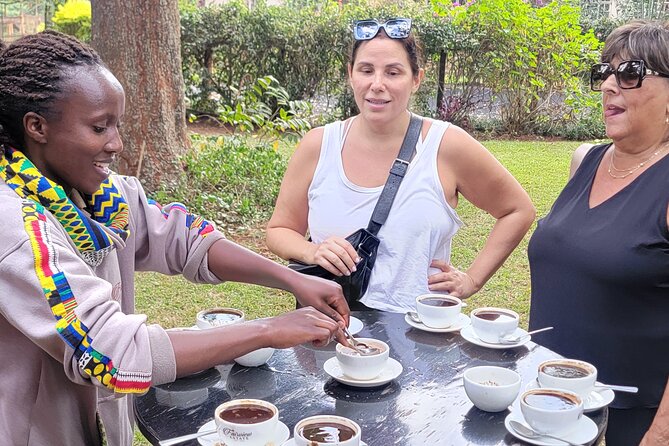
The tasting is the main event if you love coffee or want to develop a sharper palate. You’ll sample multiple different types/grades of coffee from Fairview—at least four has been mentioned—so you can compare how processing and roasting style can change flavor.
Past groups have talked about an entertaining comparison format, including a blind test style exercise. That’s a smart way to avoid “guessing by smell only,” because it forces you to pay attention to body, acidity, and finish. Even if you’re not a coffee nerd, it makes your tasting feel like a mini workshop rather than a quick sip-and-go.
You’ll also have time to ask questions during the tasting. Guides like Elvis have been singled out for answering questions patiently and taking time. If you want to leave with actionable know-how (for example, what you should look for when buying beans later), this is where you’ll get it.
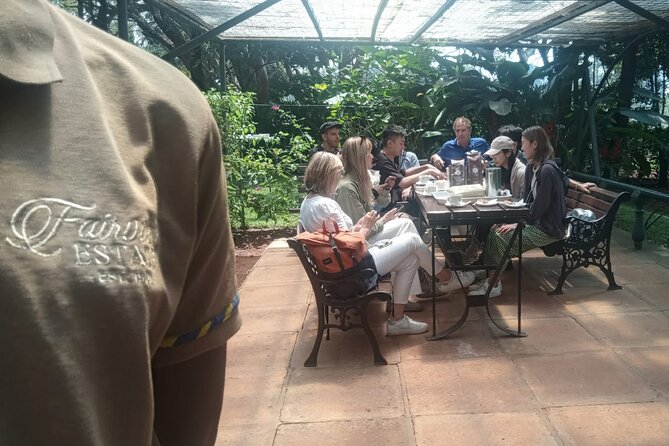
One bonus: some tours end with hot coffee and biscuits. That’s not a marketing line—it’s a comfort step that makes the 2-hour farm time feel complete.
The farm shop and buying coffee: how to spend wisely
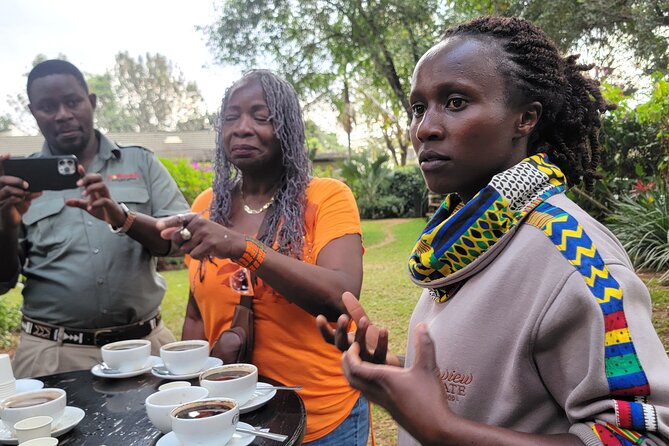
After the tastings, you can buy coffee from the farm shop. The tour price itself does not include packed coffee for sale. Coffee is sold in set sizes with listed roast options such as medium roast 500 grams and dark roast 500 grams, plus a higher-priced roast option (Kaldi roast 500 grams is listed).
A small caution from experience reports: the shop isn’t guaranteed to be fully stocked every single day. One group mentioned the roasting machine being broken down, which meant the shop wasn’t open in the usual way. That doesn’t mean the tour fails—it just means you might need to adjust expectations about buying freshly roasted coffee that day.
If buying is important to you, plan to use your tasting notes in the shop. You’ll likely have a better sense of what you want once you’ve compared at least four coffees. And if you’re deciding between roasts, start with the one that matched your favorite during the tasting—you’ll waste less money and end up happier at home.
Time, comfort, and Nairobi-to-farm practicality
This is a 3-hour experience, and it’s designed around simple movement. You get private transportation, a professional tour guide, and bottled mineral water. That means you’re not trying to navigate Kenya’s roads on your own right before and after a coffee farm walk.
Because pickup is included from any hotel in Nairobi, you don’t have to plan how you’ll get there. You’ll just wait in the lobby about 10 minutes before the scheduled pickup time and look for the silver Honda Airwave car. That’s the kind of detail that keeps a day from turning stressful.
Comfort-wise, bring layers. One rain-related story stands out: when weather was bad, the driver took the group to a shopping center to find rain coats first. You can’t bank on weather improvisation every time, but it’s a good reminder to be ready for Nairobi conditions changing fast.
Also, keep your expectations realistic about time on site. The farm visit is around 2 hours, so you won’t do a week-long deep research project. But you will get enough structure—cultivation, processing, grading, then tasting—to leave with a coherent picture.
Price and value: what $39 buys, and what to budget next
At $39 per person, this tour is priced like a half-day education plus tasting. The trade-off is that the farm entrance fee is not included. The entrance fee is listed as $30, so your real starting budget is closer to $69 per person before any coffee you buy in the shop.
Is that still good value? For many people, yes—because you’re getting:
- private door-to-door Nairobi pickup and drop-off
- a professional guide on the farm for the main learning portion
- transport plus bottled mineral water
- a structured tasting experience with multiple coffee samples
If you compare this to doing it solo, you’d still face transportation costs, plus the challenge of getting a farm guide who can explain processing and grading. That’s where the money tends to make sense: you’re paying for interpretation, not just access.
One extra value point: guides and drivers have been described as engaging and patient, including sharing Nairobi tips on the drive. If you’re short on time and want a calm, informative afternoon rather than a chaotic scramble, that “guided ease” is part of the value you’re paying for.
Should you book Fairview Coffee Farm Tour?
Book it if you want a practical, farm-to-cup experience without overcomplicating your day. I think it’s especially worth it if you:
- love coffee and want to taste differences between types/grades
- want real context for how processing and grading affect flavor
- prefer a private pickup so you don’t spend your limited time figuring out transport
- like being taught by passionate guides, including people like Elvis and drivers like Alex (names that have shown up often)
Consider a different plan if you mainly want a quick photo stop, or if you’re shopping for coffee at the exact moment you arrive. The shop may not always be fully operational if roasting equipment is down, and you’ll still want to budget for the entrance fee.
FAQ
How long is the Coffee Farm Tour (Fairview)?
The experience is listed as 3 hours total, with about 2 hours at Fairview Coffee Estate and the rest for pickup and transfer back to Nairobi.
What times does the tour run?
It runs daily in two slots: 10:00 a.m. to 12:00 p.m. and 2:00 p.m. to 4:00 p.m.
Is hotel pickup in Nairobi included?
Yes. Pickup and drop-off from your hotel in Nairobi are included, and you’ll meet the driver in the lobby about 10 minutes before the scheduled pickup time.
What is included in the tour price?
Included: a professional tour guide, private transportation, hotel pickup and drop-off, and bottled mineral water.
What fees or purchases are not included?
The coffee farm entrance fee (30 USD) is not included, and packed coffee for sale is also not included in the tour price.
How many coffees do you taste?
You’ll sample at least a couple of Fairview’s coffee types, with four different types/grades of coffee tasting mentioned as part of the experience.
Do I need to know English?
The tour guide is listed as English, so this should work well if you’re comfortable in English.
Is the tour wheelchair accessible?
Yes, it is listed as wheelchair accessible.
If you want, tell me your travel dates and whether you’re more interested in coffee tasting or in the farm walk itself, and I’ll suggest which time slot makes the most sense for your day.