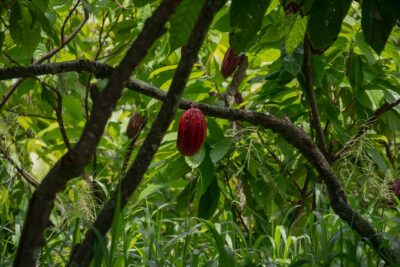
REVIEW · MARRAKECH
Authentic Moroccan Cooking Class in a Farm in Marrakech
Book on Viator →Operated by One Life Trips · Bookable on Viator
Marrakech tastes better when you cook it yourself. This Morocco cooking class takes you off the main streets and into a real farm setting in the western part of town, where you prepare your own tajine and finish with Moroccan mint tea and lunch. The biggest hook is simple: it is not a sit-and-watch show, it is a hands-on morning class built around ingredients, technique, and eating what you make.
I especially like two things. First, the hotel pickup and drop-off makes it easy. No hunting for a meeting point, and the farm visit feels like a break from traffic and crowds. Second, the class is led by Khaoula, a warm, confident chef who explains what you are doing in a laid-back way, including practical tips that stick.
One possible drawback: you are working with spices and kitchen steps for a full 3 hours, so if you are very sensitive to strong smells or you need lots of downtime, plan accordingly before you book.
In This Review
- Key highlights to know before you go
- From hotel pickup to a farm kitchen in west Marrakech
- What you actually make: tajine, fresh salad, and mint tea
- Tajine lessons you can use again at home
- Fresh salad prep
- Moroccan mint tea, explained and made
- Why the farm setting makes the class feel real
- The pacing: a full 3 hours that never feels rushed
- Dietary needs and group size: how it plays out day-to-day
- Price and value of a full meal cooking experience at $56.99
- Who should book this Moroccan tajine class
- Practical tips to get the most from your tajine day
- Should you book this Marrakech cooking class?
- FAQ
- What time does the Moroccan cooking class start in Marrakech?
- How long is the cooking class?
- Where does the class take place?
- Is hotel pickup and drop-off included?
- Is this a hands-on cooking class or a demonstration?
- What will I eat during the class?
- Will the class accommodate dietary needs?
- How many people are in a group?
- Is a local English-speaking host provided?
- Are gratuities included in the price?
Key highlights to know before you go
- Hotel pickup and drop-off keeps the day simple, and you start at 10:00 am
- Max 20 travelers, so you get personal attention rather than feeling like a factory line
- Hands-on tajine cooking plus fresh salad prep, not just watching
- Moroccan mint tea is included, with the process explained and served with pastries
- Lunch on the farm in a calm setting after everything cooks down slowly
From hotel pickup to a farm kitchen in west Marrakech
The day starts at 10:00 am, and it is set up to feel low-stress from minute one. Your driver comes to your hotel, and you head toward the western part of Marrakech for the farm experience. In practice, this ride is short enough that you are not spending your morning stuck in transit, but long enough to feel the mood shift from city speed to countryside pace.
What makes this worth your time is the way the transport supports the whole experience. When you do not have to figure out where to meet, you can show up ready to cook. And when you arrive at the farm, you are already in the right mindset: aprons on, hands washed, and ready to learn.
At the farm, you meet your local host/chef, Khaoula. People rave about how prepared she is when you arrive, including having things set up so you are not waiting around. You also get the feeling that this is not staged for tourists. It is a family environment, and that matters because it changes the energy of the class into something friendlier and more relaxed.
You can also read our reviews of more tours and experiences in Marrakech.

What you actually make: tajine, fresh salad, and mint tea
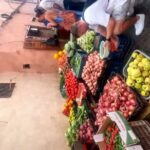
This is a Moroccan cooking class where the food is the curriculum. The class focuses on tajine, plus a fresh salad, and it ends with Moroccan mint tea and local pastries.
Tajine lessons you can use again at home
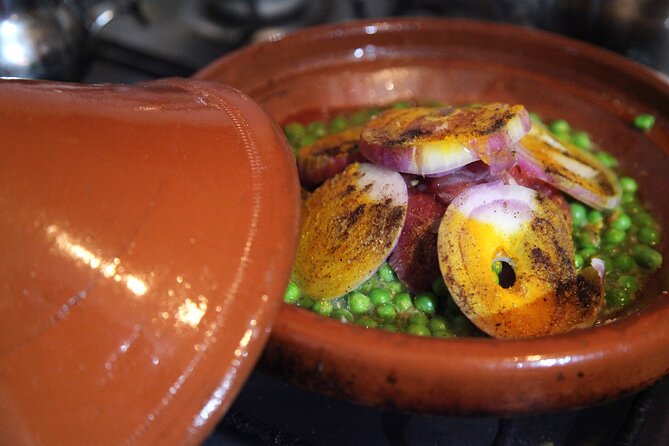
You are not just shown what to do. You are guided through cooking tajine in an interactive way. The host walks you through ingredients and technique, and you learn how the process comes together so the finished dish makes sense, not just tastes good.
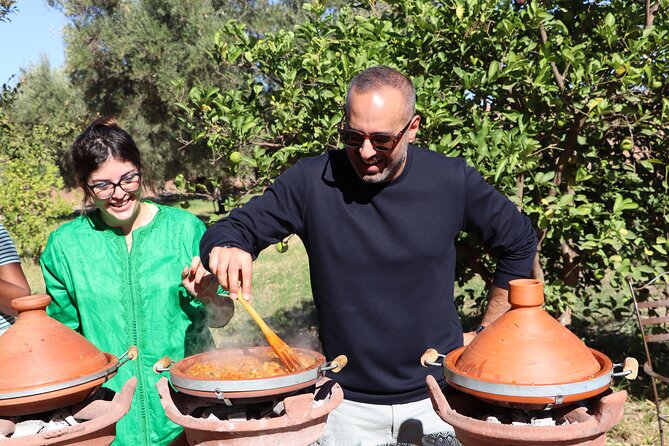
Some groups cook tajines like Berber-style and chicken tajine, and others may make multiple tajines depending on the group flow. Either way, the core value is the same: you learn the basic rhythms of tajine cooking, so you can understand flavors and timing instead of repeating a recipe blindly.
A chef-led class like this is especially helpful if you have eaten tajine in Morocco and wondered what makes it work. Here, you see the logic behind spice mixing, layering, and how the dish cooks down.
Fresh salad prep
Before your main course finishes cooking, you make a Moroccan fresh salad. Even if you have had Moroccan salads before, the chance to prepare one yourself gives you a better read on what balances the plate: herbs, vegetables, and simple flavor building.
This part also helps the day feel complete. You are not stuck waiting for the tajine to cook. You are building your meal while learning.
Moroccan mint tea, explained and made
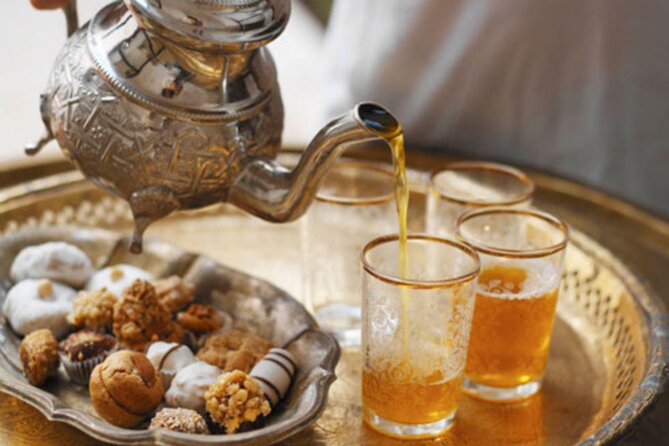
Moroccan mint tea is included, and you learn how to make it with the process explained. It is served with local pastries, so you get the full ritual, not just a cup handed to you.
This matters for two reasons. One: mint tea is a huge part of Moroccan hospitality, so learning the steps is cultural as well as practical. Two: once you know the method, you can recreate the drink at home and impress people without needing any special equipment.
Why the farm setting makes the class feel real
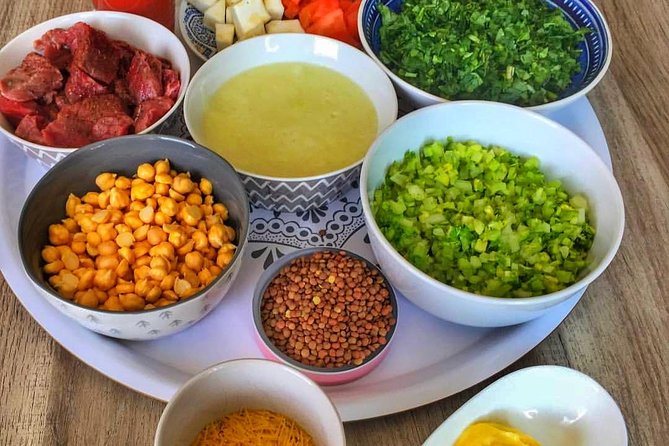
There is a reason this class happens on a farm. Yes, it is scenic, but the real benefit is attention. On a farm, you are surrounded by the ingredients and by a slower pace. People consistently mention lemon, orange, and olive trees around the property, which helps you connect the dots between what you cook and where the flavors come from.
It also changes how you experience the cooking. When the food is tied to a place, you pay closer attention to smells and textures. You notice how ingredients behave, not just how a finished plate looks.
And you get a mindful atmosphere at lunch. That sounds soft, but it is practical: after hours of hands-on work, you sit down and actually taste what you made while the chef is there to answer questions. It turns the class into a full meal experience instead of a short workshop that ends the moment you stop cooking.
The pacing: a full 3 hours that never feels rushed
The class runs about 3 hours, and the structure is built to keep momentum.
- Pickup and drive to the farm (short transfer, easy start)
- Welcome and intro to what you will cook and how to get the most out of the class
- Hands-on preparation of salad and tajine steps
- Mint tea and pastries
- Lunch when everything is ready, served in a calm setting
This flow matters because tajine cooking naturally takes time. So the best classes treat the waiting period as part of learning, not dead time. Here, you keep moving through tasks, you learn as you prep, and you finish with a meal that feels like the final exam you actually wanted to take.
Dietary needs and group size: how it plays out day-to-day
The class can accommodate dietary needs with prior notice. That is important because Moroccan cuisine often includes shared spices, sauces, and prep methods. If you have restrictions, send them ahead so the host can adjust ingredients and steps.
Group size is capped at 20 travelers. That small ceiling is one of the reasons the experience earns such strong ratings. You are less likely to feel lost in a crowd, and your questions are easier to answer. In classes with larger groups, the chef is often stuck lecturing instead of coaching. Here, the format stays more personal.
It also helps that the host is described as both skilled and comfortable with teaching. People highlight her warmth and confidence, and they mention how she explains things in a laid-back way. That combo is what makes hands-on cooking click: you feel guided, but not pressured.
Price and value of a full meal cooking experience at $56.99
At $56.99 per person, you are paying for more than a cooking lesson. You are getting:
- A local English-speaking host/chef
- Lunch (Moroccan salad plus main course)
- Mint tea and local pastries
- Pick-up and drop-off from your hotel
So the real question is value, not just cost. For a 3-hour experience, the included meal and drinks do a lot of the heavy lifting. You would typically spend money on lunch in Marrakech anyway, and you would usually pay separately for a guide if you wanted a true food-focused cultural moment.
Add hotel pickup, and your day becomes easier to manage. That is not a small thing in Marrakech, where the logistics can steal attention. If you like experiences that give you both a story and a recipe you can reuse, this price structure makes sense.
And since it is booked about 33 days in advance on average, it is usually a popular slot. If you have travel dates with limited flexibility, booking sooner rather than later can help you get the time you want.
Who should book this Moroccan tajine class
This is a strong choice if you want a food experience that feels authentic and practical. You do not need to be a confident cook. The class is set up so you learn by doing, with clear guidance from Khaoula and space to ask questions.
It also fits well if you are traveling with kids. One group cooked with a 16-month-old and a 9-year-old, and they described the farm setting as beautiful with lemon and orange trees. That suggests the environment can work for families, as long as your child can handle some kitchen time and sensory input from spices.
This is less ideal if you want a quiet, mostly passive activity. Even though the atmosphere is friendly and not frantic, it is still an active cooking session. If you are looking for a short tasting only, you might find the hands-on format more work than you expected.
Practical tips to get the most from your tajine day
A few things will make the experience smoother:
- Wear clothes that can handle smells and a bit of mess. You are cooking with spices and fresh ingredients.
- Plan to stay engaged for the full 3 hours. The pacing is good, but you will be doing tasks.
- If you have dietary needs, communicate them before the day. The class can accommodate changes with prior notice.
- Use the included pickup. It is one of the best parts, and it protects your time and patience.
- Come hungry. Lunch is part of the payoff, and mint tea plus pastries help you end on a good note.
One more tip: if you love Moroccan food, treat this as a chance to learn the logic behind flavor. You will get more out of the class if you pay attention to why something is added when it is added.
Should you book this Marrakech cooking class?
I think this is worth booking if you want a memorable Marrakech moment that is equal parts hands-on cooking and real local hospitality. The combo of hotel pickup, a small group size, and Khaoula’s teaching style makes it feel organized without feeling stiff. Add the included lunch, mint tea, and pastries, and you are not just buying an activity, you are leaving with food you understand and can repeat.
Book it if you are the type who likes learning by doing, and if you want a break from the city’s rush. Skip it if you want something purely observational or if you are sensitive to strong spice aromas for extended periods.
If you want one practical move: aim to book early, especially if you are traveling around peak times. This is the kind of class that tends to fill up.
FAQ
What time does the Moroccan cooking class start in Marrakech?
The start time is 10:00 am.
How long is the cooking class?
It runs for about 3 hours.
Where does the class take place?
The class takes place at a farm near Marrakech, in the western part of the city.
Is hotel pickup and drop-off included?
Yes. Pick-up and drop-off from your hotel are included.
Is this a hands-on cooking class or a demonstration?
It is hands-on and interactive, not just a demonstration.
What will I eat during the class?
Lunch is included, featuring Moroccan salad and a main course, plus Moroccan mint tea and local pastries.
Will the class accommodate dietary needs?
Yes, dietary needs can be accommodated if you share them prior to the experience.
How many people are in a group?
The maximum group size is 20 travelers.
Is a local English-speaking host provided?
Yes, the host/chef is listed as English speaking.
Are gratuities included in the price?
No. Gratuities are optional and not included.