REVIEW · GRAN CANARIA
Canarian farmhouse in Mogan, mango farm and vermouth factory
Book on Viator →Operated by Explore a historical canarian house, mango plantation and Vermouth factory · Bookable on Viator
A 200-year farmhouse and vermouth in one short outing. This Mogán experience mixes a restored Canarian homestead with an on-site mango farm and vermouth factory, so you see how local fruit and recipes turn into flavors you can taste right away. I especially like the calm, backyard-garden feel and the hands-on focus on how mangoes (and a few other crops) are grown and used in Canarian cuisine.
One thing to plan around: you’ll go down to the mango plantation area, and the tour is not suitable for baby carriages and disabled people on that way down. If that affects you, you’ll want to check with the operator before booking.
In This Review
- Key highlights I’d circle
- Step into Mogán’s old Canarian farmhouse world
- Cactus garden, tunera, and the kind of plants you actually remember
- Mango farm walk: mangoes, avocados, and soursops in one stop
- Enter the vermouth factory: Lolito white and red tasting
- Mango gazpachuelo and the cold mango yogurt soup idea
- How much value you’re really getting for $69.79
- What to expect from the pacing and small-group format
- Dinner after the tour: a practical way to keep the day local
- Who should book this (and who should think twice)
- Tips to make it smooth once you arrive in Los Pasitos
- Should you book this Canarian farmhouse, mango farm, and vermouth factory tour?
- FAQ
- How long is the tour?
- Where does the tour start and end?
- What language is the tour offered in?
- What tasting or food is included?
- What’s included in the price besides tastings?
- Is it suitable for everyone?
- What’s the cancellation policy?
Key highlights I’d circle
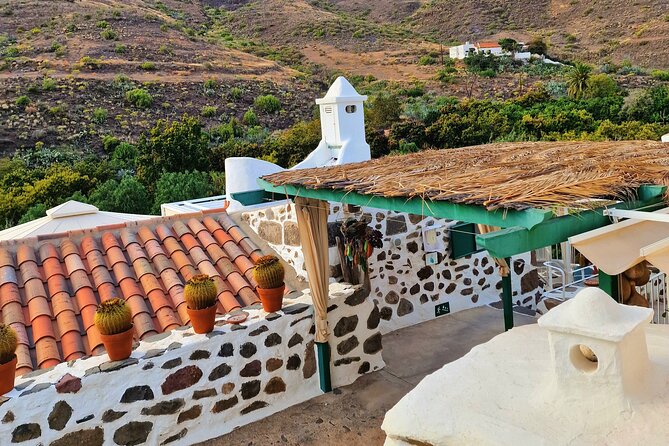
- A restored 200-year Canarian farmhouse in Mogán: architecture and gardens that feel lived-in, not staged
- Cactus garden and tunera: learn how cacti fit into local life and cooking
- Mango farm plus other fruit trees: mangoes, avocados, and soursops growing in the same working setting
- Lolito vermouth tasting on-site: sample both white and red vermouth made there
- Mango gazpachuelo-style dessert option: a cold mango and yogurt soup with chocolate cubes, if you select it
- Small group size: up to 15 people, so Q&A and conversation stay easy
Step into Mogán’s old Canarian farmhouse world
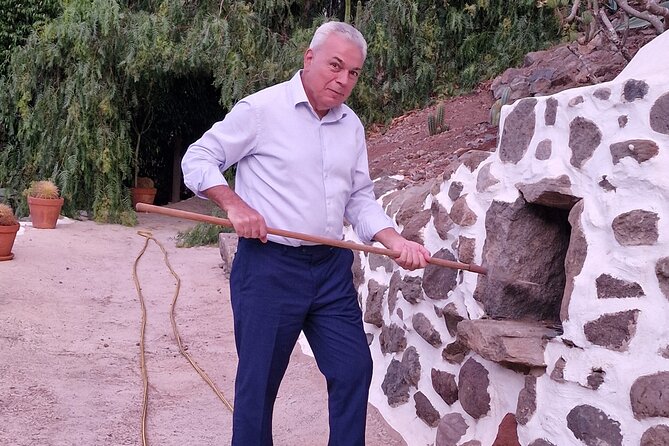
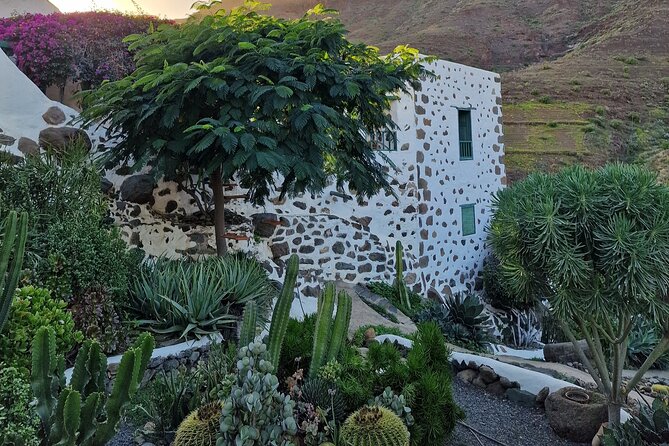
This tour starts in Los Pasitos, 2 in Mogán, right by the Pueblo de Mogán area where the property sits. The centerpiece is an old Canarian farmhouse, faithfully restored, with a complex of buildings that reflects the popular architecture style of the islands. The vibe is more “quiet family working place” than museum.
I like how the timing works for a short trip. At about 2 hours, you’re not stuck all afternoon. You get a compact tour of the property and the working farm side, then you finish with tasting. If you’re basing yourself around Puerto de Mogán, this also feels very reachable: one review called it a peaceful oasis about 10 minutes from Puerto de Mogán, which matches the idea that you can fit it in without major hassle.
A practical note: you’re touring a real farm property, not flat park paths. Sun and walking shoes matter more than you might expect. Also, since it ends back at the meeting point, you don’t have to rearrange plans afterward.
You can also read our reviews of more tours and experiences in Gran Canaria.


Cactus garden, tunera, and the kind of plants you actually remember
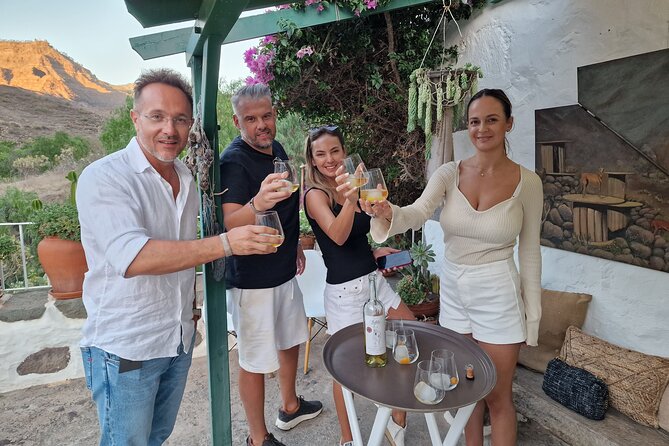
After you get oriented around the property, you’ll see the cactus garden, including tunera (cacti used in Canarian contexts). It’s a smart stop because it trains your eyes for what grows here. Even if you only think of Gran Canaria as beaches and viewpoints, cactus agriculture and kitchen uses show a different side of the island’s practical culture.
Here’s what’s especially useful for you: you’re not just looking at plants, you’re hearing how they connect to local food. The tour also points out how fruits and cacti show up in Canarian cuisine. That matters because it changes what you notice later at dinner. You’ll likely start recognizing flavors and ingredients when you’re eating out in Mogán.
Mango farm walk: mangoes, avocados, and soursops in one stop
Next comes the farm part of the program. You’ll see how mangoes, avocados, and soursops grow, and you’ll learn how they’re used in Canarian cuisine. This is more valuable than a generic “farm photo moment” because the tour ties the plants back to the kitchen.
I also like the variety here. Many fruit-farm tours focus on one crop. This one adds avocado and soursop, so your brain builds a more accurate picture of how a Canarian farm can be organized. If you’re the type who likes asking questions, this is a good moment to do it, too. You’ll get real answers about what’s grown and why.
Keep in mind the tour isn’t designed for rolling around in a stroller or for easier mobility on the way down to the plantation. The operator explicitly notes it’s not suitable for baby carriages and disabled people on that descent. If you’re managing mobility issues, treat this as a key decision point, not an afterthought.
Enter the vermouth factory: Lolito white and red tasting
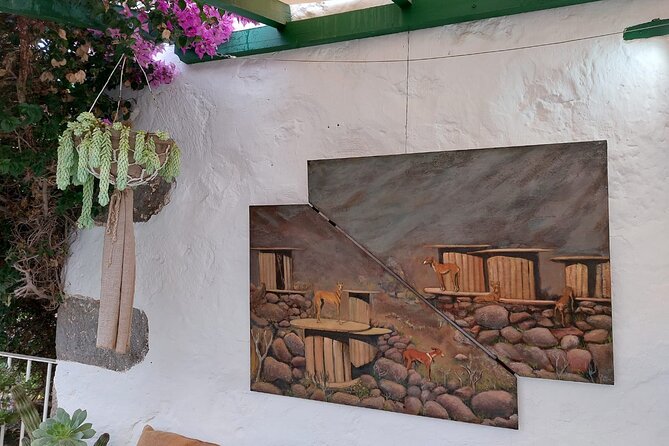
The big flavor anchor of the tour is the vermouth story. The property makes the first Lolito vermouth in Gran Canaria, and that fact isn’t presented like a slogan. You’re brought through the on-site context so you understand what you’re tasting.
Then you taste it. The experience includes a vermouth starter with Lolito red and white. For you, this is the part that makes the tour feel more like an experience than a walking tour. You’re not waiting until the end of your day to try something local and forgettable. You’re sampling right after the farm context, so the flavors feel connected to the ingredients and traditions you just heard about.
Also, vermouth tasting is one of those “small dose, big payoff” activities. In two hours, you can cover a lot without committing to a full meal. It’s a great fit if you want to try something special while still keeping your evening free.
Mango gazpachuelo and the cold mango yogurt soup idea
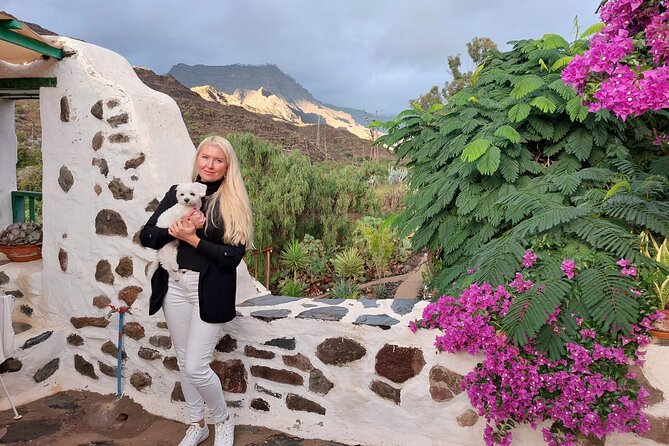
If you choose the dessert option, you’ll get an unusually original finish: cold mango and yogurt soup with chocolate cubes. The sample menu lists dessert as Mango gazpachuelo, which gives you a clue about the style. It’s not a hot, heavy dessert. It’s cool, fruit-forward, and built around contrasts.
I like this choice for Gran Canaria weather. A cold dessert after a garden-and-farm walk makes sense, especially when the day is warm. And the chocolate cube detail is memorable without needing you to understand complicated culinary technique. You just taste it and move on.
One more reason this works: it ties back to the farm. You’re seeing mangoes growing and then eating something that uses that fruit in a Canarian-leaning way. That feedback loop is exactly what makes food tours click.
How much value you’re really getting for $69.79
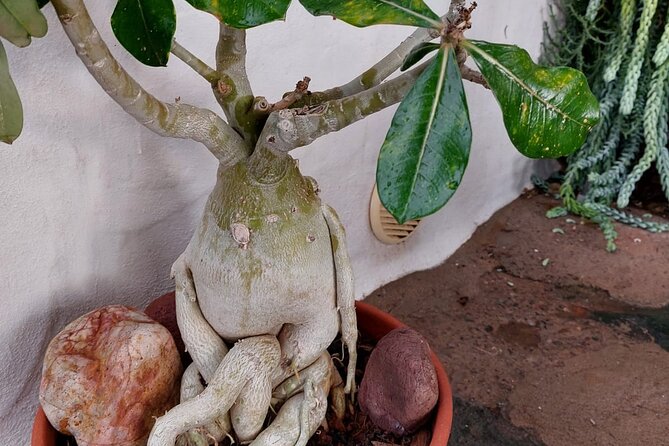
At $69.79 per person for about 2 hours, the best way to judge value is by what you actually receive, not just the headline price.
Here’s what the experience includes:
- Water
- Toilet/bathroom/service access
- A vermouth tasting starter with Lolito red and white
- A mango dessert option (listed as Mango gazpachuelo) if you select it
- Admission is listed as ticket free for the experience
- Group size is capped at 15, which usually means more time per person and easier conversation
That tasting and dessert combo is the value engine. You’re essentially paying for a guided learning-and-tasting blend: farm walk + house/gardens + on-site vermouth production story + samples you can’t easily replicate on your own.
If you’re a foodie, you’ll likely feel it’s a solid deal because the experience packs multiple “local product” moments into one outing. If you’re not into vermouth or you’re skipping dessert, you should weigh it against other Mogán activities with tastings or museum-style visits. But even then, the farmhouse + cactus garden piece makes it a distinctive, local stop.
What to expect from the pacing and small-group format
This is offered in English, and the maximum group size is 15 travelers. That matters because it usually keeps the tour conversational. You’re more likely to get clear answers about fruit growing, cacti (tunera), and what makes the vermouth process special.
The route starts at Los Pasitos, 2, and it ends back at the meeting point. That back-to-start format is practical. You won’t end up needing a taxi or figuring out a new endpoint. It also makes it easier to plan around lunch or an evening meal.
Duration is listed at around two hours, so it’s not the type of excursion that swallows your day. You can pair it with a relaxed afternoon in Mogán or follow it up with dinner plans elsewhere.
Dinner after the tour: a practical way to keep the day local

Dinner isn’t included. The operator notes dinner runs about €30–50 per person if you choose to eat at their restaurant. If you want to discover their gastronomy before or after the excursion, you can make a table reservation at their restaurant in Valle de Mogán.
I like that option because you can decide based on your energy level. After a tasting and a walk, some people want something lighter. Others will be happy to keep the food focus going. Either way, you get a logical next step without having to research from scratch on the spot.
Who should book this (and who should think twice)
This tour is a strong fit if:
- You want a short, hands-on Canarian food experience in Mogán
- You’re curious about mango growing and how fruits show up in local cuisine
- You enjoy a guided tasting, especially Lolito vermouth (white and red)
- You like quieter places where you can talk with the host and learn at a human pace
You should think twice if:
- You use a wheelchair or need stroller-friendly ground access, since the tour notes it’s not suitable for baby carriages and disabled people on the way down to the mango plantation
- You’re expecting a long, full-day farm experience with lots of time in the fields
- You’re not interested in tasting anything alcoholic (vermuth starter is included)
And if you’re traveling with service animals, that’s allowed, which is a nice practical detail.
Tips to make it smooth once you arrive in Los Pasitos
A few small choices make a big difference for this kind of property tour:
- Wear shoes you’re comfortable walking in, since you’ll be moving around gardens and a plantation area.
- Bring a light layer for shade and sun changes. You’re outdoors, and the experience includes gardens and fruit areas.
- If you care about dessert, make sure you’ve selected the dessert option ahead of time, because the cold mango yogurt soup is tied to that choice.
Also, don’t be shy about asking what you’re seeing. The best part of tours like this is connecting the plants to the food. You’ll get the most out of it if you treat it like a conversation, not a checklist.
Should you book this Canarian farmhouse, mango farm, and vermouth factory tour?
I think this is worth booking if you want a compact, local experience in Mogán that goes beyond souvenirs. The pairing of mango farm context with an on-site Lolito vermouth tasting is a clever use of time. Add the cactus garden and the restored 200-year farmhouse setting, and you get variety without rushing.
Skip it if accessibility is a concern for you on the downhill to the mango plantation. Also, if you’re looking for a bigger sightseeing day, this won’t replace a full itinerary.
If you can do the walking and you’re even mildly curious about how fruit and vermouth connect here, you’ll likely come away with flavors you remember and a better feel for everyday Canarian food life.
FAQ
How long is the tour?
It runs for about 2 hours.
Where does the tour start and end?
It starts at Los Pasitos, 2, 35140 Mogán, Las Palmas, Spain and ends back at the same meeting point.
What language is the tour offered in?
The tour is offered in English.
What tasting or food is included?
You’ll have a vermouth starter with Lolito red and white, plus a dessert option is available (cold mango and yogurt soup with chocolate cubes / Mango gazpachuelo) if selected.
What’s included in the price besides tastings?
The experience includes water and toilet/bathroom/service access.
Is it suitable for everyone?
The tour is not suitable for baby carriages and disabled people on the way down to the mango plantation. Most travelers can participate, and service animals are allowed.
What’s the cancellation policy?
You can cancel for a full refund up to 24 hours in advance of the experience’s start time.

![Floating & Railway Market and Coconut Farm Tour [Optional Luxury] - Pickup, ride time, and how the schedule usually feels](https://e.farmtourer.com/wp-content/uploads/floating-railway-market-and-coconut-farm-tour-optional-luxury-400x267.jpg)