REVIEW · GRAN CANARIA
Full-Day Tour Exploring History, Nature and Aloe Vera Farm
Book on Viator →Operated by VIMOTIONS · Bookable on Viator
Gran Canaria changes fast on one long day. This tour stitches together history, mountain nature, and one very recognizable volcanic rock, with a guide riding with you all day. You also get an aloe vera farm visit, and you’ll stop for lunch along the route.
I love how the day balances culture with scenery. You’ll spend time in places like Guayadeque’s cave-dwellings and then later at Roque Nublo, the island’s big worship rock. I also like the practical setup: pickup and drop-off from southern hotels, plus a local guide who actually explains what you’re seeing (guides like Tom and Miguel have been mentioned as especially strong).
One possible drawback: it’s a long day with a lot of coach time and relatively short stops. And the aloe vera farm end can feel more like a shop-and-presentation stop than a pure field lesson, so go in knowing you might be sold on the product side too.
In This Review
- Key points before you go
- A 7-Hour Loop That Gives You a Real Lay of the Land
- Price and Value: What $59.61 Actually Buys
- South Gran Canaria Pickup: The Part That Can Make or Break Your Day
- Guayadeque and Agüimes: Cave Life in a Living Valley
- Arucas Stop: Rum and Bananas, Plus a Quick Change of Pace
- Teror’s Basilica of Nuestra Sra, Del Pino: Canarian Charm with Real Center-Stage
- Valleseco: Where the Town Walks Feel Easier
- Roque Nublo: The Volcanic Worship Rock and the Best Views Moment
- Fataga and the Aloe Vera Farm: Learn the Plant, Expect the Sales Angle
- Coach Time, Quick Stops, and How to Keep Your Day Feeling Relaxed
- Who This Tour Fits Best (And Who Might Want Something Else)
- Should You Book This Gran Canaria Full-Day Tour?
- FAQ
- How long is the full-day tour?
- Where is pickup offered?
- What time does pickup usually happen?
- Is lunch included in the price?
- Are tickets included for the stops?
- What is the maximum group size?
- Do I need a printed ticket?
- What happens if the weather is bad?
- Can I cancel for free?
- What’s the main unique experience element besides villages and views?
Key points before you go
- Pickup from the south makes this easy if you’re not renting a car
- Guayadeque cave dwellings connect you to pre-Hispanic life
- Roque Nublo delivers huge volcanic views and a strong cultural meaning
- Valleseco gives you a slower, more walkable nature-town pause
- Aloe vera farm visit mixes learning with product-focused time
- Short stop durations mean you’ll move fast if you hate rushing
A 7-Hour Loop That Gives You a Real Lay of the Land
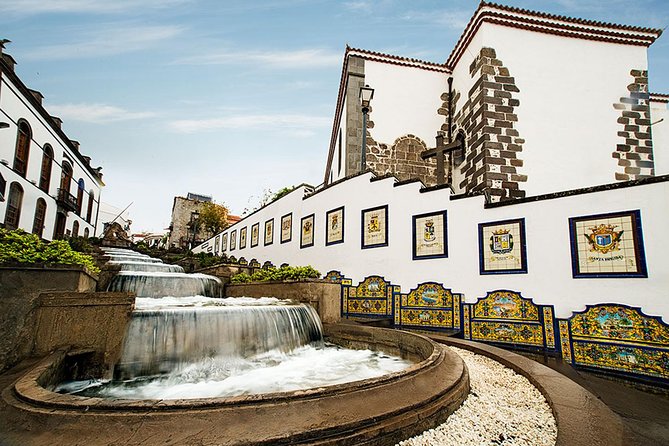
This isn’t a slow, sit-and-smell-the-flowers tour. It’s the kind of day you take when you want to understand Gran Canaria quickly: how the island’s older settlements sit beside dramatic terrain, how inland towns feel different from the coast, and why certain rocks and valleys became meaningful long before mass tourism.
You’ll cover north and central areas in one day, with a local guide guiding the whole trip. Most stops are free-entry moments, so you’re mostly paying for your time, transport, and commentary, not chasing ticket booths. For first-timers, that’s a big deal. You leave with a map in your head and a stronger sense of where you might want to return later for a deeper look.
You can also read our reviews of more tours and experiences in Gran Canaria.


Price and Value: What $59.61 Actually Buys
At about $59.61 per person, you’re paying for a full guided day plus transport, insurance, and the aloe vera farm visit. That’s good value in two ways. First, the itinerary is packed with multiple distinct areas rather than repeating one theme. Second, you’re not responsible for figuring out roads, timing, and where to park.
Your main “extra cost” is lunch. Lunch is not included, but you may be brought to a set restaurant meal (reported as a 3-course menu with a drink for about €12). If you’re trying to keep costs down, plan ahead and bring a sandwich option for the lunch window if you’d rather not buy into the restaurant deal.
South Gran Canaria Pickup: The Part That Can Make or Break Your Day
If you’re staying in southern Gran Canaria, pickup is one of the biggest conveniences here. Service runs between roughly 09:00 and 10:30, with pickup at your hotel or at the nearest pickup point. In plain terms: set your alarm for the early window and don’t plan anything else that morning.
The tour runs about seven hours, but in real life it can feel closer to a long day. Some schedules described a return around 6:30 to 6:40. That’s not bad, but it is a reminder to pack for the whole day: sun protection, water, and layers for inland wind and shade.
Group size stays manageable, with a maximum of 40 travelers. That helps with flow. You’ll still be on a coach for a lot of the day, though, so if you get motion-sick, consider bringing your usual remedy.
Guayadeque and Agüimes: Cave Life in a Living Valley
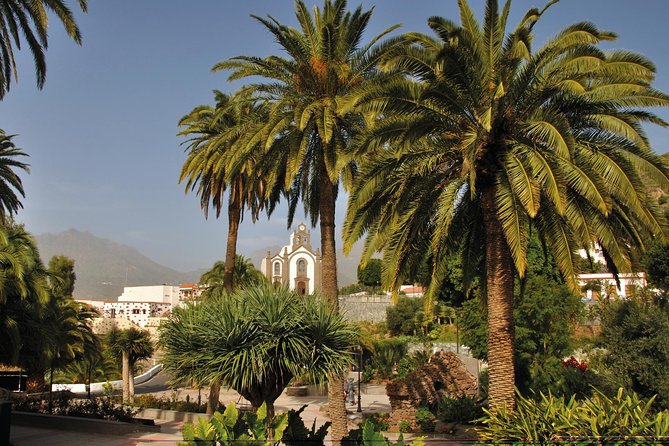
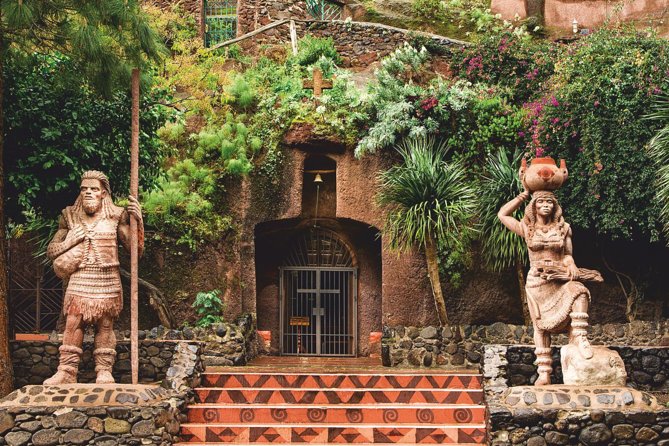
This is the first “wow” section of the day. You’ll visit Agüimes’ historic center and then head to Guayadeque, a lush valley recognized as a Natural Monument (declared in 2000). The heart of the story is Guayadeque’s cave-dwellings—tied to the island’s first pre-Hispanic inhabitants, and still in use today.
What I think makes this stop so valuable is the way it turns a landscape into a living timeline. Instead of only looking at buildings, you’re looking at how people adapted to the terrain long before modern construction. You’ll likely want a little extra time here to just wander slowly and take in the shapes of the caves and how they sit in the valley.
Practical tip: wear shoes you can trust on uneven ground. Even when you’re only walking for an hour, this isn’t a “flip-flops and photos” kind of place.
Arucas Stop: Rum and Bananas, Plus a Quick Change of Pace
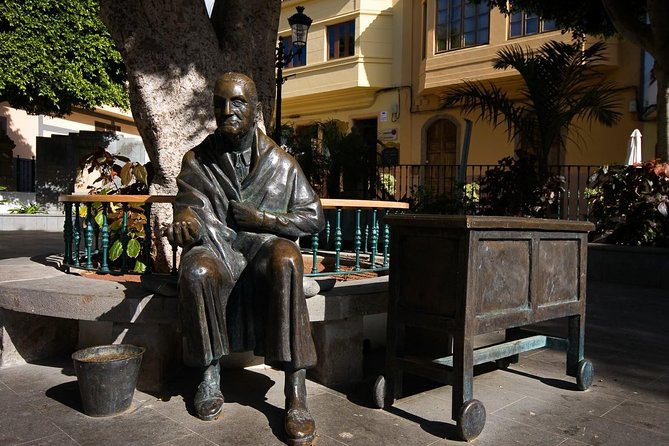
After the caves and valleys, you’ll make a shorter stop in Arucas, an area famous for its rum and banana cultivation. You’re not going to get the full deep-dive of distillery tours in a quick roadside stop, but it’s a useful contrast: another side of the island’s economy and daily life.
This stop works best if you treat it as a breather. Use the time to stretch, look around, and grab quick photos of the town feel and the farming backdrop. It’s also a good moment to judge whether you’d like to come back later for a more focused visit.
Teror’s Basilica of Nuestra Sra, Del Pino: Canarian Charm with Real Center-Stage
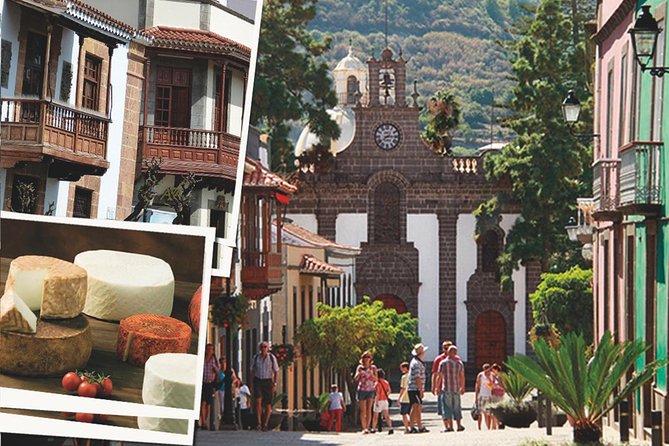
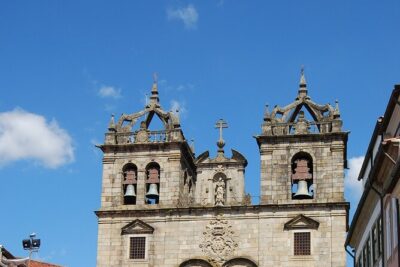
Next comes Teror, a beautiful village where you’ll have time to enjoy the Basilica of Nuestra Sra, Del Pino. This church is tied to the patron saint of the Canary Islands deanery, and it gives Teror a gravity that’s hard to fake.
You’ll also notice Canarian style buildings—stately homes and palaces—around the central areas. This is one of those places where architecture and everyday street life mix. Even if you’re not a museum person, the village setting makes it worth slowing down for a bit.
Stop length here is around an hour, so don’t expect long wandering across every street. Aim to do the main sights, then use the rest of your time for coffee or simply people-watching.
Valleseco: Where the Town Walks Feel Easier
If your schedule has been all motion so far, Valleseco is the stop that gives you more breathing room. The area is characterized by overflowing vegetation, and 80% of its territory is considered a Protected Natural Area.
You’ll have about two hours, with free time to walk the streets. Lunch is typically part of the day’s plan, but lunch itself is not included in the tour price.
This is where you’ll want to take advantage of the slower pace. Look for viewpoints from streets that rise and fall, and enjoy the fact that you’re in a mountain town rather than a coastal one. If you’re someone who loves walking but hates long hikes, this stop hits a nice middle ground.
Roque Nublo: The Volcanic Worship Rock and the Best Views Moment
Then you’ll reach Roque Nublo, one of the island’s largest natural crags. The rock rises about eighty meters above its base, and it has special significance for islanders. It’s also tied to ancient aboriginal worship, and the surrounding area has been protected since 1987, with a rural park designation seven years later.
This is the stop that often sells the tour in one shot. Even if you only have an hour, the scale of Roque Nublo makes time feel well spent. It’s also the moment when your photos will actually look like Gran Canaria, not just another village.
Practical tip: come prepared for wind and bright sun. You’re viewing a volcanic formation with open exposure, so sunglasses and a light layer can save you.
Fataga and the Aloe Vera Farm: Learn the Plant, Expect the Sales Angle
The day ends with the aloe vera property stop. Fataga is known as the Valley of the Thousand Palm Trees, but the plan here is a farm visit rather than a village pause.
At the aloe farm, you’ll learn about aloe vera uses and properties, because the plant is widely called the miracle plant in the Canary Islands. This part is included, and it’s a fun change from caves and crags.
Now the honest heads-up: the aloe stop can lean product-heavy. If you’re hoping for a pure agricultural or scientific farm experience, you might feel disappointed by how commercial it can feel, including store time and a presentation style that focuses on benefits. Go anyway if you want the general background and don’t mind that you may be walking through a retail-style environment at the end.
Coach Time, Quick Stops, and How to Keep Your Day Feeling Relaxed
Even when a tour is well run, it can still feel like a “moving checklist” if you don’t manage expectations. One theme that shows up clearly is that a large part of the day is spent on the coach. You do get views through the windows, but the tradeoff is that stops can feel brief.
Here’s how to make it work for you:
- Use the coach ride time to look ahead. Know which stop is the priority for you (for many people, it’s Roque Nublo and Guayadeque).
- Keep your photo strategy simple. Walk first, then take photos. You’ll appreciate what you’re seeing more.
- If you hate rushed explanations, ask your guide a question. Guides like Tom, Simone, Miguel, and Maribel have been praised for keeping things informative and friendly, even when the day is packed.
Lunch is optional in the tour logic, but in practice it can become the default. If you’re sensitive to crowds, go into the restaurant choice with open eyes. If you prefer control, bring a sandwich and plan to eat during your free time window.
Who This Tour Fits Best (And Who Might Want Something Else)
This tour is a strong match if you’re:
- visiting Gran Canaria for the first time and want a fast overview
- curious about pre-Hispanic history and cultural landmarks
- happy to trade deep time in each place for variety across the island
- fine with coach travel on mountain roads, especially if you like guided storytelling
It may be less ideal if you:
- dislike shopping-heavy stops
- want long, slow exploration in one area
- get annoyed when multi-language narration overlaps or compresses explanations
The upside is that the guiding quality and driving skills are repeatedly highlighted. Names like Manolo, Lessandro, and Alfredo have shown up in feedback tied to confident handling on winding roads. That matters on this island, where the roads can feel narrow and twisty.
Should You Book This Gran Canaria Full-Day Tour?
I’d book it if your goal is variety plus context in one day. The combination of Guayadeque’s cave-dwellings, Teror’s basilica-centered village atmosphere, and Roque Nublo’s dramatic volcanic presence is exactly the kind of “see it once, understand it better” day trip that helps you plan the rest of your trip.
I’d pause before booking if you’re specifically aloe-focused and want a serious, technical farm experience without a product pitch. You can still enjoy the scenery and history, but the aloe portion may not satisfy a “pure learning only” mindset.
If you’re staying in the south, you get one of the biggest advantages: pickup and drop-off that saves you from the logistics headache.
FAQ
How long is the full-day tour?
It runs for about 7 hours (approx.).
Where is pickup offered?
Pickup is only offered from hotels in the south of Gran Canaria, or the nearest pickup point if your hotel is not directly served.
What time does pickup usually happen?
Pickup takes place approximately between 09:00 and 10:30 hours. The tour starts at 9:00 am.
Is lunch included in the price?
Lunch is not included.
Are tickets included for the stops?
Admission tickets are listed as free for the stops during the experience.
What is the maximum group size?
The tour has a maximum of 40 travelers.
Do I need a printed ticket?
You’ll use a mobile ticket.
What happens if the weather is bad?
The experience requires good weather. If it’s canceled due to poor weather, you’ll be offered a different date or a full refund.
Can I cancel for free?
Yes. You can cancel up to 24 hours in advance for a full refund.
What’s the main unique experience element besides villages and views?
The aloe vera farm visit is a core included part of the day, alongside the natural and historic stops.