REVIEW · BIG ISLAND OF HAWAII
Hawaiian Salt Farm Tour in Kona
Book on Viator →Operated by Kona Sea Salt - The Farm · Bookable on Viator
Salt farming in Kona beats big-ticket tours. This 7-acre oceanfront stop shows you how Hawaiian salt is hand harvested from the ocean, with a guide-led walk that connects the water source to the final product. You finish with a tasting so you can actually taste the difference instead of just hearing about it.
I love the oceanfront setting and the hands-on salt tasting at the end. You’re not stuck watching from a distance; you walk the farm areas and get the story behind the process. It also feels like a smart small-group experience, with a max of 20 people.
One watch-out: it’s outdoors, so good weather matters. Also, at least part of the tour can move at a brisk pace, so if you like slow, detailed explanations, ask early and speak up.
In This Review
- Key highlights to look forward to
- Why this Kona salt farm tour is a smart use of your time
- Getting to the meeting point in Kailua-Kona (and what you’ll need)
- The main event: Kailua-Kona salt harvesting walk and water-source explanation
- The biggest value of this stop
- A realistic consideration
- Salt tasting: comparing multiple varieties like you mean it
- How to get the most out of the tasting
- Guides, stories, and the human side of salt making
- If you’re a question person
- Oceanfront setting: why the farm grounds feel worth the stop
- Optional add-on: the deep ocean foot soak
- My practical caution
- Who this tour fits best on the Big Island
- Watch-outs: weather, pace, and tasting clarity
- Value check: is $27 worth it?
- So should you book the Hawaiian Salt Farm Tour in Kona?
- FAQ
- How long is the Hawaiian Salt Farm Tour in Kona?
- What does the tour cost?
- Where is the meeting point?
- Is the tour offered in English?
- How big is the group?
- Does it require good weather?
- Can I cancel for a full refund?
- Is a mobile ticket used?
- Are service animals allowed?
Key highlights to look forward to
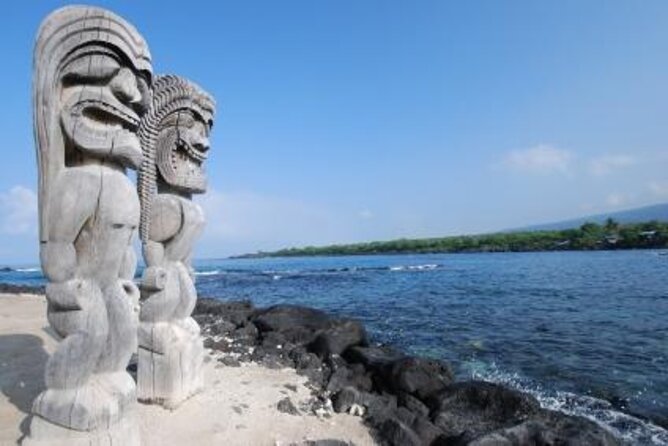
- Seven-acre oceanfront farm on the Big Island
- Hand-harvested Hawaiian salt process explained step by step
- Water source + history context for how the operation works
- Salt tasting with lots of varieties to compare side by side
- Small group size (max 20) for a more personal feel
- Optional deep ocean foot soak for those who want the extra add-on
Why this Kona salt farm tour is a smart use of your time
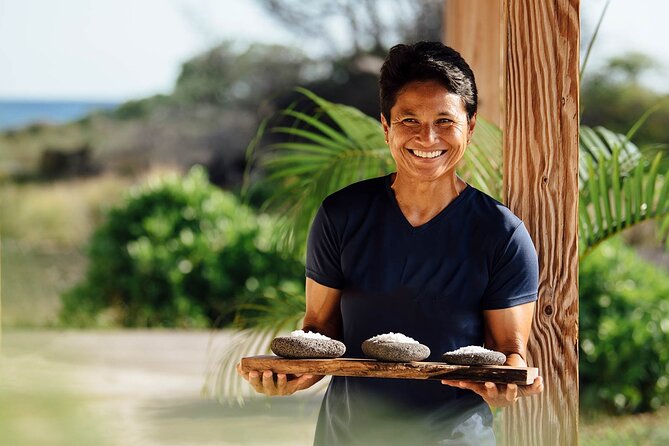
If your Big Island plan is feeling too “samey,” this is a great pivot. Instead of another scenic overlook, you get a working salt operation on the coast, where the product comes from the ocean and the process is visible. It’s also only about an hour, so it slots nicely into a busy day.
The best part is that the tour ends with tasting. Salt is one of those things people think they already understand, but when you sample different varieties, you start noticing how each one behaves in food and how it tastes on its own.
And because the farm is oceanfront, the setting does real work here. Even if you’re not a “salt person,” you still get a calm, coastal walk while you learn.
You can also read our reviews of more tours and experiences in Big Island of Hawaii.

Getting to the meeting point in Kailua-Kona (and what you’ll need)
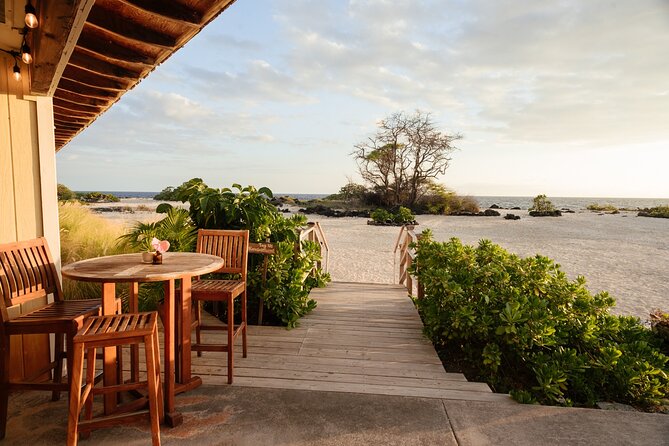
Meet at 73-907 Makako Bay Dr, Kailua-Kona, at the farm’s office. The Salt Farm Manager meets you there and leads the guided portion, then the tour ends back at the same meeting point.
This is an English-language experience with a mobile ticket. Group size is capped at 20, which helps the tour feel more manageable than big bus tours.
Practical tip: bring sun protection. One review specifically called out wearing sunscreen and hats, and the operation has umbrellas available to block the sun. In Kona, that matters fast.
The main event: Kailua-Kona salt harvesting walk and water-source explanation
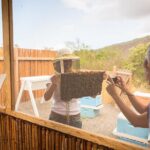
Most of the experience is the guided walk-through, and it’s focused on one clear goal: show you how Hawaiian salt is harvested by hand. You’ll start with the tour manager explaining the farm’s water source and then how the salt harvesting areas work.
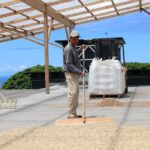
Expect to hear how water is used and managed before it becomes salt. You’ll also see the salt-making stages as part of the walk, which helps the process click. Seeing salt drying in stages is one of the moments people remember most, because it’s not abstract anymore—you can connect each step to what happens next.
The guide also covers the farm’s broader ocean mineral products, not just the table salt. That portion is a good reminder that this place isn’t only selling a seasoning; it’s using deep-ocean minerals in multiple ways, and the operation ties into the ocean ecosystem around it.
The biggest value of this stop
You’re learning how salt actually gets made, not just getting a sales pitch. The guide-led structure keeps you moving through the operation, and the farm layout makes it easy to follow the logic of each step.
A realistic consideration
Because part of the tour is information-heavy, you may want to ask your questions during the walk rather than saving them for the tasting table. A few visitors noted the tour pace can feel quick and that the tasting can be easier if you confirm what each variety is and where it’s from.



Salt tasting: comparing multiple varieties like you mean it
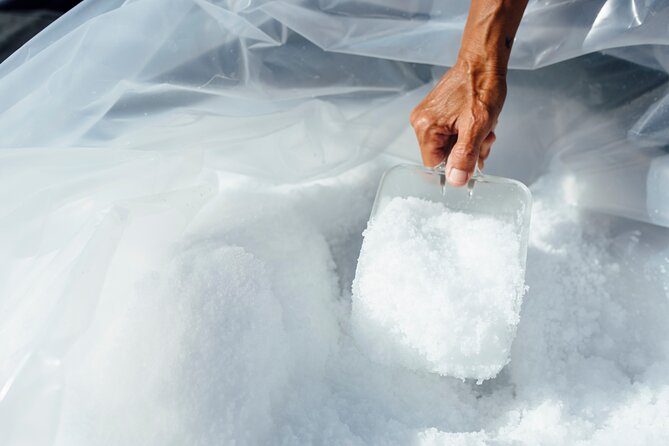
The tour finishes with a salt tasting. This is where the experience earns its keep, because you’re finally tasting the differences the guide described earlier.
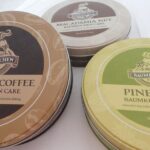
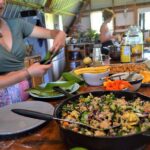
Several visitors highlighted that the tasting is fun and that it includes many salt options. One person described sampling about 15 different flavors at the end, served with fruits and veggies, which turns it into a mini food lesson rather than a quick sip-and-go.
Even if you don’t cook often, this part helps you understand how salt can vary. It also makes a nice souvenir experience: you’ll leave knowing what you liked, so if you buy products, you’re buying with context.
How to get the most out of the tasting
Go in curious and slow down during the tasting portion. If something doesn’t make sense—like which salt is which—ask right there. This is also a good time to pay attention to what the guide emphasizes, because the tasting is the payoff for the earlier walk.
Guides, stories, and the human side of salt making
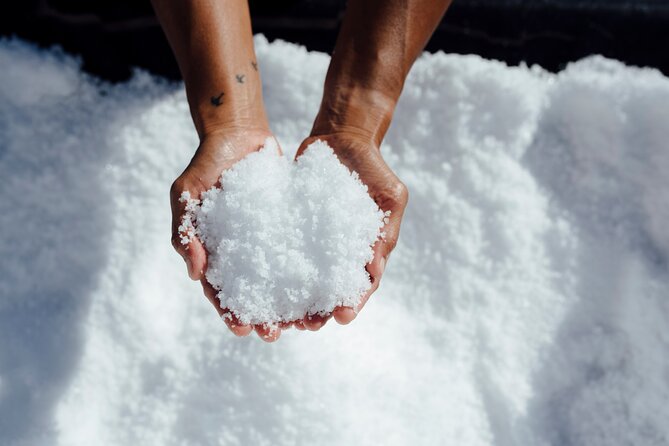
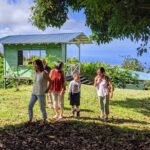
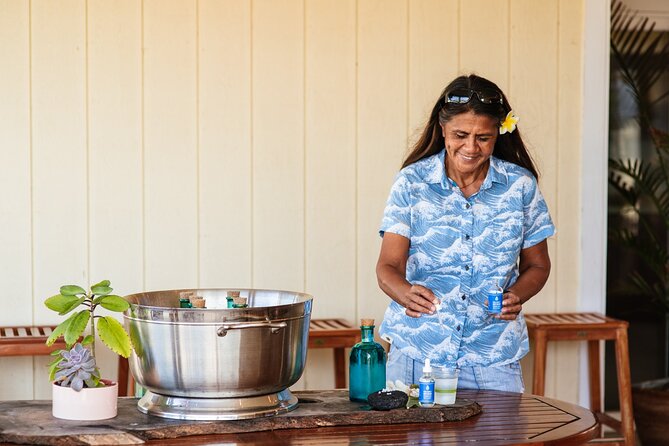
The tour is guided, and the guides clearly have a passion for more than the salt itself. Names that came up include Candee, Mari, and Ipolani, and people repeatedly praised how much they knew about the operation and the surrounding culture and ocean story.
A strong theme: the explanation connects traditional Hawaiian salt harvesting practices with the farm’s current process. Some visitors also noted the guide added extra context—things like ocean and local history, and even references to language or early Hawaiian culture.
That matters because it makes the tour feel grounded. You’re not just watching a production process; you’re learning where this practice fits into the island’s relationship with the ocean.
If you’re a question person
If you like to ask questions, you’ll likely enjoy this style. One review specifically called out that the guides could answer questions beyond the set tour structure. Just be ready to speak up early if the pace is fast for you.
Oceanfront setting: why the farm grounds feel worth the stop
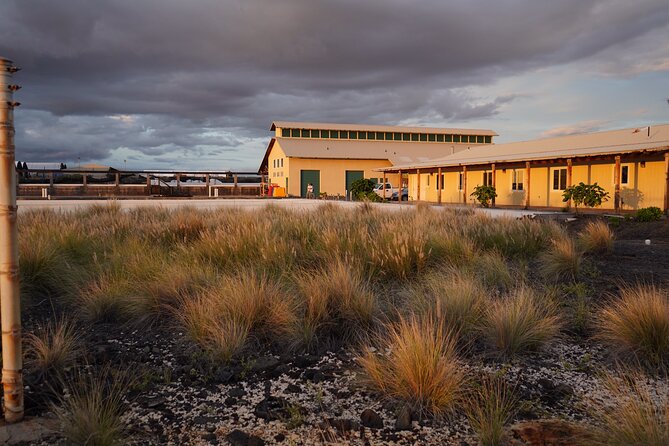
This is on a beautiful oceanfront site, and the farm grounds themselves are part of the experience. You’re walking around areas where salt is being handled, dried, and prepared, which makes the place feel active rather than staged.
People also mentioned the scenery and the feel of the location as a plus. That’s useful information for you: even if the topic sounds small, the setting keeps it visually interesting.
If you’re planning your day around views, this offers something different from cliff lookouts. It’s quieter, more focused, and you can actually see the product in progress.
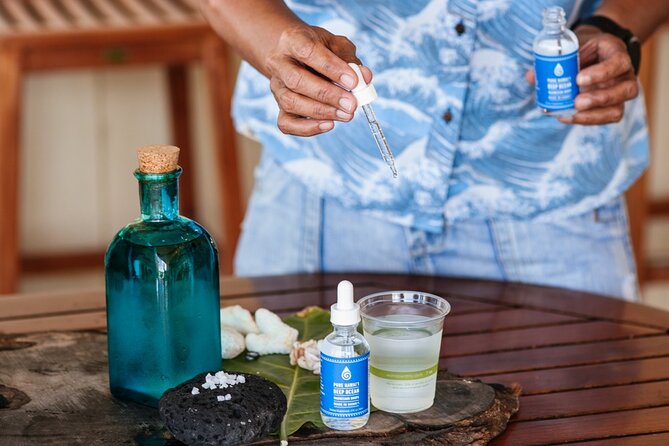
Optional add-on: the deep ocean foot soak
There is mention of a deep ocean foot soak as an add-on. Visitors who did it described it as extremely cold, but also refreshing and invigorating.
One review even mentioned getting a jar of magnesium to use in the water. If you’re interested in the mineral angle, this pairs neatly with the salt tour’s ocean-mineral theme.
My practical caution
Cold is the main feature here—plan for it. If you’re easily chilled, wear warm socks afterward and expect a wake-up-your-senses feeling.
Who this tour fits best on the Big Island
This works well for lots of travel styles. It’s a low-stress activity that isn’t described as strenuous, and it can be a good choice if you’re juggling family schedules or want something different from beaches and waterfalls.
Families appreciated it too, including kids around early teen ages. The tour also seems friendly for visitors with mobility needs; one person noted they saw someone using a walker enjoying the experience, and another mentioned the area was accessible with maybe only one small level change.
Foodies will like the tasting portion. And if you’re the type who likes learning how things work—how materials go from ocean to product—you’ll probably find the walk genuinely engaging.
Watch-outs: weather, pace, and tasting clarity
Two things to keep in mind so you don’t end up frustrated:
1) Weather matters. The tour requires good weather. If conditions aren’t right, you’ll be offered a different date or a full refund.
2) Ask for clarity early. A couple of comments pointed out that the guide can speak quickly, and one person said it wasn’t always clear which tasting options were from the farm. If you care about that detail, ask right away and confirm names.
On the positive side, the overall rating is very strong. It’s a small-group tour with a lot of repeat enthusiasm, so it’s usually a smooth experience.
Value check: is $27 worth it?
At $27 per person for about an hour, this is priced like a focused activity, not a pricey production. You’re paying for (1) access to a working oceanfront salt operation, (2) a guided walkthrough of the water source and harvesting stages, and (3) multiple salt samples at the end.
The value makes sense if you want a meaningful lesson that doesn’t eat half a day. It’s also easy to justify when you consider that you can bring home something specific: the salts you actually liked, instead of buying random souvenir items.
The strong recommendation rate and high overall rating also support the idea that most people feel it delivers what it promises—education plus tasting—without dragging on.
So should you book the Hawaiian Salt Farm Tour in Kona?
Book it if you want a different Big Island experience: a short, oceanfront, hands-on salt story with a tasting you’ll actually remember. It’s especially good if you like food learning, cultural context, or you’re looking for something that fits easily between bigger plans.
Skip it only if you know you hate guided walks with lots of explanation, or if you’re in a tight weather-dependent schedule. Otherwise, it’s a simple, solid way to spend an hour while you’re in Kona—and leave with a real sense of how salt becomes salt.
FAQ
How long is the Hawaiian Salt Farm Tour in Kona?
The tour is about 1 hour total. The guided portion is listed at around 45 minutes, with the experience ending back at the meeting point.
What does the tour cost?
It costs $27.00 per person.
Where is the meeting point?
You’ll meet at 73-907 Makako Bay Dr, Kailua-Kona, HI 96740, USA.
Is the tour offered in English?
Yes. The experience is offered in English.
How big is the group?
The tour has a maximum of 20 travelers.
Does it require good weather?
Yes. The experience requires good weather. If it’s canceled due to poor weather, you’ll be offered a different date or a full refund.
Can I cancel for a full refund?
Yes. You can cancel up to 24 hours in advance for a full refund. Canceling less than 24 hours before the start time won’t be refunded.
Is a mobile ticket used?
Yes, the tour uses a mobile ticket.
Are service animals allowed?
Yes, service animals are allowed.