REVIEW · BIG ISLAND OF HAWAII
Kona Tour: Bee Farm, Kona Coffee, and National Historical Parks
Book on Viator →Operated by Wasabi Tours Hawaii · Bookable on Viator
A beach of black rocks, and sweet honey. This is a 7-hour south-coast day on the Big Island that mixes history stops with real food tastings, from Honokohau Beach wildlife time to a bee farm and Kona coffee. It also helps that it runs as a small group of up to 12 travelers, with round-trip minivan pickup so you’re not juggling rides.
I especially love the hands-on feel of the Big Island Bees visit. You get to meet the beekeeper, see an open hive from a safe viewing area, and sample organic honey while learning why bees matter to the whole ecosystem. I also love that the end of the tour teaches Kona coffee like a craft, not a sales pitch—coffee plantation time in the cooler “coffee belt” mists gives you a clear look at growing, harvesting, processing, and roasting.
One drawback to consider: it’s a packed day with several walking sections and outdoor stops, so you’ll want closed-toe shoes and good energy management. And like any Hawaii nature day, wildlife sightings (turtles and monk seals) aren’t guaranteed.
In This Review
- Quick hits before you go
- A Small-Group Kona Day That Keeps the Driving Manageable
- Kaloko-Honokohau National Historical Park: Petroglyphs, Fishponds, and Sea Life on Black Rocks
- Honokohau Beach: where your wildlife timing matters
- A realistic consideration: petroglyph access can vary
- Pu’uhonua o Honaunau: The City of Refuge Walk
- How to get more out of it
- Bay View Farm Lunch Over Kealakekua Bay: More Than Just Food
- What makes this lunch stop valuable
- Drawback: it’s a long day, so pace yourself
- Kealakekua Bay: A Short Stop With Captain Cook Context
- Big Island Bees: Organic Honey Since 1972, Seen Up Close
- What I’d watch for while you’re there
- Is it a real farm?
- Kona Coffee in the “Coffee Belt”: From Orchard to Roasted Bean
- The best way to enjoy this ending
- Price and Logistics: When $198.17 Feels Like a Deal
- Who Should Book This Kona Tour (and Who Might Prefer Something Else)
- Should You Book This Kona Combo Tour?
- FAQ
- How long is the Kona Tour with bee farm, Kona coffee, and historical parks?
- What does the tour price include?
- How many people are on the tour?
- Is pickup available for cruise ship guests?
- What should I wear?
- Does the tour run in bad weather?
- Is there an age limit?
- How far in advance is this tour commonly booked?
Quick hits before you go
- Up to 12 travelers means more questions and a calmer pace than bigger tours
- Honokohau Beach wildlife time includes a good chance to spot turtles or monk seals
- City of refuge at Pu’uhonua o Honaunau is history you can walk through, not just read about
- Big Island Bees mixes a real operation (honey since 1972) with tasting and beekeeper stories
- Kona coffee in the mountain mists ends the day with a practical “how it’s made” lesson
- Picnic-style lunch plus snacks keep the whole day from feeling like a snack hunt
A Small-Group Kona Day That Keeps the Driving Manageable
The tour is built for comfort and flow. You start with hotel pickup in the Kona or Kohala area, and you ride in a minivan with a guide who handles the timing and gets you to each stop. The day is long enough to feel like an outing, but short enough that you’re not stuck in transit all day.
The small group size is a big deal here. With up to 12 travelers, your guide can slow down when someone asks about geology, religion, or why honey-making works the way it does. If you’re the type who likes to connect the dots—rocks to fishponds to farming—this format fits you.
From the guides named in past tour experiences, you’ll find a pattern: people praised guides like Derek, Oni Oni, Dreu, Kai, Kala, and Nick for adding extra explanation beyond the basic stop descriptions. Even without knowing which guide you’ll get, that kind of storytelling tends to make the day feel less like a checklist.
You can also read our reviews of more tours and experiences in Big Island of Hawaii.
Kaloko-Honokohau National Historical Park: Petroglyphs, Fishponds, and Sea Life on Black Rocks
This is one of those stops where the setting does half the work for you. Kaloko-Honokohau is tied to centuries of coastal life—settlements took advantage of what the shoreline provided, and you’ll hear about fishponds and seawalls along the beach.
You’ll walk around areas tied to sacred Hawaiian temples and hidden-looking petroglyph zones among the black rocks. It’s not a long hike, but it is outdoors, with uneven ground and the kind of “look closely” walking that makes a guided explanation worth it.
Honokohau Beach: where your wildlife timing matters
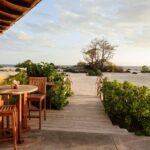
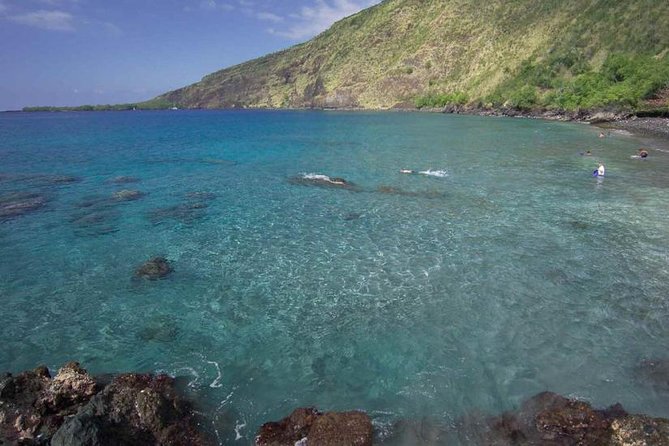
After the park walk, you reach the white-sand shoreline at Honokohau Beach. This is where the tour leans into nature watching. Look for green sea turtles surfacing for air, and keep an eye out for Hawaiian monk seals sunning near the shore.
A practical note: wildlife viewing is weather- and timing-dependent. If conditions aren’t perfect, you might not see much right away. Still, it’s a good beach moment to reset your brain and enjoy the coast for what it is.
A realistic consideration: petroglyph access can vary
On some days, on-site guidance can affect how directly you’re shown petroglyph locations. It’s worth going in with flexible expectations: you’ll get the story, and you may or may not catch every specific petroglyph marker from the vantage points you expect.
Pu’uhonua o Honaunau: The City of Refuge Walk
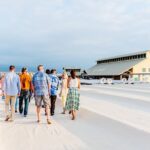
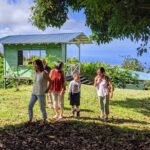
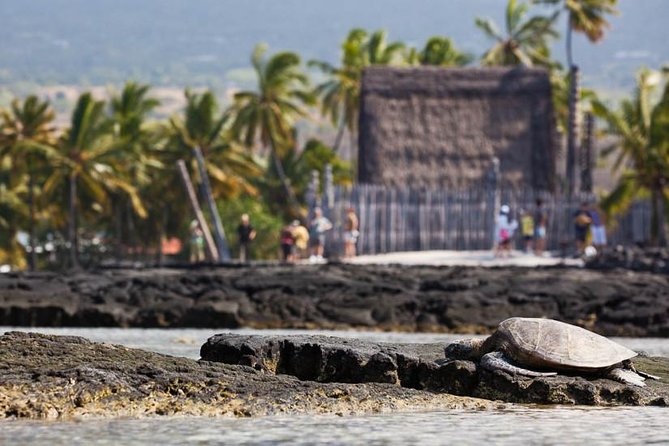
Next comes Pu’uhonua o Honaunau National Historic Park, and this stop has a different vibe: more grounded, more reflective. You do a guided walking tour, learning how this seaside place functioned as a city of refuge for people who broke an ancient kapu (law). The story centers on the idea that someone could seek absolution with the help of a priest.
What I like about this stop is that it isn’t just “here’s a landmark.” The layout matters. As you walk, you start to understand why a refuge on the coast would make sense—people could escape, find safety, and follow a path with a clear purpose.

How to get more out of it
Bring your attention, not just your phone. If you listen for how the guide explains daily life versus rules versus consequences, the place becomes easier to picture. It’s one of the best history stops on the route for turning facts into atmosphere.
Bay View Farm Lunch Over Kealakekua Bay: More Than Just Food
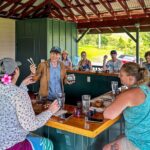
Then the day shifts into food and farming. You go to Bay View Farm for a walk through orchards and a look at how harvesting and milling work, plus a warm cup of Kona-grown coffee.
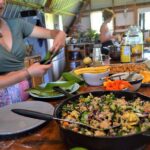
And yes, lunch is part of this stop. You’ll enjoy a picnic style lunch and snacks while overlooking Kealakekua Bay. This is where the tour earns its “worth it” reputation for many people: you’re not just eating on the move—you’re eating with a view and a short lesson that connects coffee to the land.
What makes this lunch stop valuable
- You learn the basic steps behind coffee production, before you ever reach the heavier coffee plantation teaching later in the day.
- You get a breather. With multiple stops before this, the picnic time helps you avoid that tour-day fatigue spiral.
- The coffee tasting here is warm and simple, so it works even if you’re not a hardcore coffee person.
Drawback: it’s a long day, so pace yourself
You’ll likely be hungry by this point. But don’t overdo it—after lunch you still have more driving and outdoor time. Aim for comfort, not an extra full belly that slows you down later.
Kealakekua Bay: A Short Stop With Captain Cook Context
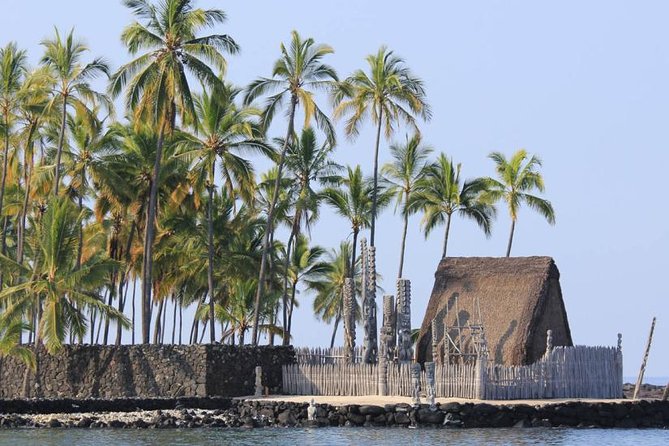
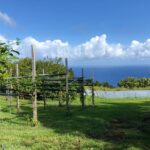
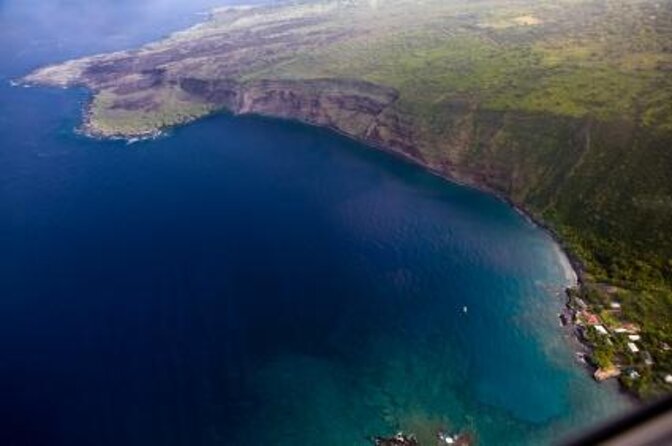
This is a scenic and story-based stop with a modest time window. You’ll take in the view of Kealakekua Bay, and you’ll hear the familiar story of Captain James Cook’s arrival there and what happened next.
Fifteen minutes might sound brief, but it works when the guide gives you just enough context so the coastline isn’t just pretty—it’s meaningful. If you’re the type who likes history set against geography, this stop is a good match.
Practical tip: have your camera ready before you step out. This is the kind of viewpoint you don’t want to rush while fiddling with settings.
Big Island Bees: Organic Honey Since 1972, Seen Up Close
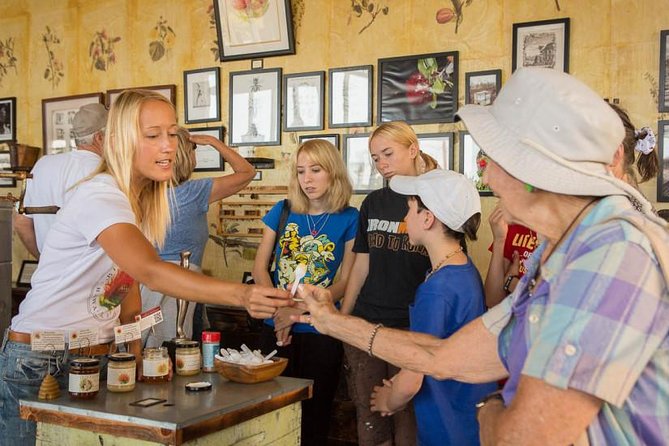
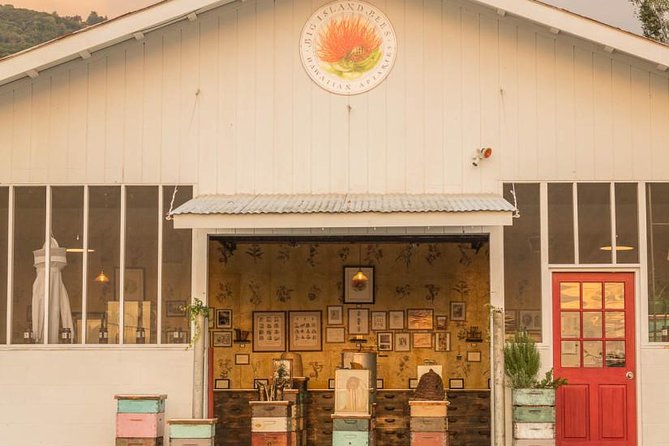
If honey is your thing, this part tends to win people over fast. You head farther along the west-facing coast to Big Island Bees, a farm producing organic honey since 1972.
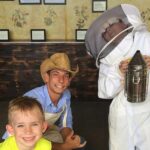
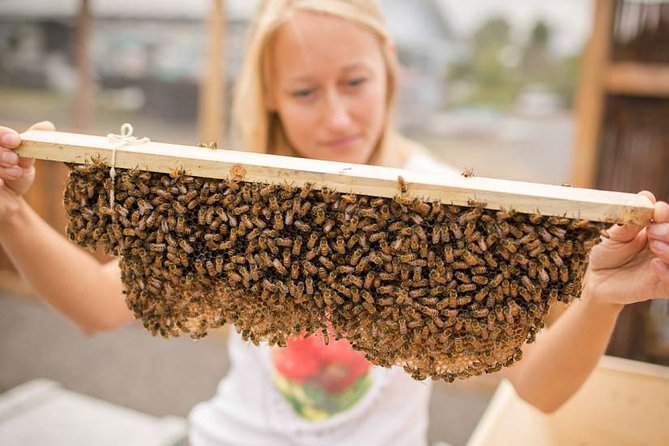
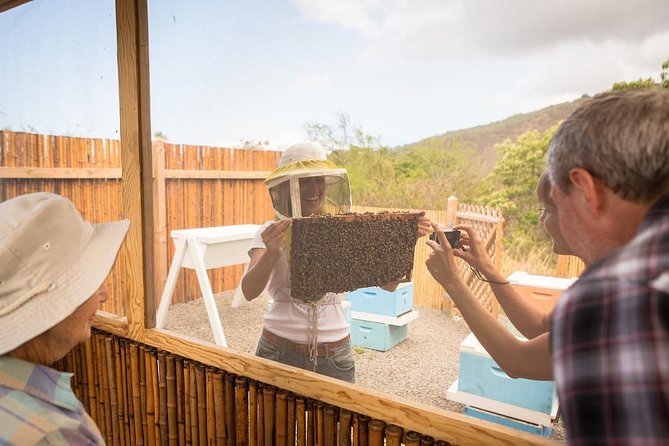
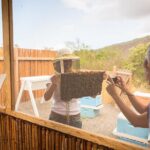
You meet with the beekeeper and get a presentation, then you see a hive up close from a protected viewing area. There’s a reason this works on a tour: you get the awe of watching bees doing their job without turning it into a risky, swarm-adjacent experience.
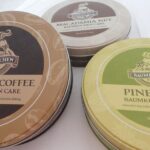
Then comes the best part—tasting. You sample the raw, organic honey, and you learn why bees are crucial for a functioning ecosystem, not just for honey jars.
What I’d watch for while you’re there
Listen carefully to the harvesting basics and the tools of the trade. Even if you don’t remember every detail, understanding the process makes the honey taste more interesting afterward. It stops being a novelty and becomes something you can explain to friends back home.
Is it a real farm?
The experience is presented as a working operation, but you should expect it to be tour-friendly. If you’re hoping for a behind-the-scenes look at every part of the operation, you might find the public viewing portion is what you’ll get most of the time. Still, the tasting and beekeeper teaching are the core value.
Kona Coffee in the “Coffee Belt”: From Orchard to Roasted Bean
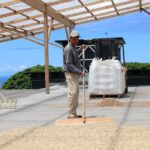
The day ends with the coffee lesson you actually want. You drive up toward the mountain area associated with the coffee belt, where conditions can feel cooler and mistier. Then you explore the orchards and learn the full chain of what it takes to produce Kona coffee—how beans grow, how harvesting works, how processing happens, and how roasting turns those beans into the flavors you recognize.
This is where you’ll get an education that sticks, because it’s connected to living plants and real farm steps. You’re not just hearing theory. You’re seeing how the farm works and tasting the result.
And yes, lunch is also on the farm at the end of the day, along with more Kona coffee. That means by the time you head back, you’re leaving with both stories and taste memories.
The best way to enjoy this ending
Go into it like a curious student. Ask questions when they come up about ripeness, harvesting timing, or why roasting choices matter. If you do that, the coffee stop stops feeling like a final pitch and starts feeling like a real craft workshop.
Price and Logistics: When $198.17 Feels Like a Deal
At about $198.17 per person for roughly 7 hours, the price can look steep until you break down what’s included. You’re getting round-trip hotel pickup by minivan, a professional guide, bottled water, picnic style lunch and snacks, plus honey and coffee tastings.
You also cover several major stops in one day—parks, coastal viewpoints, a honey farm visit, and a coffee plantation. If you tried to recreate this yourself, you’d burn time coordinating transport and paying admission one stop at a time. The small group size helps too, because it makes the guide’s explanations feel more personal.
Is it a perfect fit for every budget? No. But if you value variety—history, animals, and hands-on food learning in one outing—this is good value.
Who Should Book This Kona Tour (and Who Might Prefer Something Else)
This tour is ideal if you’re:
- A first-time visitor who wants a structured sampler of Kona-area culture and food
- A history fan who likes sacred sites and real context, not just photos
- A nature lover hoping to spot sea turtles and monk seals
- A food person who enjoys tastings with a real behind-the-scenes explanation
You might think twice if you:
- Hate long days. You’re out for about 7 hours and many moments are outdoors.
- Need guaranteed wildlife sightings. You can look, you can hope, but you can’t force it.
Also, it’s not a fit for little kids—children under 5 aren’t allowed.
Should You Book This Kona Combo Tour?
I’d book it if you want one ticket that ties together the best “Kona story” threads: coastal history at Kaloko and Honaunau, the nature side at Honokohau Beach, and the food education at a honey farm and Kona coffee plantation.
The biggest “yes” here is the balance. You get more than one kind of payoff—views, animals, and tastings—plus a guide who helps everything make sense. The main reason to skip would be if you prefer slow, single-theme days. This one is a full day, so come prepared and keep your pace realistic.
If you do book, wear closed-toe shoes, bring a light layer for mountain air, and plan to be curious during the guide talks. That’s when the tour turns from a checklist into a day you’ll actually remember.
FAQ
How long is the Kona Tour with bee farm, Kona coffee, and historical parks?
It runs about 7 hours.
What does the tour price include?
You get Kona and Kohala area hotel pickup and drop-off, bottled water, a picnic-style lunch and snacks, honey and coffee tastings, and a professional guide. Admissions for the stops are also included where noted.
How many people are on the tour?
The tour is limited to a maximum of 12 travelers.
Is pickup available for cruise ship guests?
Yes. Pickup can be arranged from Kona Pier, and the tour is described as suitable for cruise ship guests.
What should I wear?
Wear closed-toe shoes and summer attire.
Does the tour run in bad weather?
It operates in all weather conditions, and it requires good weather. If it’s canceled due to poor weather, you’ll be offered a different date or a full refund.
Is there an age limit?
Children under 5 years old are not allowed to participate.
How far in advance is this tour commonly booked?
On average, it’s booked about 96 days in advance.