REVIEW · CHIANG MAI
Chiang Mai: Authentic Cooking Class with Market & Farm Visit
Book on GetYourGuide →Operated by Grandma's Home Cooking School · Bookable on GetYourGuide
If you want Thai food lessons that feel human, go here. Grandma’s Home Cooking School turns a cooking class into a market-and-farm day, then hands you a workstation and walks you through real Thai dishes.
I especially love the market-to-kitchen ingredient focus. You learn what makes Thai flavors tick, from herbs and vegetables to sauces, before you cook at your own station.
One thing to consider: the van pickup is included only within 5 km of Chiang Mai’s city center, and the ride can feel tight at peak pickup times, so plan to travel light.
In This Review
- Key highlights worth your attention
- Why this cooking class feels more like family than a performance
- How the market tour makes you a better Thai cook
- Grandma’s organic farm: chickens, eggs, mushrooms, and herb smells
- Your cooking station: step-by-step, not guesswork
- What you’ll cook in each session (morning, afternoon, evening, full day)
- Morning and afternoon sessions
- Evening sessions
- Full-day session: the traditional coconut milk bonus
- The meal you eat is the point, and it’s a lot
- Dietary needs and substitutions: what’s possible
- Price and value: what $34 gets you here
- Transportation and timing: what to expect from the van ride
- Who should book this cooking class (and who might not love it)
- My practical tips so you get the most out of the day
- Should you book Grandma’s Home Cooking School in Chiang Mai?
- FAQ
- How long is the cooking class experience?
- Is pickup from my hotel included?
- Do I cook at my own station?
- Are the instructors English-speaking?
- What dishes will I make?
- Does the class include mango sticky rice?
- Is fresh coconut milk included?
- Can the class accommodate vegetarian or halal diets?
- Can they handle allergies or gluten-free needs?
- What should I bring, and are pets allowed?
Key highlights worth your attention
- Market tour built around Thai ingredients so you know what you’re actually buying later
- Grandma’s organic farm activities like feeding chickens, collecting fresh eggs, and a mushroom-hut hunt
- Hands-on cooking at your own station with step-by-step guidance and plenty of food
- Khao Soi attention as the Chiang Mai signature you’ll get to make (not just read about)
- Full-day coconut milk making the traditional way using a wooden grater
Why this cooking class feels more like family than a performance
At this school, cooking isn’t presented like a show. It’s presented like family practice. You start with people who explain what you’re looking at, then you cook with your hands, not just your phone.
The big reason this works is the structure. You get context (market and farm), then you get skills (knife work-light prep, curry paste technique, assembly), then you eat what you made. That flow sticks fast, even if you’ve never cooked Thai food before.
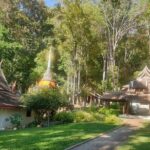
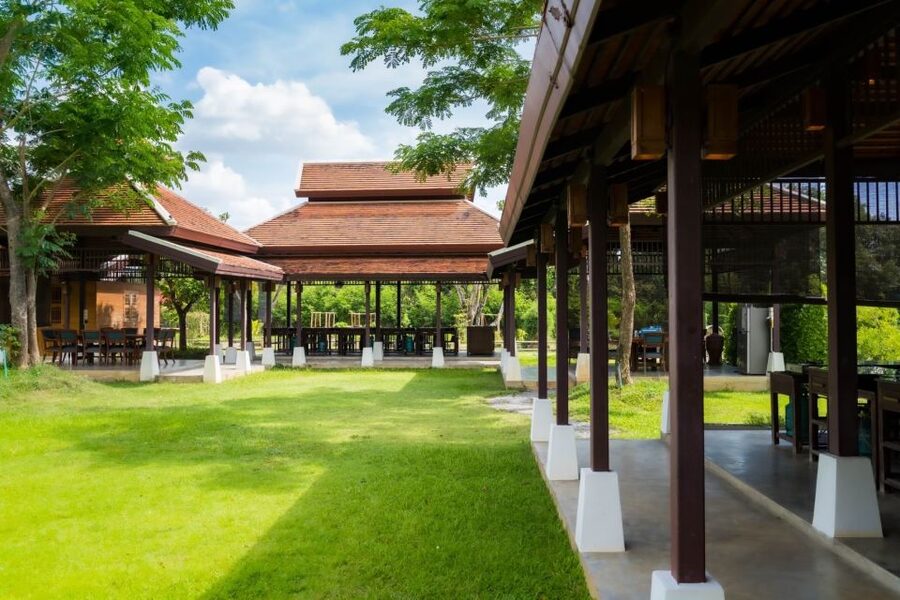
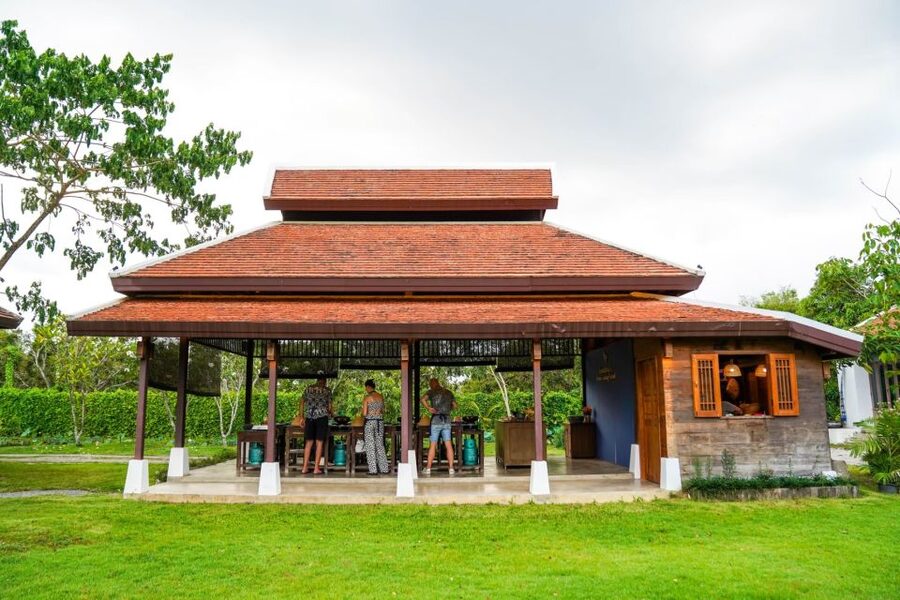
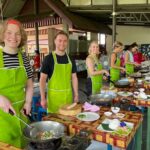
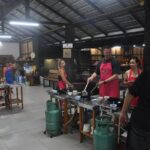
You’ll also notice the setting is part of the teaching. The open-air kitchen feels built for relaxed learning, and the farm portion gives you time to sniff herbs, spot produce, and understand what goes where. It’s hard to forget something you just harvested or watched being gathered.
You can also read our reviews of more tours and experiences in Chiang Mai.
How the market tour makes you a better Thai cook
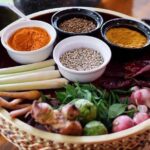
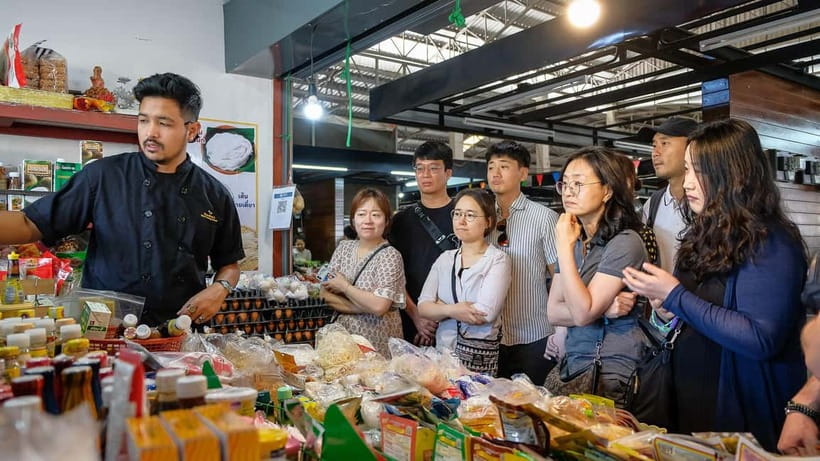
Depending on your session, your day begins at a local market. This isn’t a quick stroll where you get a few photos and disappear. The instructors guide you through ingredients that show up again and again in Thai cooking.
Here’s what this does for you in real terms: you start to recognize flavors by ingredient behavior. For example, herbs are not interchangeable. Chili and aromatics do different jobs. Even the way sauces and pastes are chosen changes the final dish.
In the best cases, you’ll come away with a mini mental map for Thai groceries: which herbs are essential, which ingredients are used for fragrance, and which ones are for body and balance. That makes restaurant ordering easier too, because you’ll know what you’re tasting.
Grandma’s organic farm: chickens, eggs, mushrooms, and herb smells
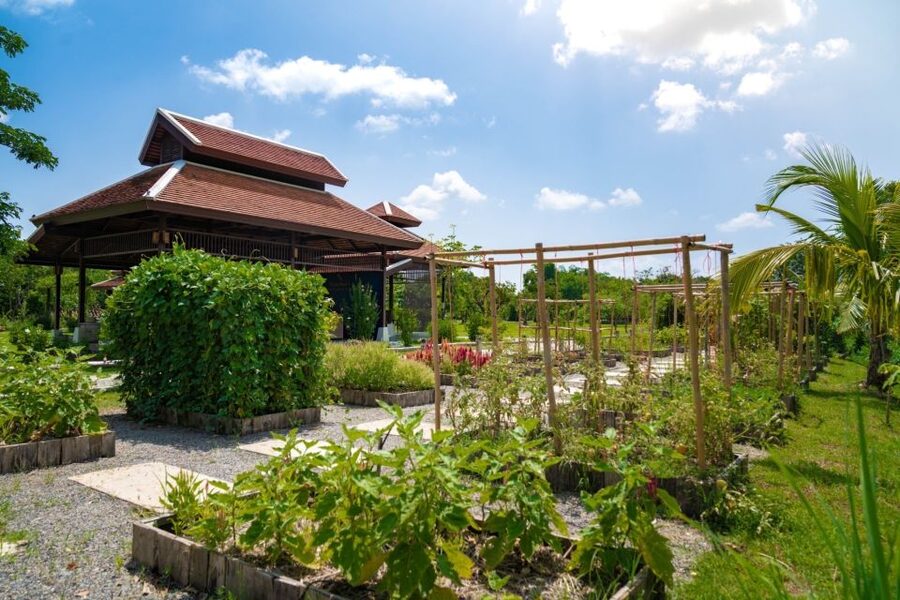
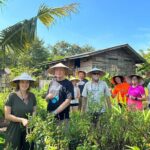
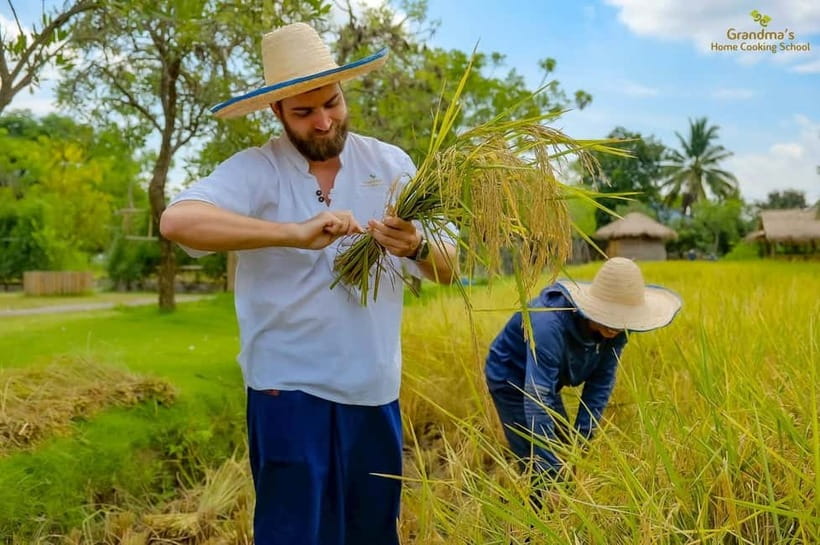
This is where the experience becomes memorable. At the farm, you’re in the countryside with rice fields nearby, and the pace slows just enough for the activities to feel real.
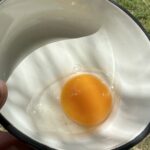
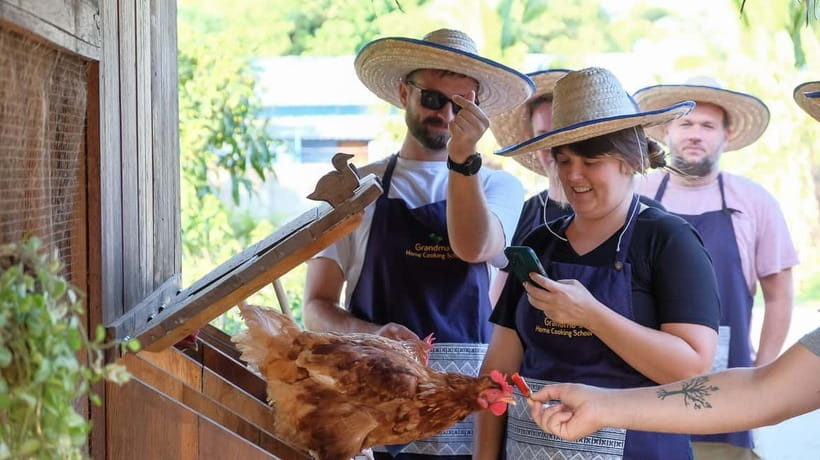
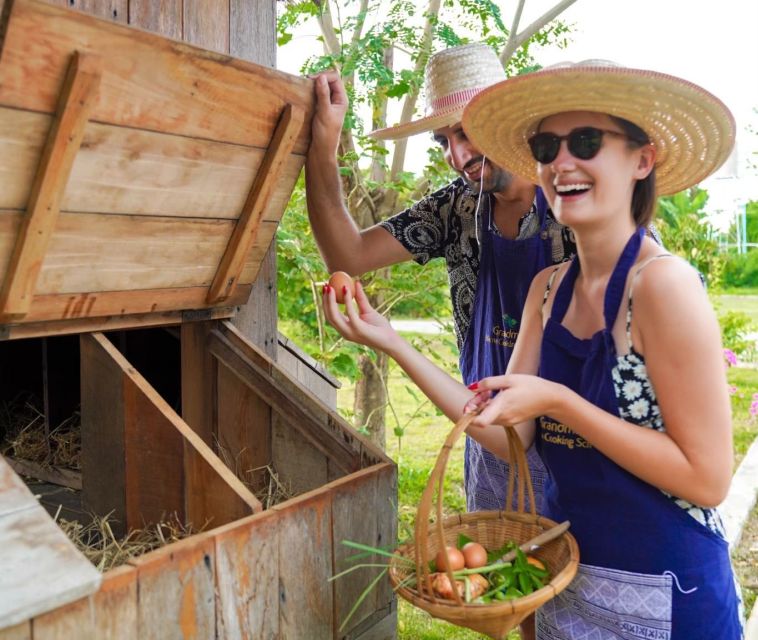
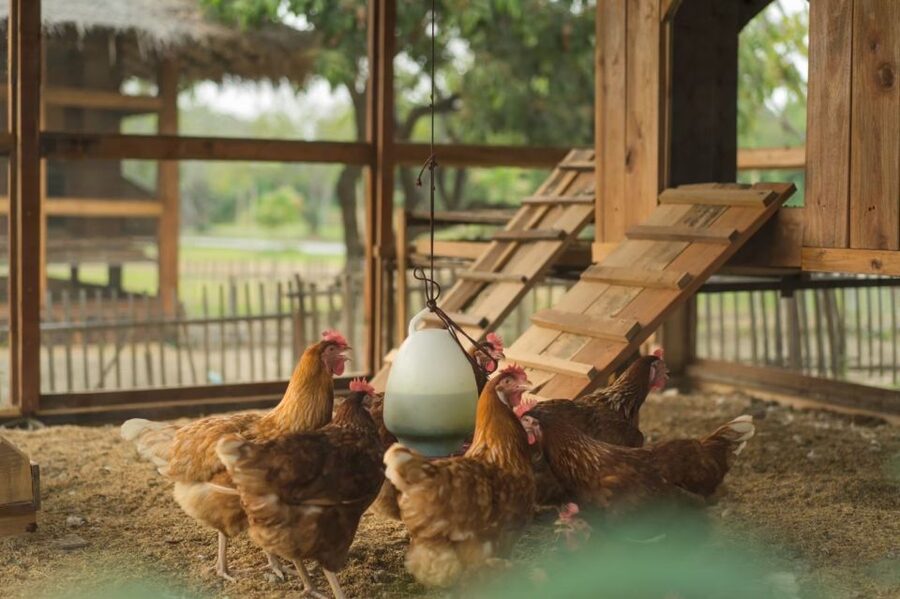
You’ll do the hands-on farm stuff first: feed chickens, collect fresh eggs, and get the chance to give the chickens a gentle hug if you want. That moment sounds silly until you do it, then it becomes the best icebreaker of the day.
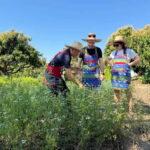
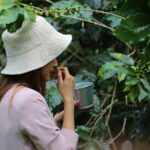
Then comes the ingredient part. You’ll pick mushrooms and learn about Thai herbs and vegetables, often with some harvesting depending on what’s ready. One unique element is the mushroom setup, including a mushroom hut you can explore while learning what you’re actually collecting.
Practical note: bring comfortable shoes. Even though it’s not a hiking ordeal, the farm walk is on uneven ground, and you’ll be standing and moving for a while.
Your cooking station: step-by-step, not guesswork
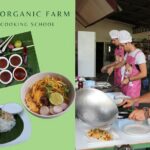
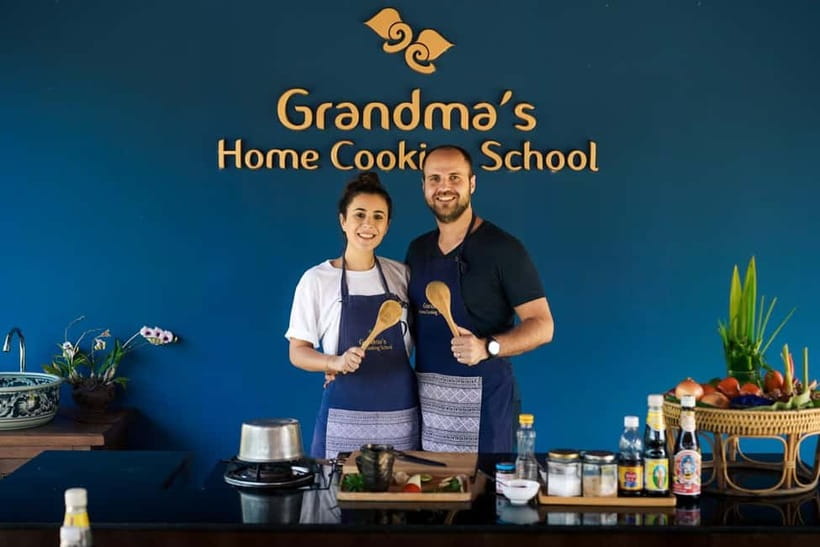
Once you’re back in the kitchen area, the teaching shifts from observation to action. You cook at your own station, which matters. It means you’re not waiting for someone else to finish so you can ask what the next step is.
The class is guided in English. You’ll follow steps for several Thai classics, and you’ll learn how to build flavor the Thai way. In many sessions, that includes making curry paste using a mortar and pestle, because grinding fresh aromatics changes the aroma and taste in a way pre-made paste can’t fully match.
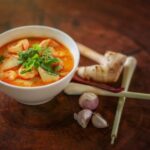
A signature you should plan around is Khao Soi—the Chiang Mai curry noodle soup. It’s often treated as a highlight, and you’ll get to make it as part of the menu rotation.
Depending on your choices, you may cook dishes like Pad Thai, Pad Kra Prao, Green Curry, Red Curry, Panang, Tom Yum, Tom Kha, Som Tam, and spring rolls. At the start, each guest chooses their menu before cooking begins, which helps you tailor the day to what you actually want to eat.
What you’ll cook in each session (morning, afternoon, evening, full day)
The core experience stays consistent—market and/or farm, cooking at your station, and a shared meal. What changes is the balance of time and the dessert and technique highlights.

Morning and afternoon sessions
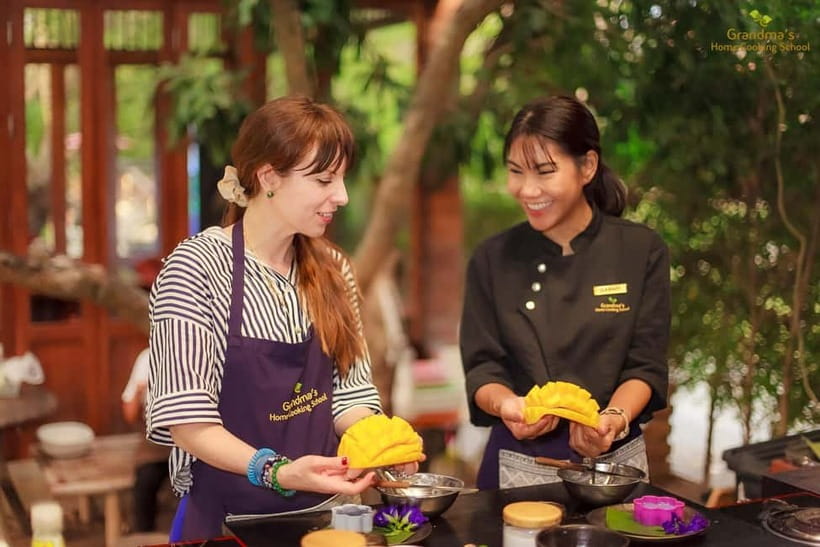
In morning and afternoon classes, you’ll typically focus on learning ingredients and cooking a solid set of dishes, then you end with mango sticky rice as a dessert.
These shorter sessions are also a good choice if you want Chiang Mai flavors without committing the whole day to the farm side. You still get hands-on cooking, but you’re less likely to feel like you’ve been outdoors all afternoon.
Evening sessions
Evening classes often work well because you get to cook and eat the results without losing the whole day to travel. Some people describe the vibe of cooking as extra special when the light shifts and the outdoor kitchen feels calm.
Evening sessions still include mango sticky rice taught as part of the cooking, so you’re not missing the dessert learning piece.
Full-day session: the traditional coconut milk bonus
The full day adds more time at the organic farm and includes extra technique. The big one is making fresh coconut milk the traditional way using a wooden grater.
If you love Thai curries, this is the technique to care about. Coconut milk is not just a creamy ingredient—it affects richness, texture, and how the curry paste behaves in the pan. Making it yourself is the fastest way to understand why some curries taste deeper even when the paste looks similar.
Full-day guests also get hands-on mango sticky rice taught as part of the session, plus the most time for farm activities.
The meal you eat is the point, and it’s a lot
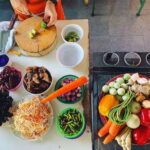
This class isn’t built for a tiny tasting plate. You cook multiple dishes, then you sit down and share the feast you created—fresh air, laughter, and the payoff meal that tells you your effort worked.
The portion sizes tend to surprise people. A common tip is to not eat beforehand, because you’ll generate quite a bit of food through the day. With a full-day session especially, you may leave feeling like you could sleep for a week.
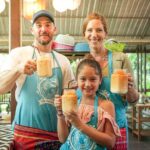
There’s also a nice touch that helps you relax while you cook: you get a welcome drink (Thai milk tea, Thai lemon tea, or butterfly pea flower tea), plus an herbal drink during the class, and unlimited drinking water throughout.
Dietary needs and substitutions: what’s possible
Thai cooking can be tough if you assume every ingredient must stay fixed. This school is set up to handle adjustments when you tell them in advance.
Vegetarian and halal options are available if you communicate before class. Gluten-free and allergy needs can be accommodated too. In at least one recent gluten intolerance case, the team handled it by providing gluten-free soy sauce and oyster sauce.
So the practical move: send your needs clearly before you arrive. Then trust the instructors to adapt within your menu choices and the ingredients they’re using that day.
Price and value: what $34 gets you here
At $34 per person, this feels like a deal because you’re paying for more than cooking instruction. You’re paying for transport, ingredient learning, farm activities, and the meal at the end.
What makes the value stand out is the combination:
- Hotel pickup and drop-off by air-conditioned van within 5 km of the city center
- A market tour (for sessions that include it)
- Farm tour and activities like eggs and mushrooms
- Hands-on cooking at your own station
- Digital recipe e-book afterward, so your skills don’t vanish after the meal
- Drinks and unlimited water during the day
Most cooking classes focus only on cooking. This one adds the why behind the flavors, which is what helps you repeat the dishes at home instead of only remembering that they tasted great.
Transportation and timing: what to expect from the van ride
Pickup is included within 5 km of Chiang Mai’s city center. You wait at your hotel lobby, and pickup times depend on the session. The information you’ll be given includes a typical pickup window around 3:30 PM to 4:00 PM for the relevant slot, and you’ll return to your hotel after.
Transport is generally highly rated. One consideration is that if the pickup list is busy, the van can feel a bit snug. Not a deal-breaker, just a heads-up if you’re tall or sensitive to crowded seating.
Also, if your hotel is outside the pickup area, you’ll either meet at a nearby point or pay a small extra charge. If this matters to you, choose a hotel close to the city center to keep things simple.
Who should book this cooking class (and who might not love it)
This works best if you:
- want Thai cooking that teaches ingredients and technique, not just a recipe list
- love hands-on experiences like eggs, chickens, and picking produce
- want a class in English with clear step-by-step support
- need dietary adjustments and want a team that will work with them
It can also be a strong family choice. Children under 10 join with their parents, but they won’t have their own cooking station unless booked as an adult-priced participant.
If you hate getting outside and moving around for farm activities, consider a shorter session option. But if you’re okay with some walking and standing, the farm portion is usually the part people remember most.
My practical tips so you get the most out of the day
- Wear comfortable shoes and plan for farm ground, not just kitchen tiles.
- Bring a sun hat for outdoor portions, especially if your session includes more time on the farm.
- Don’t overeat beforehand. The class can leave you very full after cooking and sharing multiple dishes.
- If you have dietary needs, tell them early so adjustments can be made before ingredients hit your station.
- If you get a digital recipe e-book, save it to your phone or email right away so it’s easy to use after you get home.
Should you book Grandma’s Home Cooking School in Chiang Mai?
Yes, if you want a Thai cooking class that teaches the logic behind the food. The market-to-farm-to-kitchen flow turns Thai cooking into something you understand, not just something you copy.
Book it especially if:
- you’re curious about Chiang Mai staples like Khao Soi
- you’d like to learn curry paste technique with a mortar and pestle
- you want the full-day option for traditional coconut milk making
- you appreciate a well-organized small-class setup with your own cooking station
Skip or rethink if you want only a quick cooking session with minimal outdoor time. Otherwise, this is one of those Chiang Mai experiences where you leave with recipes, a new sense of Thai ingredients, and a meal that tastes like effort paid off.
FAQ
How long is the cooking class experience?
The experience ranges from about 210 minutes to a full-day length of up to 7 hours, depending on which session you choose.
Is pickup from my hotel included?
Pickup and drop-off are included by air-conditioned van for hotels within 5 km of Chiang Mai’s city center.
Do I cook at my own station?
Yes. You cook at your own cooking station with step-by-step guidance.
Are the instructors English-speaking?
Yes, the instructor is English-speaking.
What dishes will I make?
The menu can include Thai classics such as Pad Thai, Pad Kra Prao, Green Curry, Red Curry, Panang, Tom Yum, Tom Kha, Som Tam, and spring rolls. Khao Soi is highlighted as a Chiang Mai signature.
Does the class include mango sticky rice?
Mango sticky rice is served in the morning and afternoon classes. In full day and evening sessions, it is taught as part of the cooking.
Is fresh coconut milk included?
Fresh coconut milk preparation is included as a full-day option only, using a traditional coconut grater.
Can the class accommodate vegetarian or halal diets?
Yes. Vegetarian and Halal options are available if you tell the team before the class starts.
Can they handle allergies or gluten-free needs?
Yes. If you have gluten-free needs, allergies, or other restrictions, let them know before the class starts so they can adjust ingredients.
What should I bring, and are pets allowed?
Wear comfortable shoes and bring a sun hat. Pets are not allowed.