REVIEW · CHIANG MAI
Evening Cooking Class in Organic Farm with Local Market Tour
Book on Viator →Operated by The Best Thai Cookery School · Bookable on Viator
Thai cooking turns fun fast.
What I like about this evening class is the recipe-to-real-life flow: you shop, you cook, then you eat at the farm. You’ll visit Somphet Market first, then head to an organic farm where a professional teacher (chef Perm is mentioned often) guides you at your own station. One thing to consider: it’s a 3:30 pm start, so you’ll want to plan an easy late-afternoon buffer before you go.
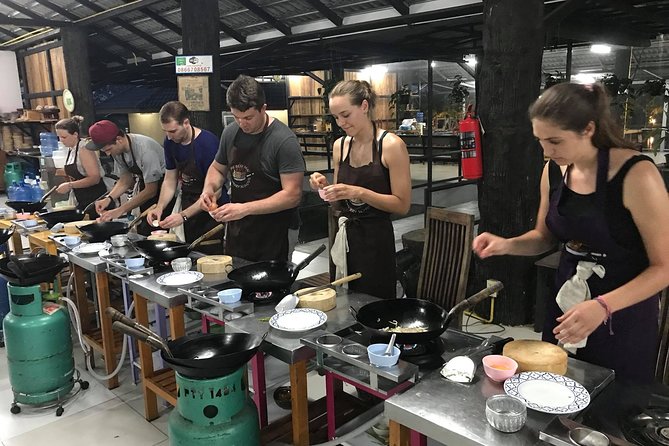
Two specific wins stand out for me. First, the setup gives you individual cooking stations, so you’re not just watching. Second, you’re cooking a full mix of Thai favorites—curry paste basics plus dishes like papaya salad and mango sticky rice—then sitting down to eat what you made. The only drawback is that this format is most enjoyable when you’re ready to be hands-on; if you want a purely observational experience, the pace may feel like a lot.
In This Review
- Key points to know before you go
- A 3:30 pm Chiang Mai plan that doesn’t waste your evening
- Somphet Market: choosing ingredients you’ll actually use
- The organic farm kitchen: your own station makes a difference
- Cooking curry paste basics and learning the rhythm of Thai flavors
- The hands-on menu: six dishes, including the papaya salad and mango sticky rice moment
- The meal: eating what you cooked (and why it’s better than samples)
- Transfers, timing, and keeping your evening stress-free
- Price and value: how $29 stacks up for this kind of class
- Who should book this Thai cooking class?
- Should you book it? My quick decision guide
- FAQ
- What time does the evening cooking class start?
- How long is the experience?
- How much does it cost?
- Does the tour include hotel pickup and drop-off?
- Is there a market stop before the cooking starts?
- What cooking skills or dishes will I learn?
- Will I eat what I cook?
- How big is the group?
- Is a mobile ticket used?
- Can I cancel for a full refund?
Key points to know before you go
- Hotel pickup and round-trip transfers save you from negotiating transport at night.
- Somphet Market gives you ingredient context before you touch a knife or mortar.
- Organic farm sourcing means you’ll hand-pick items used in class.
- Chef Perm’s style is repeatedly described as funny and engaging, which keeps the energy up.
- You cook six dishes and then eat them as dinner—no waiting around for samples.
- Small group size (max 10) keeps the class from turning into a crowded demo.
A 3:30 pm Chiang Mai plan that doesn’t waste your evening
This is the kind of tour that makes sense when you want something real to do after a day of temples and street food. The start time is 3:30 pm, and the whole experience runs about 5 hours. That timing is handy: you’ll learn and cook while the day cools off, then eat dinner right when you’d normally be hunting for food anyway.
The format also reduces stress. You’re not trying to fit two separate activities—market browsing and cooking—into your itinerary. The tour handles the flow, and you’re returned to your hotel afterward, so you can keep your evening open for a night market stroll or an early night.
For value, I like that the tour includes the meal element: you’re not paying for a ticket and then hoping you’ll find dinner. You cook, you eat, and the food is part of the experience.
You can also read our reviews of more tours and experiences in Chiang Mai.
Somphet Market: choosing ingredients you’ll actually use
The market stop is Somphet Market, and you’ll spend about 30 minutes there. That short window sounds quick, but it’s built for the task at hand: you’re there to recognize ingredients, understand what they smell like, and connect them to Thai cooking steps.
What makes this market visit more than a quick walk is the way the class uses it. In most Thai cooking classes, the ingredients can feel generic once you get to the kitchen. Here, you’re meant to leave the market with a mental checklist—herbs, produce, and common aromatics you’ll encounter again at the farm.
If you enjoy hands-on travel—sniffing herbs, noticing how foods are sold, and watching how people shop—this stop clicks. It’s also a nice way to get oriented to northern Thailand flavors without doing a full, all-day market tour.
One practical consideration: a 30-minute market stop means you’ll want to focus. Don’t get lost drifting between stalls. Use that time to spot the ingredients you’ll cook with later.
The organic farm kitchen: your own station makes a difference
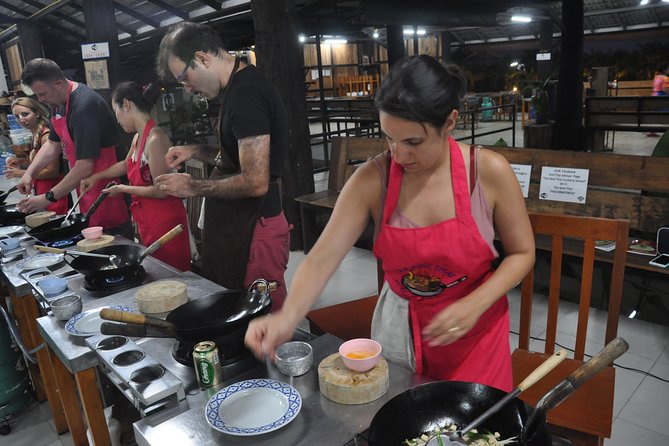
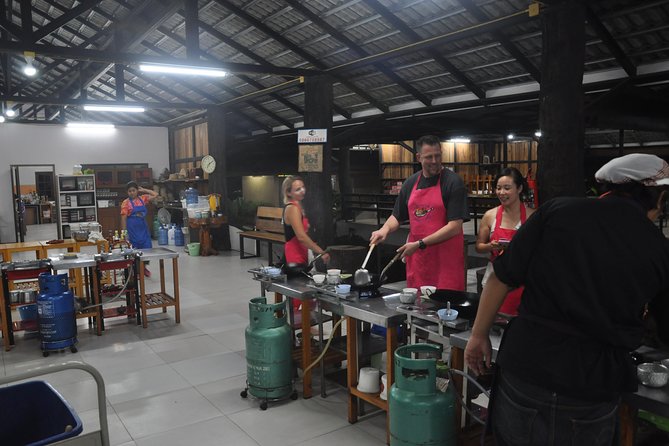
After the market, you head out to a farm area a short drive from Chiang Mai. The key word here is training setup. You get your own cooking station, and that’s huge for learning. In many classes, one person chops while everyone else watches. This one is designed so you can do the steps yourself.
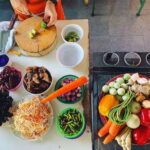
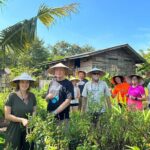
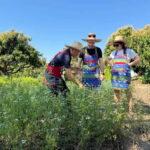
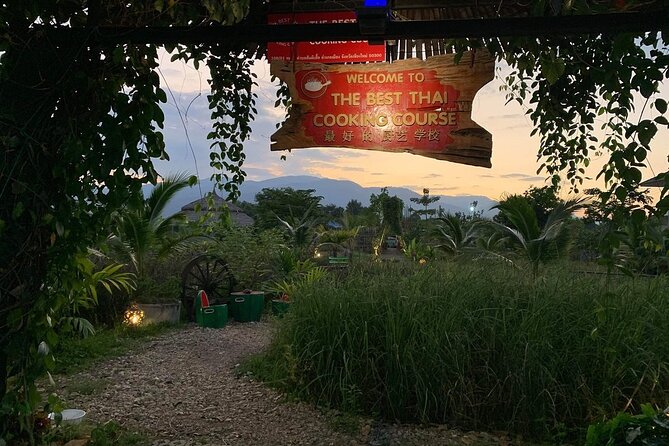
At the farm, the experience is built around organic farming. You’ll hand-pick fresh ingredients tied to the dishes you’ll cook. Even if you don’t remember every name, that process helps you understand why Thai cooking tastes the way it does. You’re not just following instructions; you’re building a connection between ingredient quality and flavor.
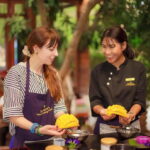
Another detail that matters: the class is taught by a professional teacher, and chef Perm is highlighted in the experience. The tone described around him is energetic—jokes, laughs, and a friendly pace. That matters when you’re cooking something new. Nervous cooking kills fun. A teacher who keeps it light helps you stay focused and actually enjoy the mess.
Cooking curry paste basics and learning the rhythm of Thai flavors
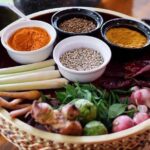
The cooking portion is where you’ll feel the biggest payoff. The class covers how to make authentic curry paste from scratch. Even if you’ve had curry before, making the paste is where the “aha” usually happens: Thai curry flavor starts with the blend of aromatics and spices, not the final sauce alone.
You’re taught through hands-on steps, and you’ll be cooking through a plan that includes six dishes total. Along the way, you’ll also see a cooking demonstration featuring favorites like papaya salad and mango sticky rice—so even before you finish your own dishes, you’ll understand how the finished plates should look and taste.
I like that this course doesn’t stop at one dish. Six dishes give you a broader toolkit:
- You get at least one paste-based workflow.
- You learn how salad-style flavors balance sour, sweet, and heat.
- You taste a Thai dessert staple through mango sticky rice.
If your goal is to cook Thai food after you get home, paste-making and balancing flavors are the two skills that travel best. You can’t always recreate a Thai market, but you can replicate the flavor logic.
The hands-on menu: six dishes, including the papaya salad and mango sticky rice moment
The class menu includes a mix of savory and sweet that’s typical of Thai meals. A demonstration highlights papaya salad and mango sticky rice, and you’ll also create multiple dishes during your hands-on time.
Here’s why that menu pairing works so well for first-timers:
- Papaya salad teaches you balance. It’s not only spicy; it’s also about tang and sweetness.
- Mango sticky rice is forgiving and fun. It’s a dessert you can understand even if you’ve never cooked Thai desserts before.
- Curry paste gives you a foundation you can reuse for other dishes later.
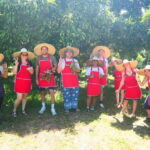
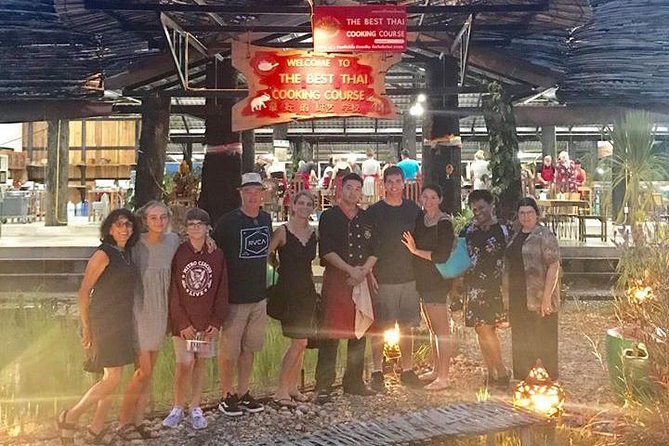
The experience also includes group bonding touches. There’s a group picture, which sounds small, but it fits the vibe of a small class—especially when you’re doing messy cooking at a friendly pace.
One more practical point: this is an evening activity, so come with a light plan. If you head in after a long, satisfying lunch, you’ll still eat, but you might not feel the same “I’m so full and happy” effect people describe. If you come a bit hungry, the whole course feels more rewarding.


The meal: eating what you cooked (and why it’s better than samples)
After class, you don’t just taste a few bites and rush off. You sit down and eat what you cooked. That might sound obvious, but it’s the part that often makes the experience feel complete.
Cooking classes can become awkward: you work hard, then you’re handed tiny portions and told to go. Here, the design is straightforward—you make dinner. That’s why the experience works as a value deal. You’re paying for instruction plus ingredients plus the meal outcome.
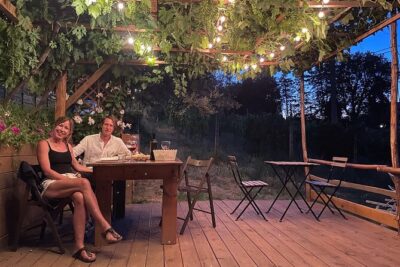
I also like that this happens at the farm setting. The atmosphere tends to feel less like a restaurant meal and more like a real, shared cooking moment. It’s the kind of dinner that feels connected to the learning, not separate from it.
Transfers, timing, and keeping your evening stress-free
Transportation is included, and that’s a major reason this tour is popular. You get round-trip hotel transfers, which means you don’t have to figure out rides after 5 pm or worry about delays on the way out to the farm.
The class starts at 3:30 pm, and you’re picked up from your hotel. The drive to the market and then to the farm is part of the tour, so you’re not managing a separate schedule.
A small group size helps too. The maximum is 10 travelers, which usually means:
- You get more direct help if you’re unsure about a step.
- The class doesn’t feel like a factory line.
- The teacher can keep an eye on everyone’s cooking progress.
One consideration: because it’s a coordinated pickup and transfer, you’ll want to be ready on time. If you’re the type who loves to wander at the last second before leaving, set a timer and give yourself a little extra buffer.
Price and value: how $29 stacks up for this kind of class
At $29 for about 5 hours, this is priced like a budget-friendly cooking class with built-in extras. The value isn’t only the cooking. It’s the combination:
- Market visit included (you’re not paying extra to understand ingredients).
- Organic farm ingredient picking (you’re experiencing sourcing, not just cooking).
- Individual stations (teaches actively instead of passively).
- Six dishes + dinner (you’re eating what you made).
- Round-trip hotel transfers (you’re not paying for transport separately).
When you look at it like that, the price feels less like a “cheap class” and more like a practical way to get a full evening activity that doubles as a meal.
If you’d normally pay for a guided market visit and then buy dinner separately, you’re likely to spend more than this. Also, learning curry paste and learning Thai flavor balance is the kind of skill that pays off beyond one meal.
Who should book this Thai cooking class?
This experience fits best if you want more than watching someone cook. It’s ideal for:
- First-timers who want a structured intro to Thai flavors (curry paste is a great anchor).
- Food travelers who enjoy markets and want ingredient context.
- People who like small-group activities and don’t want a huge tour herd.
- Anyone who wants a guided evening with a clear start time and included transport.
It’s also a good choice when you’re trying to make Chiang Mai feel authentic without getting too complicated. You’re not just eating street food for hours; you’re learning how dishes come together from the start.
If you’re traveling with a group or family, small group size can be a plus—just keep in mind this is a hands-on class, so everyone should be comfortable participating.
Should you book it? My quick decision guide
Book this class if you want a hands-on Thai cooking evening with real instruction, plus dinner you helped make. The combination of market context, organic farm sourcing, and individual stations makes it feel like a complete lesson, not a quick demo.
I’d skip or rethink it only if you prefer a mostly observational experience, or if you strongly dislike market walking and want straight-to-kitchen cooking. Otherwise, this is a very efficient way to learn Thai cooking while staying relaxed—hotel pickup, short farm drive, then a full sit-down meal.
If you want one cooking class in Chiang Mai that gives you skills you can use again, this is the one to target.
FAQ
What time does the evening cooking class start?
The start time is 3:30 pm.
How long is the experience?
It’s about 5 hours.
How much does it cost?
The price is $29.
Does the tour include hotel pickup and drop-off?
Yes. Round-trip hotel transfers are included.
Is there a market stop before the cooking starts?
Yes. You visit Somphet Market for about 30 minutes.
What cooking skills or dishes will I learn?
You’ll learn to make curry paste and create six dishes, with a demonstration that includes papaya salad and mango sticky rice.
Will I eat what I cook?
Yes. You sit down to dine after the class and eat what you cooked.
How big is the group?
The maximum group size is 10 travelers.
Is a mobile ticket used?
Yes, you’ll receive a mobile ticket.
Can I cancel for a full refund?
Free cancellation is available up to 24 hours before the experience starts for a full refund.