REVIEW · CHIANG MAI
Chiang Mai: Cooking Class with Organic Farm at Mama Noi
Book on GetYourGuide →Operated by Mama Noi Cookery School · Bookable on GetYourGuide
Thai cooking begins with what you harvest. At Mama Noi, you get the full market-to-kitchen story: start by picking ingredients, then cook with veggies from the school’s organic farm. I love that you do real hands-on cooking, not just watching, and that the ingredients have a clear source behind them.
One thing to consider: the class runs on an efficient 4-hour flow, with set dish choices and quick station swaps, so it can feel a bit rushed if you want slow, lecture-heavy theory.
In This Review
- Key points before you go
- Why Mama Noi’s Thai class feels different in Chiang Mai
- The 4-hour rhythm (and why timing matters)
- Hotel pickup and the local-transport vibe
- Local market visit: your ingredient hunt
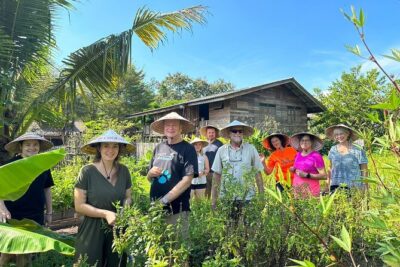
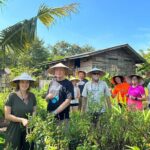
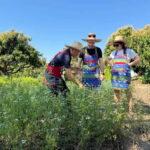
- Mama Noi organic garden: herbs you can name (and use)
- Cooking class in the kitchen: choose, chop, and finish
- How the menu works
- What you’re actually learning
- Spiciness and pacing
- Dietary needs
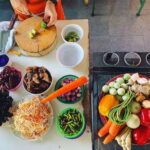
- The meal you make: sit down and taste your work
- Take-home cookbook and certification: what you get after class
- Price and value: is $32 worth it?
- Who should book Mama Noi (and who might not love it)
- Should you book Mama Noi Cookery School?
- FAQ
- How long is the Mama Noi cooking class?
- What’s included in the price?
- Is alcohol included?
- Can non-participating visitors join the market and meal?
- What age is this class suitable for?
- What do I take home after the class?
Key points before you go
- Market ingredient picking in a local setting, not just a quick photo stop
- Organic garden walk where you learn how herbs and vegetables are grown and used
- Hands-on cooking of five dishes with an English-speaking instructor at your station
- Small-group attention, with assistants moving fast to keep the kitchen moving
- Pick-your-menu format, so you’re not stuck cooking something you don’t want
- Take-home rewards: a cookbook recipe booklet and a certification
Why Mama Noi’s Thai class feels different in Chiang Mai
There are a lot of cooking classes in Chiang Mai. What makes Mama Noi stand out is the way they connect your meal to the ingredients before you ever touch a knife.
You start with a local market visit, where you get to see what you’ll be using and (importantly) pick ingredients yourself. Then you head to the school’s own organic garden. This is not just a cute add-on. They use vegetables grown in Mama Noi’s organic garden extensively in the farm’s and cooking school’s menus, so the flavor story stays consistent from start to finish.
And when you finally get to the kitchen, you’re not stuck doing one dish while someone else does the rest. The class is designed so you make and prepare five authentic dishes from scratch. Reviews keep circling back to how organized and responsive the kitchen team is, with assistants clearing and resetting quickly so you can keep cooking.
You can also read our reviews of more tours and experiences in Chiang Mai.
The 4-hour rhythm (and why timing matters)
The experience is listed as 4 hours total, including hotel pickup and drop-off from Chiang Mai city area. In practice, that means you’re moving through three phases—market, garden, kitchen—and you’ll want to treat it like a real half-day plan, not an easy stroll.
Here’s the practical mindset to bring:
- Eat normally before you go, but don’t go overboard. You’ll likely get a lot of food at the end.
- Be ready to chop, stir, taste, and learn in fast segments.
- Ask questions as you go. The best learning happens when you catch little technique points while you’re actively cooking.
If your schedule is tight, the duration can be a plus. If you’re the type who likes deep, slow explanations with lots of downtime, you might find the pace better for action than for sitting and absorbing.
Hotel pickup and the local-transport vibe
Pickup and drop-off are included for hotels in the Chiang Mai city area, with a local driver handling transport. That matters more than it sounds. Chiang Mai can be unpredictable for where you end up versus where you planned to go, and you don’t want your day to hinge on timing a Grab ride.
A small note from what people highlight repeatedly: the experience feels well-run from the first minute. One reason you’ll see lots of praise is that you’re not left guessing what’s next. You’re collected, directed, and kept in the loop.
Local market visit: your ingredient hunt
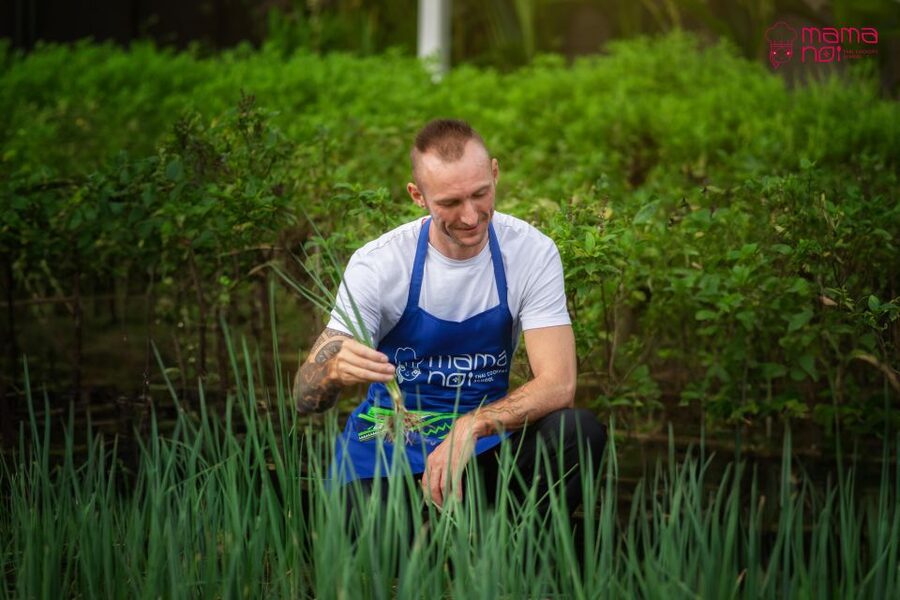
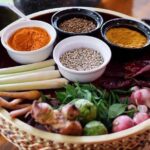
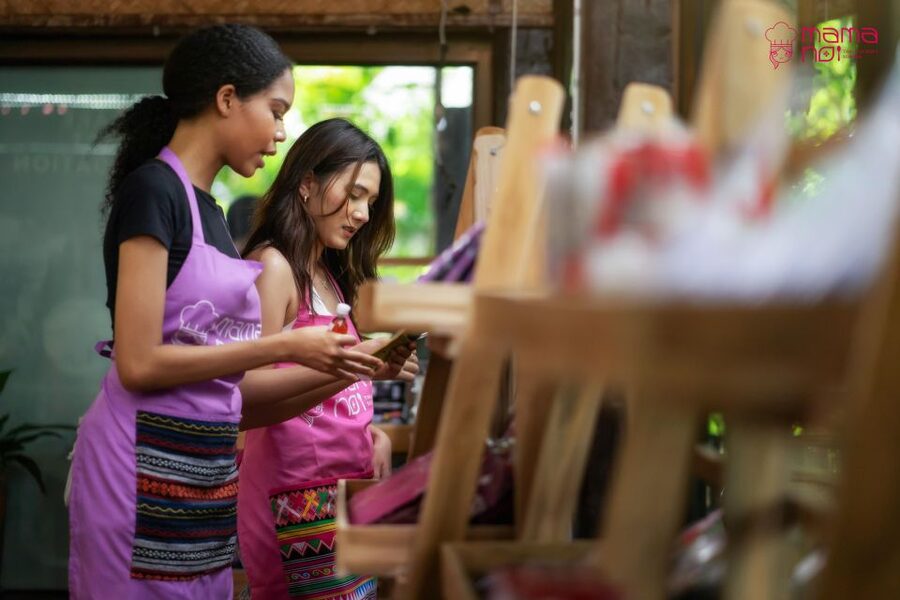
The market stop is a big part of the value here. It’s not only about walking past stalls. You get time to wander and pick ingredients, and you learn what key Thai ingredients do in real cooking.
Expect the guide to point out items you’d normally miss if you were just trying to shop for yourself:
- What to look for in fresh produce
- Common spices and what role they play
- Ingredients that show up again and again in Thai dishes
Several reviews specifically call out that this market experience feels more authentic than the overly touristy style you might expect elsewhere. That’s a meaningful difference. When you understand ingredient types and uses in a real market context, you carry it back to your own cooking later.
Mama Noi organic garden: herbs you can name (and use)
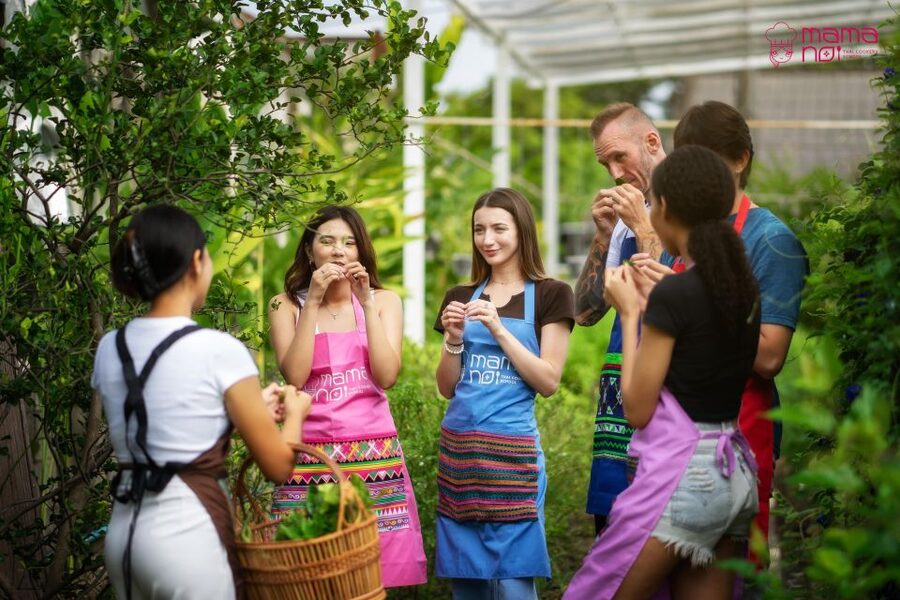
After the market, you walk through Mama Noi’s organic garden. This is one of those stops where the details can turn into skills in the kitchen.
You’ll learn how ingredients are grown and how they’re used in the school’s menus. People also mention tastings—like herbs and vegetables straight from the garden—which helps the learning stick. It’s hard to forget the smell of fresh Thai herbs when you just picked them.
There are even small atmosphere touches that make the garden walk memorable, including the chance to see pet tortoises on-site. It’s not a “must-see animal park” moment, but it adds charm to an otherwise straightforward farm stop.


Cooking class in the kitchen: choose, chop, and finish

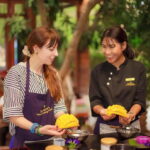
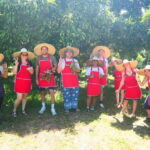
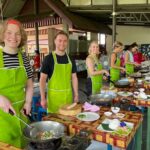
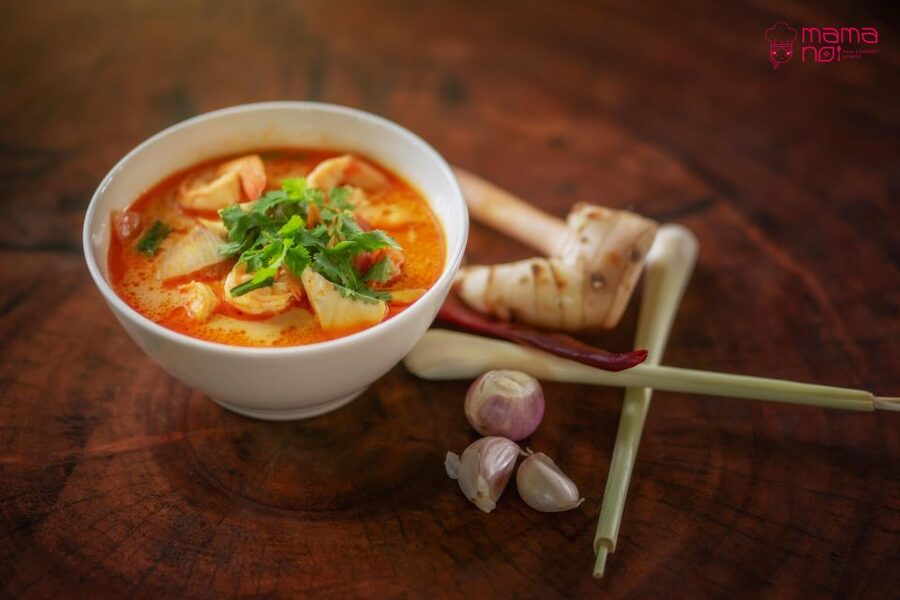
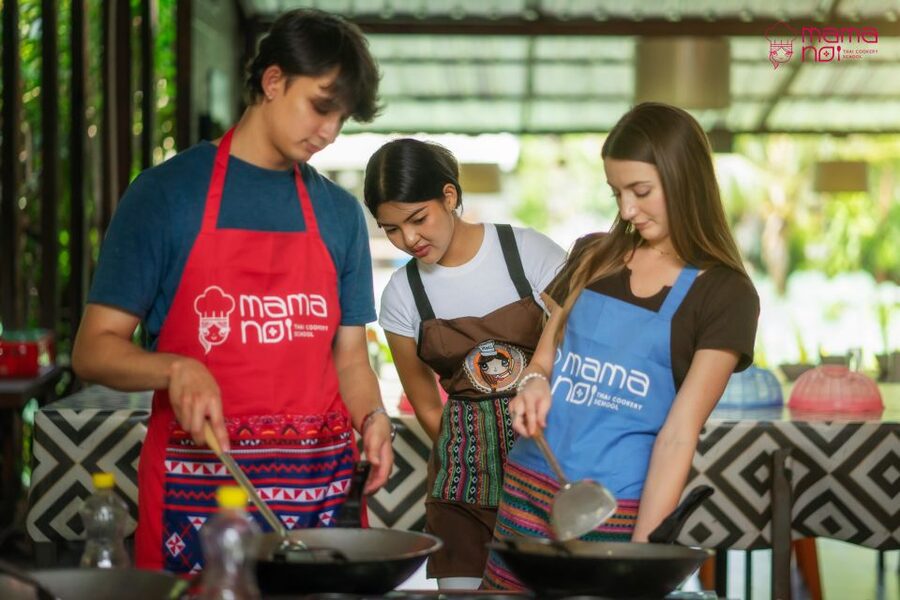
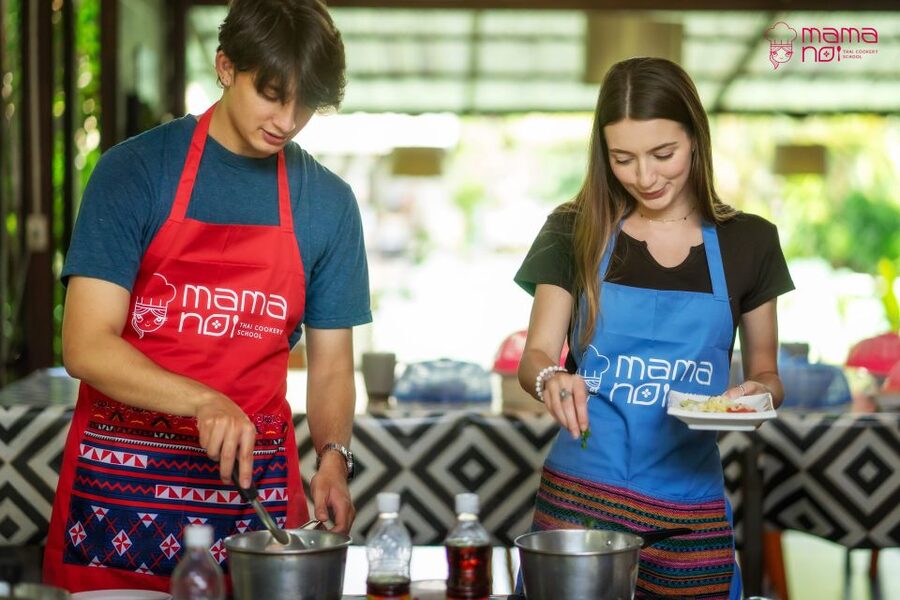
This is the main event: a hands-on Thai cooking class led in English, with a chef or instructor guiding you at your cooking station. The class is set up so you make five authentic dishes from scratch.
How the menu works
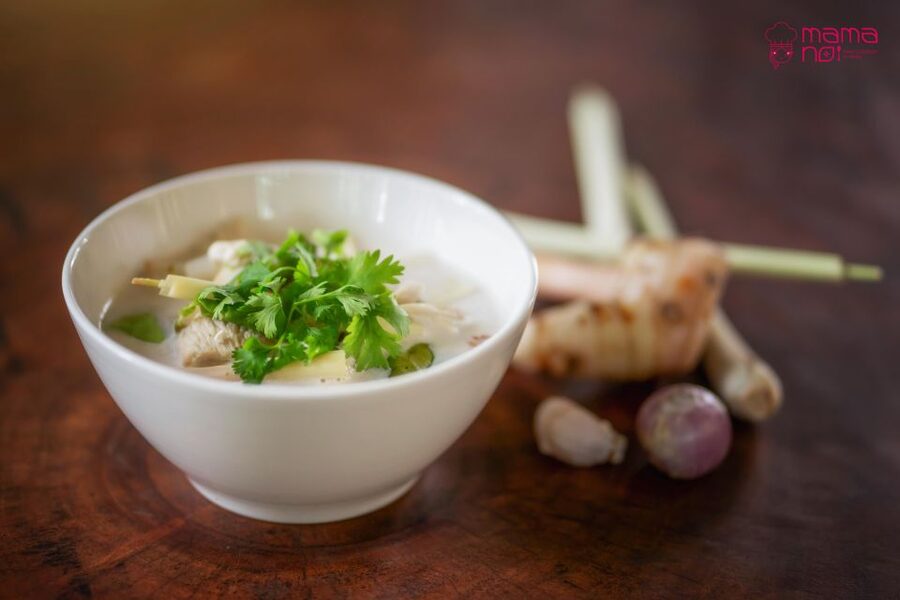
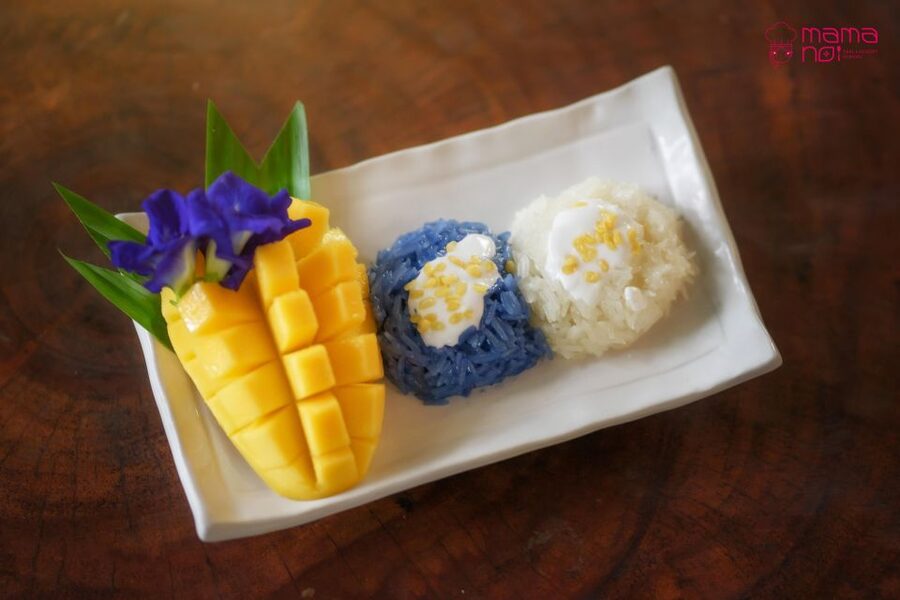
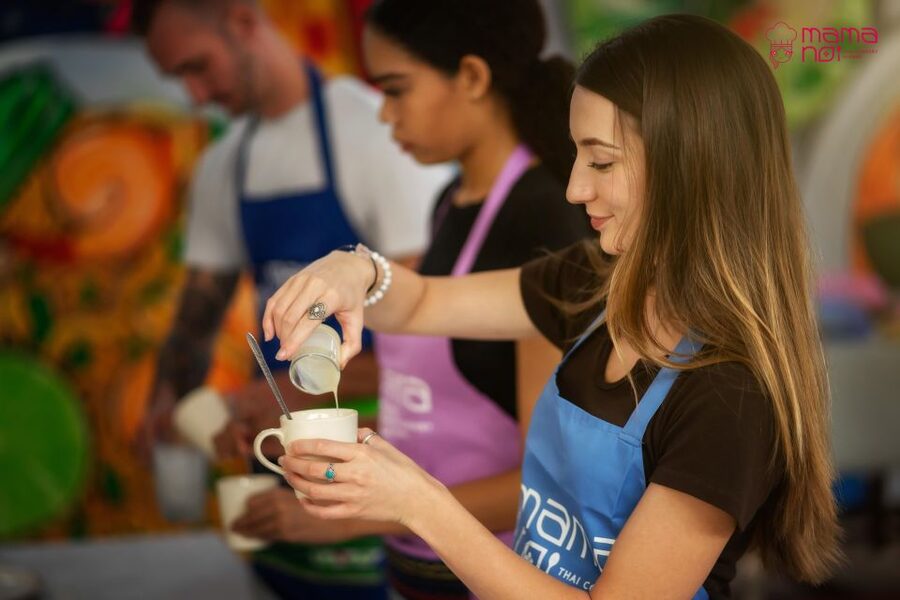
A recurring theme in the feedback: you get to choose what you cook. Reviews mention selecting items like a soup, stir-fry, and curry, plus Thai dessert/drinks such as mango sticky rice and Thai milk tea. You may see different menu options depending on the session, but the structure stays consistent: you pick from a set list of dishes, then you cook them.
That choice is a genuine win. It means you’re more likely to make something you actually want to recreate later, not just what the class defaults to.
What you’re actually learning
You’ll practice core Thai techniques through real prep:
- Chopping and ingredient readiness (mise en place, Thai style)
- Building flavor bases using Thai aromatics and seasonings
- Cooking methods like stir-frying, simmering, and balancing heat and sweetness
- Adjusting taste as the dish comes together
A lot of people mention the instructors being funny and patient, and assistants moving quickly to clear woks and utensils so you can move on to the next dish. That operational efficiency matters because cooking is slower when the kitchen is messy. Here, the workflow is part of the learning.
Spiciness and pacing
Thai food can be spicy, and that shows up in the experience. Many people say the dishes are delicious—and yes, some are on the spicy side. If spice is a concern, it helps to speak up during cooking so you can adjust while you still have control.
Pacing is also worth flagging. One review notes the learning is good but the class can feel slightly rushed compared with schools that spend more time on fundamentals. If you want “why” behind every technique, you might have to take a few extra moments during the class to ask questions.
Dietary needs
One of the more reassuring details: the class has been described as catering for dietary needs. The data doesn’t list what dietary types they cover, so you should plan to tell them your needs during booking or right when you arrive. Still, the fact that people highlight accommodation is a good signal.
The meal you make: sit down and taste your work
At the end, you sit down to enjoy what you cooked. Reviews emphasize that you get a lot of food, so don’t arrive starving in a way that leaves no room for slowing down later. If you can, keep your stomach flexible during the market and garden phases.
People also mention options like take-home boxes (at least in some sessions) if you can’t finish. Since that isn’t guaranteed in the provided info, treat it as a “you might ask” option rather than a promise.
The best part of the meal is that it’s not a random buffet. It’s your work, your flavors, and the dish you chose. That’s the kind of learning that makes it easier to cook Thai food back home without remembering everything from a recipe card.
Take-home cookbook and certification: what you get after class
The included souvenir is a recipe booklet/cookbook with the recipes you made. That’s the practical side—so you can repeat dishes later without guessing measurements.
The highlights also mention a certification after you complete your cooking class. Whether you treat it as a fun keepsake or a confidence boost, it’s a nice extra that makes the experience feel like more than just a meal.
Price and value: is $32 worth it?
At $32 per person for a 4-hour experience, the value is mostly in three places:
- You cook five dishes from scratch. That’s not a snack class. It’s real meal production, with hands-on work across multiple techniques.
- You get the ingredient story: market visit plus an organic garden where ingredients are grown and explained.
- Logistics are handled: hotel pickup/drop-off and a local driver are included from Chiang Mai city area.
Could there be cheaper? Sure. But the cheaper option often loses you the farm-to-market ingredient context and the organized kitchen flow. Here, you’re paying for a full loop: ingredient → prep → cook → eat → take home the recipes.
If you’re doing multiple activities in Chiang Mai, I’d treat this as a “one strong anchor” day. It’s the kind of thing that feeds you twice: once in your belly, and once in your ability to cook.
Who should book Mama Noi (and who might not love it)
You’ll probably love this class if:
- You want hands-on Thai cooking with clear steps and a lively instructor
- You like learning from ingredients, not just recipes
- You want a market + farm element without turning it into a long day
- You’re traveling with friends or a small group and want everyone included at the station
You might want to think twice if:
- You want slow, theory-heavy cooking education with lots of open-ended discussion
- You’re extremely sensitive to spice and don’t plan to communicate during cooking
- You dislike structured, set-menu class formats (you’ll choose from options, not freestyle everything)
Also, there’s an age note: children under 10 are not suitable for this experience. If you’re traveling with kids who want to join, the info says children who are not participating are handled as accompanying visitors with limits on who can attend.
Should you book Mama Noi Cookery School?
Yes—if you want a Thai cooking class that feels grounded in real ingredients, not just a demo. The combination of market picking, a true organic garden, and cooking five dishes from scratch makes the $32 price feel fair for what you get.
Book it especially if you’re the type who learns best by doing. You’ll leave with a recipe booklet you can actually use, plus the confidence that you can recreate at least several dishes without guesswork.
If you’re chasing a slow, academic cooking course, you may find the pace more efficient than leisurely. Still, for most visitors, that efficiency is exactly why it’s such a popular half-day plan.
FAQ
How long is the Mama Noi cooking class?
The experience runs for 4 hours total.
What’s included in the price?
Hotel pickup and drop-off from Chiang Mai city area, a local driver, a local market visit, the cooking class, a cooking recipe book, and organic farm ingredients are included.
Is alcohol included?
No. Alcoholic drinks are available to purchase, but they are not included.
Can non-participating visitors join the market and meal?
Yes. The limit is one visitor per student. Visitors can join the market tour, meals, and transportation portions, but they cannot participate in the cooking class.
What age is this class suitable for?
Children under 10 are not suitable for this experience.
What do I take home after the class?
You receive a souvenir recipe booklet with the recipes you made, and you also get a certification after you complete the cooking class.