REVIEW · CRETE
Crete: Road-trip to Lasithi Plateau & Olive Mill Farm
Book on GetYourGuide →Operated by Cretan Odyssey · Bookable on GetYourGuide
A steep day in Crete can still feel calm and friendly. This Lasithi Plateau road trip mixes mountain viewpoints, old-school crafts, and a working olive mill stop with real local rhythm. I especially liked the guide-led storytelling (the kind that turns driving time into something you actually listen to) and the chance to see how olives become oil, soap, and honey in one place.
One thing to consider: it’s a long day, and extra sites (like caves) can add extra fees on top of the ticket, plus there’s a hike where you’ll want sturdy shoes and water.
In This Review
- Key highlights at a glance
- Why the Lasithi Plateau route feels different from a typical Crete day
- Getting there: pick-up zones, timing, and bus comfort
- Vidiani Monastery: 25 minutes of quiet, prayer-friendly, and photo moments
- Lasinthos Eco Park: hands-on crafts and animals without the crowds
- Krasi village: freshwater springs and a plane tree that started before your calendar
- Olive Mill Farm: watching olives become oil, soap, and honey
- Optional meal: good for sampling, but not included
- When this day adds Knossos Palace (and what that means for your time)
- The cave question: the Zeus/Diktean hike and how to handle it
- Donkeys at the cave: a choice you should make thoughtfully
- Expect extra fees
- Timing, pace, and what to pack for a long mountain day
- Price and value: what $39.52 really buys
- Who this tour suits best
- Should you book the Lasithi Plateau & Olive Mill Farm tour?
- FAQ
- How long is the Lasithi Plateau day tour?
- Where are pick-up locations available?
- Is lunch included at the Olive Mill Farm?
- Do I need to pay for Lasinthos Eco Park?
- What languages are the live guides?
- What should I bring for the day?
Key highlights at a glance
- Vidiani Monastery visit: about 25 minutes at the foot of Louloudaki Mountain, dedicated to the Virgin Mary
- Lasinthos Eco Park (free admission): about 1 hour exploring workshops like pottery and candle-making, plus a small animal farm
- Krasi village stop: stone-paved streets, freshwater springs, and an ancient plane tree estimated at over 2,400 years old
- Olive Mill Farm experience: around 2 hours watching olive oil production and learning about soap and honey too
- Knossos option depending on your booking: some versions include Knossos Palace, others skip it
Why the Lasithi Plateau route feels different from a typical Crete day
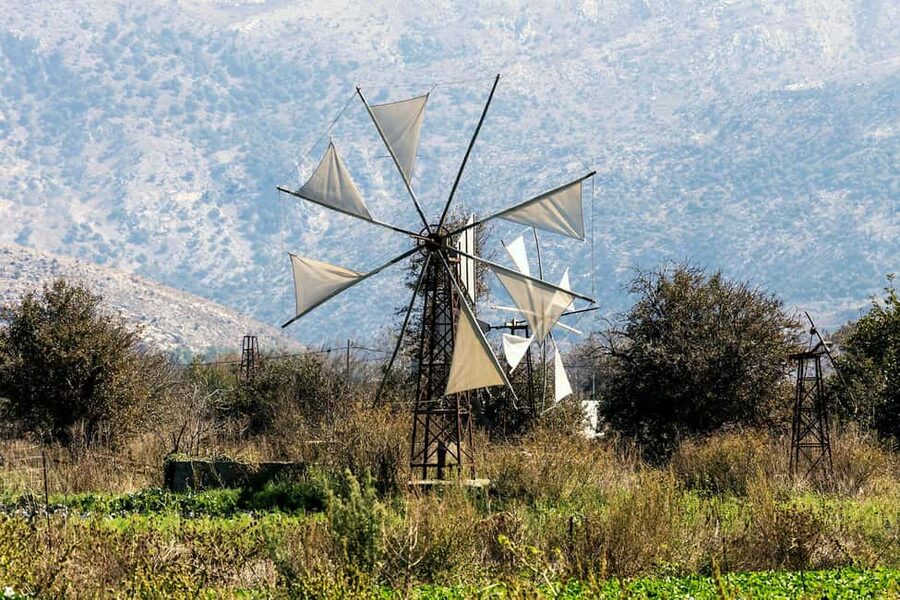
This tour doesn’t try to cram Crete into a checklist. It strings together a set of stops that make sense together: mountains, small villages, working farms, and a monastery break from the road noise. You’ll spend the day moving through the Lasithi area, with drives that can be scenic but also practical and real—tight turns, narrow roads, and that steady climb the region is known for.
I like that the pace is “full day, not frantic.” You get multiple short stops, and each one has a clear purpose. The eco park isn’t just a walk-through, and the olive farm isn’t just a photo stop. You’ll come away with stories you can actually repeat—why certain places matter, how people make what they make, and how daily life has worked here for generations.
You can also read our reviews of more tours and experiences in Crete.

Getting there: pick-up zones, timing, and bus comfort
The day starts with a morning hotel pick-up, with exact timing sent to you by email after booking. Pick-up covers specific areas like Sisi, Malia, Stalis, Hersonissos, and several central points in Heraklion town, depending on where you’re staying.
Total duration is listed as 7.5 to 10.5 hours. In real life, that range mainly depends on traffic and your pick-up location—and on whether your day includes extra add-ons like Knossos Palace or a cave stop. Expect an early start on many departures; one group started around 7am, which can be a shock if you’re on vacation mode.
On the comfort side, the tour includes an air-conditioned bus and a professional driver. Most of the driving is mountain road work, so if you’re prone to motion sickness, consider planning ahead with what helps you on winding roads. Also, while the bus has AC, one past rider reported that it wasn’t working well. That’s not the typical setup, but it’s worth keeping in mind if you’re heat-sensitive.
Vidiani Monastery: 25 minutes of quiet, prayer-friendly, and photo moments
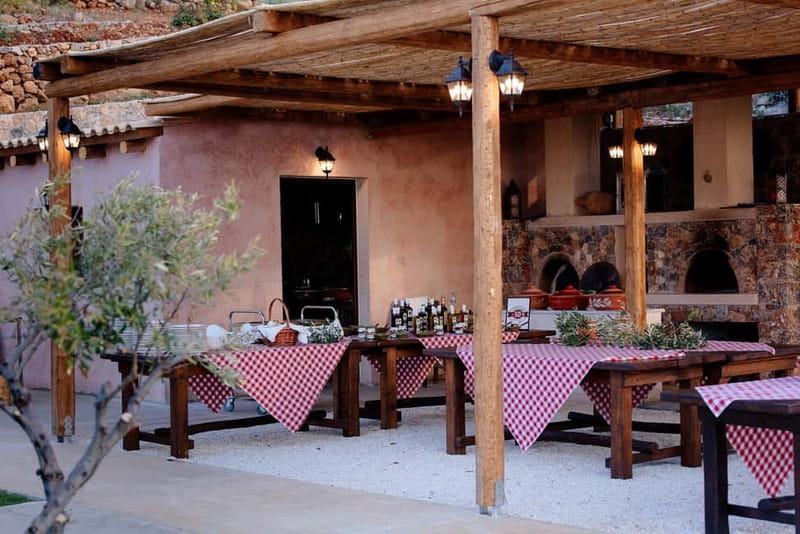
The first real stop is Vidiani Monastery, a small Eastern Orthodox monastery dedicated to the Virgin Mary. It sits at the base of Louloudaki Mountain, and the visit lasts about 25 minutes. The time here is short on purpose: it’s enough to reset your senses without eating your whole day.
This is the kind of place where you notice details. Traditional architecture, a calm atmosphere, and the sense that religion here is still part of daily life, not just “tour culture.” If you’re entering a religious space while services are happening, be respectful and keep your voice low. Some visitors have found it possible to enter quietly behind the church for prayer or reflection; photos can also be possible if you’re mindful of what’s going on inside.
Dress matters. One practical heads-up from experience: you may be asked to cover your legs to at least the knee. Large scarves are often provided for this.
Lasinthos Eco Park: hands-on crafts and animals without the crowds
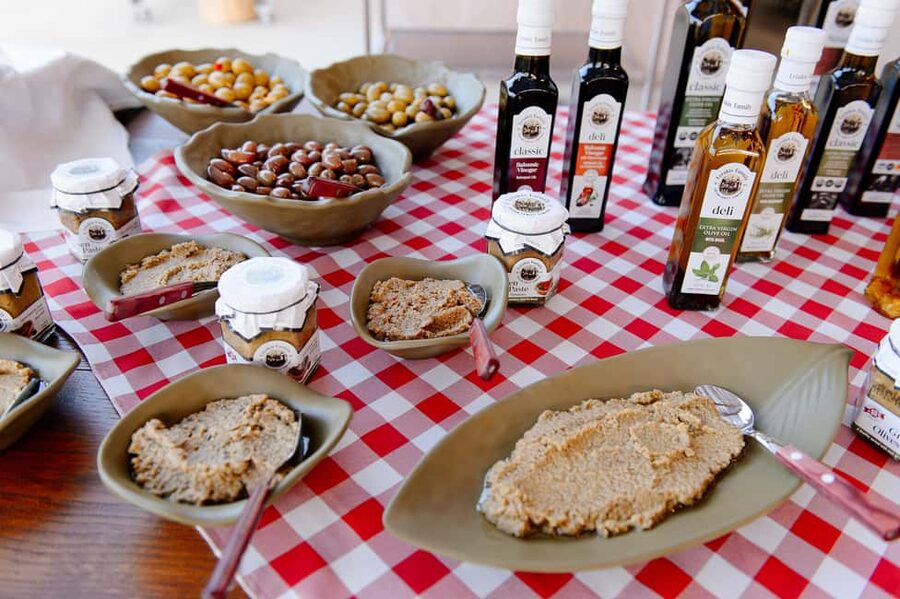
About 15 minutes by drive after Vidiani, you reach Lasinthos Eco Park for about 1 hour. Admission is free, which helps make the whole day feel better value—especially if you’re already budgeting for lunches and other entrances later.
This is where the tour leans more “learn and watch” than “stand and pose.” You’ll see traditional Cretan workshops such as pottery and candle-making. It’s not a high-pressure museum. It’s more like watching how skills are passed along: small techniques, local materials, and the logic of making things by hand.
There’s also a small animal farm, which adds an easy break if you’ve been on a bus too long. If you’re traveling with kids, it’s one of the stops that actually keeps attention without needing to run around.
Krasi village: freshwater springs and a plane tree that started before your calendar
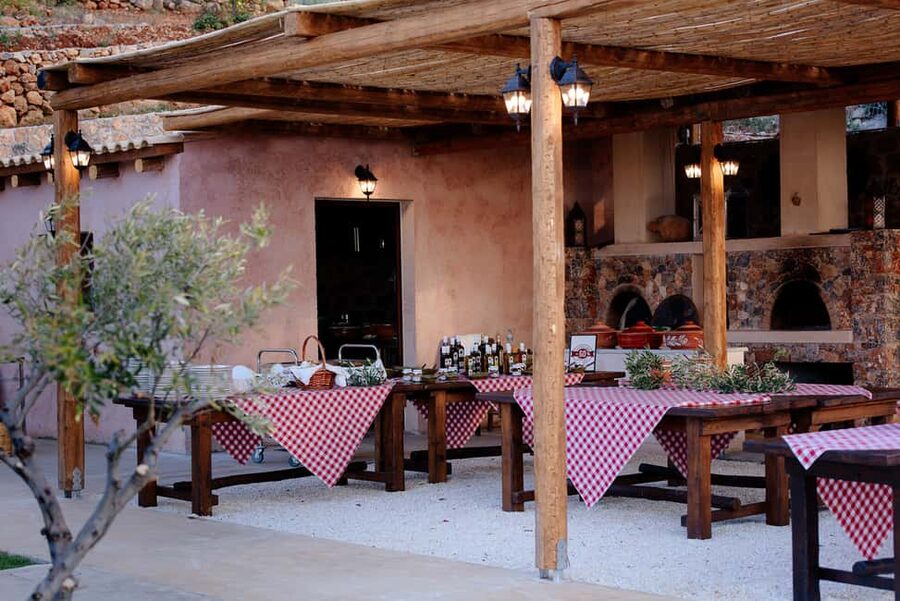
Next comes Krasi village, known for freshwater springs and an ancient plane tree estimated at over 2,400 years old. The stop is about 30 minutes, and it’s a good stretch of time for something simple: a short stroll, a photo or two, and a look at rural Cretan life.
Krasi is stone-paved and slower than the bus world. You’ll pass historic churches, traditional tavernas, and that village rhythm where people aren’t in a hurry because the day is built around simple routines—water, food, and conversation.
If you’re the type who likes buying something small that’s actually from the region, this is also the point where you can browse without it feeling like a tourist factory. Take water if the weather’s hot, and use this stop to refuel before the longer sit-down segments.
Olive Mill Farm: watching olives become oil, soap, and honey
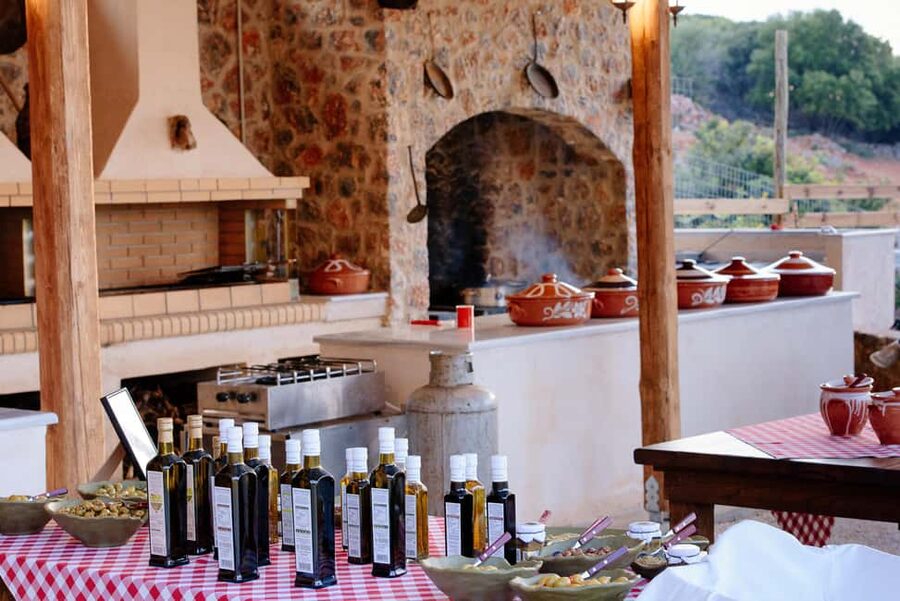
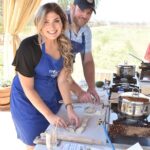
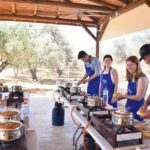
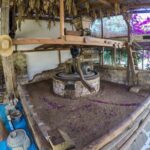
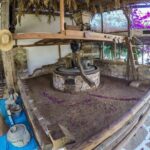
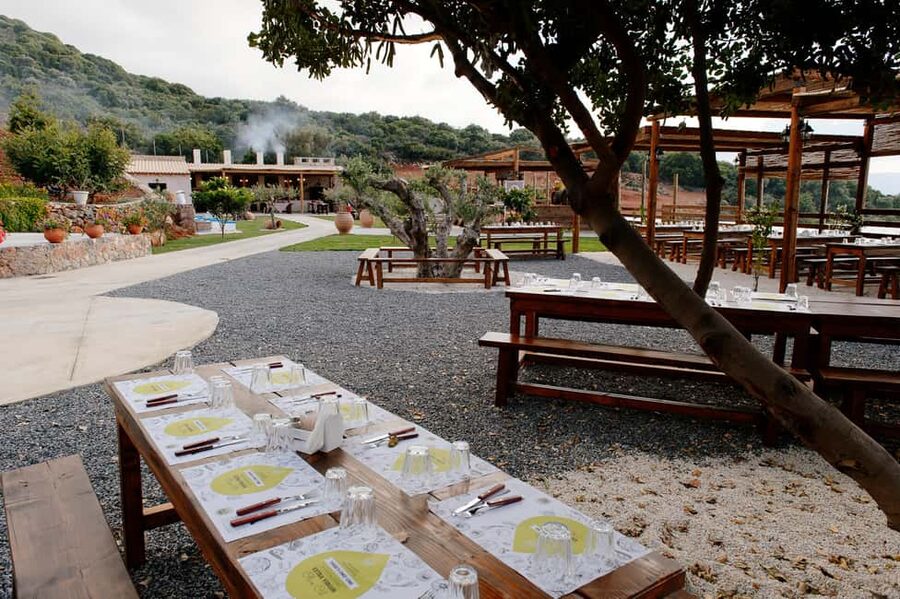
The next drive is around 25 minutes to the Olive Mill Farm, with about 2 hours on site. This is one of the day’s best value stops because you’ll do more than look—you’ll learn the steps and see the process.
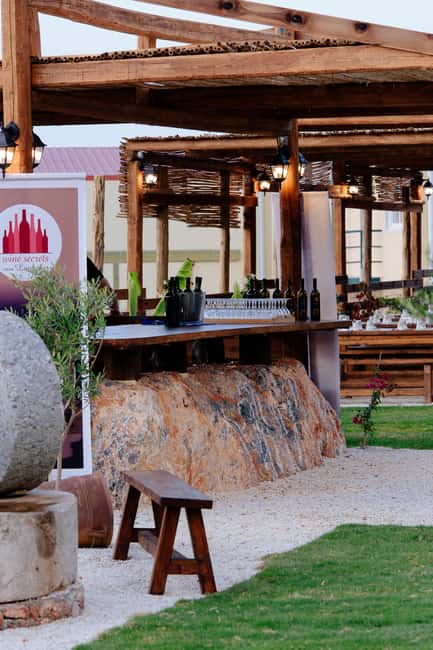
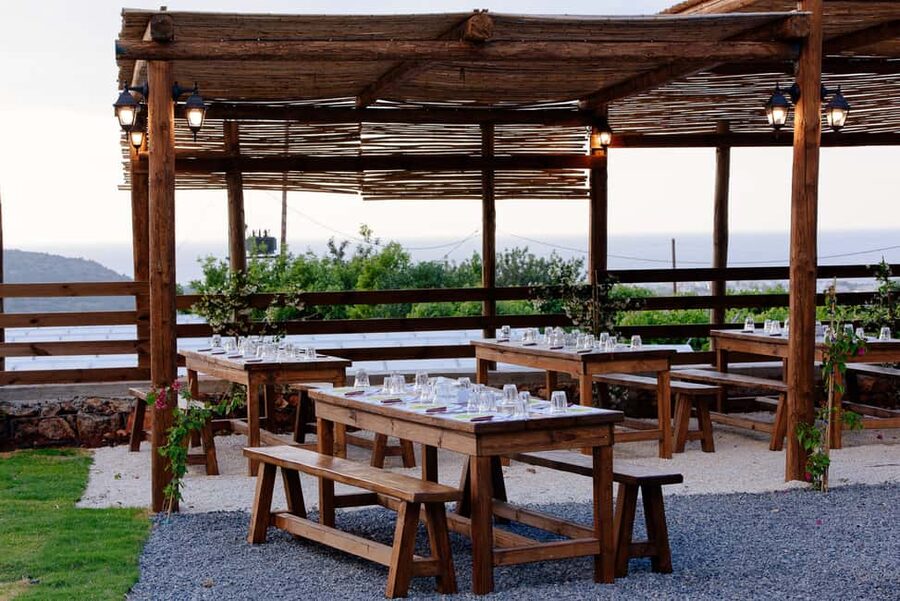
The farm shows production of olive oil, soap, and honey, all set against mountain views and, on clear days, a sea backdrop. It’s a great reminder that olive oil isn’t a single product here. It’s part of the broader local food and craft system.
Optional meal: good for sampling, but not included
You can add a traditional meal made from fresh local ingredients, but it’s at your own expense (lunch isn’t included in the tour price). If you’re hungry, the timing works well because the day can stretch long, and you’ll appreciate getting fed in a place that matches the topic of the day.
One practical tip from experience: if you know you get hangry early, don’t assume you’ll always have time for snacks later. Plan to snack when you can—especially if the day includes a cave hike.
When this day adds Knossos Palace (and what that means for your time)
One important thing to know: there are two versions. Some departures include Knossos Palace, while others skip it. In at least one real case, the group managed to switch and still visit the palace on the same day—so if you didn’t book with Knossos, you might ask what’s possible once you’re there.
Knossos is a major site, and adding it changes the feel of the day. It turns the trip from “mountains and rural crafts” into “mountains plus a big ancient highlight.” If you’re interested in ancient Crete beyond the plateau, Knossos is worth the extra planning pressure.
If you prefer quieter moments and more time at the natural and craft stops, the version without Knossos can feel more balanced.
The cave question: the Zeus/Diktean hike and how to handle it
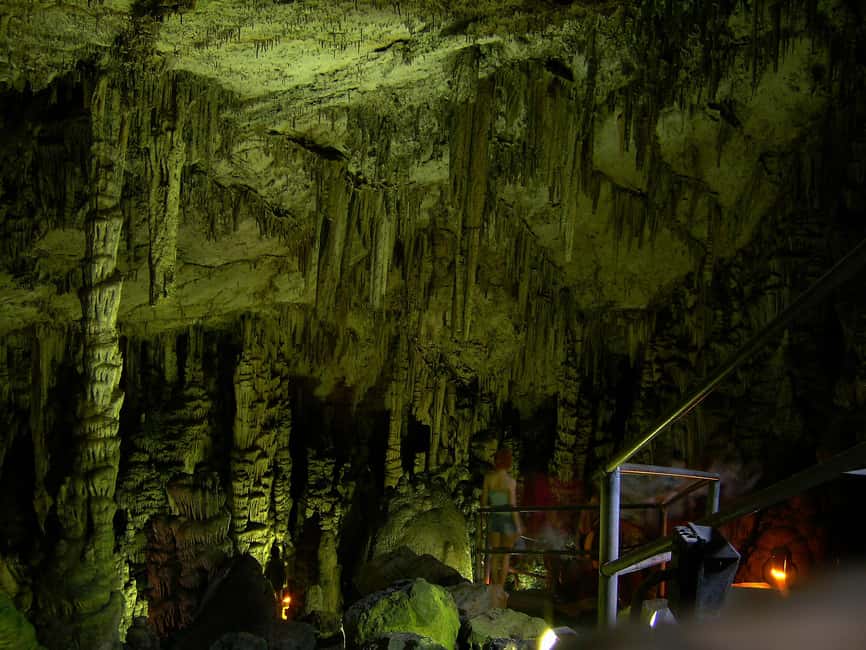
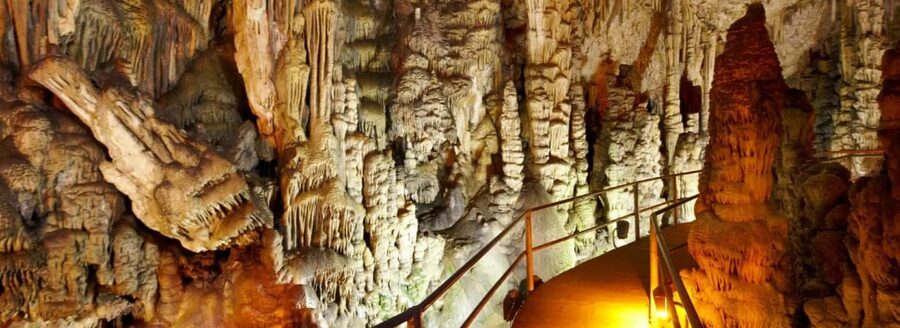
Even though the core descriptions focus on monasteries, eco park, Krasi, and the olive farm, this itinerary experience commonly includes a cave stop in the broader Lasithi-area theme—often referred to as the cave of Zeus / Diktean Cave (Psychro Cave). If your departure includes it, here’s what matters.
The hike can be steep, and inside you may face a lot of steps—one visitor mentioned 406 steps. The steps can also be slippery, so traction matters. Bring shoes with grip, and take your time on the climb. Water helps, and a snack can save you if your timing lands lunch later than you planned.
Donkeys at the cave: a choice you should make thoughtfully
Donkeys are available for an added fee (one past rider said about 10€). Some people treat that as a convenience; if you feel strongly about animal welfare, you should decide based on your own comfort and values.
Also, if anyone in your group has mobility issues, the cave hike may be too much. The tour isn’t described as an accessibility-focused option, and steep climbs are part of the experience.
Expect extra fees
One practical heads-up: you may need to pay separately for cave-related entry. In a past day, the cave cost wasn’t included with the ticket, so budget extra rather than assuming everything is covered.
Timing, pace, and what to pack for a long mountain day
This is a full day. Even if you don’t do the longest hike option on the itinerary version you book, you’ll still spend hours moving, walking a bit at each stop, and dealing with sun.
Bring:
- Comfortable shoes (non-negotiable if there’s a cave)
- Sunglasses
- Sun hat
- Sunscreen
- Comfortable clothes (plus something that covers knees for the monastery if needed)
Also consider:
- Water in your day bag. If a cave stop is included, the walk and steps can dry you out fast.
- A light snack if you’re sensitive to long gaps between meals. Some reports mention snack bars at cave areas, but if you want certainty, pack something small.
One more pacing reality: the day can start early and end late enough that you’ll likely nap on the bus. That’s not a complaint—it’s just what happens when you combine driving with walking and heat.
Price and value: what $39.52 really buys
At $39.52 per person, this tour can be great value—especially because it includes:
- Pick-up and drop-off
- Air-conditioned bus
- Professional driver
- Tour guide
- Liability insurance coverage
Those basics matter on Crete. Long road distances and mountain routes can eat time fast. Having someone handle the driving plus a guide to connect the dots is the main reason to book a tour instead of trying to DIY everything.
The fine print: not all costs are clearly bundled. Lunch at the olive farm is not included. Also, some past days reported needing to pay separately for the cave (and sometimes monastery/cave-related entries) once you’re on site. One lunch price example given was 15€ each at a taverna-style stop.
So I’d think of this as a “ticket for transport + guidance,” then budget additional spend for entrances and meals depending on your exact departure.
Who this tour suits best
This fits best if you want:
- A guided road trip that teaches you as you move around
- Real working-life stops like the olive mill farm and eco park workshops
- Short, varied stops rather than one long museum day
- A mix of nature views and cultural stops without needing to rent a car
It may not be your best match if:
- You can’t handle steep walks or lots of stairs (especially if the cave is included)
- You want everything fully included with no extra on-site fees
- You’re sensitive to early mornings and long drive time
Should you book the Lasithi Plateau & Olive Mill Farm tour?
I think you should book it if you’re the kind of person who enjoys learning by watching—crafts in motion, food production you can picture later, and small places where the day doesn’t feel staged. The olive mill farm alone makes this one feel more “hands-on” than a basic sightseeing bus.
But decide based on your body and your budget. If your departure includes a cave hike, pack accordingly and consider extra time for steep sections. If your goal is a totally effortless day with zero extra payments, you’ll need to plan for on-site costs like cave entry and lunch.
If you want an efficient way to see the Lasithi side of Crete—mountains, villages, and olive culture—you’ll likely find this a strong use of a single full day.
FAQ
How long is the Lasithi Plateau day tour?
The tour duration is listed as 7.5 to 10.5 hours, depending on starting time and conditions like traffic and pick-up location.
Where are pick-up locations available?
Pick-up is available from specific points in areas including Sisi, Malia, Stalis, Hersonissos, Anissaras, Agkisaras, Gouves, Gournes, Kokkini Hani, Karteros, Amoudara, Agia Pelagia, and centrally located points in Heraklion town.
Is lunch included at the Olive Mill Farm?
No. Lunch at the Olive Mill Farm is available for an extra cost.
Do I need to pay for Lasinthos Eco Park?
Admission to Lasinthos Eco Park is free, and the visit lasts about 1 hour.
What languages are the live guides?
The live tour guide is available in English, French, and German.
What should I bring for the day?
Bring comfortable shoes, sunglasses, a sun hat, sunscreen, and comfortable clothes. If you’re doing steeper parts of the day, sturdy shoes and water help a lot.