REVIEW · CRETE
Cretan Cooking Class and Olive Oil Tasting
Book on Viator →Operated by Cretan Vibes · Bookable on Viator
Olive trees, aprons, and real Cretan know-how. This small, family-run class at Cretan Vibes lets you cook several traditional dishes with Marianna and her mum Stella, then learn how to taste extra-virgin olive oil the Cretan way. One thing to factor in: it’s outdoors on a working farm and runs only when weather looks good.
I like that the experience goes beyond recipes on a page. You’re cooking, tasting, learning what makes flavors work, and then you leave with a full meal plus leftovers packed up—so you get value even if you’re not a super confident cook.
In This Review
- Key highlights you shouldn’t miss
- Why This Cretan Cooking Class Feels Like Family Time
- Olive Oil Tasting 101: Smell, Sip, and Spot the Bad Stuff
- What You’ll Cook: Dakos, Dolmadakia, Giaxni, and Cretan Classics
- The Outdoor Kitchen Setup and Class Pace
- The Full Meal, Wine, Leftovers, and What You Take Home
- Price and Value: What $114.93 Includes
- Who Should Book This (and Who Might Skip It)
- Quick Practical Tips for Your Evening at Cretan Vibes
- Should You Book This Cretan Cooking Class?
- FAQ
- How long is the Cretan Cooking Class and Olive Oil Tasting?
- Is the class in English?
- How big is the group?
- What food will I eat during the experience?
- Do I get wine during the meal?
- Are recipes and photos included after the class?
- Do they pack leftovers for you?
- What’s included besides cooking?
Key highlights you shouldn’t miss
- Hands-on cooking with Marianna and Mama Stella, not a sit-and-watch demo
- Olive oil tasting training: aromas, flavor, bitterness, and spotting defects
- Cook a full Cretan meal and expect multiple dishes from a rotating menu
- Outdoor kitchen among olive trees, with a relaxed but steady pace
- You take food home, with leftovers packed and recipes emailed later
- Family atmosphere: you may also meet other family members like grandma
Why This Cretan Cooking Class Feels Like Family Time
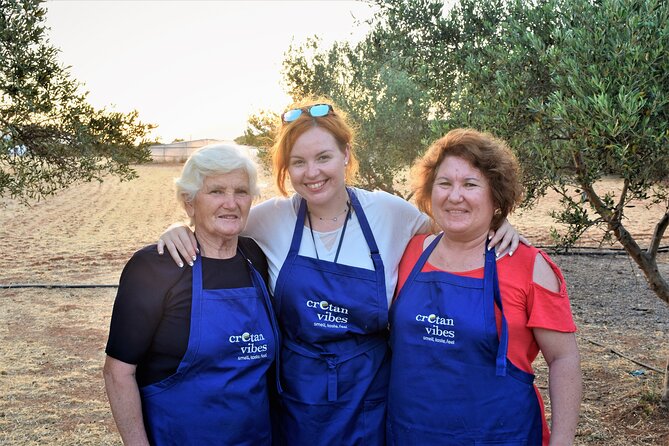
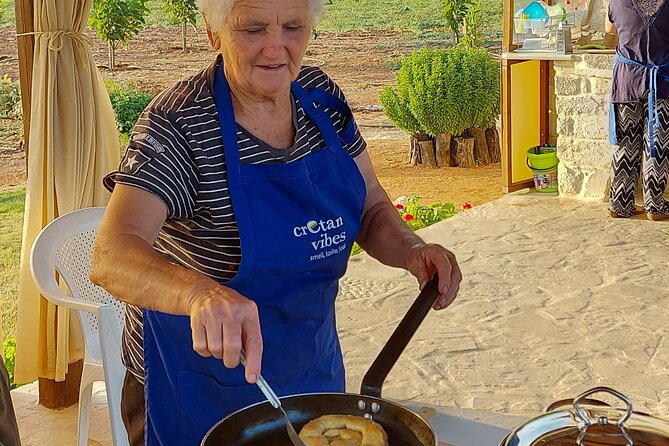
This is the kind of cooking class where the welcome matters as much as the food. Marianna teaches, and Mama Stella brings the warm, funny, generous energy that turns a “class” into a real evening on someone’s farm. The size helps too: the group tops out at 12, and it often runs small, which means you get time at the burners and more chances to ask questions.
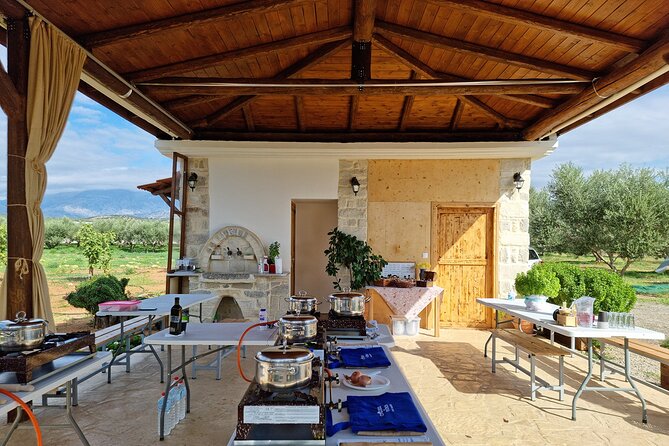
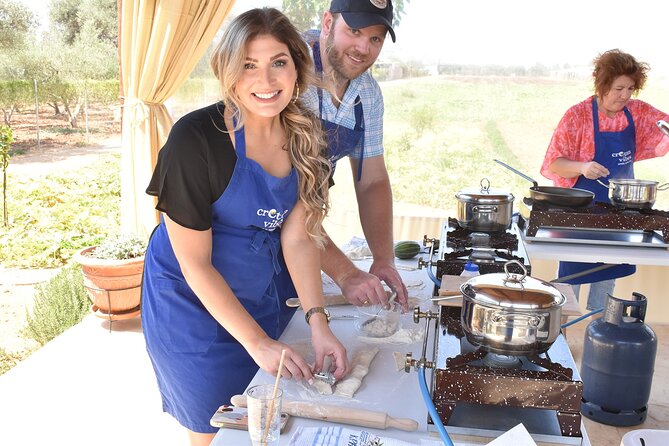
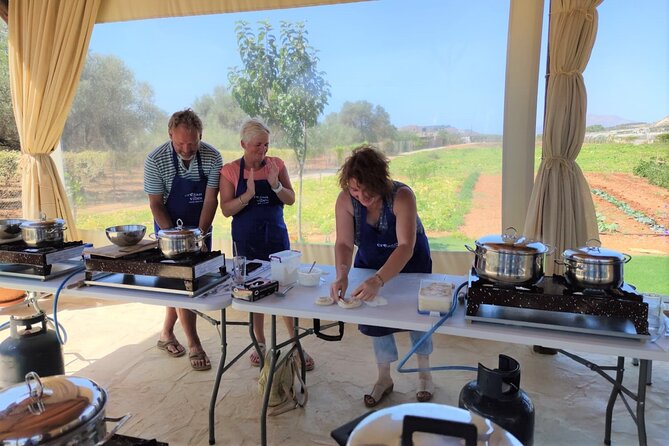
The setup is an outdoor cooking and dining space between olive trees and gardens. A couple of things stand out here: it feels open and modern enough to be comfortable, but it still has that rural, practical farm rhythm. You’re not stuck indoors for hours, and you’re not rushing through tasks either.
You should come with an open heart and an appetite to participate. Even if you’ve never cooked Cretan food before, the class is built around step-by-step instruction. The experience also includes farm-fresh homemade refreshments like lemonade, plus coffee or tea, which helps you settle in before the first prep step.
You can also read our reviews of more tours and experiences in Crete.
Olive Oil Tasting 101: Smell, Sip, and Spot the Bad Stuff
If you only care about eating, this section is still worth it. The olive oil tasting is educational in a practical way: you learn how to recognize authentic extra virgin olive oil and how to judge quality using your senses. That means more than just tasting—it’s about how to taste.
You’ll practice detecting aromas, flavors, and bitterness, and you’ll learn tips for identifying defects in lower-quality oils. You also get shopping advice for when you’re back home in a grocery aisle, trying to compare bottles. The point is to help you go from guessing to knowing what to look for.
There’s also a behind-the-scenes touch: you’ll receive a video of the olive harvest. It’s not just background story; it gives you context for why olive oil tastes like it does and why harvest and handling matter.
What You’ll Cook: Dakos, Dolmadakia, Giaxni, and Cretan Classics
This class is designed to be fully hands-on. You’ll cook a multi-course Cretan meal and work through several dishes—often around five dishes in total—using traditional techniques. What you make depends on the menu for the season, but the dishes listed are the real heart of Cretan cooking.
Here’s what commonly shows up on the menu:
- Cretan Dakos: rusk with fresh tomato sauce, mizithra cheese, oregano, and extra virgin olive oil
- Cretan Dolmadakia: stuffed grape leaves
- Stuffed zucchini flowers: aromatic, stuffed, and very Cretan
- Giaxni (vegetarian/vegan option): green beans with potatoes, zucchini, tomato sauce, plus ksinoxondros (a family-made Cretan product)
- Lamb with artichokes: lamb with potatoes, fennel, and fresh tomato sauce
- Augolemono: pork or chicken with onions, potatoes, dill, eggs, and fresh lemon juice
- Cretan stifado: a spring or autumn stew built around chicken, rabbit, or even snails depending on what’s on hand
- Lamb with stamnagathi: a spring lamb pairing with stamnagathi
- Dessert: sarikopites or kalitsounia, stuffed cheese pastries fried in the family’s extra virgin olive oil
What I like about this menu mix is the balance. You get bright flavors (tomato, lemon), hearty comfort (stews and lamb), and a real “Cretan snack-to-main” rhythm. For example, dakos is crunchy and saucy, stuffed grape leaves teach patience and technique, and then you move into stews that feel like meals you’d actually cook at home.
Even better: the class includes vegetarian/vegan options through dishes like giaxni, and the group has experience accommodating dietary restrictions when someone needs it. If you have allergies or strict needs, tell them ahead of time so they can plan.
The Outdoor Kitchen Setup and Class Pace
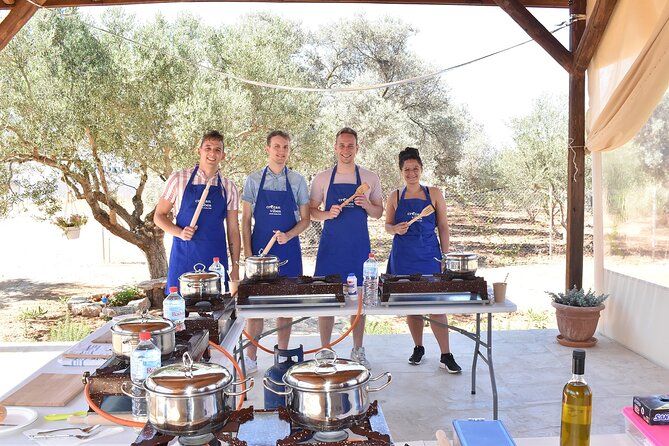
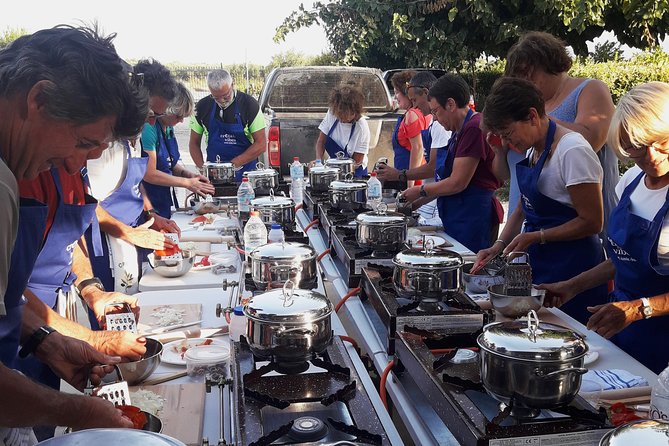
You don’t have to be a skilled cook to do well here, but you do need to be ready to roll up your sleeves. The class uses stations where you can actively participate—no long pauses where you just wait your turn. People also mention that there’s rarely downtime, even in smaller groups.
A big practical plus: everyone seems to have what they need. Utensils and cooking tools are provided, along with aprons. Some classes include individual burner setups, so you can keep moving from chopping to assembling without feeling like you’re standing around.
The pace is relaxed, not frantic. You get instruction, then you execute. And because it’s taught by a mother-daughter team—Marianna plus Mama Stella—you get two teaching styles in one evening. That helps beginners who need reassurance and experienced cooks who want a clearer technique.
Also, the location is rural and quiet. That matters more than you’d think. Cooking tastes better when you’re not stressed, and you can enjoy the rhythm of a real farm evening.
The Full Meal, Wine, Leftovers, and What You Take Home
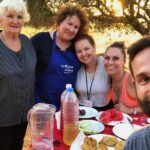
After cooking, you eat your work. You’ll enjoy the meal with local wine and also get homemade refreshments during the prep. The included coffee and/or tea round things out at the end, which is helpful if you want to cool down after all that active chopping and stuffing.
The dessert is part of the satisfying arc: you fry or assemble a local pastry like sarikopites or kalitsounia and finish with the kind of sweet-cheese comfort Cretans clearly don’t treat like an afterthought. Many people describe the sunset timing as a highlight, with the meal feeling especially memorable when the evening light lines up with the outdoor dining space.
One of the best “value” moves here is leftovers. Leftovers are carefully packed so you can take them with you. That’s not just a nice touch—it turns the class into an extra dinner later, which makes the price feel more reasonable.
You’ll also get recipes after the class, sent by email. Some highlights mention photos of the experience too, which is handy if you want to remember what the dishes looked like before you try to replicate them at home.
Price and Value: What $114.93 Includes
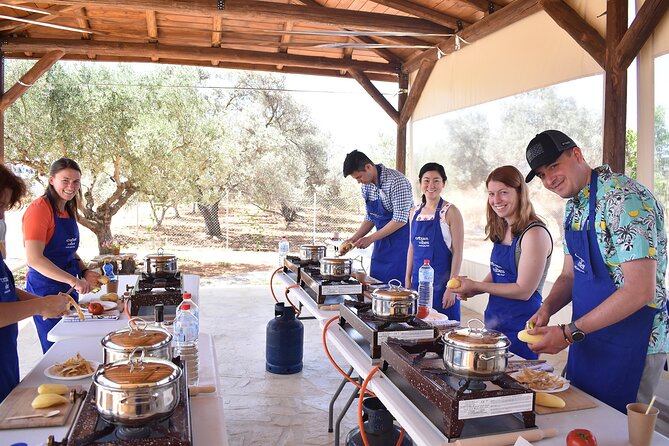
At $114.93 per person for about 4 hours, this doesn’t play like a cheap tourist meal. It’s closer to paying for a full evening of guided cooking instruction plus an ingredients-and-tasting package.
Here’s what that price covers, based on what’s included:
- A full meal after the class
- Premium olive oil tasting (with training for quality and defects)
- Video of the olive harvest behind the scenes
- Local wine with your meal
- Coffee/tea plus homemade refreshments (like lemonade)
- All cooking ingredients
- Recipes to take home by email
- Leftovers packed to go
- Family hospitality throughout
When you price this out mentally, it’s not only about the food. You’re paying for the teaching time, the tasting education, and the fact you leave fed and prepared. If you’re trying to get the most “learning per hour” on Crete—rather than just checking one more box—this hits well.
The biggest determinant of value for you will be your appetite to participate. If you’re the type who wants to chop, stuff, and cook, you’ll get your money’s worth quickly.
Who Should Book This (and Who Might Skip It)
This class fits best if you want hands-on cultural food learning. It’s ideal for:
- Couples and small groups who like cooking together
- People who enjoy olive oil and want more than a basic taste
- Food lovers who want traditional techniques explained clearly
- Families with kids, since the experience has worked well for ages as wide as early teens through adults
You might consider skipping if:
- You hate outdoor settings and don’t want to rely on good weather
- You only want a quick taste and prefer a less active experience
- You have limited time and can’t spare roughly four hours
The group limit helps, and the atmosphere is clearly social. You should expect conversations, laughing, and sharing ingredients like you’re hanging out with a warm farm family, not sitting in a lecture hall.
Quick Practical Tips for Your Evening at Cretan Vibes
Plan for a real farm-style evening. Wear comfortable shoes you don’t mind getting a little dusty, since you’re cooking and moving outdoors. Bring a light layer if you’re sensitive to cooler evening air, especially when the day shifts toward sunset.
A few other smart moves:
- Tell them about dietary restrictions ahead of time so they can plan accordingly.
- If olive oil is your thing, pay close attention during the tasting; the quality training makes you smarter at shopping afterward.
- Come hungry. The class is active, and the meal afterward is meant to be the reward.
Also note: transportation isn’t included, so you’ll need to handle getting to the meeting point. The activity ends back at the same starting location, which keeps things simple.
Should You Book This Cretan Cooking Class?
Yes, if you want one of the most practical, authentic food experiences on Crete. The combination of hands-on cooking with Marianna and Mama Stella, plus olive oil tasting education, is the kind of pairing that sticks with you. You’re not just eating Cretan dishes—you’re learning how the flavors are built and how to choose better olive oil later.
Book it especially if you can handle a rural outdoor setting and you’re aiming for a small-group evening that feels personal. If you’re traveling at the last moment, aim for a time when weather looks likely to cooperate, since the experience requires good weather to run.
FAQ
How long is the Cretan Cooking Class and Olive Oil Tasting?
It lasts about 4 hours.
Is the class in English?
Yes, the experience is offered in English.
How big is the group?
The maximum group size is 12 travelers.
What food will I eat during the experience?
You’ll cook and then enjoy a full meal. The menu includes dishes like Cretan dakos, stuffed grape leaves (dolmadakia), stuffed zucchini flowers, vegetarian/vegan giaxni, and several main dishes, plus a Cretan dessert such as sarikopites or kalitsounia.
Do I get wine during the meal?
Yes. Local wine is included to accompany your meal.
Are recipes and photos included after the class?
Recipes are provided to take home via email, and the experience highlights also note receiving photos of the experience afterward.
Do they pack leftovers for you?
Yes. Leftovers are carefully packed so you can take them with you.
What’s included besides cooking?
You also get a premium olive oil tasting, homemade refreshments (like lemonade), coffee and/or tea, a video of the olive harvest, and the ingredients and cooking supplies needed for the class.