REVIEW · DA LAT
Coffee Farm Tour with Roasting & Tasting Workshop – Da Lat
Book on Viator →Operated by TWIN BEANS FARM · Bookable on Viator
Roast your coffee, then drink it on-site. At Twin Beans Farm near Da Lat, you move from the plantation through processing and into the roastery, ending with roasting and a hands-on tasting session.
It’s a farm-to-cup experience in about 1 hour 15 minutes, so you get the whole story without turning it into an all-day project.
One possible drawback: the time is pretty short. If you’re hoping for long, slow wandering and lots of extra milling around, you’ll want to set expectations for a focused workshop rather than a full day.
In This Review
- Key things to know before you go
- Twin Beans Farm: why this Da Lat coffee stop feels real
- Your 1 hour 15 minutes plan: how the workshop moves
- Plantation time in Da Sar: seeing Arabica farming up close
- Processing to roastery: how flavor changes before the coffee ever hits heat
- Roast your own beans: the hands-on workshop that makes it stick
- Brewing on-site: turning your roast into a cup you can evaluate
- November to January bonus: joining coffee harvesting
- Pickup, small groups, and the 20 km commute: the practical side
- Price and value: is $9.89 actually a good deal?
- Who should book this coffee farm tour (and who might not)
- Should you book Twin Beans Farm Coffee Workshop?
- FAQ
- FAQ
- How long is the Coffee Farm Tour with Roasting & Tasting Workshop in Da Lat?
- Where is Twin Beans Farm located?
- What is the price per person?
- Is pickup offered from Da Lat?
- What happens during the tour?
- Is roasting and tasting included?
- Can I join coffee harvesting?
- How many people are in a group?
- When does the tour start?
- Is free cancellation available?
Key things to know before you go
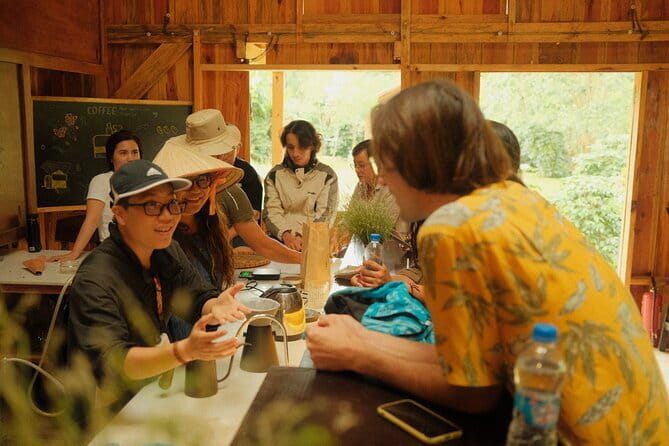
- Farm-to-cup flow on one property: plantation, processing, roastery, and a coffee shop
- You roast and brew your own coffee instead of only watching
- Small group size (max 10), which makes questions easier
- Pickup offered from Da Lat to simplify the 20 km trip
- Harvest-season add-on (Nov to Jan) if your dates match
- Mobile ticket so you can keep things simple on arrival
Twin Beans Farm: why this Da Lat coffee stop feels real
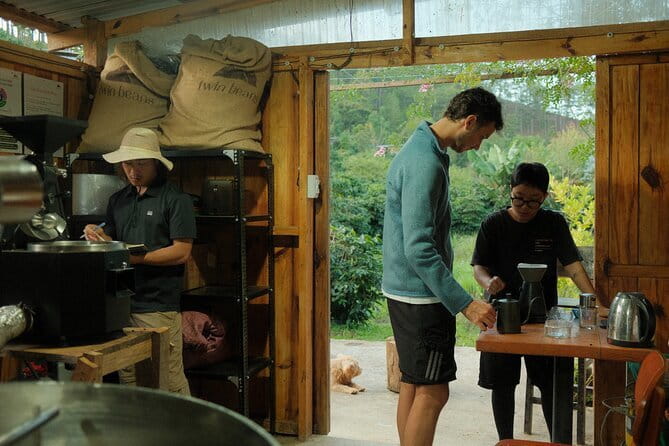
Twin Beans Farm sits about 20 km from Da Lat city center, in the Da Sar commune (Lac Duong District, Lam Dong province). The big advantage here is that it is not just a coffee shop with a tour sign out front. You’re on an Arabica farm that includes the processing area, a roastery, and a place to drink what you make.
What I like about this setup is how direct it is. You don’t just hear about coffee in theory—you see the steps that turn cherries into beans, then into brewed cups. And because it’s built as a workshop, the experience is practical, not passive.
The farm is also small enough to feel personal. With a maximum of 10 travelers, the guide can pace the session and still stop to explain what’s going on when questions pop up.
You can also read our reviews of more tours and experiences in Da Lat.

Your 1 hour 15 minutes plan: how the workshop moves
The tour starts at 1:30 pm and runs for about 1 hour 15 minutes. That timeframe matters because it keeps the visit concentrated: you’ll cover the full coffee workflow, then do the fun part—roasting and tasting—without dragging it out.
A typical flow looks like this:
- you visit the coffee plantation portion of the farm
- you learn how coffee moves from farming to processing
- you go through the roasting and brewing workshop part
- you taste and compare what you made on the spot
If you choose the pickup option, you should expect an easier door-to-door start from Da Lat. That matters on a short tour because every extra delay cuts into workshop time.
One more timing note: this is a small-group activity. If you show up late, it can compress the most hands-on part—the roasting and tasting—so try to arrive a bit early.
Plantation time in Da Sar: seeing Arabica farming up close
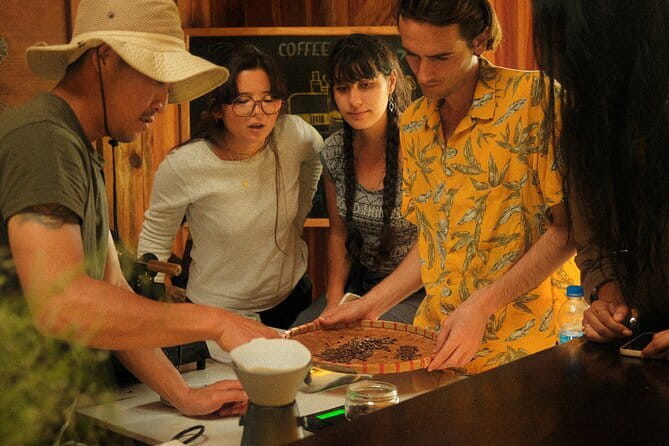
You’re visiting an Arabica plantation on-site. Even though you’re not there for a long agricultural field day, you still get to walk through the basics of how a farm operates and where coffee begins.
This part is valuable for two reasons. First, it helps you connect the coffee in your cup to the plant it came from. Second, it makes the later steps—processing and roasting—make more sense. When you know what coffee looks like at the plantation stage, the rest feels less like a workshop script and more like an actual sequence.
You’ll also benefit if you’re the kind of traveler who likes understanding systems, not just souvenirs. This tour is built for curiosity: you’ll be shown the process from farming to how beans get transformed for brewing.
Processing to roastery: how flavor changes before the coffee ever hits heat
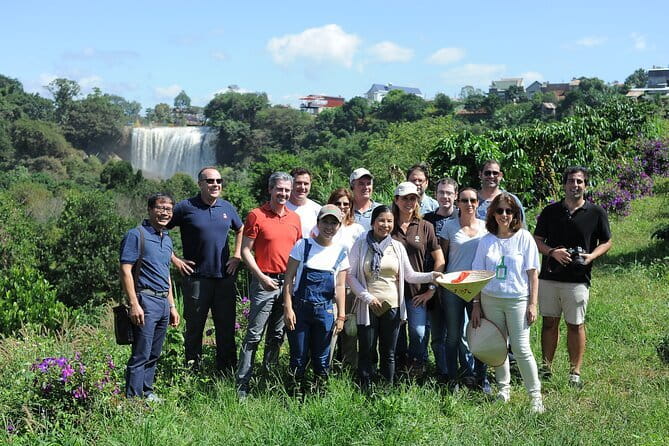
One thing this experience does well is keeping the learning connected. You’re guided through the overall coffee making process, including processing before you reach roasting.
Processing is where many flavor differences start. Even if you don’t leave with a chemistry textbook, you’ll walk away with a clearer sense of why the same coffee plant can taste different depending on how the beans are treated after picking.
Then you reach the on-site roastery and coffee shop area. This matters because you’re not jumping between places across town—you’re staying on the farm that’s doing the work. That farm-to-cup continuity helps you follow each step as a chain, not as random facts.
If your guide is Jessie (a name that shows up in the experience’s feedback), you can expect clear, step-by-step explanations. That kind of pacing makes it easier to remember what each stage is supposed to do.
Roast your own beans: the hands-on workshop that makes it stick
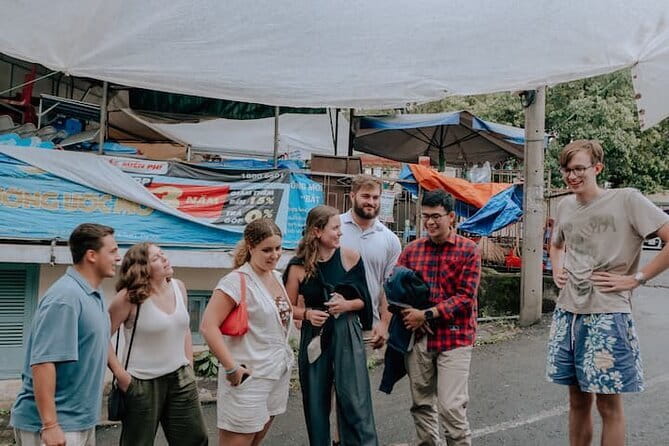
This is the part coffee lovers usually come for: you roast and taste your own coffee. That single change—from watching to doing—makes the whole experience memorable.
Roasting is more than a novelty. It teaches you how heat and time affect aroma and flavor. Even without getting super technical, you’ll learn that small choices during roasting can shift the end result you’re tasting.
When you get to the tasting portion, you’ll also understand that brewing isn’t just about water temperature and timing. Brewing is the final stage that turns roasted beans into a drink you can evaluate immediately. Since you roast, then brew, then taste right away, the cause-and-effect becomes obvious.
Practical tip for tasting: go slow and pay attention to aroma before you drink. If you’re the kind of person who usually orders coffee and moves on, this workshop nudges you into noticing what you’re actually tasting.
Brewing on-site: turning your roast into a cup you can evaluate
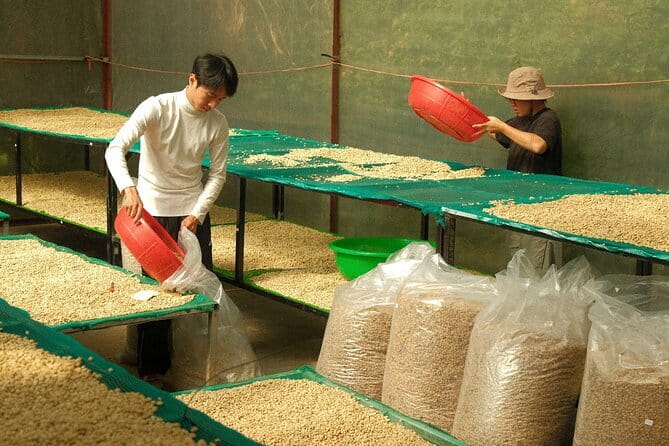
After roasting, you’ll brew your coffee on the spot. That gives you a direct link between what you did and what you end up drinking.
This is also where the workshop becomes good value. You’re not paying just for access to a farm. You’re paying for an experience where you actively produce something and then experience it immediately—no guessing, no waiting for a souvenir to remind you later.
I also like that the tour ends with coffee enjoyment at the farm itself. The on-site coffee shop makes it easy to keep the theme going, even after the workshop portion finishes.
November to January bonus: joining coffee harvesting
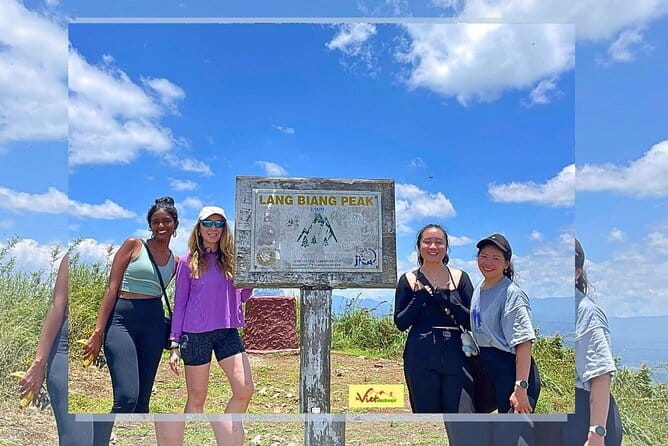
If you visit between November and January, there’s an option to join the team for coffee harvesting. That seasonal detail can change the feel of the trip from workshop-only to something closer to real farm work.
Harvest-season participation is a great fit if you like hands-on nature activities. It’s also a meaningful way to see that the farm’s calendar drives the experience—coffee is a yearly rhythm, not a permanent showroom.
If your dates fall outside that window, don’t worry. You’ll still tour the plantation and learn the full process, plus roast and taste.
Pickup, small groups, and the 20 km commute: the practical side
This is where the tour’s logistics actually affect your enjoyment. The farm is about 20 km from Da Lat center, so a pickup option can be a big help. On a tour that’s about 1 hour 15 minutes, shaving off extra travel hassle matters.
The maximum of 10 travelers also makes a difference. Small-group tours tend to feel less rushed for explanations, and they help you get answers when you’re curious about a specific step (like processing details or what roasting changes).
Also note the mobile ticket format. That’s a small thing, but it’s useful when you’re juggling scooters, buses, and changing plans around Da Lat.
Price and value: is $9.89 actually a good deal?
At $9.89 per person, this tour is priced like a budget-friendly workshop, but it doesn’t feel skimpy on content. You’re getting:
- a plantation visit
- instruction across the coffee making process
- a roasting and tasting session you actively participate in
- coffee enjoyment on the spot at the farm
If you’ve done tours elsewhere that only give you a quick view and then send you on your way, this one is structured around doing. That’s why the price feels fair: you’re paying for participation, not just scenery.
And because the group is capped at 10, you’re not likely to get drowned out by a huge crowd. That keeps the session feeling like a workshop instead of a cattle-line stop.
One extra value signal: it’s listed as a popular option recently. Busy demand often means the experience is easy to book, easy to run, and keeps consistent quality.
Who should book this coffee farm tour (and who might not)
This tour is ideal if you:
- love coffee and want more than tasting
- enjoy agriculture and nature settings
- want a short, structured activity that covers the full coffee workflow
- like hands-on workshops where you roast and taste your own cup
You might want to skip or adjust expectations if you:
- want a long, wandering farm hike with lots of downtime
- prefer experiences that run half a day or more
- hate structured activities and want total freedom
For most people in Da Lat, it hits a sweet spot: it’s short enough to fit into an itinerary, but interactive enough that you’ll leave with more than a photo.
Should you book Twin Beans Farm Coffee Workshop?
Yes—if you want a focused, hands-on coffee experience that explains the full pipeline from farm to cup. The big reason to book is simple: you roast and brew your own coffee, then taste it right away. That’s the kind of learning that sticks.
Before you go, line up your expectations with the timing. It’s about 1 hour 15 minutes starting at 1:30 pm, with a small group. If you’re okay with a concentrated workshop format (not an all-day farm stroll), you’ll likely feel it was money well spent.
FAQ
FAQ
How long is the Coffee Farm Tour with Roasting & Tasting Workshop in Da Lat?
The tour lasts about 1 hour 15 minutes.
Where is Twin Beans Farm located?
It’s located in Da Sar commune, Lac Duong District, Lam Dong province, about 20 km from Da Lat center.
What is the price per person?
The price is $9.89 per person.
Is pickup offered from Da Lat?
Pickup is offered.
What happens during the tour?
You visit the Arabica coffee plantation, learn the coffee making process from farming and processing to roasting and brewing, and take part in a roasting and tasting session.
Is roasting and tasting included?
Yes. You roast and brew your own coffee and enjoy it on the spot.
Can I join coffee harvesting?
If you go between November and January, you can join the team for coffee harvesting.
How many people are in a group?
The experience has a maximum of 10 travelers.
When does the tour start?
The start time is 1:30 pm.
Is free cancellation available?
Yes, free cancellation is available if you cancel up to 24 hours in advance for a full refund.