REVIEW · CRETE
Chania Area: Cooking Class at a Farm in Stylos Village (organic)
Book on Viator →Operated by Veggera · Bookable on Viator
Cretan cooking starts with farm chores. On this organic farm day in Stylos, you’ll walk through the animals first, including goat milking, and then learn how olive-growing and vineyard life connect to what ends up on your table. I also like that the focus stays practical: you get the how, not just a lecture about Crete.
The best part for me is the lunch you build from real local ingredients—olive oil, vegetables, local meat, and cheeses—followed with wine and the famous raki, plus stories and traditional music. The main drawback: it’s a hands-on farm experience with some walking and countryside time, so if you need flat, easy terrain and a super low-activity schedule, you’ll want to think it through first.
In This Review
- Key things I’d circle before you book
- A real family farm setup in Stylos
- Diktamos Gorge: countryside time before the kitchen work
- Meet the team: the hosts who make it feel personal
- From free-range sheep to the “how it’s made” moments
- Olives, olives, and more olive oil than you expect
- Coffee first, then lemonade and photos (yes, that view)
- Cooking with Sofia: hands-on dinner work you can repeat
- Lunch built from farm ingredients, paired with Cretan drinks
- When cooking turns into singing and dancing
- Why the price feels fair (and when it might not)
- Timing, group size, and what to wear
- For who this is perfect—and who should look elsewhere
- Should you book the organic farm cooking class in Stylos?
- FAQ
- How long is the cooking class experience?
- Where does the experience start and where does it end?
- Is the experience offered in English?
- How many people are in the group?
- What farm and food activities are included?
- Are service animals allowed?
- Is there free cancellation?
Key things I’d circle before you book
- Maximum 8 people means you get real attention, not a hurried group shuffle
- Goat milking and cheese making are more than photo ops; you’re involved
- Threshing floor + olive and vineyard lessons connect daily farm life to dinner
- Coffee, lemonade break, and a view for photos keep the day from feeling rushed
- Lunch is built from farm-sourced ingredients and paired with wine and raki
- Traditional music, stories, and dancing/singing can turn cooking into an evening you remember
A real family farm setup in Stylos
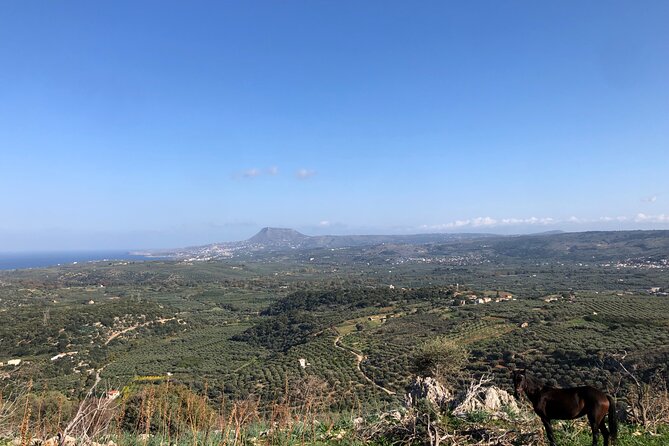
This isn’t a cooking class that happens in a kitchen somewhere else. You go to a working farm, walk its rhythms, and then cook using what the farm provides. That difference matters, because you’re not trying to remember facts later—you’re tasting and doing while the lesson is happening.
In Stylos, you’ll get that small, close-group feel fast. The day runs about 5 hours and caps at 8 travelers, so the hosts can slow down. That sets the tone for everything that follows: animal time, village stories, cooking, then a meal that feels like it belongs to the place.
You can also read our reviews of more tours and experiences in Crete.
Diktamos Gorge: countryside time before the kitchen work
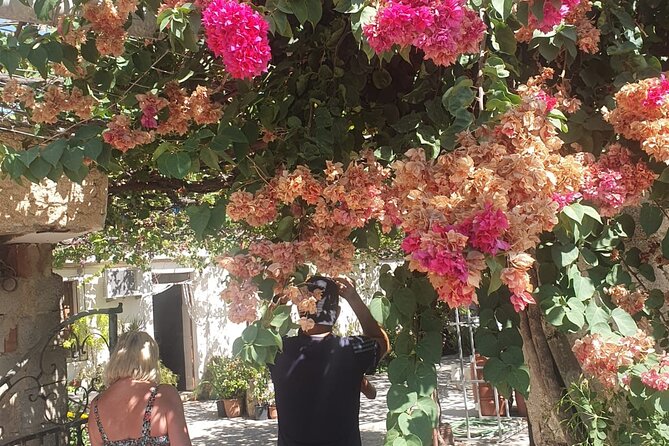
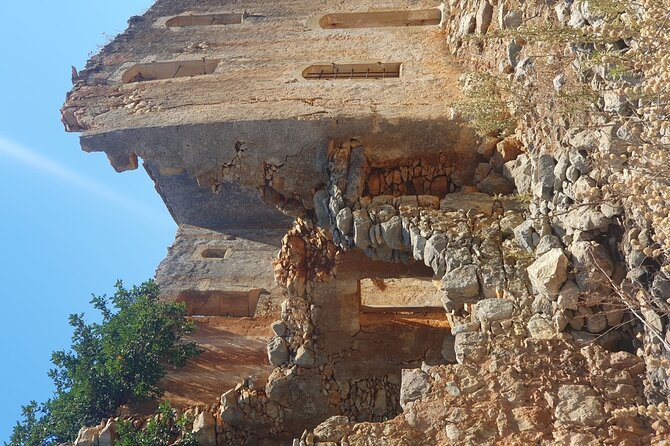
Your day includes a stop at Diktamos Gorge. Even without turning it into a big hiking push, it adds variety and context. You get that sense of Crete outside the village walls—rocky countryside, open air, and the kind of views that make you grab your phone even if you swear you’re not a phone person.
The practical takeaway: wear shoes that handle uneven ground. A day like this mixes farm paths with countryside stops. Comfortable walking footwear is the simplest way to protect your day.
Meet the team: the hosts who make it feel personal
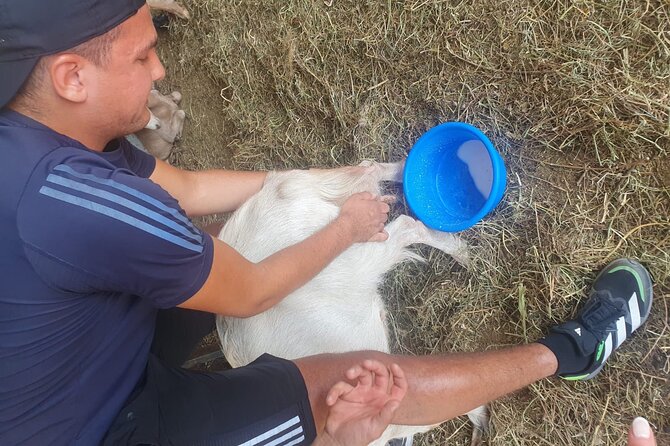
The hosts are the reason this experience earns such strong marks. Sofia is the chef teaching the cooking. Nikos helps guide the village and farm time. You also get a glimpse of family life through visits around the area, including time with the Yia yia—your chance to see the older generation’s way of doing things, not just a rehearsed performance.
This is one of those days where the conversation doesn’t sit on the side. You’ll talk while you work. You’ll ask questions while food cooks. And when people feel at ease, the day tends to feel lighter—which helps when you’re doing hands-on tasks.
From free-range sheep to the “how it’s made” moments
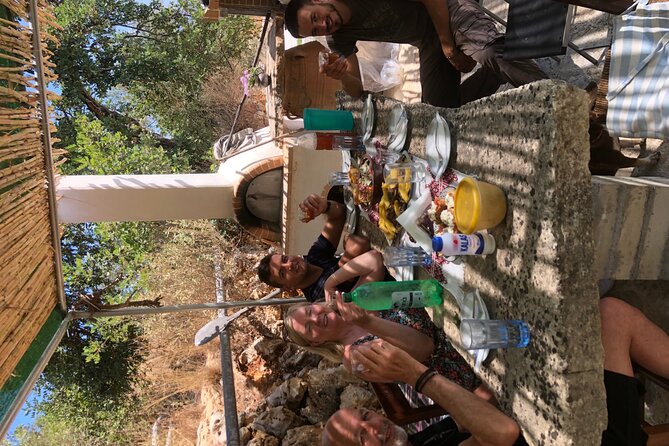
One of the first things you do is walk through free range sheep. It’s not a zoo stop. It’s the start of understanding how animals and land support the food system here.
Then the fun shifts into action:
- You’ll get goat milking experience.
- You’ll learn cheese making.
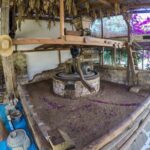
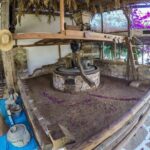
- You’ll walk on a threshing floor and hear about olives and the vineyard.
I like that the activities aren’t random. They form a chain. Animals connect to dairy and care. Olives and the vineyard connect to everyday staples—olive oil, wine, and the flavors that shape Cretan cooking. You leave with a clearer sense of why the food tastes the way it does.
Olives, olives, and more olive oil than you expect
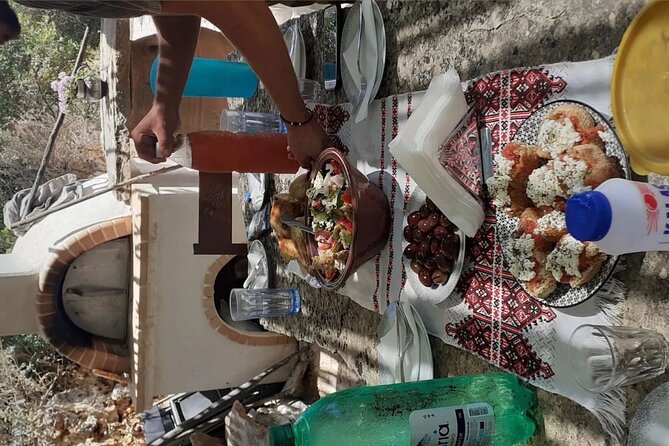
Crete’s food reputation often starts with olive oil. Here, you actually see how it fits into daily cooking decisions. You’ll learn about olives and the vineyard, then later you’ll taste olive oil’s role in what you eat—not just as a finishing drizzle.
One small but useful tip: pay attention during the tasting and prep parts. If you’re curious about how olive oil gets used in real recipes, ask while you’re at the station. The hosts are teaching in a way that lets you copy techniques at home, not just admire flavors.
Coffee first, then lemonade and photos (yes, that view)
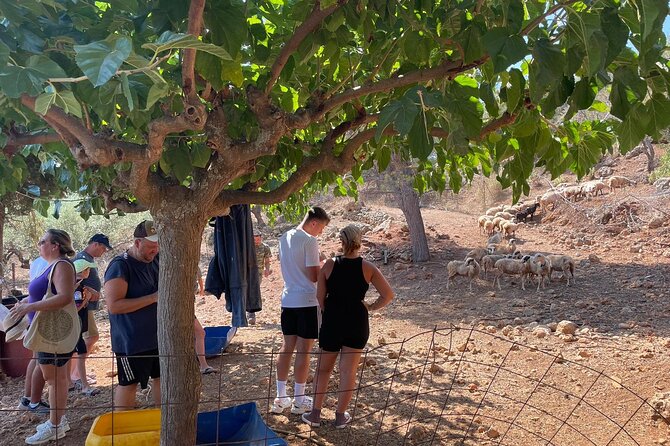
The day starts at a relaxed pace with coffee and water. That matters if you’re traveling and you don’t want to start sprinting. It also helps you ease into the farm rhythm before tools and ingredients show up.
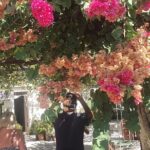
Later, you’ll get a break with homemade lemonade, plus a moment to take photos from an incredible view. The view isn’t just a scenic pause. It’s a signal that you’re doing the full day—farm time, village time, then meal time—rather than a short class with a quick exit.
Cooking with Sofia: hands-on dinner work you can repeat
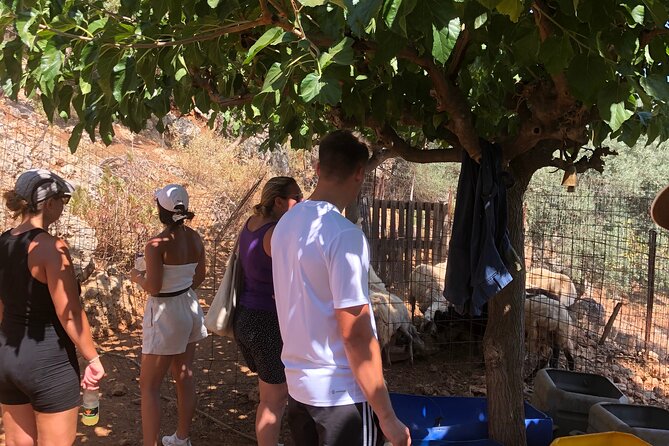
Sofia teaches the cooking, and you’re not just watching. You cook as part of the group, with guidance while ingredients and timing line up. That hands-on structure is a huge part of why this works so well. You get the steps in context, which makes it easier to recreate later.
The meal and dishes can include Cretan staples like dakos—toast with tomato—and in this experience, it can be made with homemade myzithra cheese. You’ll also use ingredients sourced from the farm, including vegetables, local meat, cheese, and of course extra virgin olive oil.
If you enjoy learning by doing, this is your setup. If you prefer stand-back-and-watch classes, this might feel more active than you expect—though the pace is said to feel comfortable.
Lunch built from farm ingredients, paired with Cretan drinks
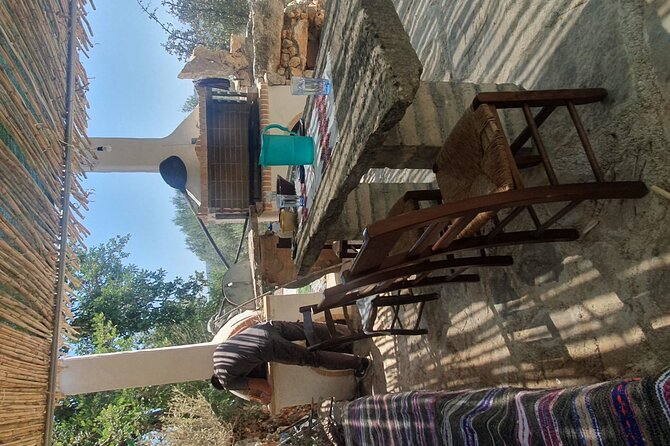
After the farm work and lessons, you return and prepare lunch. This is the meal that turns the day from educational into genuinely satisfying.
What you can expect at lunch:
- Hearty Cretan ingredients like extra virgin olive oil, fresh vegetables, and local meat
- Homemade cheese
- Wine and raki (the famous Cretan spirit)
- Stories about Cretan culture and traditional music
I love that the food isn’t treated like an afterthought. It’s the point. You spend the morning learning where things come from, and then you eat what those systems produce.
One thing to note: wine and raki are part of the meal experience. If alcohol isn’t your thing, you’ll still enjoy the food and the culture side, but you should plan your pace accordingly.
When cooking turns into singing and dancing
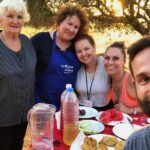
This day can go beyond talk-and-taste into shared celebration. There’s room for dancing and singing, and you may also join the family and neighbors in informal moments during the day. The vibe is warm and communal, with the hosts making sure you feel like you belong—not like you’re a ticket number.
The practical lesson here: show up curious and open to chatting. Your day will likely match your energy level. If you want to connect with the family through conversation, you’ll find plenty of moments to do it.
Why the price feels fair (and when it might not)
At $145.99 per person for around 5 hours, this isn’t a cheap add-on. But it’s also not priced like a “watch and snack” class. You’re paying for:
- Small group size (max 8)
- A farm tour with multiple hands-on activities (goat milking and cheese making)
- A meal built from locally sourced ingredients from the farm
- Drinks with lunch (wine and raki)
- Cultural storytelling and traditional music
Also, the experience books up well. On average, it’s reserved about 49 days in advance, which is a sign of steady demand and limited capacity. If you’re traveling in a busy season, earlier booking is a smart move.
When might it not be your best use of money? If you’re strictly budget-driven, or you want a short, easy, sit-down-only activity. This is best when you’re ready for a full, active, family-centered day.
Timing, group size, and what to wear
This is a half-day experience at roughly 5 hours, starting back at the meeting point and ending there again. The start location is at VeggeraC4PC+4G, Stilos 730 03, Greece.
What to wear:
- Shoes with grip for uneven farm ground and countryside stops
- Sun protection for the outdoor parts (hats and sunscreen are practical)
- Light layers, because outdoor weather can shift in Crete
Because most travelers can participate and service animals are allowed, the setup is broadly welcoming. Still, since it includes farm and countryside time, bring the mindset of “comfortable walking” rather than “museum-style stroll.”
For who this is perfect—and who should look elsewhere
This experience fits best if you want something more real than a standard food tour:
- You love hands-on cooking
- You enjoy farm life and want time with animals
- You want Crete through family stories, not just restaurant reviews
- You’re happy to spend a few hours working with your hands and eating what you make
It might be less ideal if:
- You want a fully passive experience
- You need zero walking on uneven ground
- You avoid dairy or meat and require strict menu control (the day is centered on hearty Cretan ingredients like cheese and local meat)
Should you book the organic farm cooking class in Stylos?
If you’re in the Chania area and you want a day where food and culture actually connect, I think this is an easy yes. The standout ingredients here are the people and the process: goat milking, cheese making, olive-and-vineyard lessons, then a lunch made from the farm’s own produce, paired with wine and raki, plus stories and music.
Book it sooner rather than later since it fills ahead on average. And when you go, don’t treat it like a checklist. Ask questions while you cook. Say yes when the hosts invite you to participate. That’s when the day turns from a great class into a real memory.
FAQ
How long is the cooking class experience?
The experience runs for about 5 hours (approx.).
Where does the experience start and where does it end?
It starts at VeggeraC4PC+4G, Stilos 730 03, Greece and ends back at the same meeting point.
Is the experience offered in English?
Yes, it is offered in English.
How many people are in the group?
The experience has a maximum of 8 travelers.
What farm and food activities are included?
You can expect free range sheep, goat milking, cheese making, time on a threshing floor, learning about olives and the vineyard, a lemonade break, cooking and preparing lunch with Cretan ingredients, and cultural stories with traditional music.
Are service animals allowed?
Yes, service animals are allowed.
Is there free cancellation?
Yes. There’s free cancellation, with a full refund if you cancel up to 24 hours in advance of the experience start time.