REVIEW · CRETE
Kleanthi Olive Farm: Guided Tour with Local Delicacies Tasting
Book on Viator →Operated by Kleanthi · Bookable on Viator
Olive oil tours beat museum walks. Kleanthi Olive Farm gives you a guided walk through the grove and the mill, with tastings that connect oil production to how people actually eat in Crete, and it fits nicely into a short visit. I like the 1 hour 15 minute timing (no half-day commitment), and I especially like how the tasting turns olive oil into a real food experience, not just a sip-and-go.
One thing to watch for: during off-season, the mill may not be running, so the tour leans more toward groves, farming, and tastings rather than watching the full production line in action.
In This Review
- Key highlights worth planning for
- A short tour that still feels complete
- Entering the olive groves: where the story starts
- The mill visit: what you’ll see depends on harvest season
- The tasting table: olive oil with real Cretan foods
- Onsite store time: buy what you actually liked
- Price and logistics: value for a short, well-paced stop
- Who should book Kleanthi Olive Farm (and who might hesitate)
- Should you book this tour?
- FAQ
- How long is the Kleanthi Olive Farm guided tour?
- What is the price per person?
- Where does the tour start?
- Is the tour offered in English?
- What happens if the weather is bad?
- Is there a limit on group size?
- Is a mobile ticket used?
- Are service animals allowed?
- Is there free cancellation?
- Does the mill always run during the tour?
Key highlights worth planning for
- Family-run farm vibe: You’re meeting the people behind the oil, not touring a faceless factory.
- Grove-to-bottle storytelling: You get the full chain, from trees through processing.
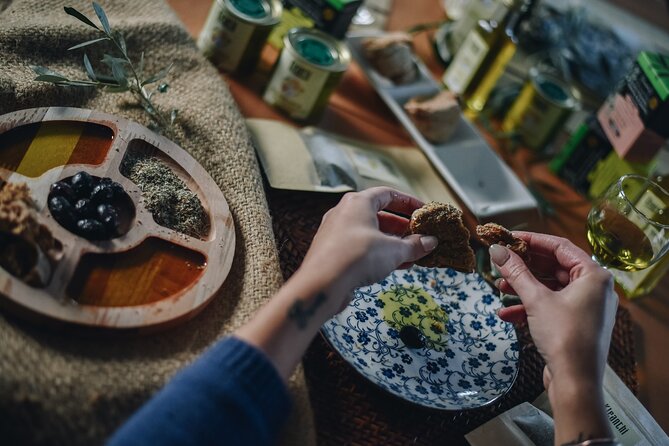
- Tasting with Cretan pairings: Olive oil is served with bread, cheeses, fruit, honey, herbs, and more.
- Season affects what you see: Harvest time is more visual; off-season shifts the focus.
- No-pressure shopping: You can buy at the onsite store, but it doesn’t feel pushy.
- Small-group feel: Maximum of 40 travelers, with guided attention along the way.
A short tour that still feels complete
This is the kind of experience that works even if you’re not trying to plan your whole day around one activity. The total time is about 1 hour 15 minutes, and you go back to the meeting point at the end. That matters because you can pair it with other Crete stops without burning half your day.
The format also keeps the focus tight. You walk the olive groves, then you see how olives become olive oil (including equipment and explanations), and you finish by tasting the oil with local foods. It’s a clean flow: plants → process → plate.
And the price is fairly friendly for what you get. At $25.34 per person, you’re not only paying for a guided visit—you’re paying for the tasting experience and the food pairings that come with it.
You can also read our reviews of more tours and experiences in Crete.
Entering the olive groves: where the story starts
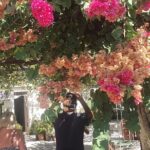
Your visit begins at the Kleanthi Olive Farm meeting point in Skalani 715 00, Greece, and the first stretch is the olive grove walk. This is where the farm becomes more than a backdrop. You get to see the trees and hear how olive cultivation works in a place where olive oil isn’t a trend—it’s part of daily life.
What I’d pay attention to here is the pace and the questions you can ask. Reviews mention guides like Mary, George, Yannis, and Theodora, with hosts who are happy to answer questions and talk through the process. That’s a big deal for a short tour: you want a guide who can explain in plain language and keep the group moving without rushing the important bits.
Also, this grove walk is a good reset if you’ve been driving all morning. Olive groves have a way of slowing things down. You’re not walking far, but you’re walking in the real setting where the product comes from.
The mill visit: what you’ll see depends on harvest season
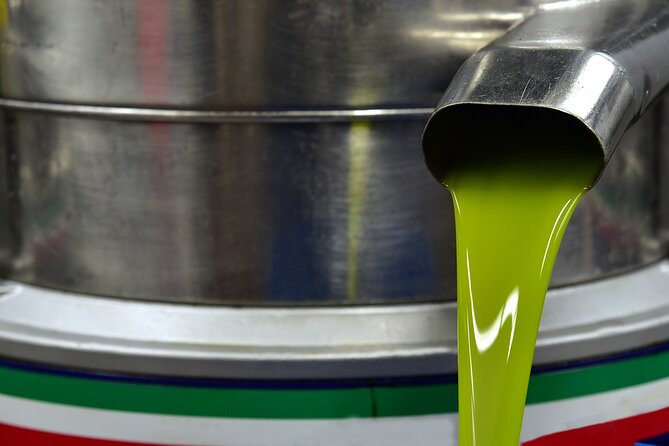
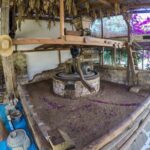
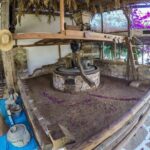
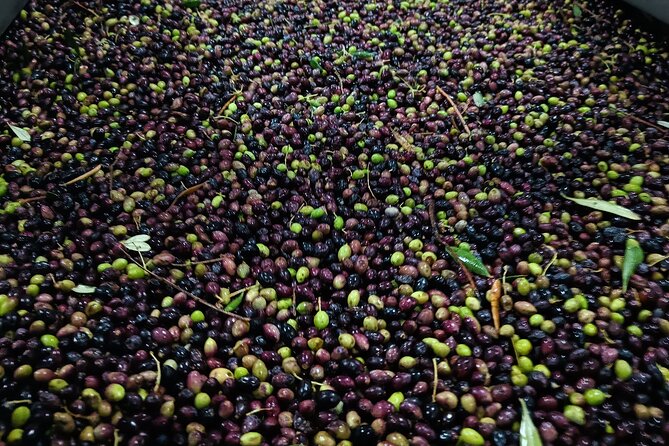
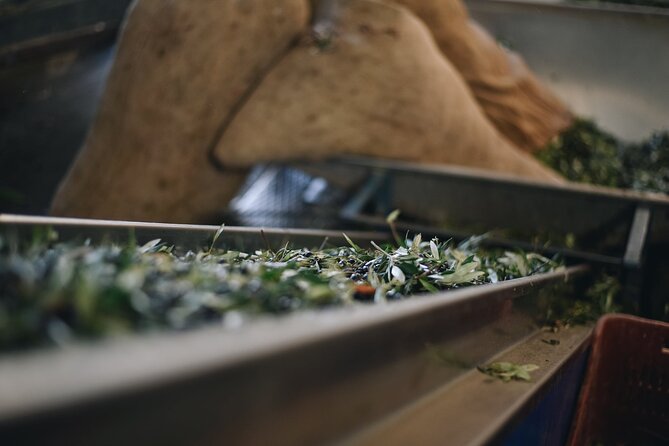
After the grove, you’ll shift from “trees and tradition” to “how it’s made.” The mill portion is where the tour’s educational value shows up: you see equipment, hear about the processing steps, and (if timing lines up) you can watch more of the activity.
Here’s the practical consideration: outside harvest months, the production line may not be operating. One review even called out that the visit felt dull when the place was quiet. The farm team’s own explanation makes it clear why: without harvest production running, the experience focuses more on olive cultivation history, the groves, and the tasting of extra virgin olive oils.
If you care about seeing the process in motion, try to time your visit closer to harvest. If you’re okay with a more “history + hands-on tasting” version, off-season can still work. Either way, you’ll leave with a stronger idea of how olives move from tree to oil.
The tasting table: olive oil with real Cretan foods
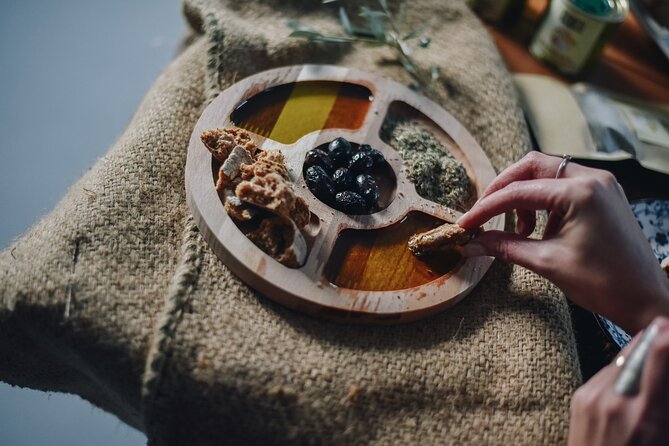
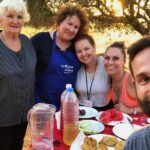
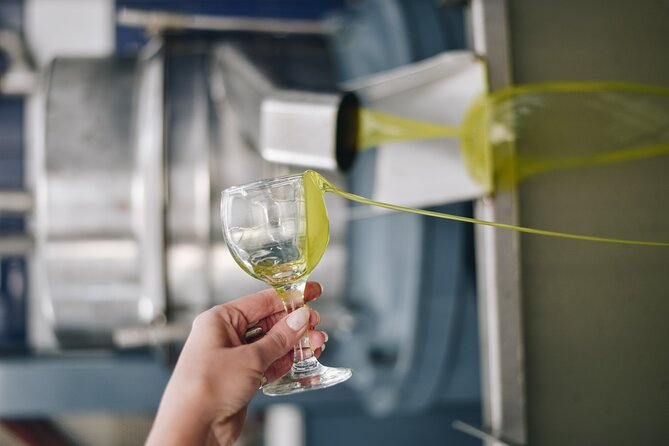
The tasting is the main event, and it’s where this tour earns its very high rating. The setup is a seated tasting experience where you sample their olive oils alongside a spread of local delicacies.
What makes this part enjoyable is the variety. You’re not just drinking oil by itself—you’re tasting it with foods that show different flavors and textures. Reviews describe pairings like:
- bread and other simple staples
- cheeses
- tomatoes and olives
- fruit (including items served with flavors like syrup)
- yoghurt
- honey
- herbs such as oregano and thyme
- and even items like smoked meat and sweet elements like figs/grapes in syrup
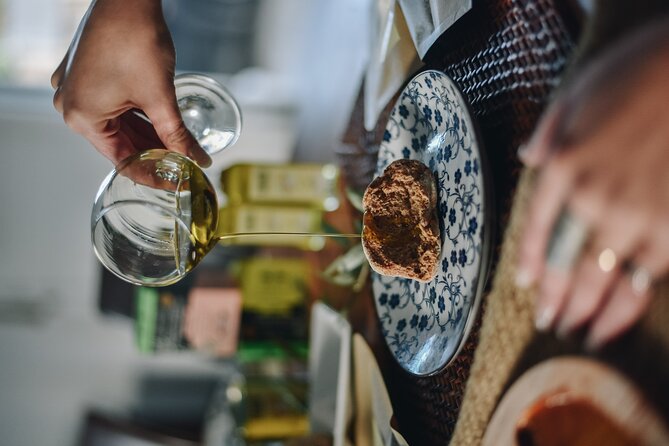
You’ll also see how they serve variations. One detailed review describes the oil being poured with different flavor accents in different parts of the dish—think oregano, thyme, honey, and syrup—so you can taste how the oil changes depending on what it’s paired with.
For olive oil lovers, this is the payoff: you learn ways to enjoy it that go beyond the basic salad dribble. The food pairings give you a practical mental cheat sheet for eating it at home.
Onsite store time: buy what you actually liked
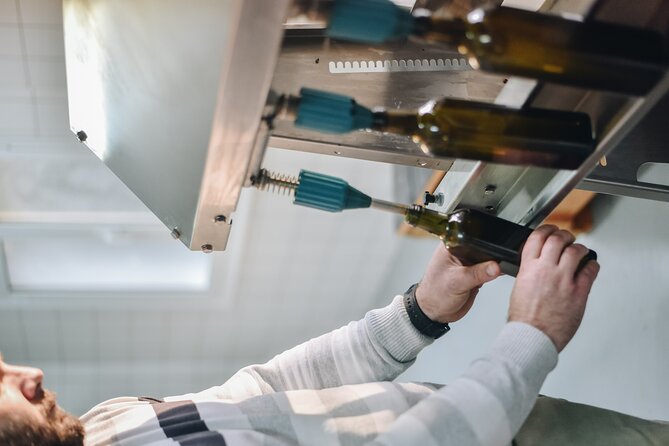
After the tasting, you can visit the onsite shop to purchase bottles of Kleanthi Olive Oil. This matters because olive oil is one of those things where the “good” version can be a big step up from what most people buy in supermarkets.
A helpful detail from reviews: the sales approach is relaxed. People mention that there’s no hard sell, which you’ll appreciate if you’re just trying the oils and don’t want to feel pressured. If you find a flavor you love—especially if you liked how it performed in the tasting with herbs, honey, or sweet pairings—this is when you can take that experience home.
Tip: if you’re buying multiple bottles, consider buying based on how you plan to use it. The tour tasting gives you a good sense of which bottles fit certain pairings.
Price and logistics: value for a short, well-paced stop
Let’s talk value in plain terms. You’re paying $25.34 for roughly 1 hour 15 minutes of guided time plus tasting and local delicacies. For Crete, that’s solid—especially because you’re getting both instruction (groves and mill) and a food component that turns learning into something you can remember.
Group size is capped at 40 travelers, which helps keep the experience from turning into a fast conveyor belt. It’s still a group tour, so it won’t feel like a private class, but the structure is designed to fit into a manageable time block.
Also, the tour uses a mobile ticket, which is convenient if you’re already juggling tickets, buses, and ferry schedules. The meeting point is straightforward, and the tour is described as near public transportation, which gives you options if you don’t want to drive.
One more practical note: the experience requires good weather. If conditions are bad, it can be canceled and you’ll be offered a different date or a full refund. That’s not a dealbreaker, but it’s smart to plan your farm visit on a day when weather looks stable.
Who should book Kleanthi Olive Farm (and who might hesitate)
This tour fits best if you want food, farming, and a short commitment.
You’ll likely love it if:
- olive oil is on your list of must-tastes in Crete
- you enjoy learning through real steps (grove → processing → tasting)
- you like guided experiences that end with something you can eat
- you’re traveling with family; reviews specifically mention kids enjoying the farm and tasting
You might want to think twice if:
- you’re visiting strictly during off-season and want the mill running at full production (the mill may not be operating then)
- you prefer long, immersive excursions with lots of walking or multiple stops (this is short by design)
The upside is that even the quieter version still centers on olive cultivation and tastings. It just won’t have the same “production line in action” vibe if harvest isn’t happening.
Should you book this tour?
Yes, if you want a practical, tasty introduction to Cretan olive culture in a tight time window. The high rating and repeated praise for the tasting point to strong value: you leave with a better sense of how oil is made and how you can use it in meals, not just how it’s bottled.
My main decision point is season. If you can visit during harvest, you’re more likely to get the full visual story at the mill. If you’re there off-season, plan to treat it as a grove-and-tasting experience first, with the process explained even if it’s not running at full speed.
FAQ
How long is the Kleanthi Olive Farm guided tour?
The tour is approximately 1 hour 15 minutes.
What is the price per person?
The price is $25.34 per person.
Where does the tour start?
The tour starts at Kleanthi Olive Farm, Skalani 715 00, Greece.
Is the tour offered in English?
Yes, it’s offered in English.
What happens if the weather is bad?
This experience requires good weather. If it’s canceled due to poor weather, you’ll be offered a different date or a full refund.
Is there a limit on group size?
Yes. The tour has a maximum of 40 travelers.
Is a mobile ticket used?
Yes, it’s listed as a mobile ticket.
Are service animals allowed?
Yes, service animals are allowed.
Is there free cancellation?
Yes. You can cancel for free up to 24 hours in advance for a full refund.
Does the mill always run during the tour?
It depends on the season. Outside harvest months, the production line may not be in operation, so the experience focuses more on the groves, history, and tastings. During harvest time, the mill is in full activity.