REVIEW · CRETE
Traditional Olive Oil Making at Spiridi Olive Oil Farm – Crete
Book on Viator →Operated by Cretan Olive Oil Farm · Bookable on Viator
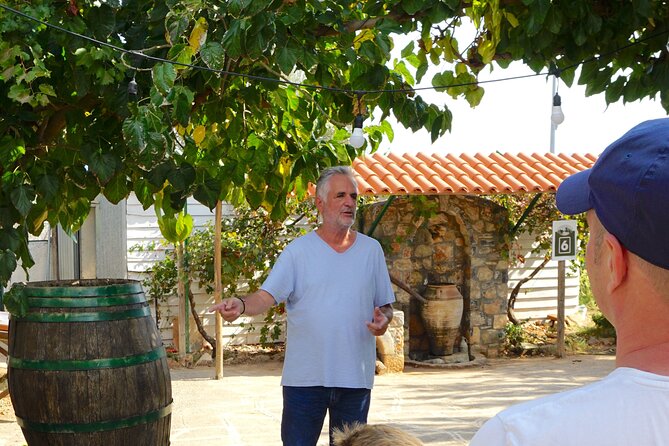
A good olive oil story starts with your hands. At Spiridi Olive Oil Farm in Crete, you get a fully hands-on workshop inside a 130-year-old olive oil factory, where you’ll weigh olives, crush them with a stone mill, and press the paste with a manual wooden press. I love how practical it is—you’re not watching from behind glass. I also like the small-group feel (up to 10 people) and the English guidance from the Spiridi team, including the professional hospitality people associate with Tassos and staff.
One thing to plan for: it’s a workshop, not a meal. Aside from water, you won’t get food here, so you’ll want to schedule lunch before or after.
In This Review
- Key things to know before you go
- Spiridi Olive Oil Farm: A real working factory, not a staged show
- The 90-minute workshop: what you’ll do from start to finish
- Crushing olives with the stone mill: why this step matters
- Pressing with a manual wooden press: the craft moment
- Tasting olive oil and taking home a 100ml bottle
- Price and logistics: value for hands-on time
- Before you book: who this workshop fits best
- Should you book Traditional Olive Oil Making at Spiridi Olive Oil Farm?
- FAQ
- How long is the Traditional Olive Oil Making workshop?
- Where does the workshop start and end?
- What does the workshop include?
- Is food included?
- Is the workshop offered in English?
- How big is the group?
- What souvenir do I get?
- Can I cancel and get a refund?
- Are service animals allowed?
Key things to know before you go
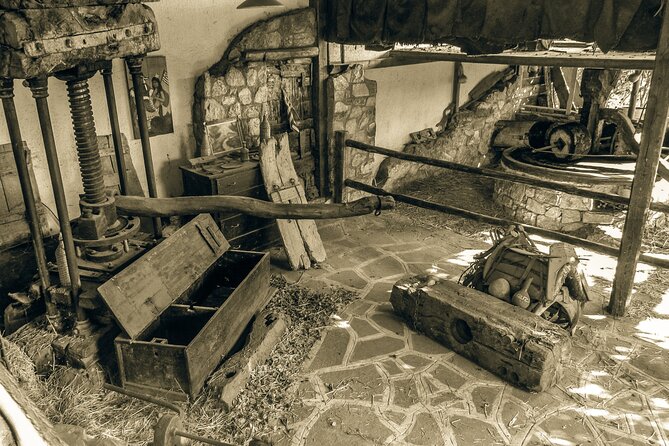
- Hands-on crushing and pressing with historic-style equipment you actually operate
- Small group size (max 10) so you get time to do the steps, not just look on
- Access to a working 130-year-old factory for a real sense of how this was done
- 100ml souvenir bottle of their extra virgin handmade olive oil
- Olive oil tasting at the end so you can connect process to flavor
- Water provided, but you’ll need to plan food separately
Spiridi Olive Oil Farm: A real working factory, not a staged show
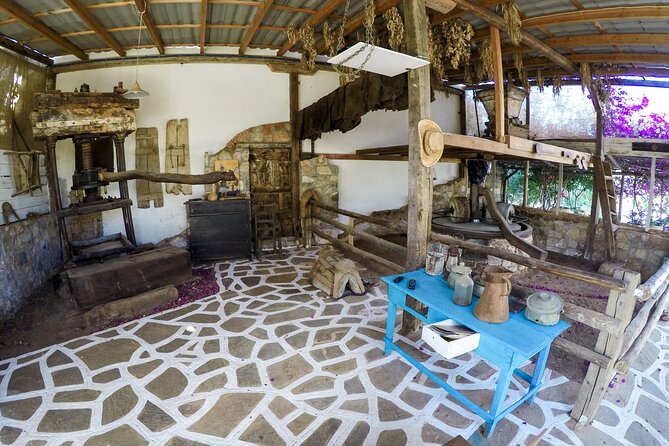
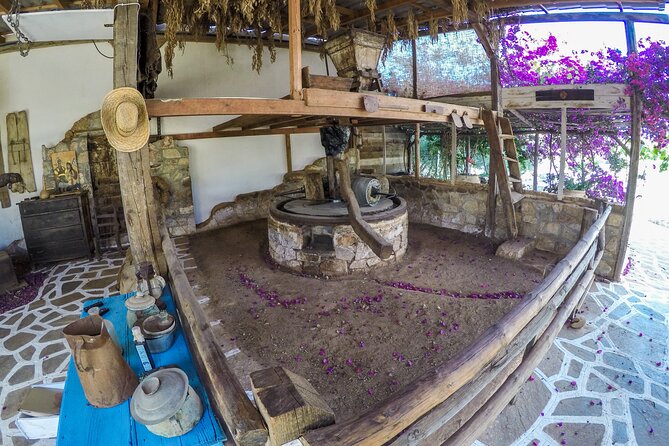
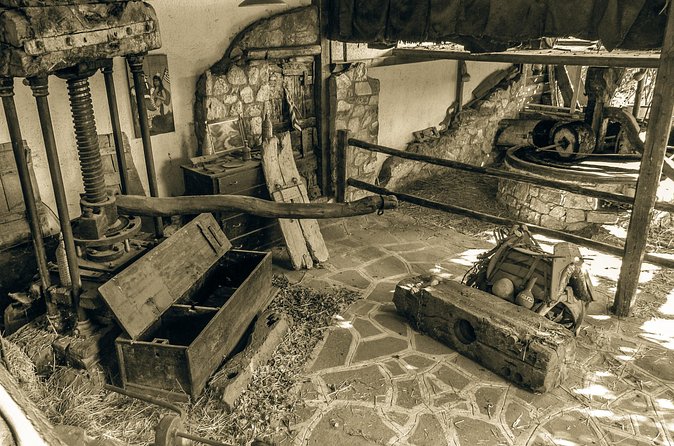
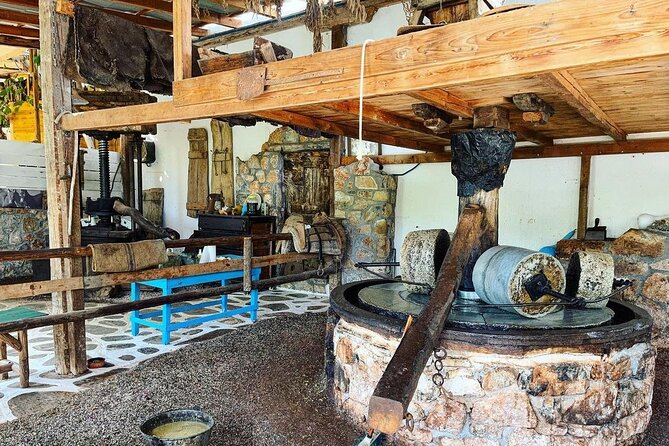
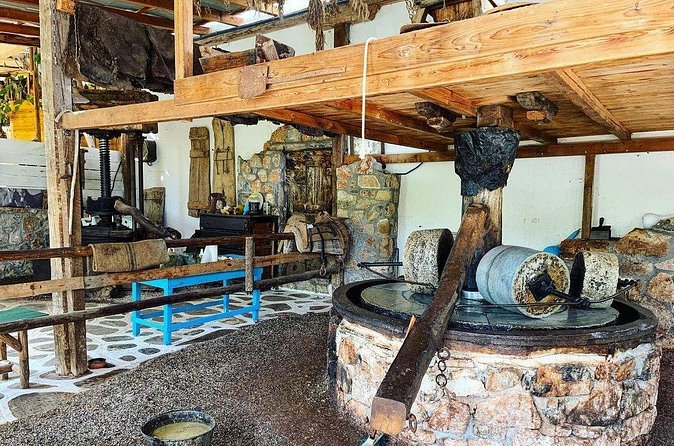
This is the kind of activity that helps you understand olive oil instead of just tasting it. Spiridi’s farm workshop takes place in a 130-year-old olive oil factory, so the setting matches the process. You’re learning a traditional method step by step, using equipment that reflects how families made oil long before modern automation.
What makes it especially appealing is the balance between instruction and action. The Spiridi team guides you through each phase—so you’re not left guessing at how hard to push, how to handle the crushed olives, or what the press is doing. And because the group is capped at 10, it feels more like a shared practical lesson than a crowded attraction.
If you’re planning your day around Ag. Nikolaos (the meeting point is listed at Cretan Olive Oil Farm in Ag. Nikolaos), this fits well as a morning activity. It starts at 10:30 am and runs about 1 hour 30 minutes, which gives you enough time afterward to wander on your own without feeling rushed.
You can also read our reviews of more tours and experiences in Crete.
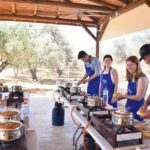
The 90-minute workshop: what you’ll do from start to finish
The workshop is structured like a production line—because that’s how oil making works. Even if you’ve never touched a stone mill before, the flow is straightforward, and the guidance is constant.
Here’s what you can expect during the session:
- Weighing olives
This sets the scale for the whole process. It’s also a quick reality check for how much fruit goes into oil—useful context for anyone who’s used to olive oil as a pantry product, not a handmade outcome.
- Crushing with a stone mill (by pushing it yourself)
Instead of a pretend “press button” experience, you push the mill to crush olives. That hands-on motion matters because it’s the moment the fruit becomes paste. You’ll feel the effort involved, and you’ll understand why this step takes time.
- Transferring the crushed olives into large sacks
This step helps you see how paste is handled before pressing. It’s not glamorous, but it’s practical—and it’s part of the craft side of making oil.
- Pressing the olive paste with a manual wooden press
This is where you feel the workshop turn from preparation into actual oil extraction. The manual press is clearly a hands-on tool, and the Spiridi team helps you through it so you’re not just watching a mechanism do the work.
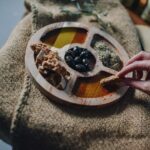
- Olive oil tasting at the end
After the practical steps, tasting gives you the payoff. You’re not tasting a random product—you’re tasting something that connects to what you just saw and handled.
They also provide drinking water, which is a small detail, but it helps keep the session comfortable since you’ll be physically engaged.
Crushing olives with the stone mill: why this step matters
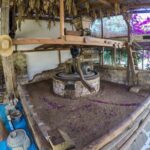
Crushing is where the magic becomes practical. The stone mill is traditional, and pushing it yourself turns olive oil making into a real physical experience. That effort helps you understand what olive oil production used to require: time, strength, and attention.
I like this part because it doesn’t just teach you the steps—it teaches you the relationship between texture and outcome. When olives go from whole fruit to crushed paste, you’re changing how the material holds together. And when you’ve done that work, the tasting at the end makes more sense. Even if you don’t know the language of oil flavors yet, you’ll recognize what’s meant to be extracted.
One tip: wear shoes that can handle farm floors. You don’t need hiking boots, but you do want something sturdy and grippy. It’s not listed as a hiking activity, but you will be moving around a working factory space.
Pressing with a manual wooden press: the craft moment
The manual wooden press is the centerpiece of the workshop. This is the step where you move from crushed olives and sacks to extracted oil. It’s also the part where people tend to slow down mentally because you can see what’s happening and feel how manual it is.
A manual press forces you to respect the process. You can’t treat it like an instant gadget. The guidance from the Spiridi team makes it less intimidating, but the pace still feels traditional: steady, deliberate, and hands-on.
This step is also a great match for groups of mixed experience levels. Someone who loves cooking will enjoy learning how pressing affects results. Someone who just wants something local and memorable will like that it’s clearly different from a standard museum stop.
Tasting olive oil and taking home a 100ml bottle
The workshop ends with an olive oil tasting—and that’s not filler. The tasting closes the loop between action and flavor. You’ll get a better sense of why olive oil is treated like something you make with care, not something you buy without thinking.
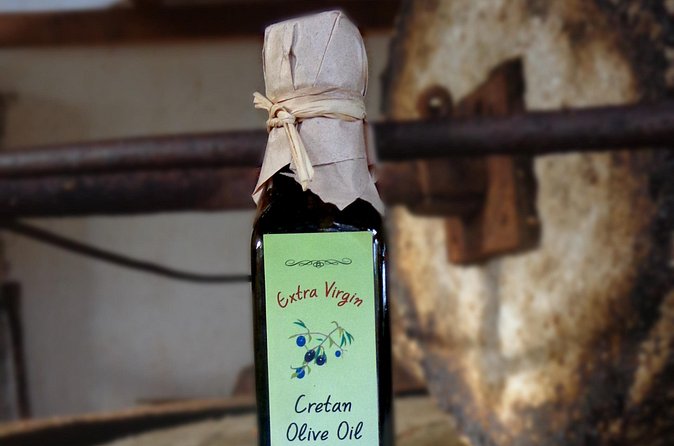
Then you take home a 100ml bottle of their extra virgin handmade olive oil as a souvenir. For me, that matters more than a generic postcard or candy. It’s a usable memory you can share or use in your own kitchen, which keeps the experience alive after you leave Crete.
If you’re the type who likes to compare tastes, this is the perfect stage to do it. You now have a personal story tied to the oil in your hand, and you can notice differences when you sample other oils later in your trip.
Price and logistics: value for hands-on time
At $78.60 per person for about 1 hour 30 minutes, this workshop is priced like an experience where the staff time and hands-on materials matter. If your goal is a quick look at olive oil, you’ll likely feel it’s too specialized. If your goal is a genuine “do it yourself” local craft, the price starts to make sense.
Here’s where the value is strongest:
- You’re actively operating traditional tools (stone mill and manual press), not just watching.
- You get a souvenir bottle (100ml) plus tasting, which adds tangible payoff.
- The group stays small (max 10), so the experience doesn’t feel rushed or crowded.
A practical note: the tour includes water, but food isn’t included. So plan lunch outside the workshop window. If you’re pairing this with other stops in the Ag. Nikolaos area, you’ll likely want something casual right afterward so you’re not hungry and tired at the same time.
It’s also offered in English, and you’ll receive a confirmation at booking. The ticket is listed as mobile, which is helpful if you travel light and want less paper.
Before you book: who this workshop fits best
This experience is a strong fit if you want something local that goes beyond scenery. The hands-on olive pressing makes it ideal for:
- food-focused travelers who like seeing how ingredients are made
- people who enjoy interactive workshops (especially small-group ones)
- families and friends who want a shared activity with a clear outcome
It may feel less ideal if you want an extensive sitting tour, or if you need food included during the experience. Also, because it’s a hands-on workshop, you should be comfortable with the idea of being physically involved for the full session.
One more practical point: the farm experience is part of a broader property with shopping on-site, and people have mentioned extra learning options like tablet-based explanations after the workshop. Even if that’s not the main reason you came, it’s nice when you want to linger and learn more without turning it into a whole separate tour.
Should you book Traditional Olive Oil Making at Spiridi Olive Oil Farm?
If you’re choosing between a quick tasting stop and something you can actually do, I’d lean toward booking this one. The key advantage is the full hands-on sequence inside a working, older olive factory, paired with a small group and an end-of-session tasting plus take-home oil.
Book it if you want a practical, local craft experience in Crete—one that results in something you can use after your trip. Skip it only if you mainly want entertainment, prefer to watch rather than participate, or you’re planning your day around having a full meal included.
FAQ
How long is the Traditional Olive Oil Making workshop?
The experience lasts about 1 hour 30 minutes.
Where does the workshop start and end?
It starts at Spiridi Olive Oil Farm (Cretan Olive Oil Farm, Αγ. Νικόλαος 721 00, Greece) and ends back at the same meeting point.
What does the workshop include?
It includes the hands-on olive oil production workshop (stone mill and manual press), guidance during all steps, a 100ml bottle of extra virgin handmade olive oil, access to the 130-year-old olive oil factory, olive oil tasting, and drinking water.
Is food included?
No. Food and drinks other than water are not included.
Is the workshop offered in English?
Yes, the workshop is offered in English.
How big is the group?
The experience has a maximum of 10 travelers.
What souvenir do I get?
You receive a 100ml bottle of their family’s extra virgin handmade olive oil.
Can I cancel and get a refund?
Yes, you can cancel for a full refund up to 24 hours before the experience’s start time.
Are service animals allowed?
Yes, service animals are allowed.