REVIEW · NYDRI
Phyllo Pie Baking Class @ Lefkada Micro Farm
Book on GetYourGuide →Operated by Lefkada Micro Farm Experiences · Bookable on GetYourGuide
Wood-fired phyllo teaches your hands fast. This 4-hour class at Lefkada Micro Farm pairs garden harvests with rolling traditional Greek dough and baking it in a real wood-burning oven, not a hot plate fantasy. I love that it stays simple and practical, so the skills feel usable at home.
Two things I particularly like: you work with family-style, countryside phyllo techniques you can actually repeat, and the fillings are built around fresh seasonal ingredients plus their own extra virgin olive oil. One possible drawback: the dough work is hands-on, and if you have strong food restrictions or allergies, you’ll need to plan ahead so the fillings match what you can eat.
The farm setting is quiet in a very good way, which makes the whole thing feel more like a slow lunch with lessons than a rushed cooking show. Just know it’s a small group class capped at 10, so it’s personal, but you still only get a limited chunk of time to practice before everything goes into the oven.
In This Review
- Key Things I’d Prioritize About This Class
- Why This Lefkada Micro Farm Phyllo Class Feels Grounded
- Your First Stop: Harvesting Seasonal Greens and Herbs
- Rolling Phyllo Dough From Scratch: The Skill Behind the Crunch
- Filling Options That Actually Cover Real Greek Flavors
- Wood-Burning Oven Baking and the Farmer’s Table Meal
- What You Get to Take Home (Besides a Full Stomach)
- Price and Value for a 4-Hour Class at $123
- Who This Class Suits Best (and Who Might Prefer Another Option)
- Should You Book This Phyllo Pie Baking Class?
- FAQ
- How long is the Phyllo Pie Baking Class?
- Where does the class take place?
- What is the group size?
- Is the class taught in English?
- What recipes and fillings are covered?
- What ingredients and cooking setup are used?
- What’s included in the price?
- Are there any food allergy or dietary restriction notes?
- Is free cancellation available?
- Can I book without paying right away?
Key Things I’d Prioritize About This Class
- Wood-burning oven cooking that shapes both texture and flavor in true Greek fashion
- Garden-to-dough flow, starting with harvesting seasonal greens and herbs
- Thick, rustic phyllo dough practice built for kneading and stretching
- Multiple filling styles, from wild greens and feta to baklava-style sweets
- Small group size (10 max), so you’re not just watching from the sidelines
- Extra virgin olive oil from the farm, used in the rolling and filling process
Why This Lefkada Micro Farm Phyllo Class Feels Grounded
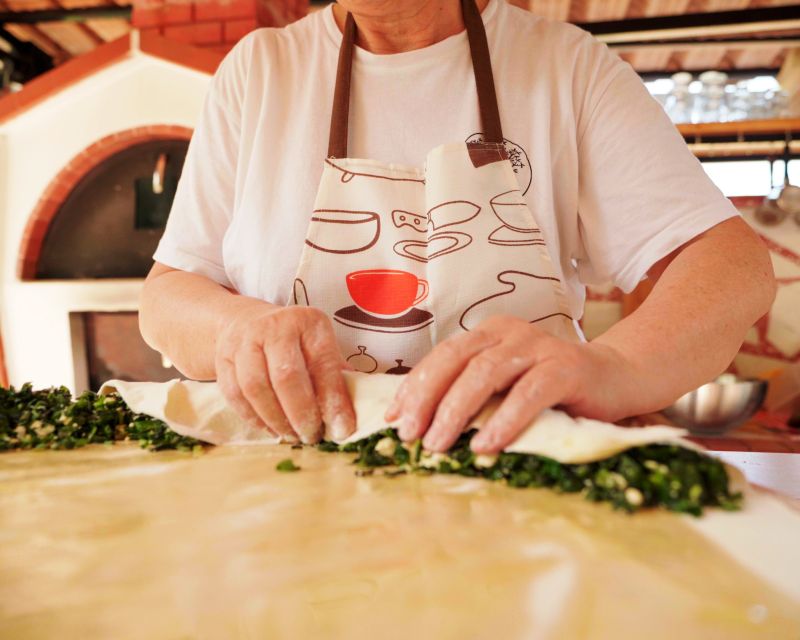
This experience lives in Western Greece and leans hard into real farm rhythm. You’re not handed a tray of pre-made dough and told to warm it up. Instead, you learn how thick, rustic Greek countryside phyllo dough comes together and why it turns out golden and crunchy.
I also like the tone. It’s a slow food style class, with room to breathe between tasks. Even the pacing feels intentionally calm, which matches the big farmer’s table meal you share after the baking.
And yes, it’s English-instruction, which matters. You get clear guidance on how to roll, fill, and work with dough without playing guessing games.
You can also read our reviews of more tours and experiences in Nydri.
Your First Stop: Harvesting Seasonal Greens and Herbs
Before the dough even gets a workout, you start outside. You’ll walk through the organic garden and harvest the greens and herbs that fit the season.
This matters more than it sounds. When you pick the ingredients yourself, you understand the flavors you’re building the pie around—bitterness, sweetness, peppery notes, and all the subtle herb characters. It also makes the class feel less like a generic cooking demo and more like a direct line to the farm kitchen.
If you’re the kind of cook who likes to adapt recipes later, this first step helps you do it. You learn what works when greens change throughout the year, not just one fixed ingredient list.
Rolling Phyllo Dough From Scratch: The Skill Behind the Crunch
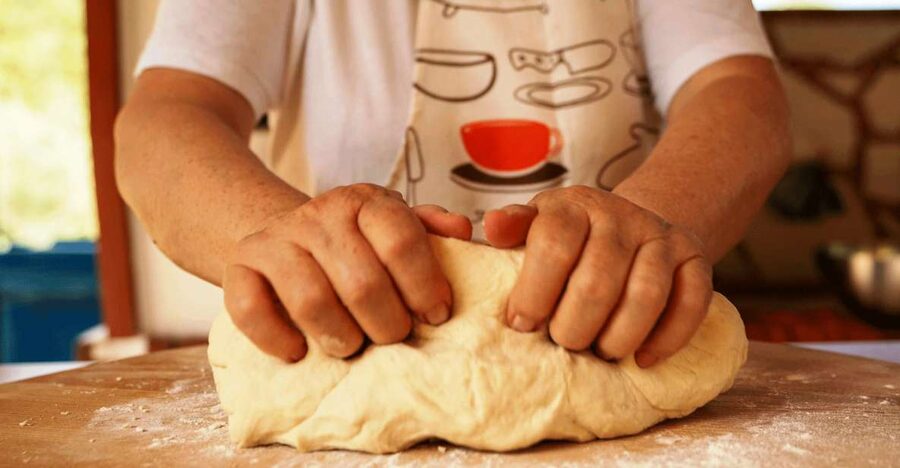
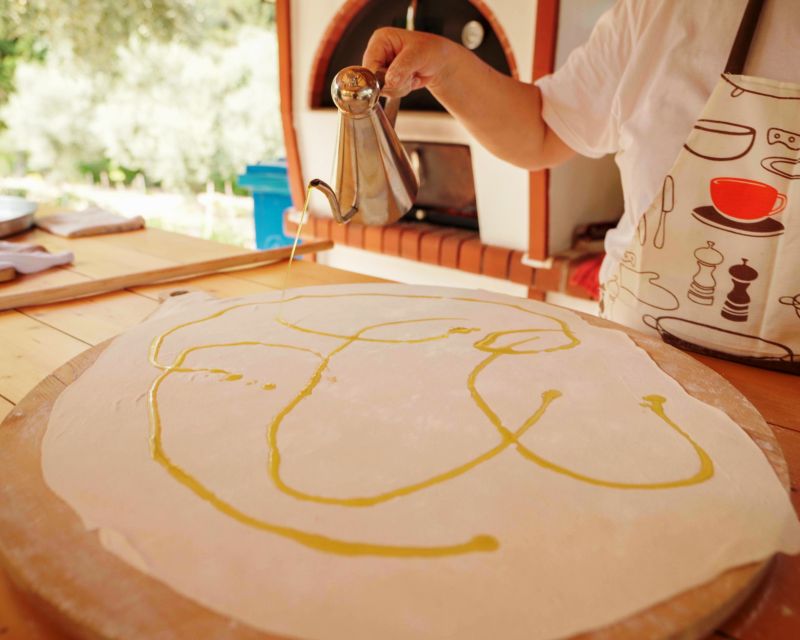
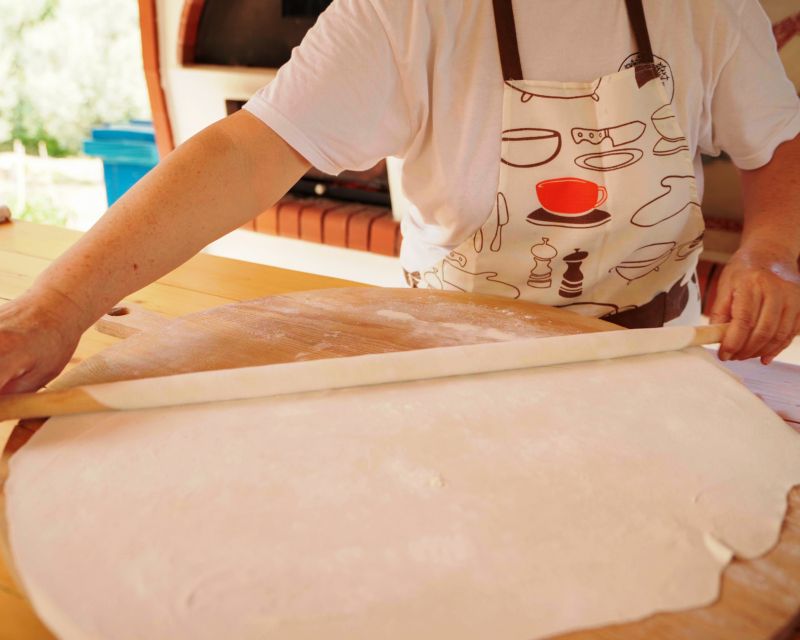
The core of the class is learning the rhythmic art of rolling traditional phyllo dough from scratch. The focus is on that Greek countryside style dough: rustic, thick-crust, and designed to be kneaded and stretched.
Here’s the practical part you’ll care about at home. The technique is meant to be teachable, so you’re not stuck with vague tips. You’ll learn how to handle the dough, how to roll it without tearing, and how to work it into a crust that bakes up crisp.
You also get a strong reminder that phyllo is not fragile ballet. It’s dough you shape and build. That mindset shift can make the whole process feel less intimidating when you try again later.
If you’re worried about physical effort, it’s worth saying: you will get your hands dirty. You should be comfortable kneading and stretching dough for a meaningful chunk of the session, not just doing a quick demo tap.
Filling Options That Actually Cover Real Greek Flavors
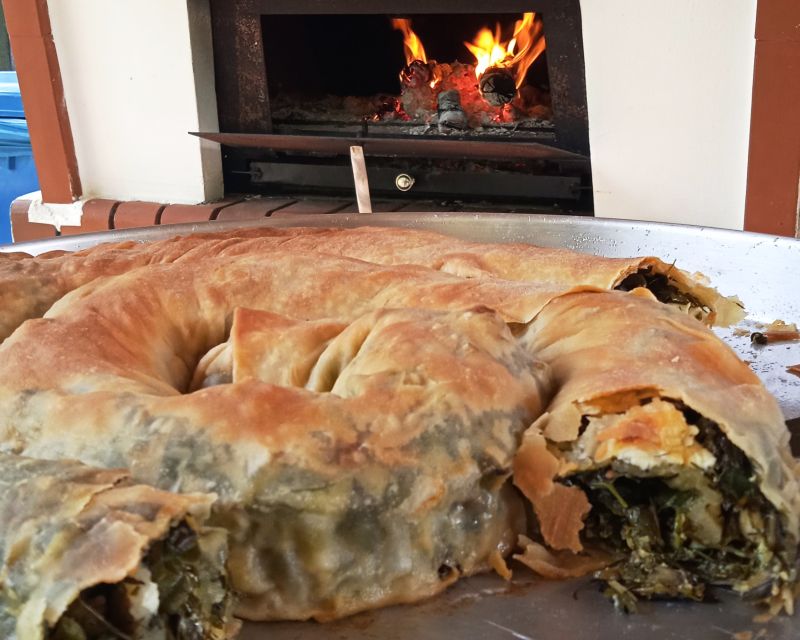
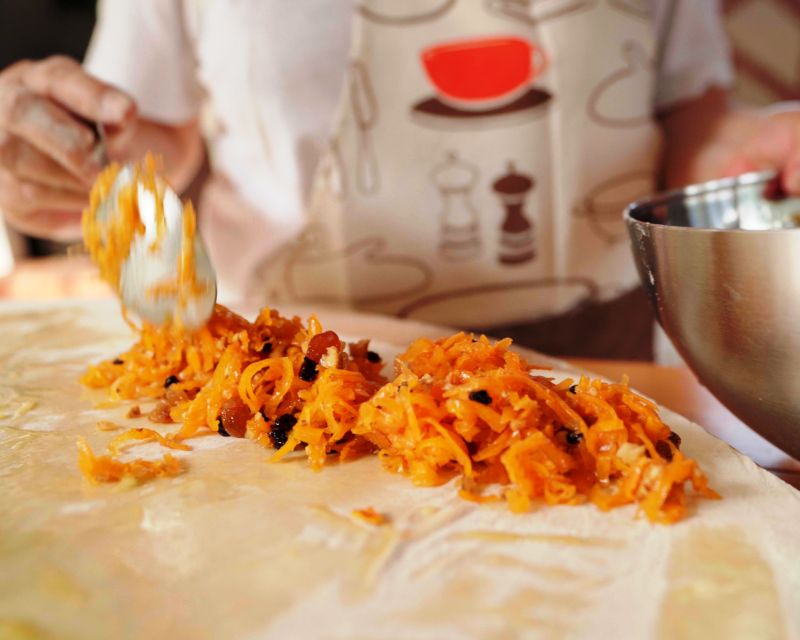
Once your dough is ready, the class moves to filling. The fillings are family-style and simple in approach, built around hearty country ingredients and their own selection of extra virgin olive oil.
You’ll work with phyllo pies featuring these recipe styles:
- Wild Greens and Feta
- Goat cheese, sun-dried tomatoes, olives, and oregano
- Pumpkin with walnuts, cinnamon, and raisins
- Baklava with honey, cinnamon, and walnuts
A key detail I appreciate is that you’re not learning one “standard” filling and calling it Greek cooking. The set-up gives you savory options with tangy and herby notes, plus a sweet direction with baklava-style flavors like honey, cinnamon, and walnuts.
Also, the olive oil angle is not a throwaway. They use their own extra virgin olive oil, and it’s part of the whole flavor system—what makes the dough feel rich and the fillings taste cohesive when baked.
All of this is also why the class feels worth the time. You leave with a spread of flavor profiles, not just a single pie concept.
Wood-Burning Oven Baking and the Farmer’s Table Meal
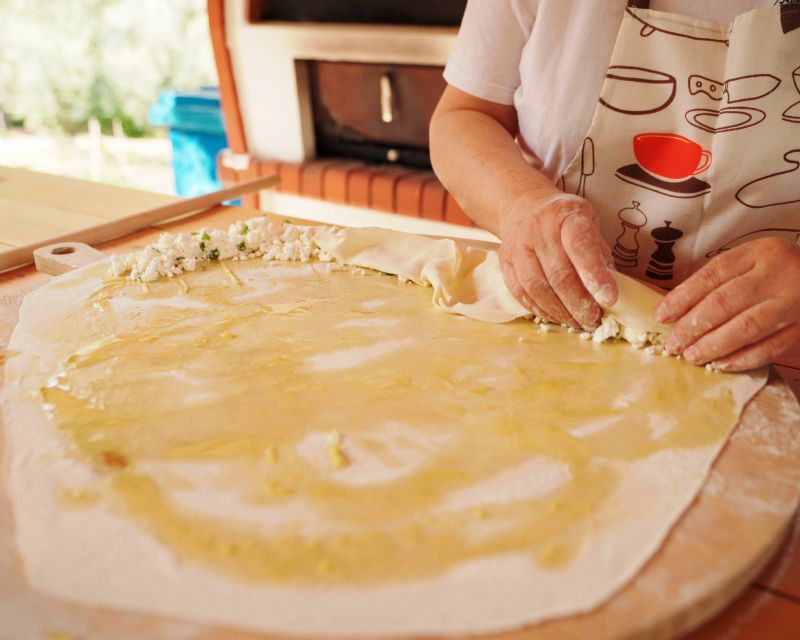
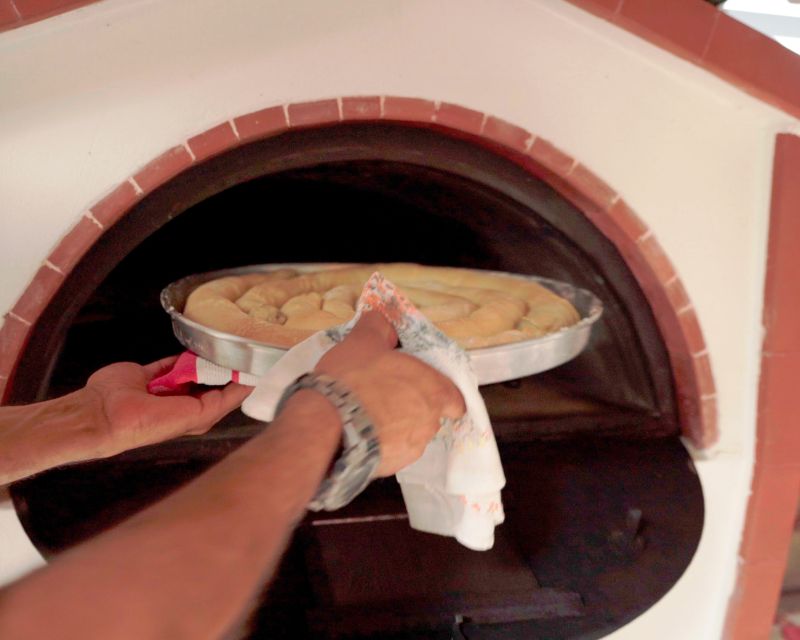
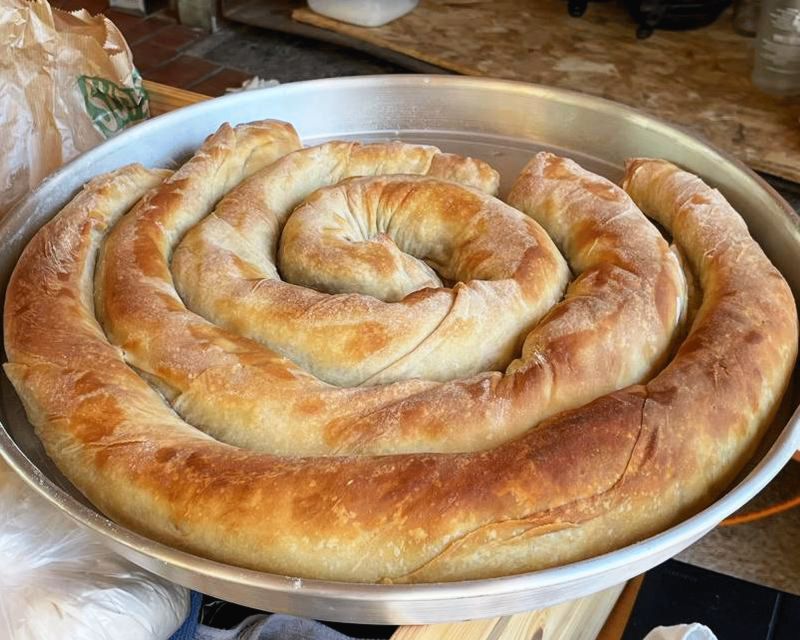
After you roll and fill your pies, it’s time to bake in the wood-burning oven. That part is central to the experience. Wood fire cooking affects browning and crispness, and it gives the crust that rustic, baked-from-real-heat character.
While the pies bake, the rhythm shifts from prep to community. You gather at the big farmer’s table to share the meal together. This is where the slow food mood lands.
If you like meals that feel like part of the class, not an add-on, you’ll appreciate this. It turns the session into a full cycle: harvest, make, bake, and then eat the results you helped produce.
One more practical note: you’ll want to bring a bit of patience. Baking in a wood oven isn’t the same as pushing buttons on a modern stove. The timing feels more natural, like you’re working alongside the heat instead of controlling it completely.
What You Get to Take Home (Besides a Full Stomach)
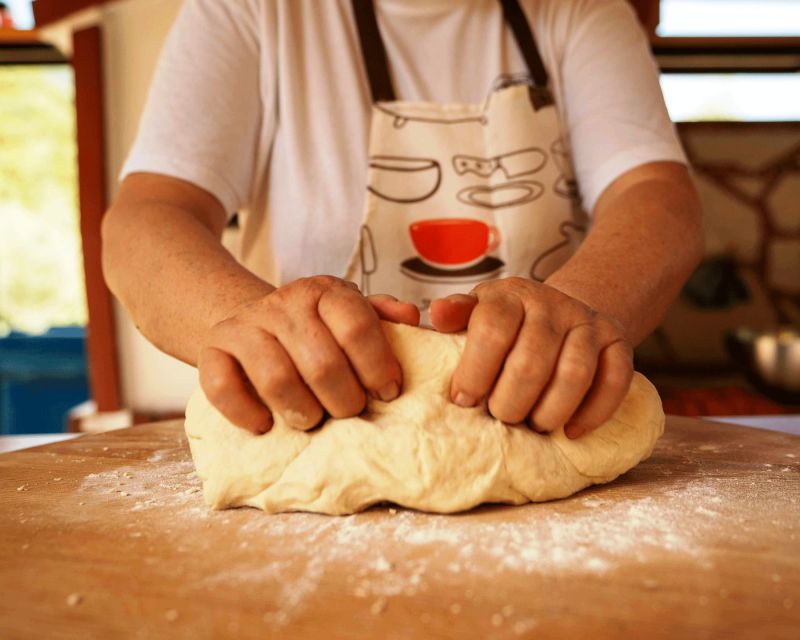
The class is designed so you leave with techniques and knowledge you can recreate in your own kitchen. The teaching style is straightforward: they keep it simple on purpose, so you can repeat the steps without needing fancy tools or culinary schooling.
You’ll also get a clear sense of what the dough should look and feel like as you work it. That feedback loop is what helps later, when you’re tired at home and your dough acts different than it did during class.
Included with the experience are cooking utensils and a cooking apron. That’s useful because it removes friction. You can show up with normal clothes and focus on learning the dough work.
And because the recipes are family-style and passed down for generations, you’re not just copying a modern food-trend version. You’re picking up a country-style approach that’s meant to scale down to home cooking.
Price and Value for a 4-Hour Class at $123
At $123 per person for about 4 hours, this sits in the “worth it if you’ll use the skill” category. You’re paying for several things that add value fast:
- A small group format capped at 10
- Hands-on practice with dough you make from scratch
- Use of a wood-burning oven and farm ingredients (including their extra virgin olive oil)
- A shared farm meal experience after baking
- Guidance in English throughout
If you only want a quick snack and a short photo moment, you might feel the price. But if your goal is to learn real technique—phyllo rolling, filling, and oven baking—this is the kind of class that can replace future trial-and-error at home.
The other value point is emotional, not just technical. The farm pace helps you disconnect from noise and slow down around food. That doesn’t show up on a price tag, but it affects how much you remember the experience and how motivated you feel to recreate it.
Who This Class Suits Best (and Who Might Prefer Another Option)
This phyllo pie class fits best if you:
- Want authentic Greek cooking skills you can practice later
- Enjoy hands-on workshops more than sitting and watching
- Like vegetable-forward pies (especially wild greens and feta)
- Are curious about both savory pies and baklava-style sweets
- Prefer small groups and a calm setting
It may be less ideal if you:
- Want a fast, no-dough-work cooking session
- Have very specific dietary needs and need a highly customized menu
- Don’t want to do physical kneading and stretching
Food allergies come up for a reason. The class asks you to inform them of allergies or dietary restrictions, so you’re not guessing later. If you have any concerns, sending details early is the right move.
Should You Book This Phyllo Pie Baking Class?
If you want a cooking class that teaches real technique—how to handle thick phyllo dough, how to fill it thoughtfully, and how a wood-burning oven changes the final crust—this is a strong choice. The small group size, the farm-garden start, and the fact that you work with their own extra virgin olive oil all point to an experience built for learning, not just entertainment.
I’d book it when you can slow your travel pace a bit. The calm farm rhythm is part of the value here. You’ll leave with skills you can repeat and flavors you can recognize without a package in sight.
If you’re unsure, ask yourself one question: will you actually practice rolling dough at home? If the answer is yes, this class is very likely to be worth the $123.
FAQ
How long is the Phyllo Pie Baking Class?
The class lasts 4 hours.
Where does the class take place?
It takes place in Western Greece at Lefkada Micro Farm.
What is the group size?
It’s a small group limited to 10 participants.
Is the class taught in English?
Yes, the instructor teaches in English.
What recipes and fillings are covered?
The class includes wild greens and feta, goat cheese with sun-dried tomatoes, olives and oregano, pumpkin with walnuts cinnamon and raisins, and baklava-style filling with honey cinnamon and walnuts.
What ingredients and cooking setup are used?
You’ll use phyllo dough that you learn to roll from scratch, greens harvested from the farm, and the farm’s own extra virgin olive oil. Baking is done in a wood-burning oven.
What’s included in the price?
You’ll have cooking utensils and a cooking apron as part of the experience.
Are there any food allergy or dietary restriction notes?
You should inform the provider of any food allergies or dietary restrictions.
Is free cancellation available?
Yes, you can cancel up to 24 hours in advance for a full refund.
Can I book without paying right away?
Yes, there’s a reserve now and pay later option, with pay nothing today.