REVIEW · NYDRI
Traditional Greek Cooking Class @ Lefkada Micro Farm
Book on GetYourGuide →Operated by Lefkada Micro Farm Experiences · Bookable on GetYourGuide
Great food starts with dirt. This class turns regenerative farming into a real meal you cook.
I especially loved the farm-to-table setup: you start in the soil, then harvest what you’ll eat. I also liked the hands-on cooking in the wood-burning oven, where simple Greek dishes suddenly feel very doable. One thing to consider: at $123 for 4 hours, it’s not the cheapest cooking class, so you’ll want to go for the experience and ingredient quality, not just a quick recipe lesson.
In This Review
- Key Highlights Before You Go
- From Regenerative Soil to Your Cutting Board
- Harvest Time on Lefkada Micro Farm
- Open-Air Cooking: Wood-Fired Greek Classics
- Olive Oil, Herbs, and the Small Decisions That Matter
- The Farmer’s Table Meal: Where the Experience Lands
- Price and Logistics: Is $123 Good Value?
- Who This Class Suits Best
- Tips to Get the Most From Those 4 Hours
- Should You Book Lefkada Micro Farm’s Traditional Greek Cooking Class?
- FAQ
- What’s included in the cooking class?
- How long is the experience?
- Is the class taught in English?
- How large is the group?
- Is the experience wheelchair accessible?
- What should I do if I have food allergies or dietary restrictions?
Key Highlights Before You Go
- Regenerative, organic farming: you learn the practical “why” before you pick anything
- Harvest-your-own ingredients for the dishes you’ll cook
- Open-air kitchen with a traditional wood-burning oven for that old-school Greek cooking feel
- Award-winning olive oil with high polyphenols that changes how food tastes
- Small group (max 10) so questions don’t get lost in the crowd
- Farmer’s Table meal together at the end, with conversation that feels more like family than a class
From Regenerative Soil to Your Cutting Board
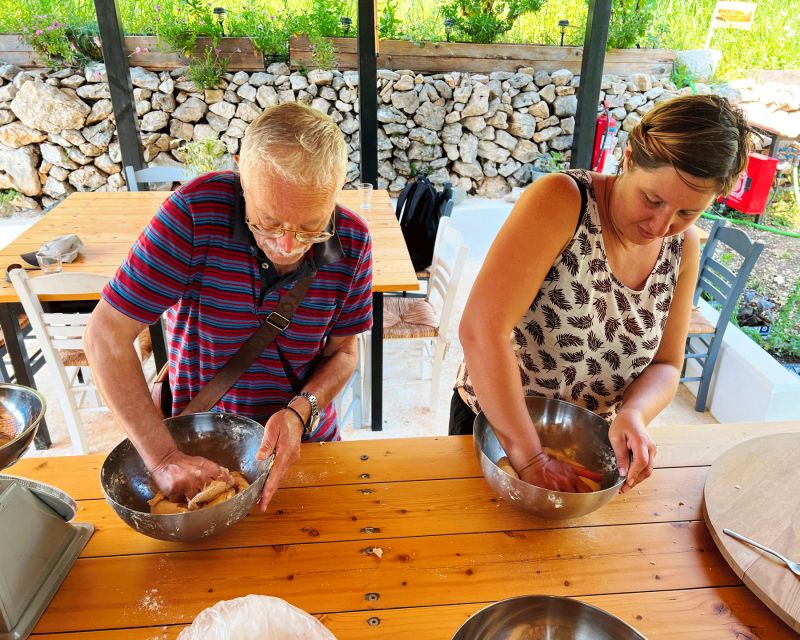
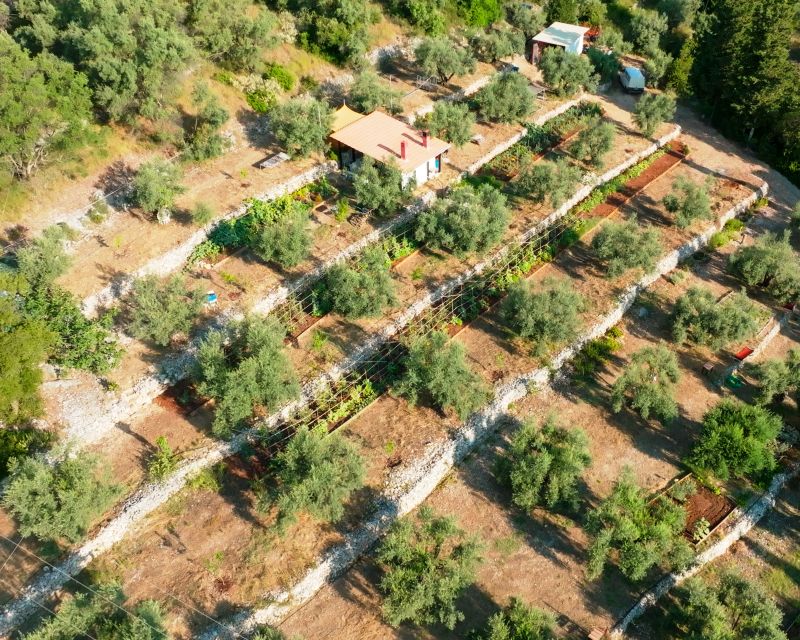
The best part of this cooking class is that it doesn’t start with flour and knives. It starts with the ground itself. You step onto the farm and learn how Lefkada Micro Farm keeps its ecosystem healthy through regenerative, organic practices. That matters, because it changes how you think about ingredients. Instead of buying food that already looks perfect in a supermarket, you’re watching food as a living process.
You’ll also get a clear sense of the Slow Food mindset: eat with the seasons, respect the land, and slow down enough to taste what you’re actually eating. The group stays small, so the guide can tailor explanations in a way that feels human, not like a lecture.
One detail that helps you enjoy the whole session: the pace is gentle. This isn’t about speed or fancy technique. It’s about doing real tasks in the right order and learning why simplicity works in Greek cooking.
You can also read our reviews of more tours and experiences in Nydri.
Harvest Time on Lefkada Micro Farm
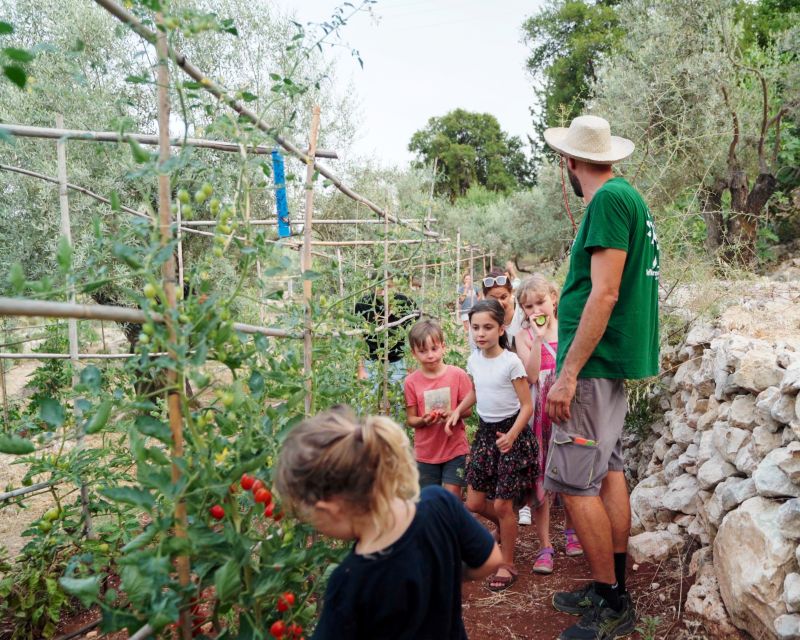
After the farm talk comes the part people remember: harvesting. You pick seasonal organic produce grown on site. This is where the “Farm-to-Table” promise becomes real. When you’ve spent a little time with the ingredients before you cook, you notice the differences later. Herbs smell sharper. Vegetables taste sweeter. Even tomatoes feel more alive when you cut them.
The farm experience also adds a visual layer to the meal. You’re cooking in a place that has its own rhythm. In at least one day, you might even spot farm animals wandering around. That kind of small moment sounds minor, but it makes the day feel less like a packaged activity and more like a genuine visit.
If you have dietary restrictions, tell the team ahead of time. You’ll want them to know, so they can adjust what you cook and eat. The class is built around seasonal ingredients, so flexibility may depend on what’s growing that day.
Open-Air Cooking: Wood-Fired Greek Classics
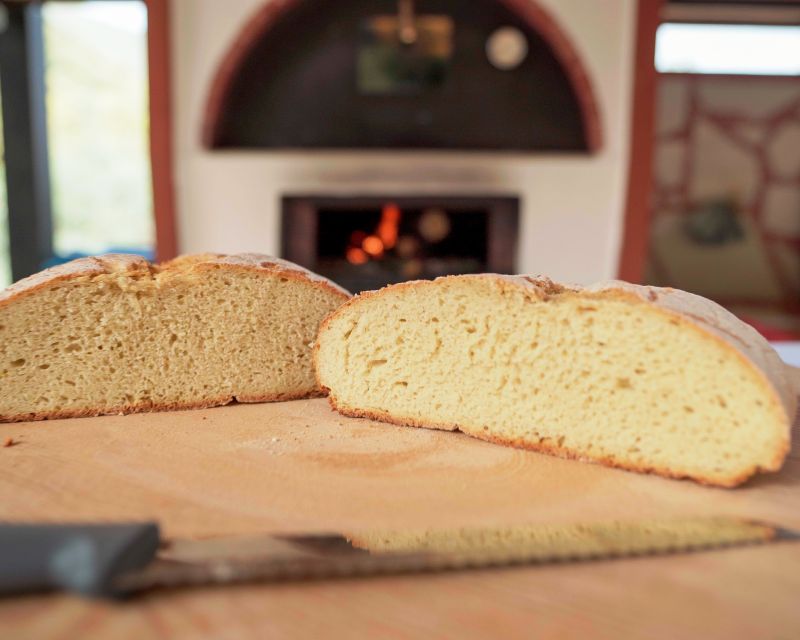
Then you move into the open-air kitchen, where Greek cooking philosophy shows up in practical ways. The big ideas you’ll hear are freshness, seasonality, and simplicity. The cooking itself follows that same logic. You’re not trying to reproduce a complex restaurant dish. You’re learning how Greek classics are put together when you start with good ingredients.
A major highlight is the traditional wood-burning oven. Wood heat has a different personality than a regular electric stove. Even when you’re doing basic steps, the oven changes how you think about timing and texture. This is one reason the class feels special: it’s not just “make a meal,” it’s “cook the way Greeks have cooked.”
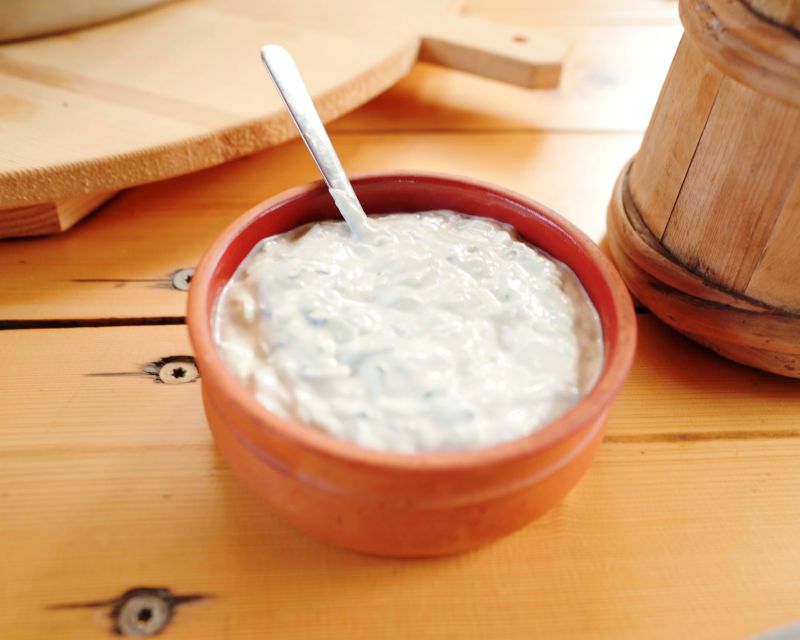
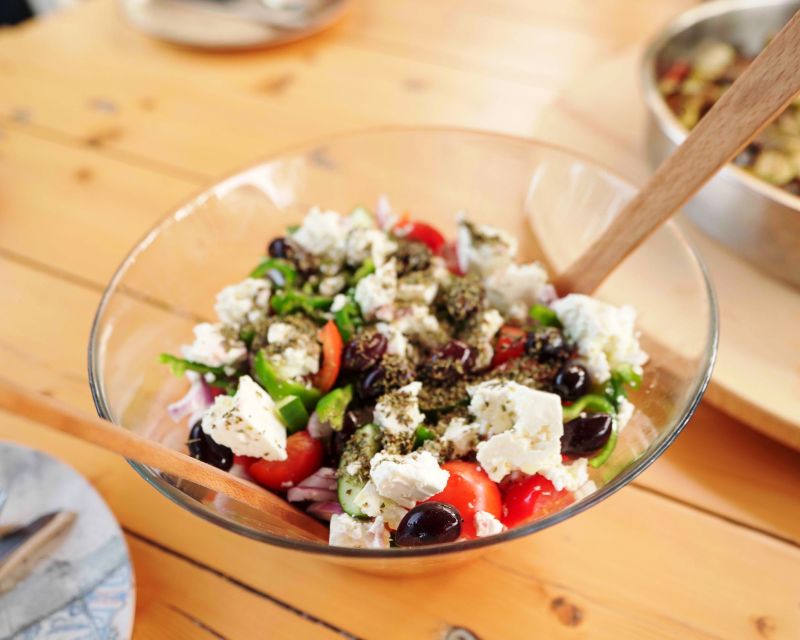
You’ll likely make a lineup of iconic dishes, including bread plus classics like briami, tzatziki, and Greek salad. The bread part is especially fun because it connects the kitchen to the table. You’re not only cooking toppings and sides; you’re building a foundation of flavor.
The English instruction helps too. The guide can explain not only what you’re doing, but why certain ingredients work together. In one recent experience, the host, Andreas, was praised for mixing farm knowledge with easy conversation, like he was chatting with friends rather than conducting a formal class.
Olive Oil, Herbs, and the Small Decisions That Matter
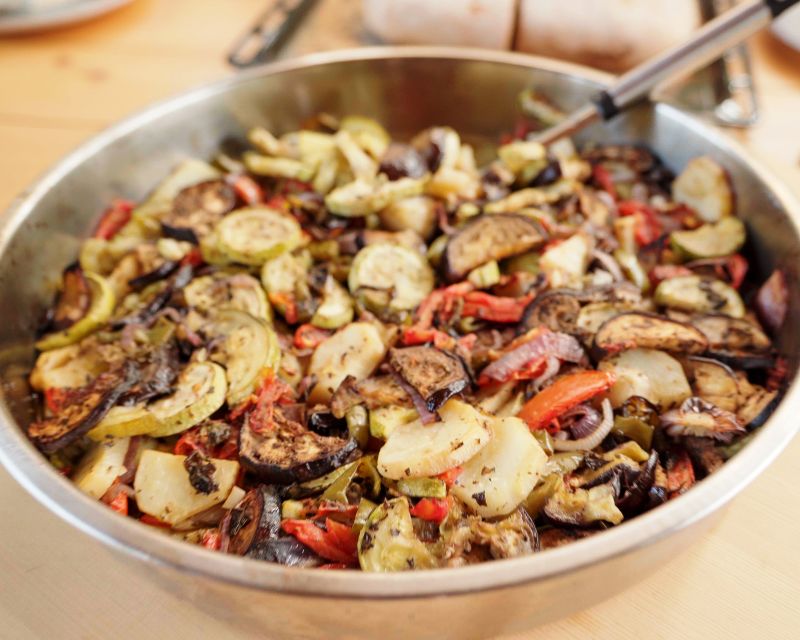
Greek cooking is often described as simple, but the simple parts still have detail. This class treats those details like they matter. You cook with award-winning olive oil made from high-polyphenol olives. That’s not marketing fluff. Olive oil like this brings a more noticeable depth and a stronger fresh bite, so your vegetables and salads taste less bland and more layered.
You’ll also get time with herbs and key ingredients used in traditional recipes. The teaching style focuses on how ingredients behave, not just how to follow steps. When you learn what herbs do in tzatziki, or how tomato and cucumber function in Greek salad, you start understanding the cuisine instead of only copying it.
If you’re the type who loves cooking but hates vague instructions, you’ll probably enjoy this. One of the strongest themes from the experience is that you learn something real while also having fun in the process. People leave feeling informed and fed, not overloaded.
The Farmer’s Table Meal: Where the Experience Lands
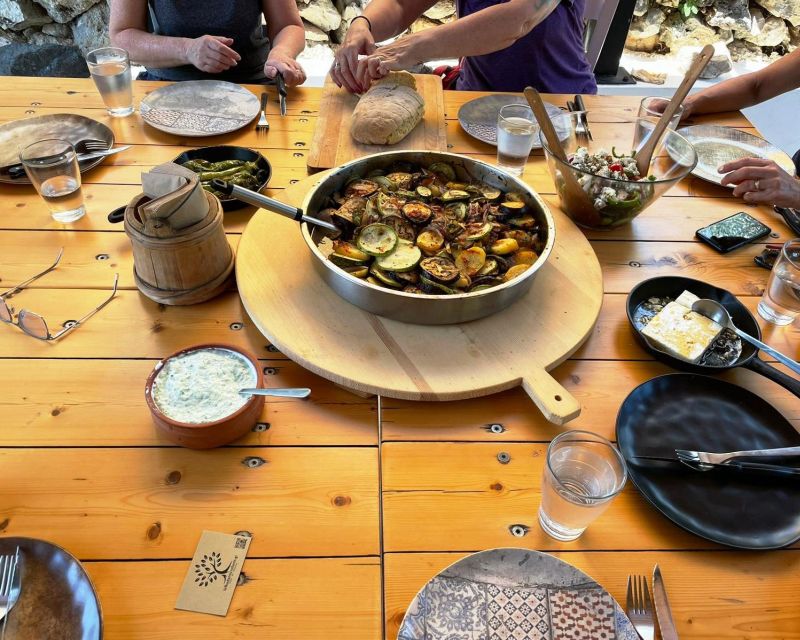
After the cooking, you sit down together for the Farmer’s Table meal. This is where the class becomes more than a recipe workshop. You’re sharing the food you made from ingredients you harvested. That connection changes how the meal feels. It tastes like a day you actually participated in, not a day you just watched.
The “Slow Food” spirit shows up in the conversation. You’ll likely chat with people who come from different places, and you’ll compare what you learned and what surprised you. That shared meal format is also why the small group size matters. In a big class, food can feel like a queue. Here, it feels like a shared table.
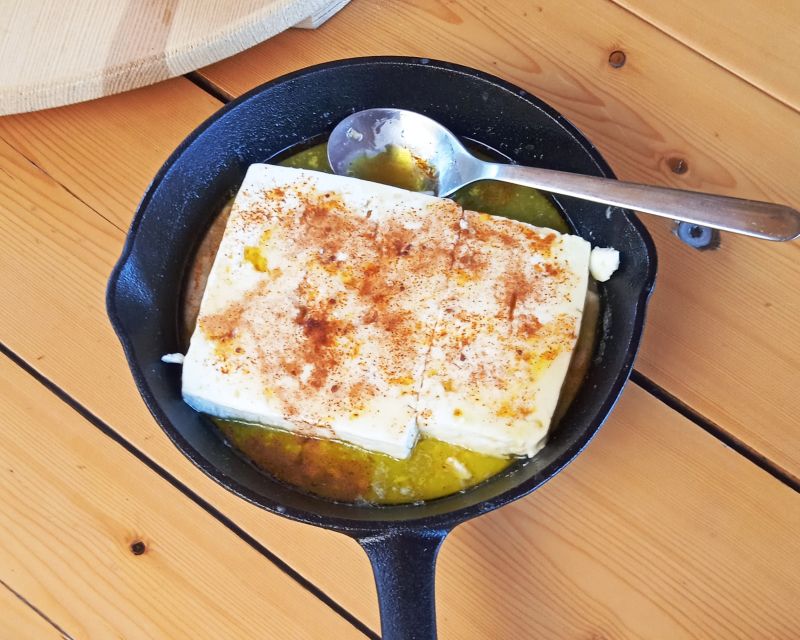
And yes, the food is the point. Based on recent experiences, the dishes are filling, and the ingredients taste as good as they look. The olive oil gets a lot of praise, and it makes sense: when you use top-quality oil and then pair it with fresh produce, you get that Mediterranean balance fast.
One consideration: since you’re working outdoors and cooking in real conditions, this can be more comfortable in mild weather. If weather turns, you might still have a good experience, but the vibe could shift depending on how the farm handles outdoor cooking.
Price and Logistics: Is $123 Good Value?
Let’s talk money without dodging the reality. This class costs about $123 per person for 4 hours. That’s not “budget,” and some people feel the price-to-expectation ratio could be better.
So here’s how to judge value fairly. You’re paying for several things at once:
- A small-group format (max 10), which usually means more hands-on time
- Harvesting your own ingredients on a regenerative organic farm
- Cooking with a traditional wood-burning oven (not just a demo kitchen)
- Using award-winning olive oil with high polyphenols
- A sit-down shared meal at the end
If you mainly want a few recipes and don’t care where ingredients come from, you could find cheaper options. But if you want the “why” behind Greek food, and you like the idea of eating what you grew and cooked, the price starts to make sense.
For my money, the best match is someone who likes food experiences that are sensory and grounded. You’ll probably feel more satisfied here than in a class that mostly teaches technique with store-bought ingredients.
Who This Class Suits Best
This tour fits best if you’re one of these kinds of travelers:
- You like food that has a story, and you enjoy understanding how ingredients are grown.
- You want hands-on cooking with real teaching, not just a short tasting stop.
- You enjoy small groups and don’t want your questions squeezed by a large crowd.
- You’d rather learn Greek classics like they’re made at home than hunt for “trendy” dishes.
If you’re traveling with kids, you might find the structure works well because you’re doing clear steps and eating together. But the farm environment is still an outdoor setting, so use common sense about comfort and supervision.
If you’re a serious foodie who already knows Greek cooking, you might not learn brand-new techniques. What you may still love is the ingredient focus: the farm-grown harvest, the olive oil, and the wood-oven cooking rhythm.
Tips to Get the Most From Those 4 Hours
A few practical tips will help you leave happy, not just full.
Wear clothes you don’t mind getting a little farm-kissed. Even if the farm is clean, you’re in the soil and handling produce. Comfortable shoes help, too, because you’ll move between areas.
Ask questions about ingredients while you cook. The class is built around explaining the “why,” and guides can tailor to what you care about—herbs, olive oil, or how traditional dishes come together.
If you have allergies or dietary restrictions, communicate them clearly in advance. The class notes that you should inform the team, which is the right move. Because the meal relies on seasonal farm produce, adjustments can depend on what’s available.
Finally, go in with an open mind about pace. This is slow living in practice. If you expect a rushed, speed-run cooking class, you’ll feel frustrated. If you want a real food day, it hits the mark.
Should You Book Lefkada Micro Farm’s Traditional Greek Cooking Class?
Book it if you want a true farm-to-table cooking experience with wood-fired Greek classics, and you care about where ingredients come from. The small-group size and the shared Farmer’s Table meal make it feel like a real day on a working farm, not a transactional activity.
Skip it or weigh alternatives if you’re mostly chasing low cost or quick recipes. At $123, you’re paying for the full experience: harvesting, wood-oven cooking, and top olive oil. If that all matters to you, you’ll likely feel it was worth it.
If your idea of a great travel day is learning through doing—hands in the food, mind on the seasons—this class is a strong choice.
FAQ
What’s included in the cooking class?
You get the cooking utensils and an apron. You also cook and share the meal together as part of the experience.
How long is the experience?
The class lasts 4 hours.
Is the class taught in English?
Yes, the instructor works in English.
How large is the group?
The group is kept small, limited to 10 participants.
Is the experience wheelchair accessible?
Yes, it is listed as wheelchair accessible.
What should I do if I have food allergies or dietary restrictions?
Let the team know in advance so they can accommodate your needs as best as possible based on the ingredients for that day.