REVIEW · SIEM REAP
Half-Day: Silk Farm, Senteur Angkor, and Satcha Workshop
Book on GetYourGuide →Operated by Tour Guide Team Phnom Penh · Bookable on GetYourGuide
Crafting silk sounds nerdy until you see it. In just 4 hours, you’ll go from mulberry trees and silkworm life cycles to real weaving, then roll into bamboo-built workshops and local craft hubs. I especially like how direct the process feels at the Angkor Silk Farm, and I love the variety at the Satcha Handicraft Center where you can watch multiple know-hows at once. One thing to consider: it’s a shopping-friendly route, and some workshop items can feel pricier than others, so it helps to go with a clear budget.
This is the kind of half-day that fits cleanly between Angkor temple time and dinner plans. You get hotel pickup and drop-off in Krong Siem Reap, plus an English-speaking driver and skip-the-line entry through a separate entrance. You’ll be walking outdoors part of the time, so plan for sun.
In This Review
- Key Highlights at a Glance
- A Simple 4-Hour Craft Circuit (With Skip-the-Line Entry)
- Angkor Silk Farm: From Mulberry Leaves to Woven Fabric
- What to watch for
- A small drawback to plan for
- Satcha Handicraft Center: 6 Bamboo-Built Workshops and 15 Know-Hows
- Why the bamboo detail matters
- Shopping reality check
- Senteurs d’Angkor: Sustainable Cambodian Treasures (and Gift Ideas)
- How to shop smarter here
- Artisan d’Angkor: Watching Local Handicrafts Being Made
- Timing and energy
- Getting Value From $25: Why This Route Feels Efficient
- What you’re paying for
- What to Bring (And What Will Save You in the Heat)
- Transportation and Group Style: Private, Short Hops, Guided Stops
- Who Should Book This (And Who Might Find It a Poor Fit)
- Should You Book This Half-Day Silk Farm and Craft Tour?
- FAQ
- How long is the tour?
- What area does the pickup happen from?
- What does the tour cost and how many people is the group for?
- What stops are included?
- Is there hotel pickup and drop-off?
- Is the driver or guide English-speaking?
- Are meals included?
- What should I bring for the tour?
- Are you allowed to smoke or eat during the tour?
- Is the tour wheelchair accessible?
Key Highlights at a Glance
- Silk farm walkthrough from mulberry and silkworm life cycles to weaving
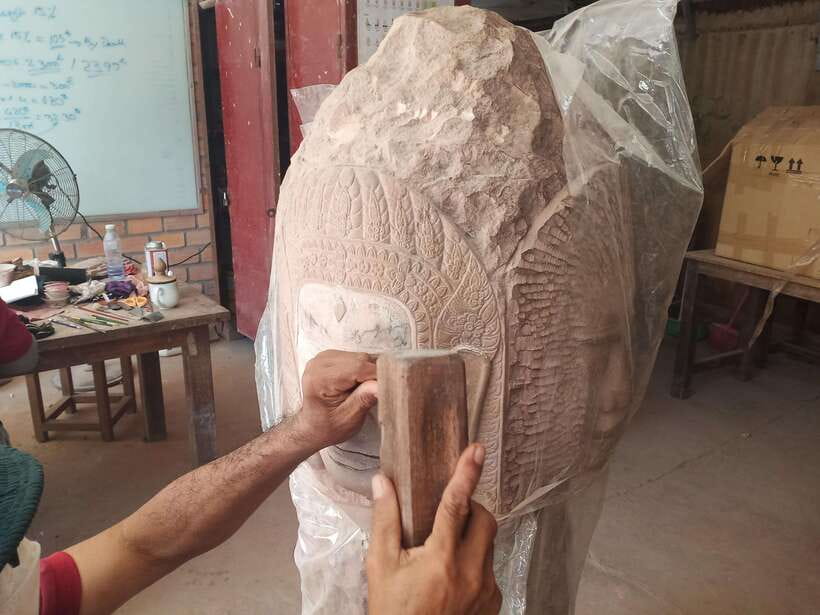
- Satcha bamboo workshops: 6 workshops using Cambodian bamboo from Kampong Cham
- Senteurs d’Angkor focus on sustainable Cambodian products you can actually take home
- Artisan d’Angkor local handicrafts being made, not just displayed
- Private group feel with hotel pickup, a timed route, and short van hops between stops
A Simple 4-Hour Craft Circuit (With Skip-the-Line Entry)
The schedule is designed like a sampler plate: you get a focused dose of Cambodia’s hands-on traditions without turning it into an all-day marathon. Pickup happens from Krong Siem Reap, then you ride between stops in a van with guided time on-site.
What makes this route practical is the pacing. You’ll spend meaningful time at each major stop (about 50 minutes at several points), then you’re back in the van before fatigue kicks in. It’s also built for visitors who want to see craft production clearly, with photo stops along the way and guided time that explains what you’re looking at.
You can also read our reviews of more tours and experiences in Siem Reap.

Angkor Silk Farm: From Mulberry Leaves to Woven Fabric
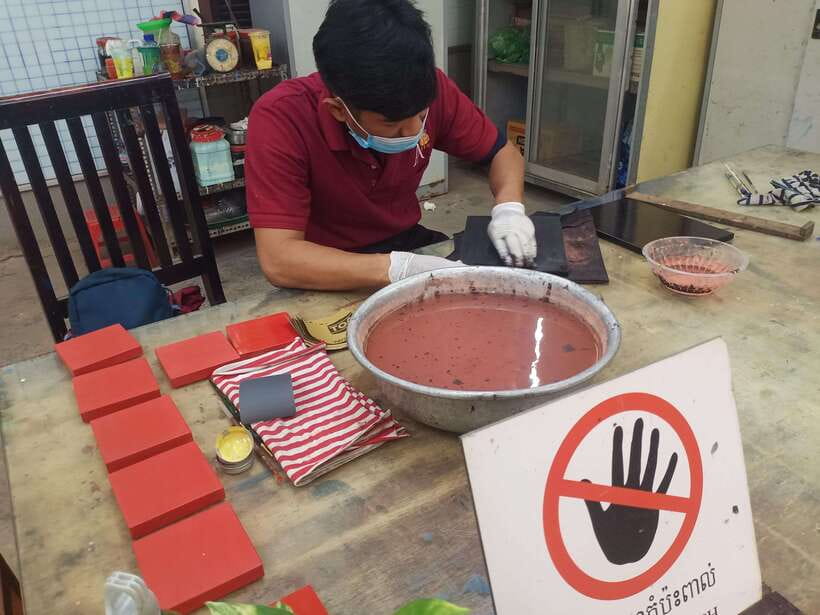
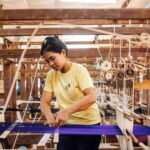
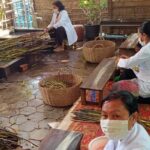
Your day starts with the place that turns silk from a product into a story. At the Angkor Silk Farm, you’ll see the chain of work that begins with mulberry trees (the food source for silkworms), then moves through the silkworm lifecycle, and ends with the weaving process that creates traditional silk fabric.
This stop is worth it even if you’re not a fabric person. Silk is one of those things we take for granted as a luxury item, but here you get the full cause-and-effect: the biology, the handling, and the patience. The guided approach matters too—otherwise, you’d just be looking at tools and machines without understanding why they exist.
What to watch for
Look closely at the steps between silkworm lifecycle and weaving. The weaving part is where you’ll see how work moves from something living and fragile into something durable. You’ll also get a photo stop moment before you fully settle in, which is handy for capturing the yard and the production area.
A small drawback to plan for
This is a working craft site with an arts-and-market vibe. If you’re not interested in shopping, just know you’ll likely have time to browse and purchase. Bring a realistic mindset: you might find great souvenirs, but you’ll want to compare prices within the route.
Satcha Handicraft Center: 6 Bamboo-Built Workshops and 15 Know-Hows
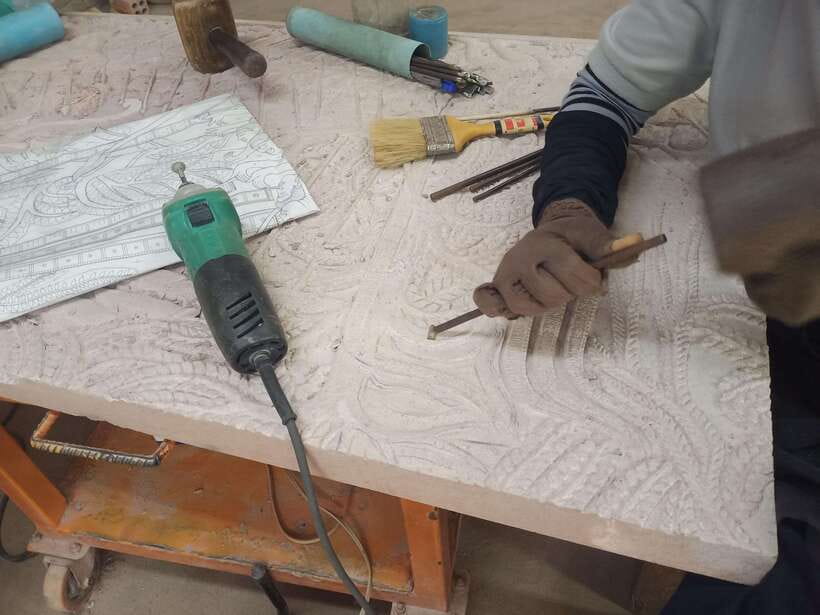
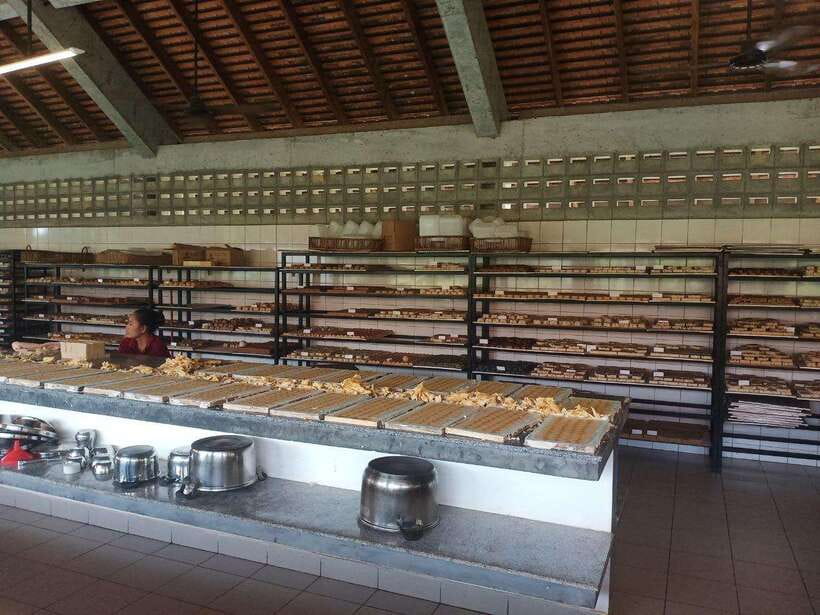
Next comes Satcha Handicraft Center, which is set up in a way that makes it easy to understand how craft skills multiply. The site includes 6 workshops built exclusively with Cambodian bamboo from Kampong Cham, and the design blends traditional inspiration (Khmer ornaments) with a more modern feel.
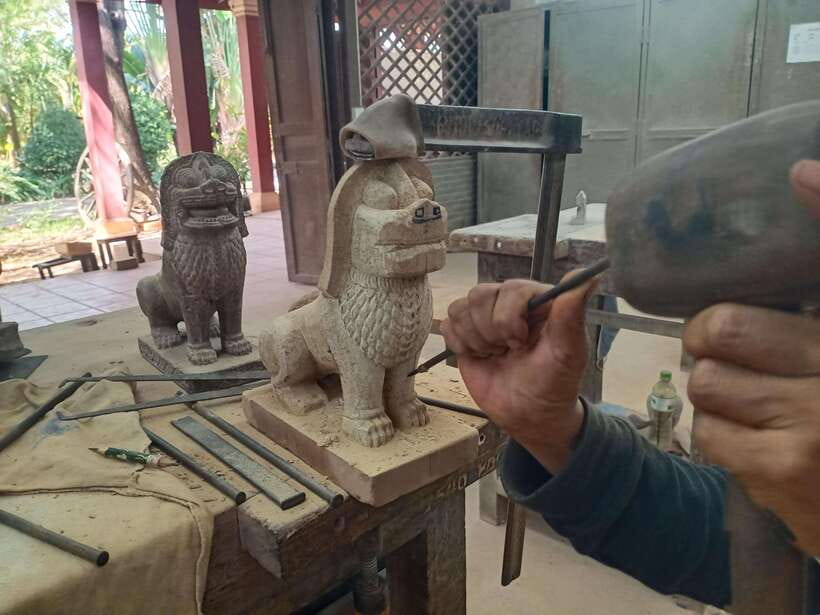
What I like about Satcha is the scale of expertise. The center hosts 50+ artisans and shows 15 different know-hows, spanning things like carving, stone, wood, bamboo, leather, weaving, rattan, seagrass, water hyacinth, silk, cotton, painting, lacquer, jewelry, and silver plating. That’s a lot for one half-day, and the value is that you can connect materials to outcomes. You’re not just seeing finished items—you’re seeing how different skills create different categories of products.




Why the bamboo detail matters
The center isn’t using bamboo as a decoration. It’s part of the construction and identity of the workshops. For you, that means the environment reinforces the theme: Cambodia’s crafts are deeply connected to local materials and local know-how.
Shopping reality check
One visitor highlighted that one workshop felt expensive compared with others. I’d treat that as a heads-up for your own planning. If you see something you love, ask how it’s made and compare similar items across the stops before you commit.
Senteurs d’Angkor: Sustainable Cambodian Treasures (and Gift Ideas)
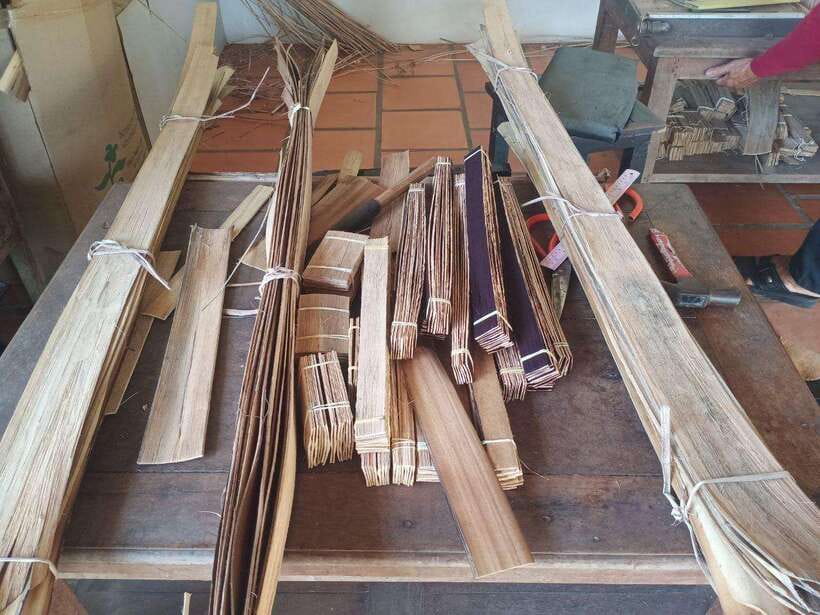
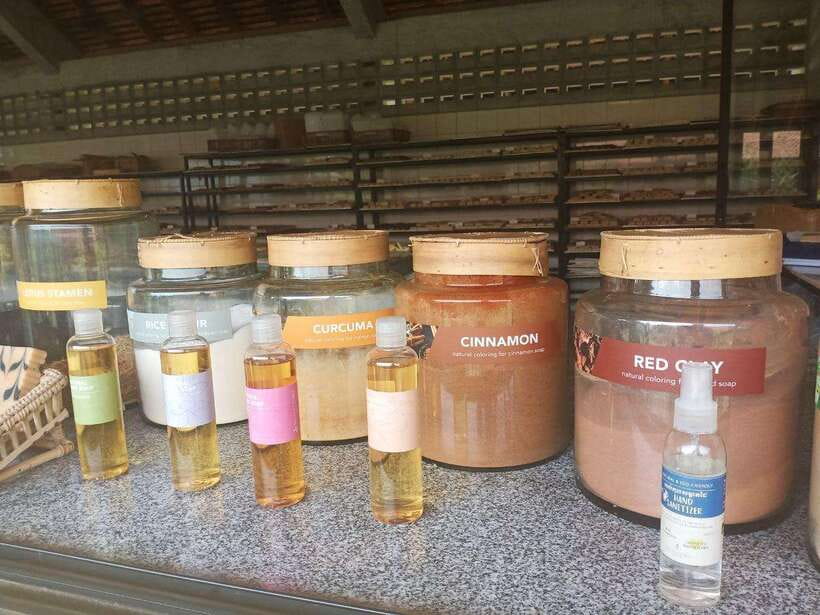
After the hands-on workshops, you’ll head to Senteurs d’Angkor, described as a hub for sustainable Cambodian treasures. This is a culture-and-product stop—less about watching a single tool in action and more about seeing how artisanal work becomes something you can bring home.
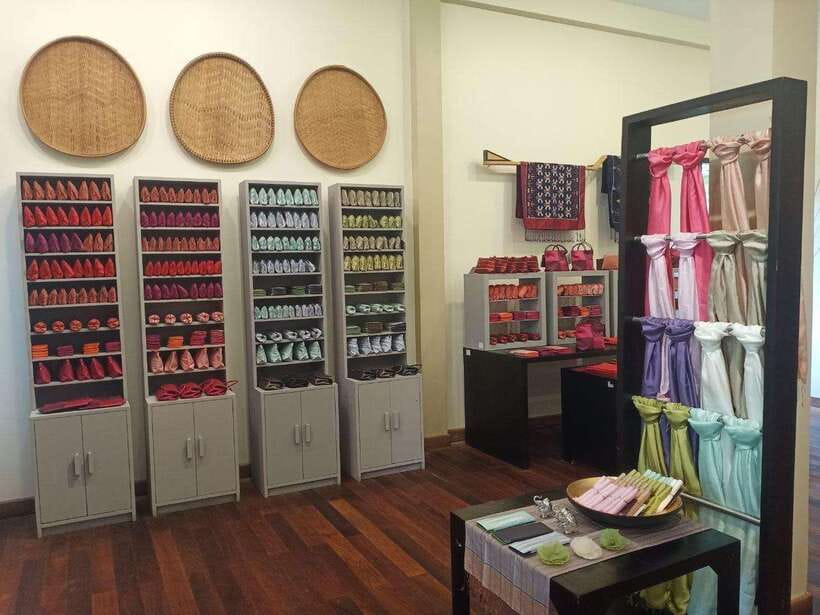
This is where the tour starts to feel like a gift run, but with intention. You’re not just browsing random stalls. The idea is that products here connect to sustainable practice and local craft traditions. If you like souvenirs that feel grounded in real production, this is the moment to look for items that match what you learned at the farm and workshop sites.
How to shop smarter here
When you find something you want, ask yourself two questions:
- Does it reflect a craft category you saw earlier (like weaving or silk-related work)?
- Does the price feel fair compared with similar items at the other stops?
Even a quick comparison makes a difference on a short tour like this.
Artisan d’Angkor: Watching Local Handicrafts Being Made
The final production stop is Artisan d’Angkor, where local handicrafts are made. This part of the route keeps you in “process mode.” Instead of only shopping, you’re again oriented toward what’s happening behind the scenes.
For me, this is the best way to avoid the most common souvenir-tour problem: leaving with objects but no connection to the craft. Artisan d’Angkor helps you keep that link. You get a clearer sense of scale—how many hands it takes, what tools get used, and how the work becomes a finished item.
Timing and energy
Because your day is only about 4 hours, you’ll want to arrive here ready to focus. Take a few minutes to look first, then shop. It’s easy to rush at the end of a craft circuit, and that’s when you end up paying more for things you don’t truly care about.
Getting Value From $25: Why This Route Feels Efficient
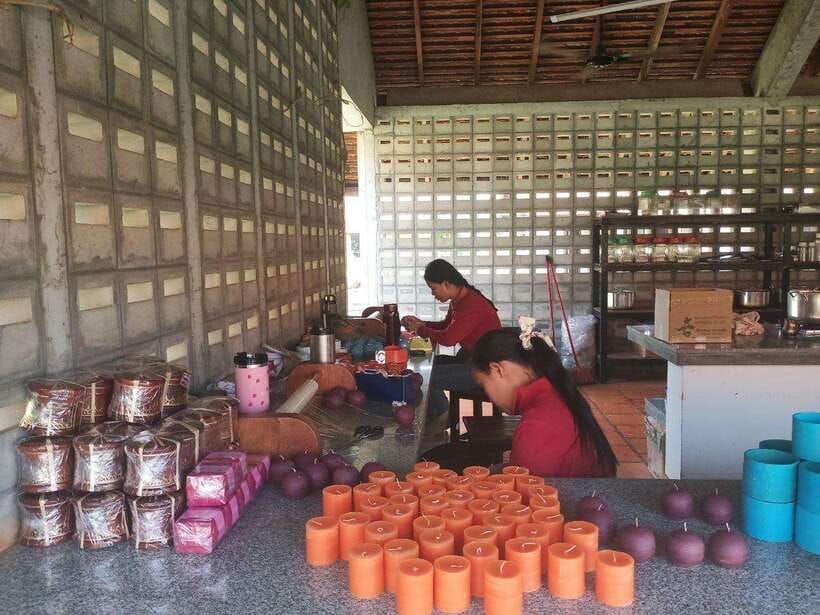
At $25 per group up to 2, the biggest value isn’t only the price. It’s what’s packed into the half-day: hotel pickup and drop-off, multiple craft destinations, and guided time plus skip-the-line entry.
A common trap in Siem Reap is spending half a day just to get from place to place. Here, you’re using the van time well. The route moves you through different craft types—silk production, bamboo-built workshops, sustainable product browsing, and a handicraft production hub—without you needing to plan transport between each stop.
What you’re paying for
You’re paying for:
- Guided explanations (so you understand what you’re seeing)
- Entry convenience (including separate entrance/skip-the-line)
- A tight schedule that prevents “craft fatigue”
If you enjoy practical, behind-the-scenes learning, this price-to-time ratio is strong.
What to Bring (And What Will Save You in the Heat)
This tour is part outdoors, part workshops. The essentials are simple.
Bring:
- Comfortable shoes (you’ll be walking)
- A hat and sunscreen (sun can be intense)
- A camera (you’ll want photos of silk stages and workshop setups)
Know before you go:
- Smoking is not allowed.
- You also won’t be consuming food and drinks during the tour. If you need a snack for later, plan it after you return.
The good news: because the itinerary is short, you can manage with basic preparations. The tour doesn’t ask you to carry heavy gear. Just wear what you can walk in comfortably.
Transportation and Group Style: Private, Short Hops, Guided Stops
This is a private group experience with a dedicated van route. That matters more than it sounds. In a private format, you’re more likely to get a smoother pace at each stop and fewer interruptions. It’s also easier to ask questions when the group size is smaller.
You’ll have an English-speaking driver, and the tour guidance is described as English. One past visitor noted French explanations were available on their tour, which is a helpful sign if you’re more comfortable in French than English—but I’d still plan primarily around English.
Who Should Book This (And Who Might Find It a Poor Fit)
This tour is a strong match if you:
- Like process-based sightseeing (seeing how things are made)
- Want an easy half-day that doesn’t feel like a quick stop-and-sprint
- Prefer cultural shopping with context, not just markets for the sake of markets
It’s less ideal if you:
- Use a wheelchair. The tour is noted as not suitable for wheelchair users.
- Have very limited patience for craft demonstrations. If you want temples only, this is more workshop and production focused than monument focused.
Also, if you dislike shopping completely, you’ll still see the craft sites—but you may feel some time is offered for browsing. For most people, that’s not a problem, but it’s good to be honest with yourself.
Should You Book This Half-Day Silk Farm and Craft Tour?
I’d book it if you want a half-day that feels real. You’re getting more than a storefront visit—you’re seeing a production chain (silkworm life to weaving) and multiple craft disciplines in one route. The silk farm and the bamboo workshops at Satcha are the backbone here, and they give you a strong sense of why these products exist beyond looks.
Skip it only if:
- You’re not interested in handicrafts at all
- You strongly prefer monuments over workshops
- You have difficulty with walking in heat and uneven outdoor areas
If you’re in Siem Reap and you want your souvenir money to mean something—this is one of the better ways to spend a compact block of time.
FAQ
How long is the tour?
The experience lasts about 4 hours.
What area does the pickup happen from?
Pickup is from Krong Siem Reap.
What does the tour cost and how many people is the group for?
It’s $25 per group up to 2 people.
What stops are included?
You’ll visit Angkor Silk Farm, Satcha Handicraft Center, Senteurs d’Angkor, and Artisan d’Angkor.
Is there hotel pickup and drop-off?
Yes, hotel pickup and drop-off are included.
Is the driver or guide English-speaking?
The driver is listed as English, and the tour language is English.
Are meals included?
No, meals are not included.
What should I bring for the tour?
Bring comfortable walking shoes, a hat, sunscreen, and a camera.
Are you allowed to smoke or eat during the tour?
Smoking is not allowed, and consuming food and drinks is not allowed during the tour.
Is the tour wheelchair accessible?
No, it is not suitable for wheelchair users.
If you tell me your travel dates and whether you’re shopping for silk, home items, or wearable crafts, I can suggest a simple “what to buy first” game plan for the route.