REVIEW · SIEM REAP
Siem Reap: Khmer Water Blessing by Monk and Lotus Farm Visit
Book on GetYourGuide →Operated by CWE Travel · Bookable on GetYourGuide
A monk blessing starts with a lotus flower. In Siem Reap, this 4-hour tour strings together Khmer water blessing ritual, temple context, and a lotus farm stop into one very human, very memorable experience.
I love the way you learn how locals use lotus flowers for temple offerings, not just where to take photos. I also like that you get clear English guidance throughout, so the “why” behind the ceremony makes sense.
One downside: during the blessing, you’ll get completely wet, so you really need a towel and a change of clothes. And if you use a wheelchair, this one isn’t suitable.
In This Review
- Key Things You’ll Notice on This Tour
- A Khmer Water Blessing Feels Like a Real Local Moment
- Pickup, Tuk-Tuk Time, and Why the Schedule Matters
- Preah Ang Chek Preah Ang Chorm: A Sacred Start in Siem Reap
- The Snack Stop: Fried Banana and Sweet Potato in Town
- Lotus Silk Farm & Shop: Why Lotus Flowers Matter
- Pick Your Clothes Like You Actually Mean It
- Wat Po Banteaychey: The Water Blessing Ceremony
- After the Blessing: Temple Time, Questions, and Photos
- The Price: What $55 Actually Buys You
- The Guides Make the Difference (Hong and Sarath as Examples)
- Who Should Book This Tour
- Should You Book the Siem Reap Monk and Lotus Water Blessing?
- FAQ
- How long is the Siem Reap Khmer Water Blessing and Lotus Farm tour?
- What does the tour cost?
- Where does the pickup happen?
- Do I need to bring a change of clothes?
- What’s included in the price?
- Is the tour wheelchair accessible?
- Is the guide available in English?
Key Things You’ll Notice on This Tour
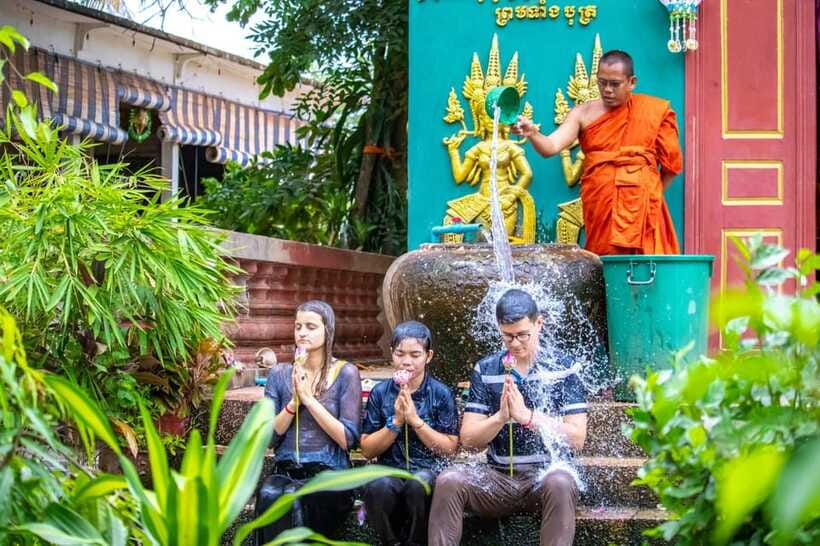
- Monk blessing plus a red ritual bracelet that marks the ceremony
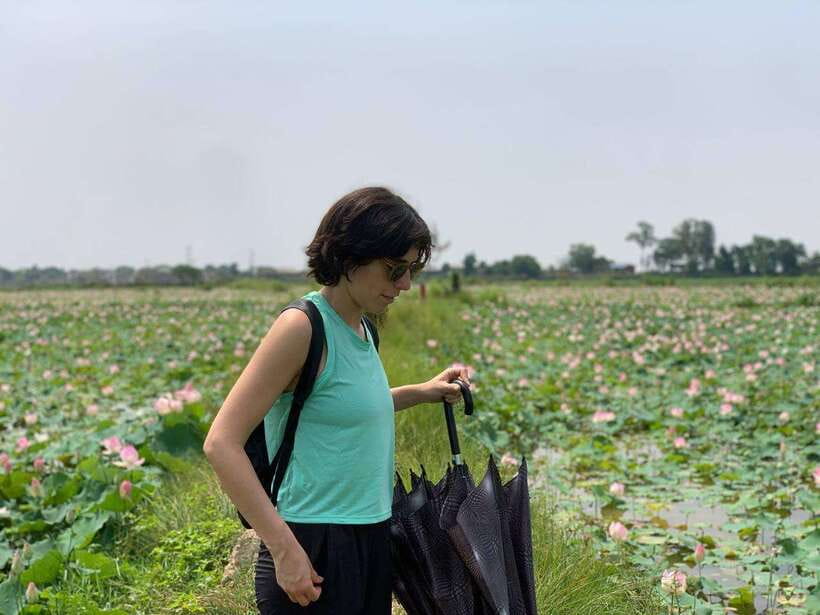
- Lotus farm visit with an explanation of farming and harvesting methods
- Pick lotus flowers to use in the traditional water blessing preparation
- Wat Po Banteaychey pagoda time that includes Buddhist beliefs and temple structure
- A practical, no-fuss wet ritual with guidance on what to do next
A Khmer Water Blessing Feels Like a Real Local Moment
This isn’t a big, scripted show. It’s a short, guided walk through how Buddhism shows up in everyday life in Siem Reap—through shrines, temple spaces, and the lotus flowers people prepare for offerings.
You’ll also feel the contrast quickly: starting calm at a sacred shrine, then moving into farm life and local food, and finally stepping into the water blessing ritual itself. That rhythm is part of the value here. You’re not just hearing about faith—you’re seeing the “inputs” that make the blessing happen.
Most of all, I like that the tour gives context. Before you get wet, you learn enough to understand what the ceremony is for and how the temple community is organized.
You can also read our reviews of more tours and experiences in Siem Reap.
Pickup, Tuk-Tuk Time, and Why the Schedule Matters
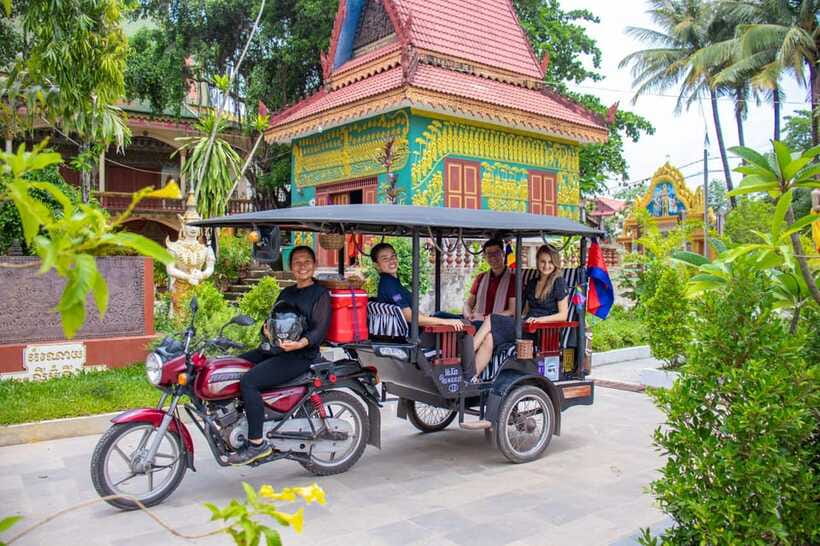
The tour runs about 4 hours, and pickup happens from your hotel or a location in Siem Reap City (Krong Siem Reap). You’ll travel by tuk-tuk style transport, listed as a Remork, with cold water and local snacks along the way.
Timing matters because the ceremony portion isn’t just about being present—it’s about being ready. You need that transition time to handle wet clothing, dry off, and then enjoy the rest of the temple area comfortably. The tour’s flow is designed to keep those steps from turning into chaos.
If you hate rushing, this is a good length. It’s long enough to feel like a full experience, but short enough that you still have plenty of energy left for Angkor afterward.
Preah Ang Chek Preah Ang Chorm: A Sacred Start in Siem Reap
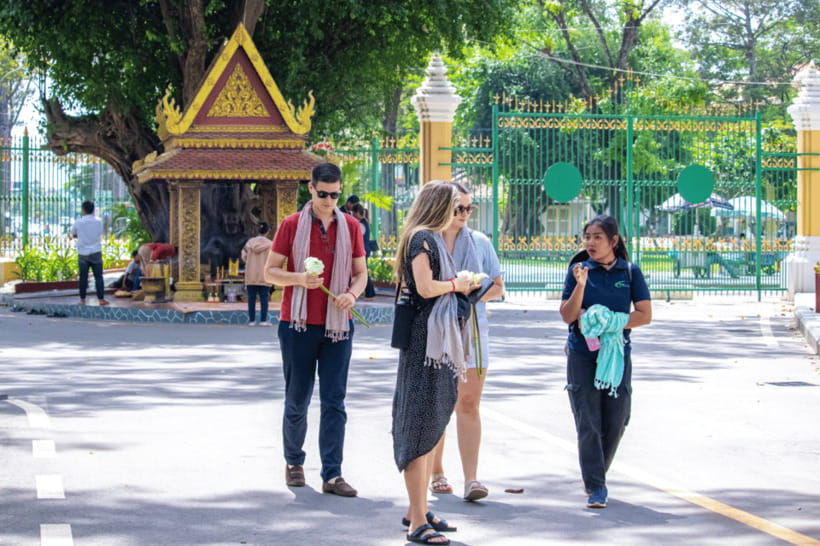
You begin at Preah Ang Chek Preah Ang Chorm Shrine with a guided visit and sightseeing time. This is your first taste of the spiritual focus of the day: a site locals treat as important and sacred in Siem Reap.
What I find useful here is the “warm-up.” Before you go anywhere near the water blessing, you’re already oriented to the idea that you’re entering spaces where rituals and respectful behavior matter. Your guide helps you read what you’re seeing and understand the basics of the temple world you’ll be stepping into later.
In practical terms, treat this as the moment to set your mindset: slow down, observe, and follow your guide’s cues. That will make the later ceremony feel more meaningful instead of mechanical.
The Snack Stop: Fried Banana and Sweet Potato in Town
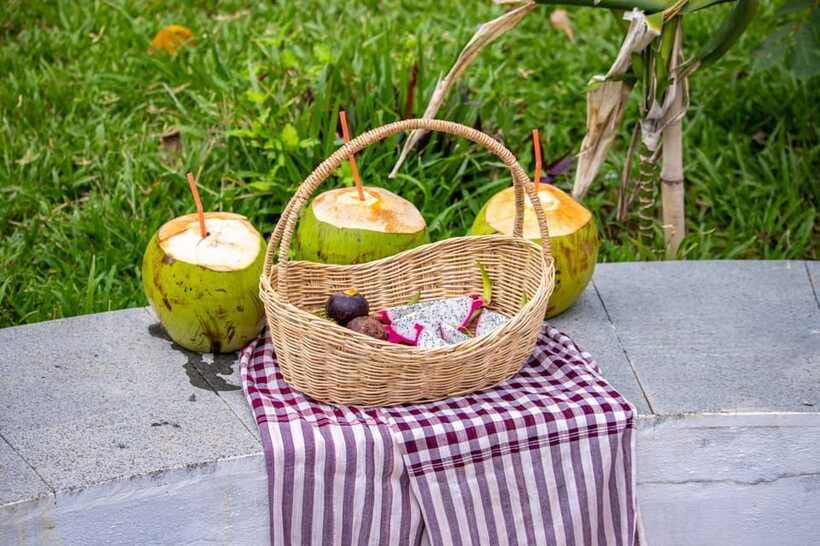
You’ll also stop in Siem Reap town to meet one of the fried banana business owners who has been open for more than 20 years. You’ll get to try fried banana and sweet potato as your first snack.
This might sound like a tiny detail, but it’s one of those small travel wins that helps the day feel local. It breaks up the religious parts with real-life Siem Reap street food—simple, comforting, and easy to enjoy without needing a big meal plan.
Also, snack time is handy. You’ll be glad you ate something when the schedule moves from shrine to lotus farm to pagoda.
Lotus Silk Farm & Shop: Why Lotus Flowers Matter
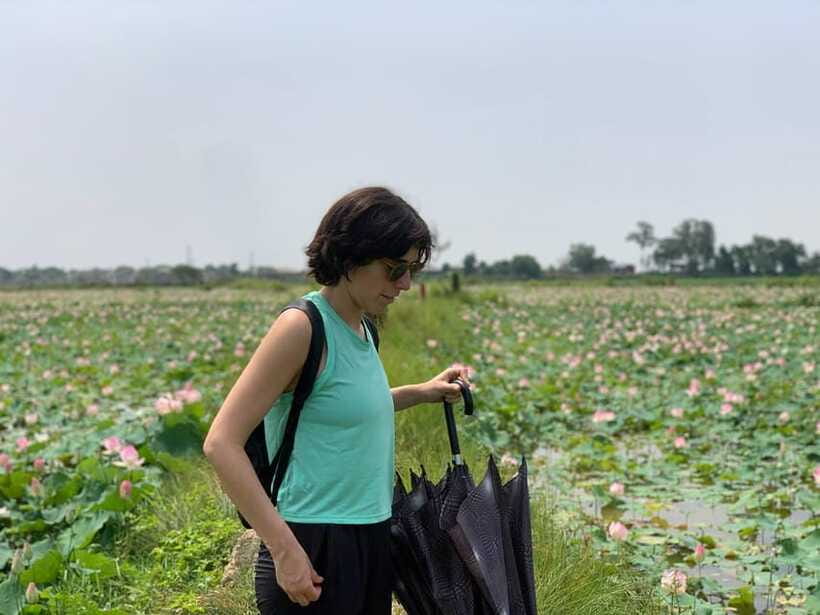
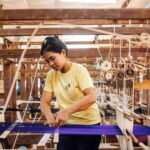
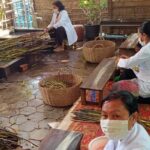
Next comes the Lotus Silk Farm & Shop area. You’ll have a guided visit and a short walk (listed at about 30 minutes), plus you’ll pass lotus ponds along the road toward Tonle Sap Lake, so you start seeing the lotus fields before you even arrive.
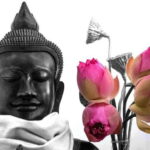
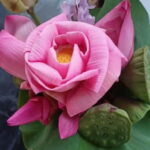
Here’s what makes this stop more than scenery: the guide explains farming and harvesting methods. You learn how lotus cultivation supports the temple offering process—so when you later pick lotus flowers and use them for the water blessing preparation, it feels grounded instead of random.
You may also be able to pick lotus flowers to prepare for the traditional water blessing ceremony at the temple. If you do, keep it respectful and follow your guide’s instructions. The flowers aren’t just props; they’re part of the offering.
Pick Your Clothes Like You Actually Mean It
This tour includes a hands-on moment that you can’t avoid: during the water blessing, you’ll get completely wet.
So treat your packing list like a checklist:
- Bring a towel
- Bring a change of clothes
- Wear comfortable clothes that you don’t mind getting damp
- Sunglasses and a camera can help for the rest of the day
This is where the tour’s value shows up again. You’ll have time to change after the blessing and then continue exploring the pagoda area. If you show up without a change, the ceremony still happens—but your comfort afterward takes a hit.
If you’re sensitive to cold, consider what season you’re traveling in and plan accordingly. Even without that detail being listed, getting wet is still the key factor you must plan for.
Wat Po Banteaychey: The Water Blessing Ceremony
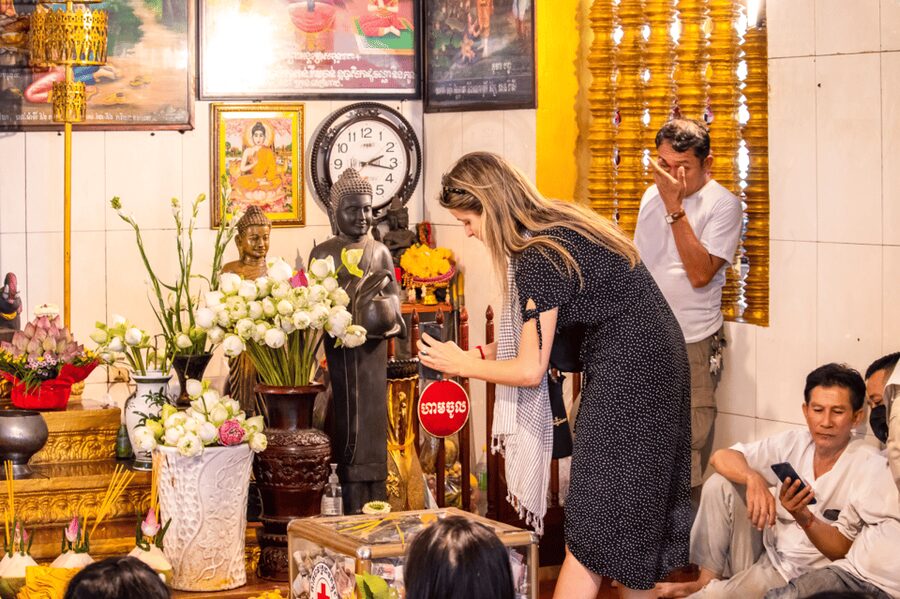
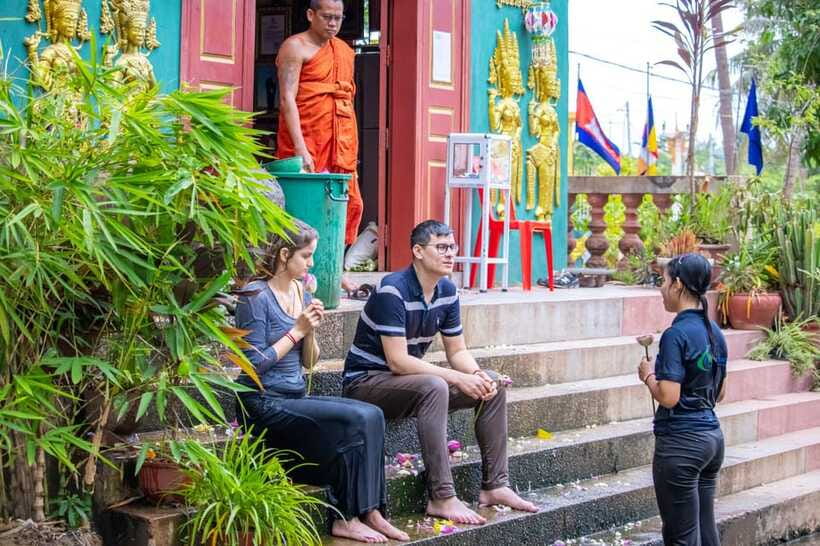
Your final major stop is Wat Po Banteaychey, where you’ll spend about an hour with guided sightseeing, a walk, and the ceremony itself.
Before the blessing, your guide explains Buddhist beliefs and the role and structure of a local temple—plus the kinds of activities that happen at the pagoda. This matters because it turns the event into something you understand. You’re not just copying what others do; you’re aware of what the ritual represents.
Then comes the main event: the water blessing. You’ll get fully wet. It’s active participation, not a passive viewing.
The highlight list also notes that you receive:
- a monk’s blessing
- a red ritual bracelet
- an offering/donation tied to the ceremony
The bracelet detail is worth mentioning because it gives you a simple takeaway—something visual that connects the ceremony to your day.
After the Blessing: Temple Time, Questions, and Photos
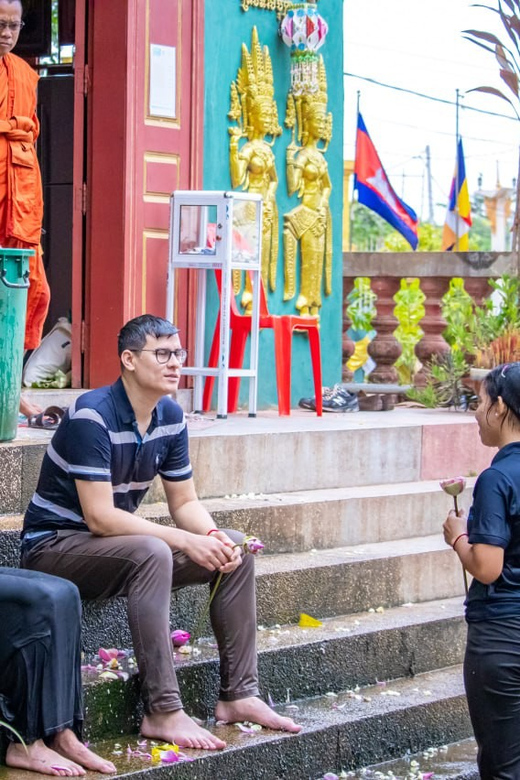
Once the water blessing is done, the tour continues with time to wander the pagoda area. Your guide encourages questions, and they’re there to help you understand what you’re seeing.
This is also when many people enjoy getting photos—your guide can help with moments and timing, and some groups are known for taking photos at the end. I’d suggest asking early what’s appropriate for pictures, especially around active ritual spaces.
A good approach here: after you change, slow down and take in the smaller details. The ceremony may be the headline, but the feeling often comes from the quiet minutes afterward—the temple grounds, the flow of people, and the calm that settles in after the wet ritual moment.
The Price: What $55 Actually Buys You
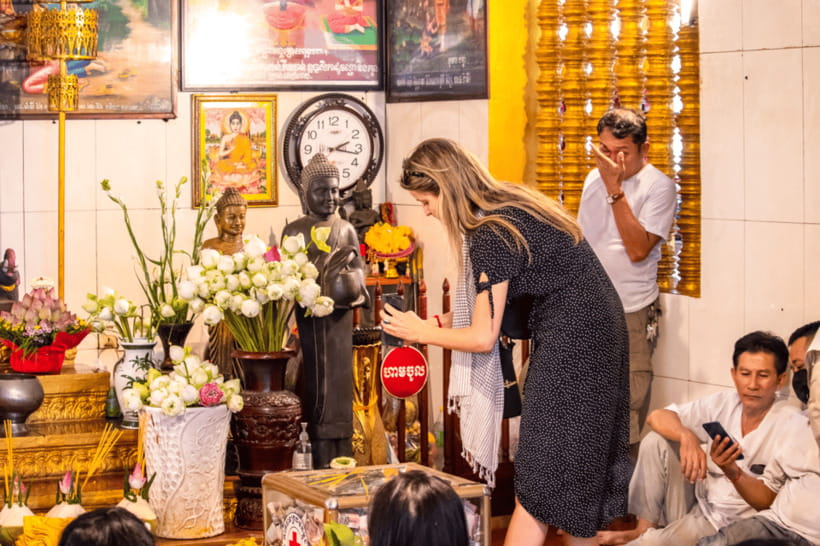
At $55 per person for about 4 hours, the key question is what’s included beyond the ceremony. Here’s what the listed inclusions cover:
- local English-speaking guide
- tuk-tuk style transportation (Remork)
- cold water and local snacks
- monk’s offering and donations
- lotus farm entrance fee
- monk-related ceremony components (as part of the experience)
So yes, you’re paying for spirituality and a guided visit. But you’re also paying for logistics: transport, guidance, food/snacks, and the entry/ceremony-related costs.
If you were to book the same day as separate parts—guide + transport + lotus farm admission + ceremony support—you’d likely spend similar or more, and you’d have to stitch it together yourself. For many visitors, that alone is the value.
Just keep one thing in mind: personal expenses are not included, so bring some cash for anything extra you decide to buy on the day.
The Guides Make the Difference (Hong and Sarath as Examples)
One pattern shows up in the feedback: guides are praised for English and for being genuinely helpful, not just reciting facts. Some people specifically mention guides named Hong and Sarath, both noted for strong communication and attentiveness.
That matters because the tour includes spiritual and cultural context, plus an active wet ceremony. If your guide can explain clearly and help you feel comfortable, the day becomes easier—and the meaning lands better.
A smart move: when you meet your guide, ask one direct question early. For example, ask what you should pay attention to during the blessing. You’ll get more out of the experience right away.
Who Should Book This Tour
This is a good fit if you:
- want a spiritual, hands-on experience tied to local practice
- like learning the practical side of culture, not just viewing it
- don’t mind getting wet and want time to change afterward
- enjoy short city-based tours that still feel meaningful
You might skip it if:
- you need wheelchair accessibility (it’s listed as not suitable)
- you’re not comfortable with ceremonies involving water (again, you’ll get completely wet)
Should You Book the Siem Reap Monk and Lotus Water Blessing?
I’d book it if you want one of the most direct ways to experience Buddhist practice in Siem Reap with a structured day plan. The combination of lotus farm context, a shrine start, and the water blessing itself creates a full arc—your day makes sense from first stop to finish.
I’d think twice if the wet ritual is a dealbreaker for you or if you’re traveling without a towel and change of clothes. This tour lives or dies on comfort and preparation.
If you’re ready for a respectful, guided spiritual day that also includes local food and a lotus-focused stop, this is a strong way to spend 4 hours in Siem Reap.
FAQ
How long is the Siem Reap Khmer Water Blessing and Lotus Farm tour?
It lasts about 4 hours.
What does the tour cost?
The price is listed at $55 per person.
Where does the pickup happen?
Pickup is included from your hotel or other locations in Siem Reap City (Krong Siem Reap). You’ll provide your hotel name and exact address.
Do I need to bring a change of clothes?
Yes. During the water blessing, you will get completely wet, so you should bring a towel and clothes to change.
What’s included in the price?
Included are an English-speaking local guide, transportation with Remork (tuk-tuk), cold water and local snacks, monk’s offering and donations, and lotus farm entrance fee.
Is the tour wheelchair accessible?
No, it’s listed as not suitable for wheelchair users.
Is the guide available in English?
Yes, the tour includes a live English-speaking guide.