REVIEW · SIEM REAP
Angkor Silk Farm & Lotus Silk Farm: Siem Reap Discovery Tour
Book on GetYourGuide →Operated by Savin Lotus Shop · Bookable on GetYourGuide
Silk and flowers, both made by hand. I love how this tour connects the full silk production cycle at Angkor Silk Farm with the lotus-fiber transformation at Lotus Silk Farm, and you’ll see both in just four hours. I also like that your purchases support ethical textile work tied to local women.
The only real drawback: the time in the car between farms can feel long, and it can get hot if you go when the sun is blasting.
Key things I’d circle on your notes
- Two farms, two ways of making thread: silkworm work first, lotus-fiber extraction second
- Clear live demonstrations: silkworm life cycle, lotus fiber extraction, and weaving techniques
- Relaxed countryside drive: real rural scenery, not just road views
- Ethical social enterprise impact: your visit supports women’s employment through handcrafted textiles
- Boutique browsing with purpose: you can buy, but it’s your choice (and it funds the farms)
In This Review
- Silk in Siem Reap starts at Biolab Café
- Angkor Silk Farm: from mulberry leaves to thread
- Wooden looms and the weaving demo you can picture
- Lotus Silk Farm by Samatoa: turning stems into lotus fiber
- The real value: ethical work and sustainability you can actually see
- What’s that ride between farms like?
- Price and value: what $25 buys for 4 hours
- Boutique browsing at the end: buy with confidence
- Who this 4-hour textile tour is best for
- Should you book Angkor Silk Farm & Lotus Silk Farm?
- FAQ
- Where is the meeting point?
- What time does the tour depart?
- How long is the tour?
- Is hotel pickup included?
- What languages are the guides?
- What farm stops are included?
- Are meals included?
- Is boutique shopping included in the price?
- Is photography allowed?
- Can I cancel for a refund?
- Is Wi‑Fi available during the tour?
Silk in Siem Reap starts at Biolab Café
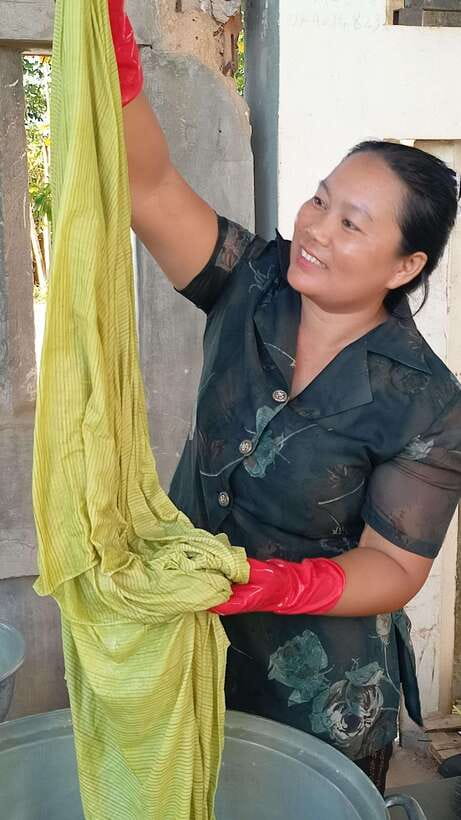
Your tour meets at Biolab Café in downtown Siem Reap. There’s an air-conditioned garden waiting area, clean restrooms, and Wi‑Fi, so you can get your bearings fast without standing in heat.
Look for the lotus-colored flag marked PICKUP – Lotus Silk Farm. The van is grey, and your driver is usually waiting outside the café. Morning departures are at 8:30 AM and 10:00 AM, and you’ll want to arrive about 10 minutes early so the whole schedule stays on track.
One more practical note: this tour is pickup-and-drop only from the meeting point. If you’re staying elsewhere, you’ll need to get yourself to Biolab Café.
Angkor Silk Farm: from mulberry leaves to thread
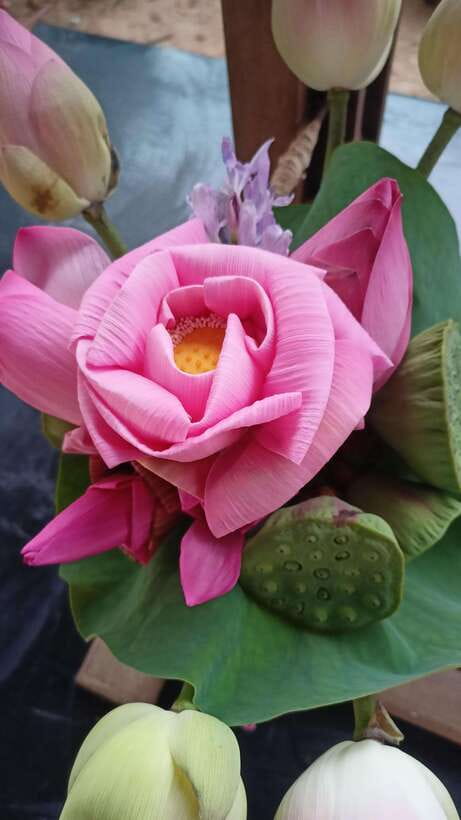
Angkor Silk Farm is the “classic Cambodian silk” stop. You’ll start with a guided walkthrough that shows how silk begins with mulberry cultivation and how it becomes thread through the silkworm life cycle.
You’ll get to see the stages up close—eggs to silkworms to cocoons—then watch the thread extraction process. It sounds simple, but when you see each step explained in real time, you understand why real silk work takes patience. There are also lots of photo opportunities here, so bring your camera and don’t rush your viewing.
This stop also includes a short shopping window at the farm. That matters because silk products are most convincing when you’ve just learned how they’re made. You’ll be able to spot what’s finished, what’s woven, and what’s just decorative.
You can also read our reviews of more tours and experiences in Siem Reap.
Wooden looms and the weaving demo you can picture
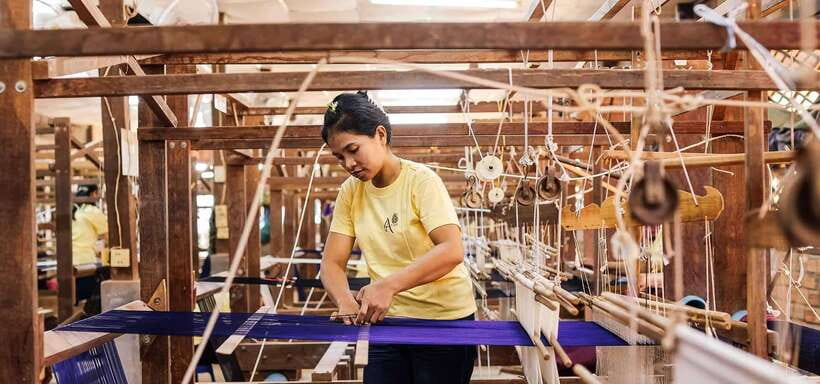
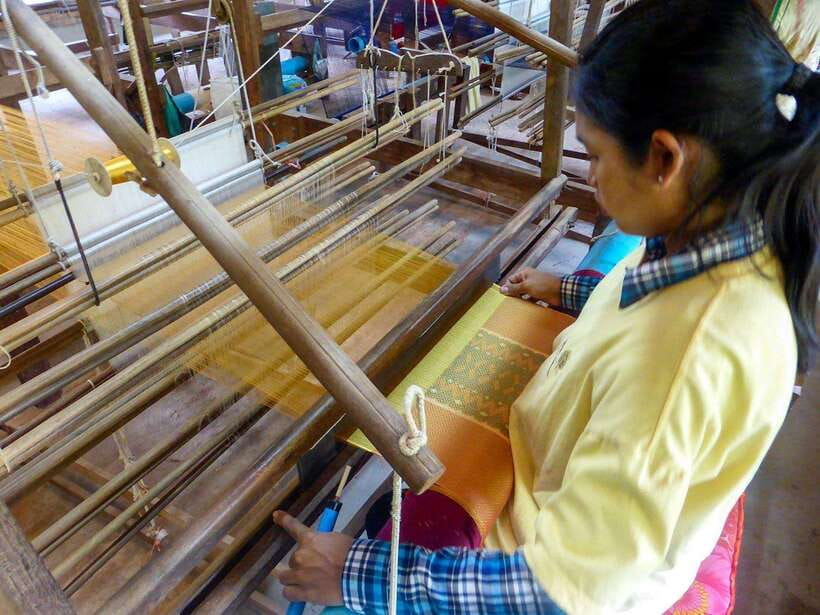
After the production explanation, the farm focuses on weaving skills. You’ll see artisans demonstrate techniques on traditional wooden looms, including how patterns are created and carried through the process.
I like demos like this because they help your brain “map” the craft. Instead of looking at finished scarves and thinking, nice—but how?—you can connect the thread you saw earlier to the fabric you’re watching being formed now.
This is also where the tour becomes more than a quick look-and-go. You get time to watch hands at work, not just hear a talk. If you’re the kind of person who wants to know how something gets made, this part is satisfying.
Lotus Silk Farm by Samatoa: turning stems into lotus fiber
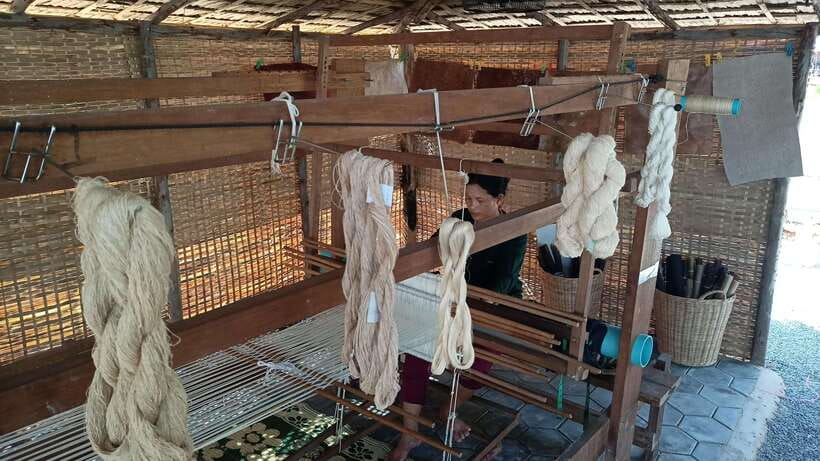
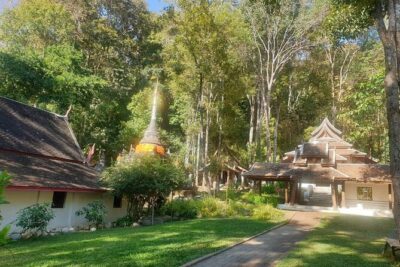
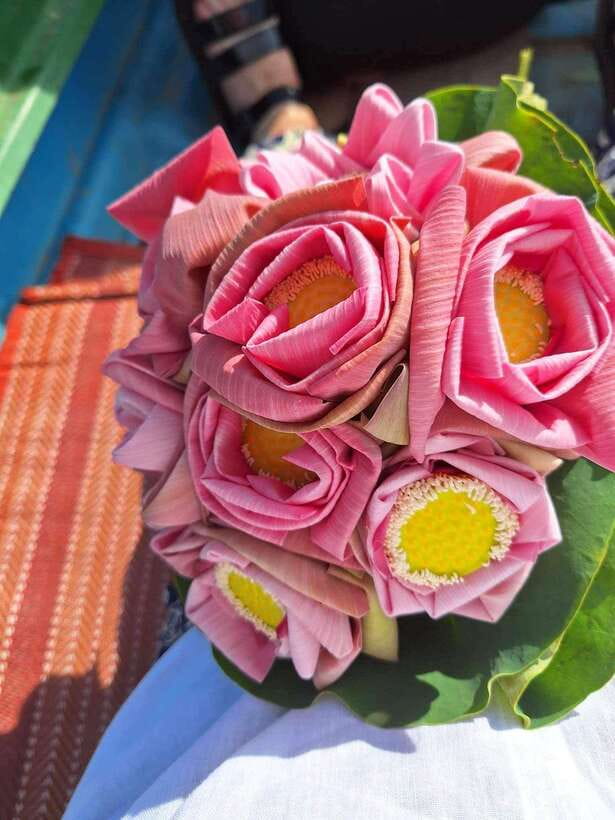
Then you head to Lotus Silk Farm by Samatoa. This is where the tour flips from old-school silkworm silk to a modern, plant-based idea: extracting fiber from lotus stems.
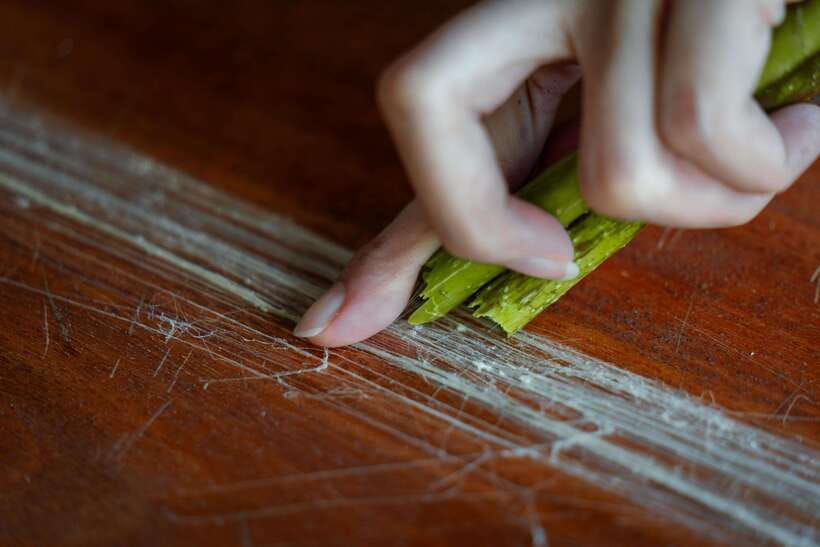
The guided visit here focuses on lotus-fiber extraction and the way the process becomes usable thread. You’ll see demonstrations that show how the farm turns a plant into textile material, and you’ll get time to ask questions if your guide is pacing slowly enough for you.
One extra perk: Lotus Silk Farm includes lotus tea and biscuits in a garden setting. It’s a calm reset between the two production worlds, and it also gives you a moment to cool off before more browsing and photos.
And yes, there’s a second shopping stop at the lotus farm too. If you bought nothing at Angkor, this is your second chance to compare quality and explain what you’re looking at using what you learned earlier.
The real value: ethical work and sustainability you can actually see
I don’t mind tours about crafts—what matters is what the craft does for real people. Both farms are framed as social and community-focused textile enterprises, and the lotus side in particular is designed to empower local women through steady work that’s tied to traditional skills.
You’ll also see sustainability described in a hands-on way, not just on a poster. The lotus model is different because the raw material comes from lotus stems, and the farm’s goal is to keep the work both ethical and functional in the real textile supply chain.
A lot of guests also point to the clarity and kindness of the guides at Lotus Silk Farm. In practical terms, that means you’re less likely to feel like you’re being ushered through. When the explanation is clear, you can appreciate what makes lotus textiles different instead of just taking photos and hoping you remembered the details later.
What’s that ride between farms like?
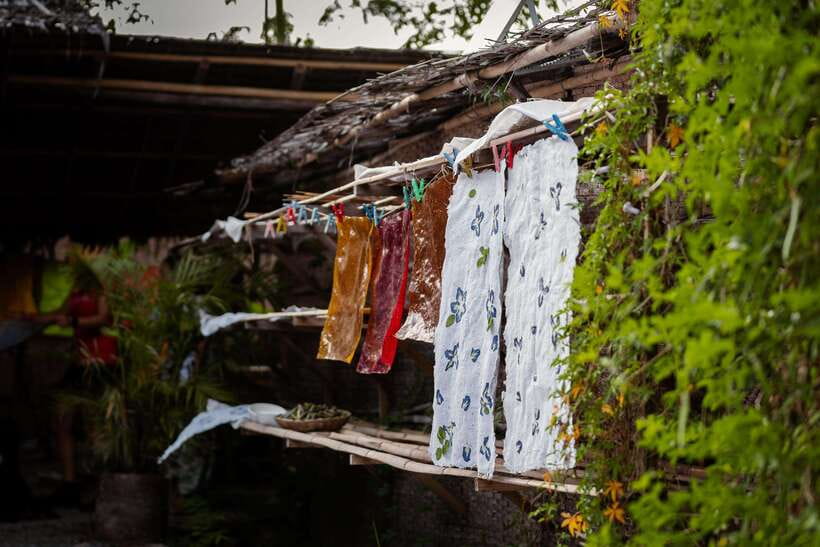
This tour includes transportation by private car between the two stops, plus pickup and drop-off at Biolab Café. The ride is part of the experience because you’re traveling through Cambodian countryside rather than staying trapped in traffic near the main tourist corridors.
That said, there’s one downside worth respecting: the time in the car can feel long if you’re stuck looking at road and trees. One guest specifically flagged the transfer as quite long with little to see after the first stretch, and heat made it tougher. If it’s a sunny day, wear light clothing and bring sunscreen.
Also, pack water if you personally get dehydrated easily. The tour includes tea and biscuits, but it doesn’t list full meals or extra drinks.




Price and value: what $25 buys for 4 hours
At $25 per person for about four hours total, you’re paying for more than entry tickets. You’re buying guided explanations at two farms, live demonstrations at both locations, access to exhibitions and farm areas, and transportation from the meeting point and back.
For me, the value comes from the “compare and contrast” setup. You’re not just seeing one process; you’re seeing two completely different raw-material stories—silkworms first, lotus stems second—plus weaving techniques in between. That’s a lot of learning for a short time in Siem Reap.
You’re also not locked into shopping. Boutique browsing is optional, and purchases are not included. That’s a good thing, because once you understand the process, you’ll be more confident buying something that feels worth the money instead of buying what just looks pretty.
Boutique browsing at the end: buy with confidence
Both farms have boutiques, and this is the moment where your new knowledge pays off. You’ll be able to ask questions like: What’s woven versus printed? What’s the difference between thread and fabric? Why might lotus-based textiles cost more than mass-produced items?
One useful mindset: if you’re tempted to buy fast, slow down. Silk and lotus products take work and time, so a quick purchase without understanding can feel annoying later. Spend a few minutes comparing items, then decide.
If you want a simple rule: buy one thing you genuinely like and can explain, rather than trying to collect a whole wardrobe in one go.
Who this 4-hour textile tour is best for
This tour is a strong fit if you love making sense of how things are produced. If you’re an engineer-brain type, or you simply like crafts with a clear process, you’ll probably enjoy how each farm teaches by showing.
It’s also a good choice for culture-focused visitors who want something beyond temples. You’ll still feel “Cambodian,” just through textiles, workshops, and the day-to-day work behind the finished products.
Families can do it too, since the tour is described as suitable for all ages and fitness levels. Just remember that children must be accompanied by an adult.
If you’re expecting hands-on weaving where you’ll become an expert in one afternoon, don’t count on that being the core. The tour includes demonstrations, and any hands-on extras you might see at Lotus farm are not listed as included. You can still have fun, but plan to watch first and ask what’s possible on the day.
Should you book Angkor Silk Farm & Lotus Silk Farm?
Book it if you want a focused, guided textile lesson in Siem Reap without spending half a day on a complicated route. Two farms in four hours is efficient, and the contrast between silkworm silk and lotus-fiber textiles makes the whole experience more memorable.
Skip or reconsider if you hate car time or hot weather transfers. This tour works best when you can tolerate the between-farm ride and you’re comfortable spending a solid chunk of time indoors and outdoors in farm settings.
If you’re torn between “seeing farms” and “temples only,” this is a nice balance: you still get craft, culture, and community impact, just from a different angle.
FAQ
Where is the meeting point?
The meeting point is Biolab Café in downtown Siem Reap.
What time does the tour depart?
Morning departures are at 8:30 AM and 10:00 AM.
How long is the tour?
The total duration is 4 hours, including transportation time between the farms.
Is hotel pickup included?
No. Transportation is only provided to and from the meeting point at Biolab Café.
What languages are the guides?
Guides provide explanations in English or French.
What farm stops are included?
You visit Angkor Silk Farm and Lotus Silk Farm.
Are meals included?
No full meals are listed as included. Lotus tea and biscuits are provided at Lotus Silk Farm.
Is boutique shopping included in the price?
No. Access to the boutiques is included, but purchases are not included in the tour price.
Is photography allowed?
Yes, photography is allowed at both farms.
Can I cancel for a refund?
Yes. You can cancel up to 24 hours in advance for a full refund.
Is Wi‑Fi available during the tour?
Free Wi‑Fi is available at Lotus Silk Farm.