REVIEW · QUEENSLAND
One Hour Coral Farm Tour, Discover Australia’s Marine Life
Book on Viator →Operated by Monsoon Aquatics Coral Farm Tours · Bookable on Viator
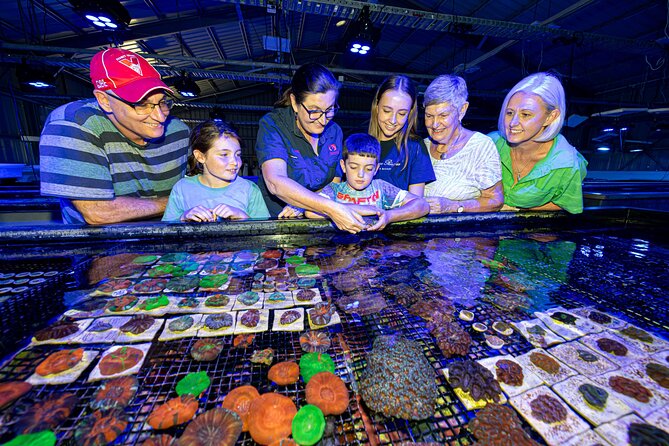
Coral farming is surprisingly hands-on. In just about 1 hour 15 minutes, you’ll tour Monsoon Aquatics Coral Farm and watch how coral is grown and cared for, with a front-row view of reef-life tanks in Queensland. I like that the focus is practical—coral cultivation and reef restoration know-how—so it feels more than just a pretty photo stop. I also like that you get a phone lens filter to help you capture the colors of the corals you’re seeing up close. One thing to plan for: this is a working aquaculture farm, so wear non-slip closed-in shoes because the floors can be wet.
In This Review
- Quick Take: What Makes This Coral Farm Tour Special
- The Monsoon Aquatics Setting: Reef Science in a Real-World Farm
- Your Hour on the Clock: Timing, Start Time, and What 1 Hour 15 Minutes Really Feels Like
- Meeting Point in Burnett Heads: Getting There Without Stress
- Inside the Coral Farm: Tanks, Phone Photography, and the 200+ Species Factor
- The Live Part: Feeding and Propagation Demonstrations You Can Follow
- Learning From the Guides: Megan, Indie, and Nyki’s Style
- What to Wear and Know: Wet Floors, Non-Slip Shoes, and Comfort
- Value Check: Is $22.95 Worth It for an Hour?
- Best-Fit Travelers: Who This Tour Really Suits
- Weather-Ready Plans: Tours Run in All Conditions
- Should You Book This One-Hour Coral Farm Tour?
- FAQ
- How long is the One Hour Coral Farm Tour?
- Where does the tour start?
- What time is the tour scheduled to start?
- How much does the tour cost?
- What’s included in the tour?
- What should I wear?
- Does the tour run in bad weather?
- What if I need to cancel?
Quick Take: What Makes This Coral Farm Tour Special
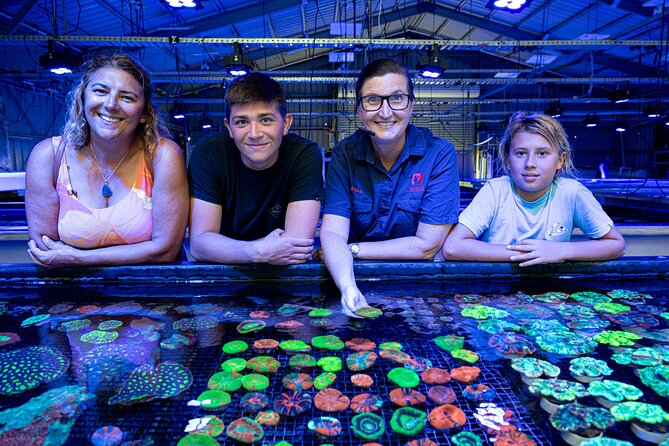
- Australia’s largest coral farm with a guided behind-the-scenes look at how it runs
- 200+ coral species sourced from across Australia’s coast
- A phone lens filter loaned for the tour, made for better close-up photos
- Live coral feeding and propagation demonstrations so learning stays visual
- Small group size (up to 16 people) for easier viewing around the tanks
- Tours run in all weather, which matters in coastal Queensland
The Monsoon Aquatics Setting: Reef Science in a Real-World Farm
This is the kind of tour that makes coral feel less like a faraway underwater fantasy and more like something people actively maintain. Monsoon Aquatics Coral Farm is set up as a working facility, and that shows in the way the tour is paced: you’re moving through tanks, learning what’s happening in each system, and seeing the practical side of marine conservation.
A big reason I think this works is that coral is explained as a living process, not a museum label. You learn what coral needs to grow, what caretaking looks like, and why coral farms matter for reef health. The tour also connects the farm’s work to the wider story of Australia’s marine ecosystems—so you’re not just looking at animals in water; you’re seeing a conservation approach in action.
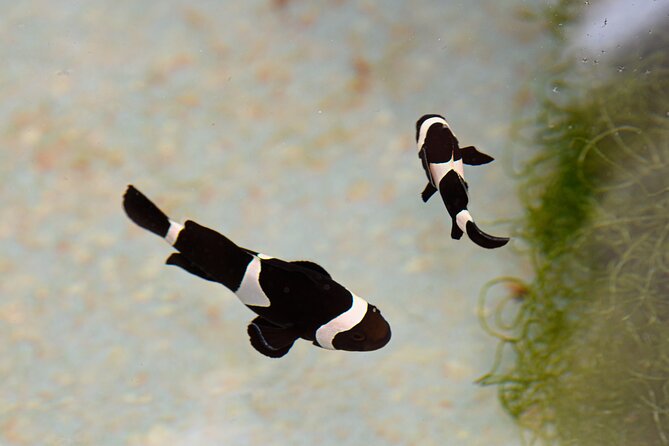
And because it’s a land-based tour from tanks, you can enjoy it even if you don’t want (or can’t) do a full day trip. You’re still getting a close, detailed look at coral structure and the fish that live around it.
You can also read our reviews of more tours and experiences in Queensland.
Your Hour on the Clock: Timing, Start Time, and What 1 Hour 15 Minutes Really Feels Like
The tour is scheduled to start at 10:00 am and runs about 1 hour 15 minutes. In a place like Bundaberg, that time window is gold: it’s long enough to be meaningful, but short enough to slot into a day without wrecking your plans.
You’ll also want to keep an eye on demand. The tour is commonly booked around 9 days in advance, which usually means it’s popular with families and reef-lovers who plan their days early.
One more practical note: the tour is the one-hour guided experience at Monsoon Aquatics Coral Farm tours, and the schedule shown here is a clear single start time. If you’re trying to stack multiple activities, build your day around that 10:00 am slot.
Meeting Point in Burnett Heads: Getting There Without Stress
You’ll meet at 145 Buss St, Burnett Heads QLD 4670, Australia. The tour ends back at the same meeting point, so you’re not dealing with complicated drop-offs or transport shuffles.
If you’re staying in the Bundaberg area, this is the sort of activity you can plan like a quick morning anchor. It’s also easier for families because it’s contained: you’re not committing to a long drive or a late return.
Plan to arrive a little early. It’s a working site, and you’ll want time to settle in, get your shoes right, and be ready for the guide’s orientation before you move around the tanks.
Inside the Coral Farm: Tanks, Phone Photography, and the 200+ Species Factor
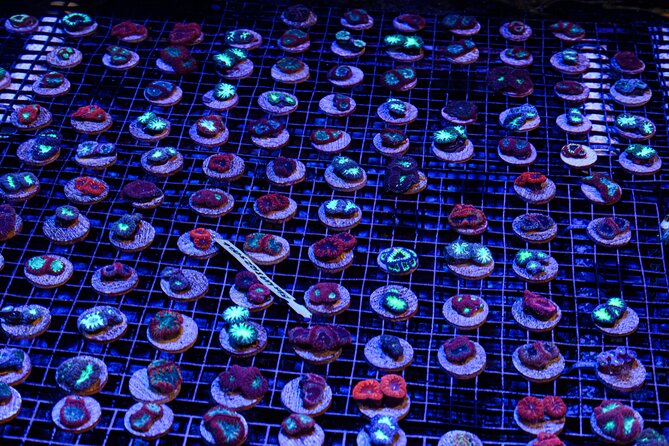
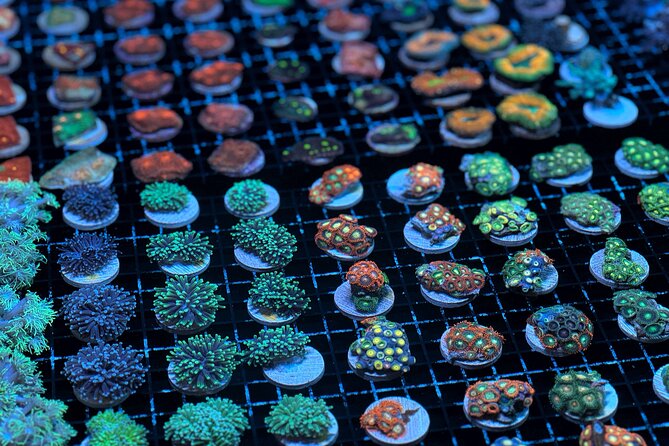
The star of the show is the scale of the collection. You get the chance to see over 200 coral species sourced from all around Australia’s coast. That matters because coral doesn’t just look different; it grows in different forms, branching patterns, and textures. Seeing a wide range helps you start noticing those differences that you’d otherwise miss in a quick snorkel-style look.
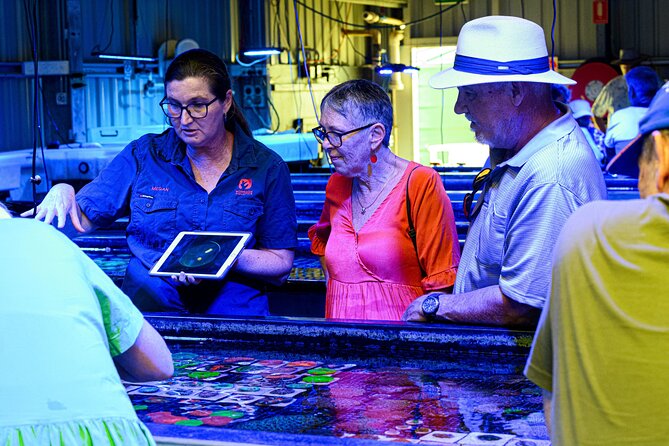
You’ll also get a helpful tool for capturing what you see: the tour loans a special lens filter that attaches to your phone camera for the duration of the experience. This is one of those small inclusions that actually changes the results. Rather than hoping your phone can handle close-up color shifts inside a tank environment, you get a purpose-made filter to help you take better photos.
When lighting changes across indoor and outdoor tanks, your photos can look different too. On this tour, you’re shown around enough that you can see how the same coral can appear with different color tones depending on where you’re standing and what lights are in use.
The Live Part: Feeding and Propagation Demonstrations You Can Follow
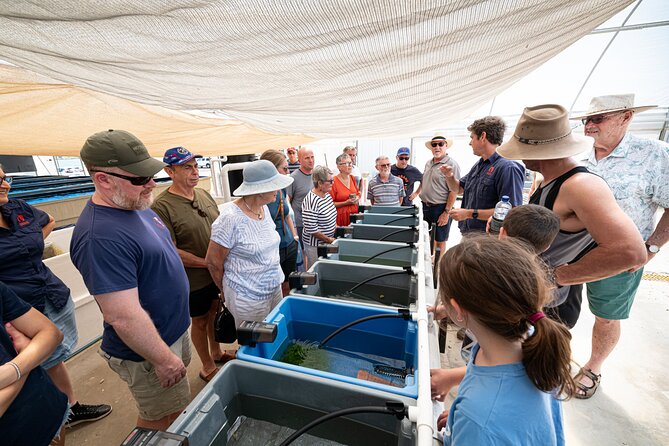
This isn’t a passive viewing session. You’ll see live coral feeding and propagation demonstrations during your guided hour. That’s important because coral farming is part art, part science, and part daily routine.
Propagation is the conservation practice that gives coral farms their long-term value. It’s how pieces of coral are grown and multiplied so healthy specimens can support restoration efforts later on. On a short tour like this, you won’t get a lab training session, but you do get the key idea explained in a way you can see: how new growth begins, how caretaking supports it, and what staff watch for.
The feeding portion adds another layer. Corals and reef life interact through the whole ecosystem around them—so seeing activity in the tanks helps you connect the coral itself with the marine ecosystem it supports.
If you’re traveling with kids, this kind of hands-on demonstration tends to land better than slide-deck facts. Even while you wait, the site has coloring tables on the deck for kids, which can take the edge off the waiting time.
Learning From the Guides: Megan, Indie, and Nyki’s Style
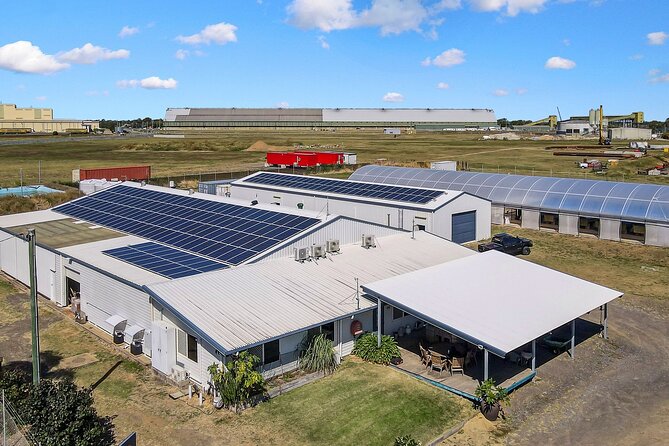
A tour lives or dies by the person leading it, and the Monsoon Aquatics Coral Farm tours are guided by staff who keep the information grounded and easy to follow. The names that show up often include Megan, Indie, and Nyki.
You’ll likely notice a bit of presentation style too. One thing I’d flag for you is that some guides start with a strong, attention-getting voice at the beginning—useful when there’s equipment noise and lots to look at. After that initial ramp-up, the explanation settles into a comfortable pace.
What I appreciate about good coral-farm guides is that they don’t just describe what you’re seeing; they help you interpret it. You learn what to watch for in coral health and structure, and you pick up practical conservation context without turning it into a lecture.
What to Wear and Know: Wet Floors, Non-Slip Shoes, and Comfort
This is the part that can make or break your experience, because it’s a working aquaculture farm. You should wear non-slip shoes, and you’ll want closed-in footwear because floors may be wet.
Also, the tour lists a moderate physical fitness level. That doesn’t mean you need to be an athlete, but it does suggest you’ll be moving around within the farm area, likely with some standing and walking between viewing points.
The good news: the tour is short. Even if you’re not used to lots of walking, the total time keeps it manageable. Still, don’t show up in flip-flops and hope for the best—wet floors plus slick surfaces are not where you want to test your luck.
Value Check: Is $22.95 Worth It for an Hour?
At $22.95 per person, this tour has a straightforward value proposition: you’re paying for a guided look at a working coral farm plus included access to a special photography tool.
Here’s why I think it can be good value:
- It’s not just viewing. You get feeding and propagation demonstrations, which adds real meaning to the time.
- You see variety. Over 200 coral species is a lot for a one-hour outing.
- You get equipment support. The phone lens filter is a tangible add-on that improves the photos you take home.
- Small group size helps. With a maximum of 16 people, it’s easier to see the tanks without constant crowd pressure.
The main trade-off is time. It’s only about an hour, so you won’t get a long, slow wander through every tank. If you’re the type who wants to read every sign and linger for an hour at the same viewing point, you may find yourself wishing it stretched a bit longer. But if you want an efficient, guided, high-information visit, this price and length are a fair fit.
Best-Fit Travelers: Who This Tour Really Suits
This coral farm tour is a strong match if you’re:
- A marine-life fan who wants coral cultivation explained in plain language
- Traveling with families who want something structured, safe, and not too time-consuming
- Curious about how reef restoration works on land, not just what reefs look like
It’s also a good choice if you want to experience reef life without committing to a full-day underwater activity.
Who might skip it? If you’re only chasing a dramatic, underwater swim experience, this is land-based tank viewing. You’re learning and observing coral systems, not doing a long ocean adventure.
Weather-Ready Plans: Tours Run in All Conditions
One underrated advantage: the tours run in all weather. In coastal Queensland, that’s a big deal. It means you don’t have to build your whole day around sunny skies.
Just remember that even indoors or under cover, you’re still at a working facility. Wet ground and wet floors can still be part of the experience, so your shoes and socks matter.
Should You Book This One-Hour Coral Farm Tour?
If you’re in the Bundaberg area and you care about marine ecosystems, I’d lean toward booking. The combination of expert-led guidance, over 200 coral species, and live feeding plus propagation demos packs a lot into a short window. The included phone lens filter is the kind of small extra that actually helps you capture what you’re seeing.
I’d only hesitate if you strongly prefer long, unhurried activities or you’re not comfortable with a working farm setup and wet, non-slip footwear requirements.
If you want a smart, value-focused way to understand coral restoration efforts, this is a great use of your time—especially with that clear 10:00 am start and the small group size.
FAQ
How long is the One Hour Coral Farm Tour?
The tour lasts about 1 hour 15 minutes.
Where does the tour start?
The meeting point is 145 Buss St, Burnett Heads QLD 4670, Australia.
What time is the tour scheduled to start?
The start time shown is 10:00 am.
How much does the tour cost?
It costs $22.95 per person.
What’s included in the tour?
You get a guided coral farm tour (admission included) and a special lens filter loaned for your phone camera for the duration of the tour.
What should I wear?
Wear non-slip, closed-in shoes because the floors may be wet at this working aquaculture farm.
Does the tour run in bad weather?
Yes, the tours run in all weather.
What if I need to cancel?
You can cancel for a full refund if you cancel at least 24 hours before the experience starts. Free cancellation is available, but changes made less than 24 hours before start time are not accepted.