REVIEW · BIG ISLAND OF HAWAII
Edible Hibiscus Guided Farm Tour (Big Island)
Book on Viator →Operated by Hawaiian B Natural Farms · Bookable on Viator
Hibiscus tastes better than you think. This owner-run farm tour on the Hamakua Coast is built around one simple idea: seeing how edible hibiscus grows, then tasting it in multiple forms. You’ll also get some hands-on agriculture context for Hawaii, plus a short walk through a demo garden and a hydroponic setup.
What I like most is the mix of farm science and real food. You’ll hear the difference between ornamental and culinary hibiscus, then sample hibiscus products made on-site, including tea and preserves. I also like that the tour is capped at 12 people, so Susan and Lance (the hosts) can keep the pace personal and answer questions without rushing.
One drawback to plan for: if you’re not into plants or gardening, the hydroponics talk may feel like extra detail. And since you’re in an outdoor working farm, you might notice normal garden life, including flowers/leaves with bug activity.
In This Review
- Key Points to Know Before You Go
- A Hibiscus Farm Stop on the Hamakua Coast (Honokaa)
- How Culinary Hibiscus Is Different From Ornamental Hibiscus
- Outside Demonstration Garden: Plant Varieties You Can Spot Fast
- The Hydroponic Greenhouse: Why It’s Part of the Hibiscus Story
- The Guided Tasting: Hibiscus Tea, Syrup Flowers, Preserves, and More
- Ocean Views and a Small-Group Pace
- What to Bring, How to Think About Spending
- Price and Value: Why This Works as a Short Tour
- Who Should Book This Hibiscus Tour—and Who Might Skip
- Should You Book Edible Hibiscus at Hawaiian B Natural Farms?
- FAQ
- How long is the Edible Hibiscus Guided Farm Tour?
- Where is the meeting point for the tour?
- What’s included in the tasting?
- Do I need to be a gardener to enjoy it?
- What group size should I expect?
- Is the tour in English?
- Is there on-site shopping?
- Does weather affect the tour?
Key Points to Know Before You Go
- Culinary vs ornamental hibiscus is explained clearly
- You tour an outside demonstration garden and a hydroponic greenhouse
- Guided tastings include hibiscus tea, preserves, and syrup-style treats
- Small group cap of 12 means more Q&A with Susan and Lance
- Ocean views add a nice change of scenery during the tour
A Hibiscus Farm Stop on the Hamakua Coast (Honokaa)
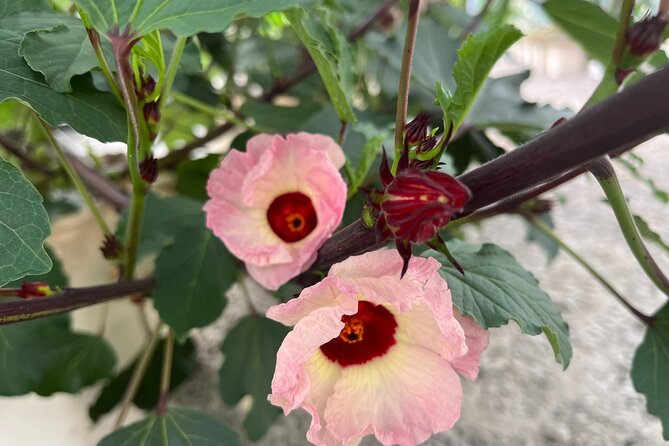
This is the kind of Big Island tour that feels like a day on a working property, not a staged show. The setting is just outside Honokaa on the north side of the island, where you get that lush-by-way-of-agriculture feel. During your visit, you’re not just looking at plants—you’re learning the farming choices behind them.
The tour runs about 1.5 hours and stays close to the meeting point. It’s also in English, with a mobile ticket. If you want a break from bus rides and beach crowds, this is a good fit: short, focused, and tied to something very specific you can taste and buy.
A useful detail here: the farm experience is capped at 12 travelers. That matters because hibiscus is not a one-note flower. The hosts explain how culinary hibiscus works differently than ornamental types, and smaller groups make it easier to ask follow-ups.
You can also read our reviews of more tours and experiences in Big Island of Hawaii.
How Culinary Hibiscus Is Different From Ornamental Hibiscus
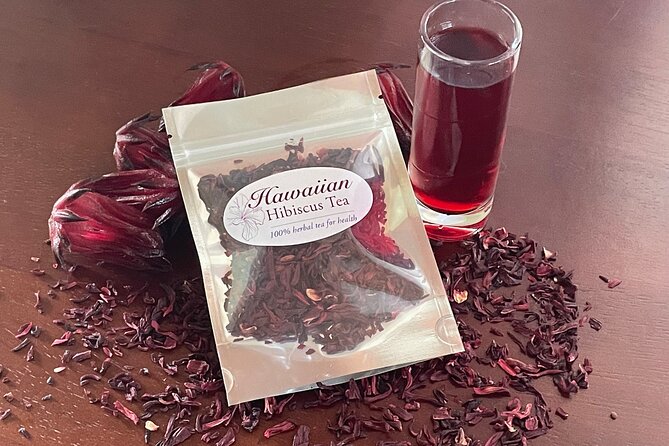
This tour’s centerpiece is the clear line between two hibiscus worlds. You’ll learn that hibiscus grown for eating isn’t just about having pretty blooms—it’s about what the plant supports in terms of flavor and how it’s used.
You’ll also see several hibiscus varieties in the outside demonstration garden. That helps you connect the farming lessons to what you’re actually seeing. And rather than treating hibiscus as one generic ingredient, you’ll get the idea that not all hibiscus is meant for the same kitchen uses.
One reason this matters for you: it makes your tasting more meaningful. When you know the culinary side is chosen for use in food and drinks, you can pay attention to texture, sweetness, and how the flower shows up in products like tea or preserves.
They also talk about the history of agriculture in Hawaii. Even if you only catch the highlights, it adds context for why plants, growing methods, and local production are such a big deal in the islands.
Outside Demonstration Garden: Plant Varieties You Can Spot Fast
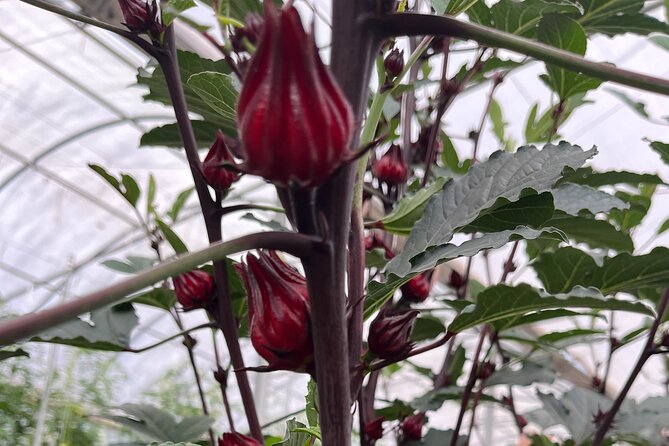
Your first look is the outside demonstration garden. This is where you’ll get the fastest visual “Aha” moment: different hibiscus types, different flower appearances, and a sense of what the farm is selecting for.
Expect a real working garden vibe. You may notice some leaves or flowers with signs of bug activity. That’s not a problem with the tour—it’s part of how gardening works. If you like plants, it can actually be a fun reality check. You’ll see how living crops behave, not just how they look in catalogs.
The hosts also guide you through what you’re looking at so it doesn’t become a random stroll. The goal is to help you connect:
- what grows well on-site,
- what makes the flower useful for culinary products,
- and why some plants are suited to certain preparations.
The Hydroponic Greenhouse: Why It’s Part of the Hibiscus Story
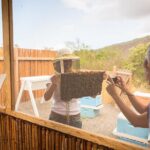
Then you move to the hydroponic greenhouse production area. Even if you don’t consider yourself a “plant person,” this is one of the most interesting stops because it shows hibiscus being grown with modern methods rather than only traditional bed planting.
You’ll learn about hydroponic farming as part of the farm’s approach. And for gardeners, it’s especially satisfying because you’ll hear it explained in straightforward terms while seeing the system in action.
Here’s the value for you: hydroponics changes the day-to-day realities of farming—how plants are supported, how growth is managed, and how production can be planned. You don’t need to become an expert, but the tour helps you understand why the farm’s output is consistent and product-focused.
Balanced note: if you’re not interested in growing systems, this section may take more time than you expected. But if you want to know how the farm makes the flower-based snacks you’ll taste later, it actually holds everything together.
The Guided Tasting: Hibiscus Tea, Syrup Flowers, Preserves, and More
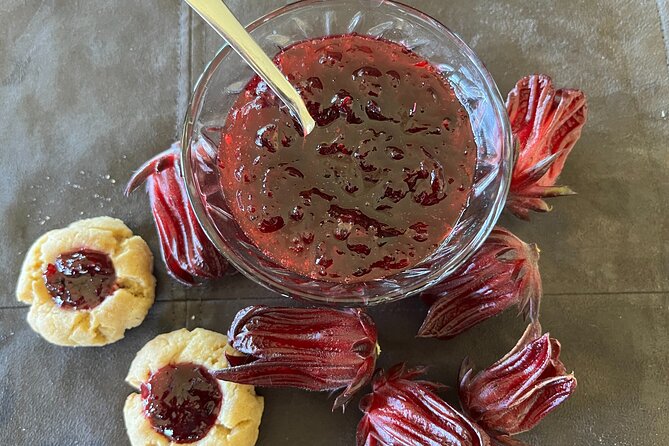
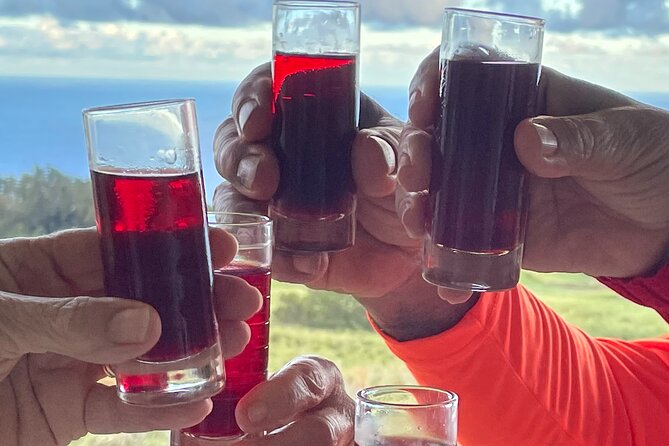
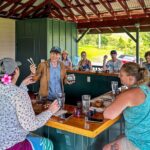
After the garden and greenhouse stops, you’ll end with a guided tasting of hibiscus products. This is where the tour earns its keep, because you’re not leaving with just a brochure idea—you’re leaving with flavor.
You can expect tastings that include:
- hibiscus flowers used in edible preparations,
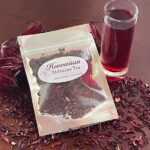
- hibiscus tea (including a refreshing hibiscus ice tea style),
- preserves made from hibiscus,
- and treats where hibiscus flowers appear in syrup.
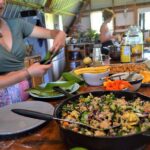
Some of the items you may sample include things like panacotta and shortbread with jam. The key is variety: you’ll taste hibiscus in more than one form, so you notice how the flavor shifts. Tea tends to feel clean and aromatic; preserves bring more sweetness and depth; syrup-style preparations give you a different texture and bite.
If you’re doing this as a food-focused activity, plan to pace yourself. The tasting is guided, and it’s better when you slow down enough to compare notes between items.
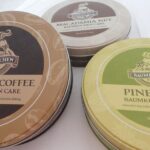
And yes, you can buy products at the farm. If you’re a take-home shopper, this is one of those tours that makes shopping feel like part of the experience, not an afterthought.

Ocean Views and a Small-Group Pace
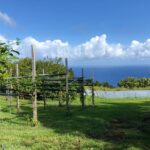
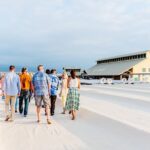
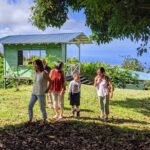
One bonus that shows up during the visit is the setting itself. There are ocean views from parts of the farm areas, which makes the tour feel lighter than you might expect for a plant-focused stop. It’s a nice rhythm shift: look at the greenhouse, then glance out at the water, then back to the tasting.
The small group size also keeps the experience from feeling rushed. With a cap of 12, the hosts can move at a pace that helps you actually remember what you learned. It’s also easier to ask questions about the difference between culinary and ornamental hibiscus or how hydroponic growing fits with hibiscus production.
One practical note: if your trip is packed with other Big Island stops, this tour’s time window works well. You can slot it in without it turning into a half-day commitment.
What to Bring, How to Think About Spending
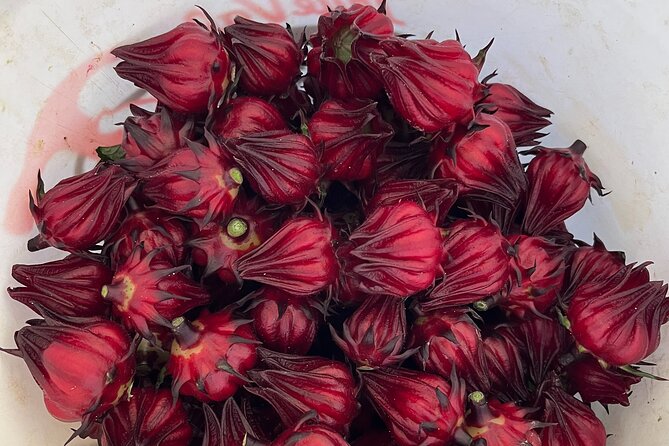
This tour lists the admission ticket as free, but the food and product story doesn’t end at tasting. You’ll likely want to buy something. Hibiscus preserves and tea are the most straightforward “take home” choices, and the farm sells products on-site.
So my advice is simple: bring a little extra cash or card space for purchases. Even if you don’t buy much, you’ll at least want to compare tea flavors and preserve styles so you can pick what matches how you like hibiscus.
What to bring beyond that is basic common sense:
- A curious attitude about plants and food
- A willingness to taste several items
- Comfortable shoes for an outdoor farm setting
Because the tour depends on good weather, you should plan for possible rescheduling if conditions are poor.
Price and Value: Why This Works as a Short Tour
With tours on the Big Island, you often have two extremes: long drives for distant sights, or short tours where the value is mainly a single photo stop. This one sits in the middle.
You get:
- a real farm walk,
- an explanation of culinary vs ornamental hibiscus,
- a look at hydroponic growing,
- and multiple food and drink tastings.
That’s a lot of “meaning per hour.” Since the tour is about 1.5 hours total, it’s easier to justify than an all-day excursion when you’re trying to balance beaches, drives, and rest.
And the product connection is key. Because you can taste what’s grown and made here, buying later doesn’t feel random. You’re responding to flavors you already sampled.
Who Should Book This Hibiscus Tour—and Who Might Skip
This tour is best for you if you:
- like food that has a story,
- enjoy gardens or want a plant-focused learning experience,
- want to understand what edible hibiscus actually means,
- or enjoy small-group, owner-run activities.
It’s also a strong choice as a change of pace. If you’ve spent days chasing waterfalls and viewpoints, this gives you something hands-on and calmer.
You might consider skipping if you want a purely general sightseeing tour. Since the visit focuses on farming methods and hibiscus varieties, it’s not mainly about views or broad cultural stops. It’s plant and product first.
Should You Book Edible Hibiscus at Hawaiian B Natural Farms?
If you’re the type of traveler who likes to bring home something you understand, book it. The combination of garden inspection, hydroponic explanation, and a guided tasting makes this more than a simple “try some tea” stop. It’s also run by the people doing the work—Susan and Lance—so the energy stays personal and practical.
I’d book it especially if you’re curious about culinary hibiscus. Knowing the difference between culinary and ornamental types makes the taste experience click. And if you’re not sure what to buy, you’ll taste enough variety to make that decision with confidence.
If you’re only mildly interested in plants, don’t worry—you’ll still get a good food payoff. Just go in expecting that hydroponics and gardening topics are part of the main course.
FAQ
How long is the Edible Hibiscus Guided Farm Tour?
Plan for about 1 hour 30 minutes total.
Where is the meeting point for the tour?
The tour starts at 44-2790 Kalopa Mauka Rd, Honokaa, HI 96727, USA, and it ends back at the meeting point.
What’s included in the tasting?
You’ll get a guided tasting of hibiscus products, including hibiscus flowers, preserves, and teas. You may also sample items like hibiscus ice tea, panacotta, and shortbread with jam.
Do I need to be a gardener to enjoy it?
Not required, but the tour includes a hydroponic greenhouse area and garden discussions. If you like plants or farming methods, you’ll likely enjoy it more.
What group size should I expect?
The tour is capped at a maximum of 12 travelers.
Is the tour in English?
Yes, the tour is offered in English.
Is there on-site shopping?
Yes. You can purchase hibiscus products at the farm.
Does weather affect the tour?
Yes. The experience requires good weather, and if it’s canceled due to poor weather, you’ll be offered a different date or a full refund.