REVIEW · BIG ISLAND OF HAWAII
Experience Our Honey Farm And Beekeeping Tour
Book on Viator →Operated by Big Island Bees · Bookable on Viator
Bees, in plain sight. On the Big Island, this honey farm tour is a behind-the-scenes look at beekeeping, plus a relaxed stop in a museum and tasting room. You meet the people who keep the hives, watch beekeeping up close in a screened setup, and finish by sampling raw organic Hawaiian honey.
I especially like Joe’s back-and-forth style as he teaches and jokes his way through bee life and beekeeping basics. I also love the raw honey tasting part, with tea/snacks on hand and samples that help you understand the difference between types instead of just buying jars.
One heads-up: this is a small, remote-feeling stop, and some people find the restroom situation on the tight side. If you’re the sort who needs easy facilities, plan ahead before you go.
In This Review
- Key things I’d put on your checklist
- Entering The Beekeeping World Near Kealakekua Bay
- The Honey Farm Tour Rundown, From Screened Hive Viewing to Tasting Room
- The Beekeeping Portion: Why the Screened Setup Makes It Worth It
- Honey Tasting and What to Do With It (Besides Buy Everything)
- Ask Questions Like You’re With a Friend, Not a Classroom
- Safety, Stings, and Who Should Skip the Hive Viewing
- Price and Value: What $30 Buys You on the Big Island
- Timing and Logistics That Affect Your Day
- Who This Honey Farm Tour Is Best For
- Should You Book This Big Island Bees Honey Farm Tour?
- FAQ
- How long is the honey farm and beekeeping tour?
- Where is the meeting point?
- What time does the tour start?
- How much does it cost?
- Is lunch included?
- What’s included in the tour?
- What language is the tour offered in?
- How many people are in a group?
- Are there Kama’aina discounts?
- What if someone is allergic to bee stings?
- What happens if weather is bad?
Key things I’d put on your checklist

- Screened beekeeping viewing that lets you watch without going full daredevil mode
- Meet the beekeepers and ask questions in a small group setting
- Raw organic Hawaiian honey samples paired with tea and snacks
- Museum and tasting room for context before and after the hive viewing
- A guide like Joe who keeps the session fun, not lecture-like
- Chance to see a queen bee if timing and activity line up
Entering The Beekeeping World Near Kealakekua Bay
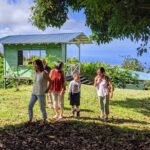
This tour starts at 82-1140 Meli Rd in Captain Cook, and it’s set up for a very specific kind of experience: getting real with bees without turning it into a scary stunt. The setting is a working honey farm on the Big Island, and the tour format is built around a “safe viewing” approach.
You’ll be there for about 45 minutes to 1 hour, depending on how questions and the beekeeping portion go. The meeting time is 10:00 am, so it’s a good way to break up a day of beach time with something that feels hands-on.
The tour uses a mobile ticket (so you’ll want that phone charged), and it’s offered in English. If you’re traveling with kids, this kind of short, guided stop tends to work better than long museum marathons, because you get a clear arc: see → learn → taste.
You can also read our reviews of more tours and experiences in Big Island of Hawaii.
The Honey Farm Tour Rundown, From Screened Hive Viewing to Tasting Room
Here’s how the experience typically unfolds once you arrive.
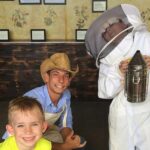
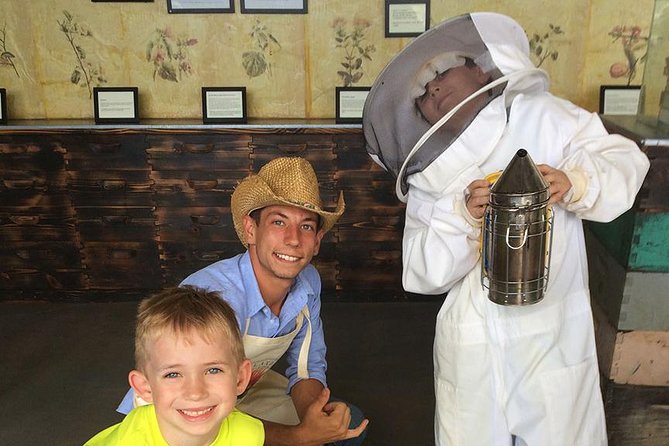
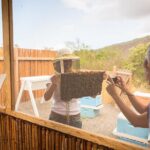
First, you get into the honey farm world of bees and beekeeping. The highlight is the beekeeping tour segment where you sit in a box-seat area behind a screen. This matters because it shapes the whole vibe: you’re close enough to feel like you’re part of the process, but the setup is meant to keep things controlled.
Your guide handles the teaching in real time, explaining what you’re seeing and why it matters. One repeated theme from guide feedback: Joe runs the show like a friendly encyclopedia, with humor that keeps kids and adults paying attention.
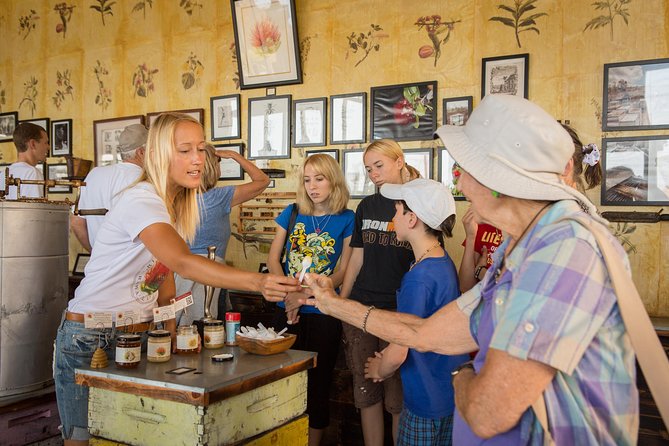
Next comes the museum and tasting room. This is where the tour slows down a notch and gives you context you can actually use later—pollination basics, how honey fits into the bigger picture, and what beekeeping involves beyond just collecting honey. Then you wrap in the tasting room with free sampling of raw organic Hawaiian honey.
If you’re a “taste-first” person, you’ll like this flow. You see the hive work and then connect it to flavor and product, instead of getting honey first and learning the why afterward.
The Beekeeping Portion: Why the Screened Setup Makes It Worth It
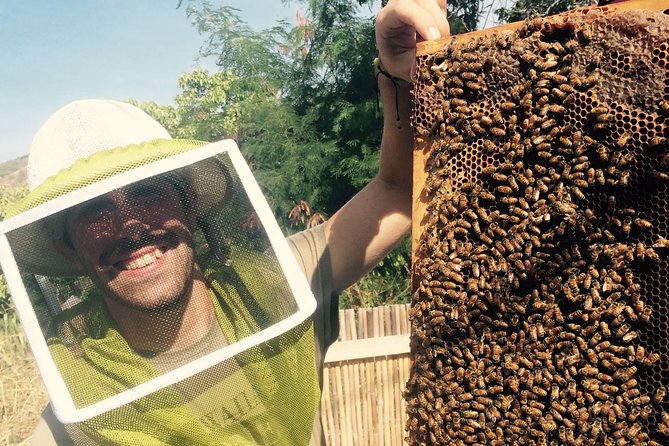
A lot of people worry about bees. This tour does two smart things: it keeps you in a screened viewing area, and it focuses you on safe behavior in a guided environment.
In plain terms, you’re not expected to guess what to do. The guide leads you through what’s happening, and the whole point of the “box seat on beekeeping” arrangement is that you can watch what the beekeepers do while staying protected.
You may also get moments that feel extra special. Some guests say they were able to see the queen bee, and a few mention close-up activity around the hive during the session. You shouldn’t treat that as guaranteed, but it’s a real possibility when the timing and hive activity line up.
Also, the tour is small enough that you’re not just another face in the crowd. A listing feature calls out groups limited for a more personalized experience, and the maximum for a specific booking is stated as 8 travelers. Either way, you should expect a less chaotic environment than you’d find at larger attractions.
Honey Tasting and What to Do With It (Besides Buy Everything)
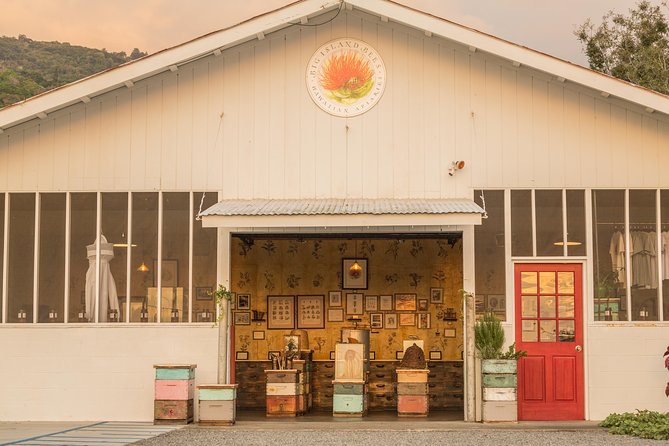
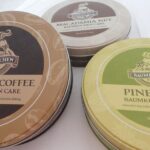
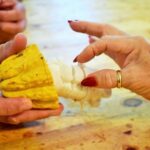
The tasting room is where the tour turns from watching to understanding. You’ll get samples of the farm’s raw organic Hawaiian honeys, and that tasting is paired with tea and snacks.
Here’s how to make the most of it:
- Taste slowly and pay attention to smell first. Honey aromas can be surprisingly different.
- Don’t just look for sweetness. Think about thickness and the way it finishes on your tongue.
- Ask the guide what’s behind the differences in the honey you’re trying.
The feedback on this part of the experience is consistently positive, especially for the way the samples help people appreciate honey as a real product of bee work, not just a souvenir. And if you’re the sort who enjoys food facts, you’ll likely enjoy how the guide ties the flavors back to how beekeeping supports pollination and the ecosystem.
There’s also a store attached to the experience, so the tasting often leads to shopping. Expect honey, beeswax products, and beekeeping-themed items. One review also highlighted an ice cream stop in the shop, which is the kind of bonus detail that makes an already short tour feel more like a mini outing.
Ask Questions Like You’re With a Friend, Not a Classroom
This is one of those tours where the best learning happens in the gaps. The guide is right there, and you can ask about bee behavior, hive basics, why beekeeping matters, or what people can do at home to support pollinators.
The standout in the comments is Joe’s ability to interact with everyone. He answers questions, keeps the tone upbeat, and uses jokes to make topics stick. If you’ve ever sat through a tour where you’re afraid to ask anything, this isn’t that.
Also, if you’re curious but hesitant—maybe you’re bringing kids, or you’re coming in with bee anxiety—having a guide guide you through what you’re seeing can make a big difference. More than one person described the experience as safe and confidence-building when done in the screened setup.


Safety, Stings, and Who Should Skip the Hive Viewing
This is a working beekeeping operation, so it’s smart to be practical. The tour is designed around safety through the screened viewing area, and the session is led by the beekeepers themselves.
Still, there’s a clear rule for people with allergies: if you’re allergic to bee stings, you should not take the tour, but you can visit the museum instead. That’s an important distinction. You still get bee education without putting yourself at risk in the hive viewing portion.
On the “who can go” side, most people can participate, and service animals are allowed. If you have any concerns about your own comfort level around bees, the museum option is a solid backup plan that keeps you in the same educational world.
Price and Value: What $30 Buys You on the Big Island
The price is $30.00 per person, and the experience runs roughly 45 minutes to 1 hour. For that time, you’re getting more than a quick stop: guided hive viewing, a museum component, and honey sampling plus tea and snacks.
That “all-in” bundle matters. It’s not just a ticket to watch something from a distance. You’re paying for guided context, taste experiences, and interaction with the people who actually do the work.
If you’re Kama’aina, there are discounted rates:
- $20 for Kama’aina adults (19+), with valid Hawaii State ID
- $10 for Kama’aina youth (13–18), with resident proof as required
If you’re trying to decide based on value, think about what you’d otherwise pay for: a guided experience plus admission-like museum time plus honey tasting and refreshments. This tour is priced to fit into a typical day without swallowing your whole schedule.
Timing and Logistics That Affect Your Day
This starts at 10:00 am and takes about an hour. That schedule helps because it’s not an all-day commitment—ideal when you want something meaningful but don’t want to risk losing a full morning to traffic or weather.
The experience also requires good weather. If weather cancels the session, you’ll be offered a different date or a full refund. That’s good to know because it keeps the decision from feeling high risk on a volatile day.
One more practical note: the location is in Captain Cook, and it can feel remote. Build in buffer time so you’re not rushing. If you’re pairing this with other Big Island stops, give yourself room to breathe.
Who This Honey Farm Tour Is Best For
This works for a lot of travel styles.
Families often like it because the time is short, the guide keeps things lively, and the tasting is a nice ending. Couples tend to enjoy it for the same reason: it’s a distinctive Big Island activity that isn’t just scenery—it’s people, work, and food.
Solo visitors also do well here. Small group size helps, and you’re not stuck watching from far away. If you’re a fan of learning by doing, the museum + tasting room combo helps you connect the dots.
And if you have bee curiosity but want safety-first, this setup is designed for that mindset. Just remember the allergy rule.
Should You Book This Big Island Bees Honey Farm Tour?
If you want a short, guided, family-friendly Big Island experience that includes hive viewing behind a screen, museum time, and raw honey tasting, this is an easy yes. The best reason to book is the way the tour is built around real interaction—especially with a guide like Joe, who makes the information stick without turning it into a stiff lecture.
Skip the beekeeping viewing part only if you have a bee-sting allergy. Otherwise, come ready to ask questions and taste with intention. In about an hour, you’ll leave with both honey you can bring home and a better understanding of what bees actually do for Hawaii—and beyond.
FAQ
How long is the honey farm and beekeeping tour?
It runs about 45 minutes to 1 hour (approximately), and the beekeeping tour portion plus museum and tasting fit within that timeframe.
Where is the meeting point?
You’ll meet at 82-1140 Meli Rd, Captain Cook, HI 96704, USA. The tour ends back at the meeting point.
What time does the tour start?
The listed start time is 10:00 am.
How much does it cost?
The price is $30.00 per person.
Is lunch included?
No. Tea, snacks, and honey samples are included, but lunch is not.
What’s included in the tour?
You get guided time at the honey farm, plus tea and snacks, and free honey sampling of raw organic Hawaiian honeys. A museum and tasting room visit are part of the experience.
What language is the tour offered in?
The tour is offered in English.
How many people are in a group?
The maximum stated for this activity is 8 travelers, which keeps the experience small and interactive.
Are there Kama’aina discounts?
Yes. Kama’aina adults ages 19+ pay $20 with valid Hawaii State ID, and Kama’aina youth ages 13–18 pay $10 (resident proof required).
What if someone is allergic to bee stings?
Persons allergic to bee stings should not take the tour. They can visit the museum instead.
What happens if weather is bad?
The experience requires good weather. If it’s canceled due to poor weather, you’ll be offered a different date or a full refund.