REVIEW · BIG ISLAND OF HAWAII
Craft Chocolate Tasting and Farm Experience on the Big Island
Book on Viator →Operated by Honolii Orchards · Bookable on Viator
Chocolate tasting meets real farming.
This 3.5-hour small-group outing at Honolii Orchards turns cacao history and farm work into something you can actually picture, starting with the ocean-and-valley views from the tasting room. I like that you don’t just sit and sample. You walk the orchards, talk cacao growing with your guide Wrenn Bunker, and get the kind of behind-the-scenes context that makes each chocolate taste feel earned.
One catch: at $135 per person, it’s a splurge, so you’ll want to be in a chocolate-and-cacao mood. Also, it’s based on the Hilo side—so if you’re staying near Kona, plan on a longer drive (one guest noted about a 2-hour trip).
In This Review
- Key highlights you should not miss
- How this cacao farm tour feels different from a basic tasting
- Getting there: Hilo-side location and the back-road approach
- Honolii Orchards Tasting Room: ocean views and a welcome you can hear
- The orchard walk with Wrenn Bunker: cacao farming in plain language
- Fermentation and after-harvest processing: the step most people skip
- Chocolate history that actually connects to Hawaii today
- The tasting lineup: what you’ll sample and why it’s more than bar after bar
- The guides matter: hosts that turn information into a real experience
- Price and value: is $135 worth it
- Who should book this tour (and who might not love it)
- Practical tips to get the most from your cacao tasting day
- Should you book this craft chocolate tasting on the Big Island?
Key highlights you should not miss
- Scenic back-road drive to the farm area off Puia Road near Hilo
- Honolii Orchards Tasting Room views overlooking ocean and valley
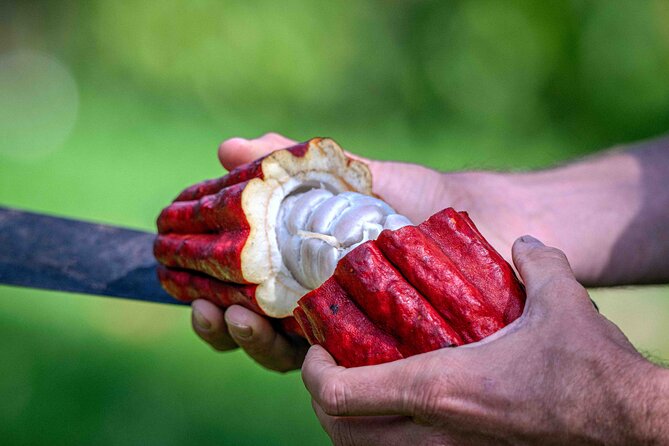
- Cacao orchard tour with Wrenn Bunker, focused on how pods and farming work
- Fermentation secrets explained, with tastings that make the science tangible
- Lots of chocolate samples, plus cacao juice, cacao tea, roasted beans, and seasonal fruit
- Small group size (max 15) for a relaxed pace and more attention
How this cacao farm tour feels different from a basic tasting
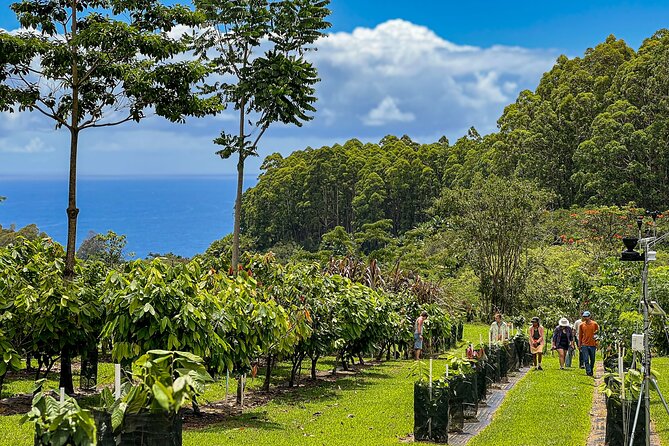
Most chocolate tours stop at samples. This one starts earlier, with farming and fermentation, then moves into tasting and history. That matters, because chocolate flavor doesn’t just come from a recipe. It comes from genetics, farming decisions, and what happens after pods are harvested.
I like the flow because it keeps you moving at a calm pace. You’ll get time in the orchards, then you’ll settle in above the canopy for tasting and discussion. And the whole thing is hosted by people who clearly care about both the science and the people side of sharing it.
You can also read our reviews of more tours and experiences in Big Island of Hawaii.
Getting there: Hilo-side location and the back-road approach
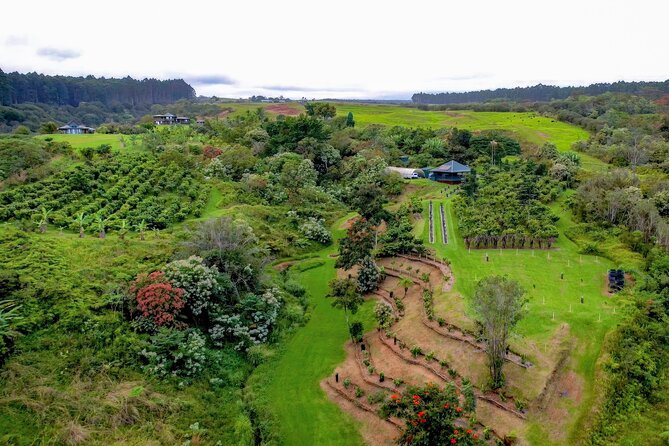
The meeting point is at 1533 Puia Rd, Hilo, HI 96720, with a 10:00 am start. From there, you’ll drive to the farm via some rarely experienced back roads, which is a quiet win on a Big Island day. It also puts you in the right mindset: you’re not “arriving at a shop.” You’re arriving at an active agricultural setting.
The farm is about 5 minutes from Hilo, and then it’s 1.7 miles up Puia Road. That short distance is part of the value. You get the feeling of a world away from traffic, without losing half a day to logistics.
Honolii Orchards Tasting Room: ocean views and a welcome you can hear
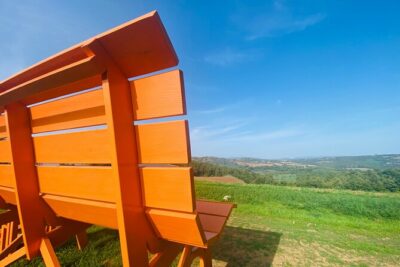
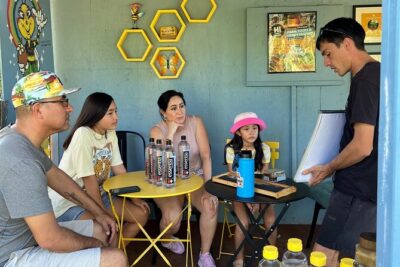
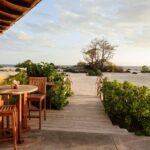
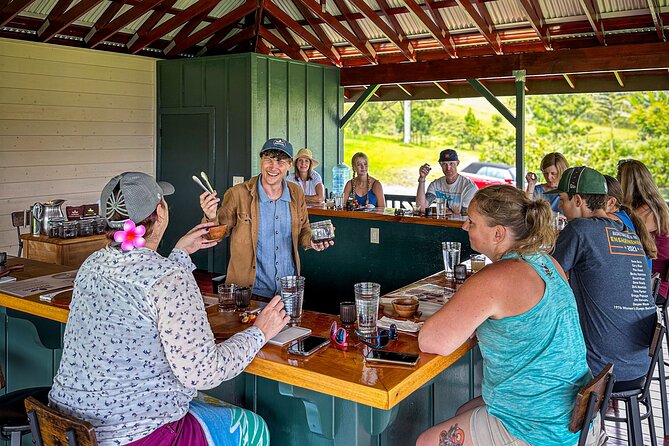
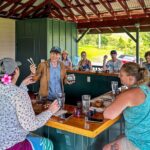
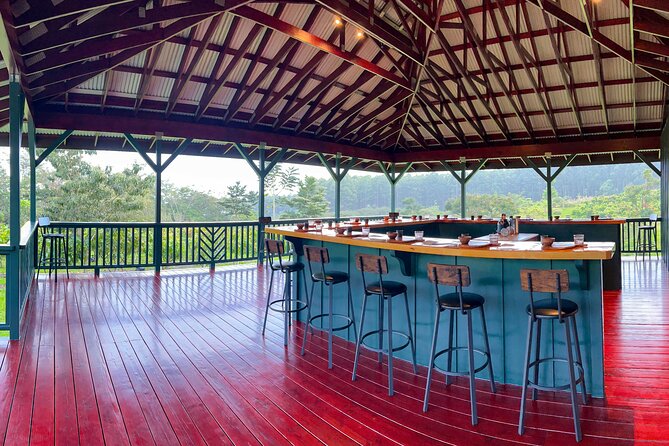
When you arrive, you’ll sit above the canopy in the Honolii Orchards Tasting Room, with ocean and valley views. This is where the tour starts to click, because you can look out while the hosts connect cacao, agriculture, and flavor.
This stop is also a good reset for the day. You’ll have a casual chat while learning the agricultural history of the Hamakua Coast area, and you’ll get oriented before walking the orchards. If you want a tour that feels human—not rushed—this is a big reason people rave about it.
The orchard walk with Wrenn Bunker: cacao farming in plain language
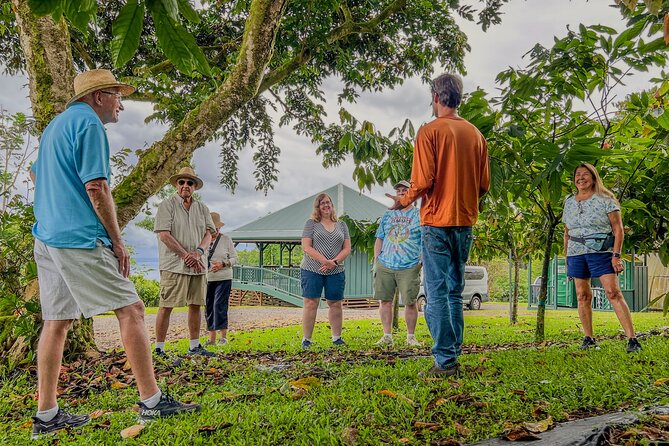
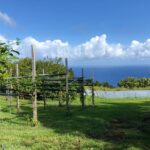
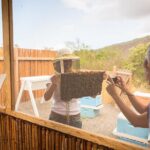
Your guide for the orchard portion is Wrenn Bunker. The tone is friendly and practical, with explanations that connect what you’re seeing (plants, pods, and farm work) to what shows up later in the tasting.
Expect to learn how cacao is grown and what the life cycle looks like in a working orchard. One guest even called out topics like varieties, pod stages, harvesting, fermenting, drying, and roasting—so you’re not just hearing “where chocolate comes from.” You’re learning the steps that shape flavor.
If you like hands-on learning, you’ll probably enjoy the way this tour treats cacao as an agricultural crop, not a mysterious ingredient. It’s the kind of explanation that makes the tasting feel fair, because you know why one bar tastes different from another.
Fermentation and after-harvest processing: the step most people skip
Chocolate gets a lot of hype, but fermentation is where the magic often begins. On this tour, you’ll hear about the fermentation mysteries and how that process affects what ends up in the cup and on your tongue.
This is where craft chocolate stories start to become real. When you understand that fermentation and processing influence flavor notes, tasting changes from guessing to noticing. More than one person said they learned how to taste with more structure—kind of like how you learn to pick out notes in wine.
A small, practical note: this portion can get intense if you’re expecting a purely sweet, laid-back experience. But if you enjoy food science or you like being taught how to pay attention, fermentation talk is a highlight.

Chocolate history that actually connects to Hawaii today
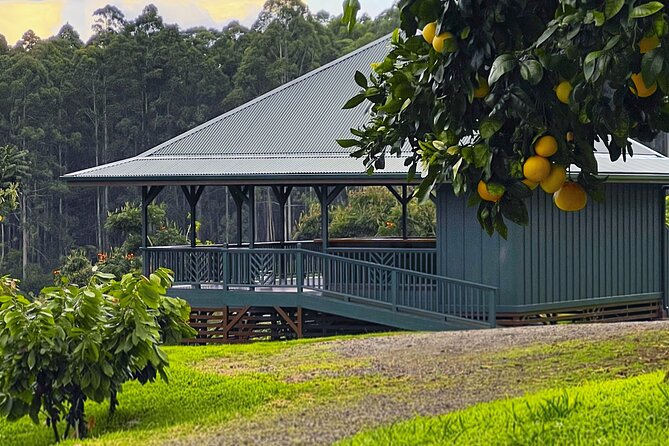
After the orchard work, you’ll shift into chocolate’s history. The tour frames it from ancient Mesoamerica to the modern craft chocolate movement, and then brings that story to the Big Island.
That connection is useful because it explains why chocolate in Hawaii isn’t just “imported bars in a cute tasting room.” You’re learning how cacao farming and modern craft practices fit into a bigger timeline—plus why single-origin chocolate can taste dramatically different even when the ingredient list looks simple.
The tasting lineup: what you’ll sample and why it’s more than bar after bar
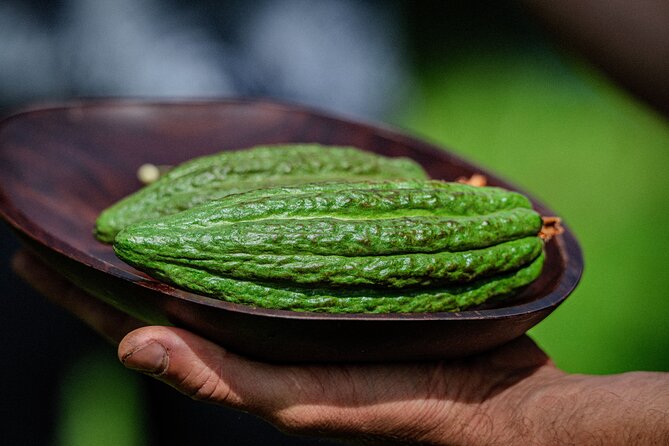
This is not a tiny “one or two squares” situation. You’ll sample a range of craft chocolates, with many guests reporting around 10 to 12 samples. And it’s paired with other cacao products, not just chocolate.
You can expect tastings such as:
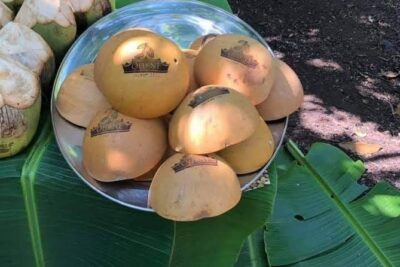
- Fresh cacao juice
- Roasted beans
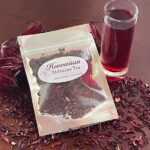
- Cacao tea
- Seasonal fruits
- Additional cacao pulp experiences (including fresh cacao pulp in some tastings)
On top of that, you’ll taste diverse craft chocolates across Hawaii, then learn how single-origin nuances show up as environment and genetics meet.
This structure is what makes the tour feel like education without turning into a lecture. You’re not memorizing terms. You’re tasting, comparing, and getting taught how to notice.
The guides matter: hosts that turn information into a real experience
Some tours succeed because of scenery. This one also succeeds because of hosting. People repeatedly mention the chemistry and enthusiasm of the team—especially names like Colin, Ren, Jude, and Wrenn.
What you’re aiming for on tours like this is a guide who can explain both the why and the how. Here, that shows up in the way hosts connect cacao farming research to the craft chocolate you’re eating, then guide you through tasting so you can actually tell the differences.
If you care about learning, you’ll probably appreciate the way the hosts don’t just present facts. They shape your tasting mindset. One guest described it as tasting like wine—notes, differences, and a method for paying attention.
Price and value: is $135 worth it
At $135 per person, it’s not the cheapest thing you can do on the Big Island. But it’s priced for a specific experience: a guided cacao farm tour plus multiple chocolate tastings plus cacao drinks and fruit, in a small group capped at 15.
Here’s the value logic I’d use to decide:
- If you want only a quick sweet fix, you’ll likely feel the price is high.
- If you want a guided learning experience you can carry home—how fermentation, processing, and origin affect flavor—then this starts to look like good value.
A lot of people said it was worth every penny, but even when you’re skeptical, the sample variety and multi-step story (orchard → processing → tasting → history) are the real reason. It’s not just chocolate. It’s a chocolate framework.
Who should book this tour (and who might not love it)
This tour fits best if you:
- Love chocolate but want to taste beyond simple sweet vs. bitter
- Like food education and practical explanations
- Enjoy small groups and a slower pace
- Want a Hilo-side experience focused on local agriculture
You might not be the best match if:
- You want a purely passive, low-walking activity
- Chocolate tastings feel like a chore rather than fun
- You’re short on time and can’t spare about 3 hours 30 minutes
Practical tips to get the most from your cacao tasting day
I’d treat this like a food-focused morning or early afternoon. You’ll get coffee and/or tea, bottled water, and chocolate, but you’re not seeing a meal-style offering in the details provided. If you’re prone to getting hungry, plan something before or after.
Also, the tour requires good weather. If conditions are poor, it can be rescheduled or refunded, so have flexibility in your schedule.
If you’re sensitive to strong flavors or want to pace yourself, don’t feel pressured to go fast through every sample. The tasting part is designed for comparison, and taking your time helps you notice what’s different.
Should you book this craft chocolate tasting on the Big Island?
If your ideal day includes learning how your food is made, and you enjoy tasting the results, I think this is a strong yes. The combination of orchard time, fermentation focus, and a structured tasting (with cacao drinks, roasted beans, and multiple chocolate samples) makes it feel like more than a stop for dessert.
I’d book it especially if you’re staying on the Hilo side or you’re willing to make the drive from Kona. For a chocolate lover who wants a real cacao farming story—not just a handful of squares—this tour earns its reputation.